
The question of how far Napa is from San Francisco is a common one for travelers seeking to experience the renowned California wine country. While the distance might seem straightforward, the journey is a multifaceted adventure, influenced by the chosen mode of transport, traffic conditions, and the desire to savor the scenic route. Understanding these nuances is key to planning a seamless and enjoyable trip from the iconic urban landscape of San Francisco to the rolling vineyards and world-class wineries of the Napa Valley.
Understanding the Distance and Travel Times
The geographical proximity between San Francisco and Napa is relatively short, making it an accessible day trip or a component of a larger California itinerary. However, the actual travel time can vary significantly.

Driving Distances and Routes
The most direct driving route from San Francisco to Napa is approximately 45 to 50 miles (72 to 80 kilometers), depending on the specific starting point in San Francisco and the final destination within Napa Valley. The primary route typically involves crossing the San Francisco-Oakland Bay Bridge (often referred to simply as the Bay Bridge) and heading north on Interstate 80 (I-80) before transitioning to Highway 37 and then Highway 29, or taking a more direct route via Highway 12.
The estimated driving time without traffic is generally between 1 hour and 1 hour and 30 minutes. However, this is a highly optimistic estimate. San Francisco and its surrounding areas are notorious for traffic congestion, particularly during peak commuting hours on weekdays and on weekend afternoons. A drive that might take an hour in ideal conditions could easily stretch to two hours or more when traffic is heavy. This is especially true when exiting San Francisco via the Bay Bridge or on the return journey.
Navigating the Bay Bridge and Highway 29
Crossing the Bay Bridge is a crucial part of the journey. Tolls are in effect for eastbound traffic entering the East Bay. Once in the East Bay, travelers will typically head towards Vallejo to access Highway 29, the main artery running through the heart of the Napa Valley. Alternatively, some may opt for Highway 12, which offers a slightly different scenic perspective and can be an option depending on the specific wineries being visited.
Other Transportation Options
While driving is the most common method, several other transportation options cater to those who prefer not to navigate the traffic or wish to indulge in wine tasting without the responsibility of driving.
Public Transportation and Shuttles
Public transportation from San Francisco to Napa is possible but often involves multiple transfers and can be time-consuming. The process generally includes taking BART (Bay Area Rapid Transit) from San Francisco to Vallejo or Concord, followed by a bus service that continues into Napa. This option is best suited for budget-conscious travelers who have ample time and are not concerned with direct access to multiple wineries.
More convenient than public transport are organized shuttle services and private car services. Several companies operate regular shuttles from San Francisco directly to Napa Valley, often with pre-determined pick-up points. These can be a stress-free way to travel, especially for wine tasting tours.
Guided Tours and Wine Excursions
For a fully immersive and hassle-free wine country experience, booking a guided tour from San Francisco is an excellent choice. Numerous tour operators offer day trips that include transportation, visits to several wineries, and often lunch. These tours eliminate the need to worry about driving, navigation, or coordinating multiple stops, allowing participants to fully relax and enjoy the Napa Valley.
Factors Influencing Travel Time

The estimated travel time of 1 to 1.5 hours is a baseline that is frequently exceeded. Several key factors contribute to the variance.
Traffic Congestion
As mentioned, traffic is the most significant variable. Weekday rush hours, typically from 7-10 AM and 3-7 PM, can drastically increase travel times. Even outside these hours, accidents, construction, or special events in San Francisco or along the route can cause significant delays. Weekends, especially Friday evenings and Sunday afternoons, can also experience heavy traffic as people head to or return from weekend getaways.
Time of Day and Day of Week
Planning your departure and return times strategically is crucial. Leaving San Francisco early in the morning, before 7 AM, can help you avoid the worst of the morning commute. Similarly, departing Napa before 3 PM on a weekend can help you circumvent the evening rush. Avoiding travel on major holidays or during large local events is also advisable for a smoother journey.
Weather Conditions
While California is known for its pleasant weather, fog, especially common in San Francisco and along the coast, can reduce visibility and slow down driving. Heavy rain, though less frequent, can also impact road conditions and traffic flow.
Planning Your Napa Valley Excursion
With the distances and travel times in mind, effective planning can transform your trip from San Francisco to Napa into a memorable experience.
Choosing Your Destination within Napa Valley
Napa Valley is a linear region stretching approximately 30 miles. The “distance” from San Francisco can feel longer if your intended destination is at the northern end of the valley, such as in Calistoga. Conversely, visiting wineries near Napa town or in Yountville will be a slightly shorter journey. Consider clustering your winery visits geographically to minimize driving time within the valley itself.
The Benefits of Staying Overnight
While a day trip from San Francisco is certainly feasible, staying overnight in Napa Valley offers a more relaxed and immersive experience. It allows for a full day of wine tasting without the pressure of returning to the city by a certain time. Options range from charming boutique hotels and luxurious resorts to cozy bed and breakfasts in towns like Napa, Yountville, or St. Helena. An overnight stay also provides opportunities to explore local dining, spas, and the unique character of each town.
Exploring Accommodations
Napa Valley boasts a wide array of accommodations. In Napa town, you might find hotels like the Napa River Inn or the Andaz Napa. Yountville, known for its culinary scene, offers luxurious options such as The Estate Yountville and Bardessono Hotel and Spa. Further north, Calistoga is famous for its hot springs and resorts like the Fairmont Sonoma Mission Inn & Spa, though it’s technically in Sonoma County, it’s often part of a Napa Valley itinerary.
Savoring the Journey
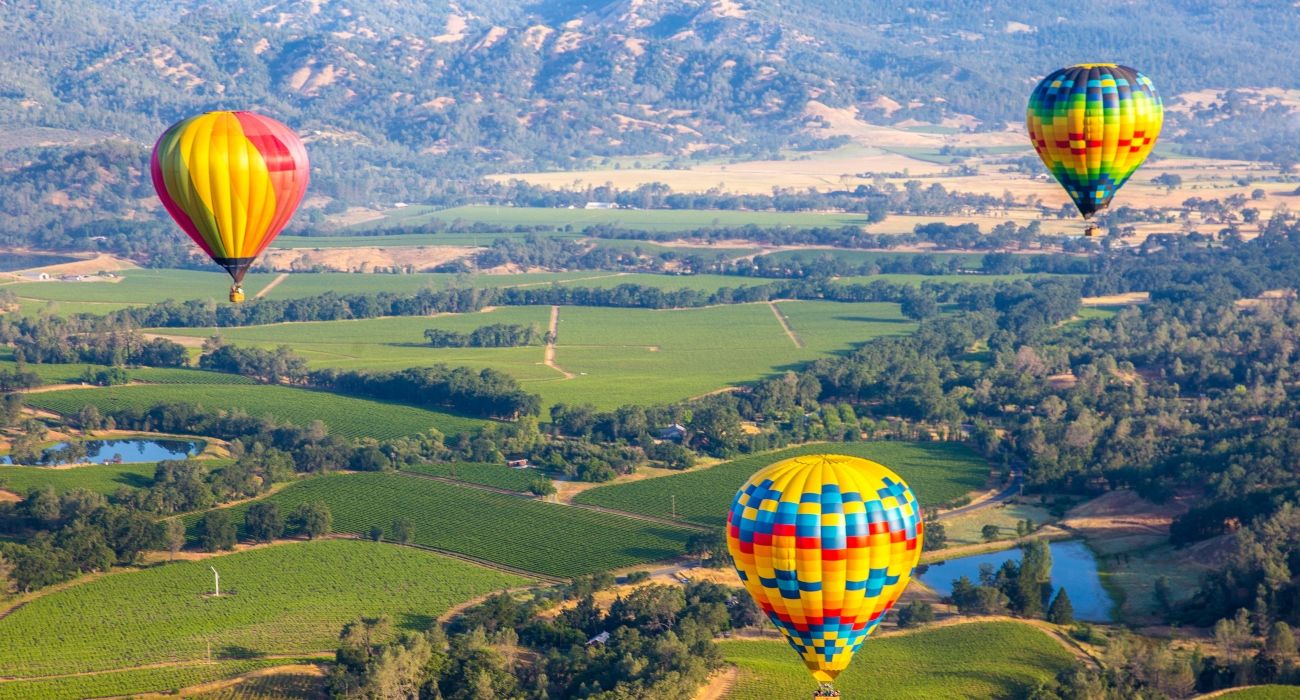
Regardless of the mode of transport, the journey itself can be part of the experience. The transition from the urban bustle of San Francisco to the picturesque landscapes of Napa Valley is a gradual unfolding of rolling hills, vineyards, and charming small towns. Consider stops along the way, perhaps in Sonoma if you take a slightly different route, or simply enjoy the changing scenery as you approach wine country.
In essence, while the mileage between San Francisco and Napa is manageable, the actual travel time requires careful consideration. By understanding traffic patterns, exploring various transportation options, and planning your itinerary wisely, you can ensure your transition to the idyllic Napa Valley is as smooth and enjoyable as the wine you’ll soon be savoring.
LifeOutOfTheBox is a participant in the Amazon Services LLC Associates Program, an affiliate advertising program designed to provide a means for sites to earn advertising fees by advertising and linking to Amazon.com. Amazon, the Amazon logo, AmazonSupply, and the AmazonSupply logo are trademarks of Amazon.com, Inc. or its affiliates. As an Amazon Associate we earn affiliate commissions from qualifying purchases.