
Embarking on a journey between two of Florida’s most captivating coastal cities, Naples and Fort Lauderdale, offers a delightful exploration of contrasting yet equally appealing South Florida experiences. Whether you’re a sun-seeking tourist, a business traveler, or an individual planning a scenic road trip, understanding the distance and travel time between these vibrant locales is paramount to crafting an efficient and enjoyable itinerary. This comprehensive guide delves into the various ways to traverse the approximately 80-mile stretch separating these two distinct communities, highlighting the nuances of each travel method and the unique advantages they offer.
Understanding the Geography and Distance
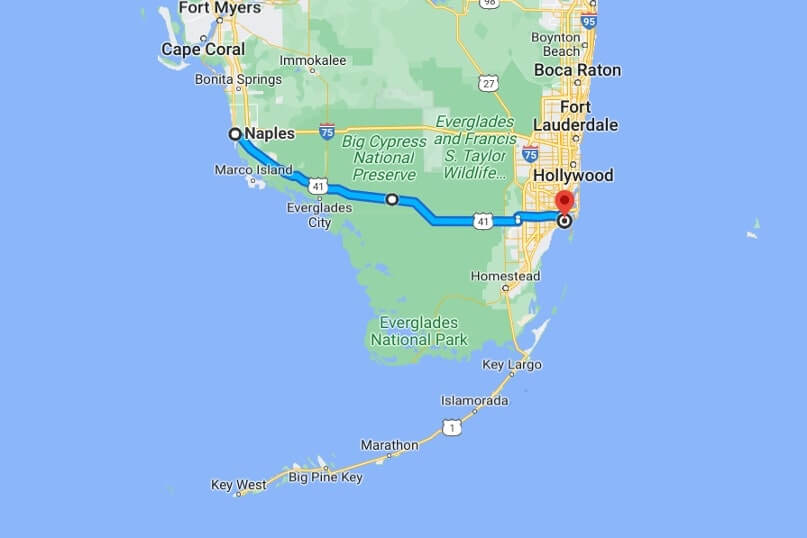
The geographical positioning of Naples on the Gulf Coast and Fort Lauderdale on the Atlantic Coast sets the stage for a journey across the diverse landscapes of South Florida. The most direct route, predominantly utilizing major highways, spans a distance that can fluctuate slightly based on the specific starting and ending points within each city. However, the commonly accepted driving distance is around 80 miles. This figure serves as a baseline for estimating travel times, which, as we’ll explore, are subject to various influencing factors. The route often involves traversing the heart of the Everglades, offering glimpses of Florida’s unique natural beauty, or opting for a more northerly path that skirts the fringes of this vast wilderness.
Key Travel Metrics
- Driving Distance: Approximately 80 miles (129 kilometers).
- Estimated Driving Time: 1 hour 30 minutes to 2 hours 30 minutes.
- Public Transportation Options: Limited but feasible, often involving multiple transfers.
- Flight Distance: Direct flights are not typically offered due to the short distance, but connecting flights through major hubs are possible, though impractical for this route.
The journey is more than just a measurement of miles; it’s an introduction to the shifting vistas of South Florida. From the sophisticated charm of Naples with its upscale boutiques and pristine beaches to the bustling energy of Fort Lauderdale with its extensive network of canals and vibrant nightlife, the transition between these two cities is a reflection of the state’s multifaceted appeal.
Navigating the Roads: Driving and Road Trips
Driving remains the most popular and flexible method for traveling between Naples and Fort Lauderdale. The route is well-serviced by major roadways, making it a straightforward endeavor for most travelers. The primary highways involved are typically I-75 and I-595.
Route Options
The Everglades Route (I-75 South)
The most common and often the most scenic route involves taking I-75 south from Naples towards the south end of the state, and then transitioning to roads that lead east to Fort Lauderdale. This path offers a unique perspective on the vast Everglades National Park, a UNESCO World Heritage Site renowned for its diverse ecosystems and wildlife.
- Advantages: Potentially more scenic, direct access to certain points of interest within the Everglades.
- Considerations: Can be prone to slower traffic due to its more rural nature in parts and potential wildlife crossings. Tolls are associated with some sections of this route.
The Northern Route (US-41 East and other connectors)
An alternative, though often slightly longer, route might involve utilizing US-41 (Tamiami Trail) for a portion of the journey before connecting to other state roads heading east. This path might offer more opportunities for roadside stops and exploration of smaller towns.
- Advantages: May provide more diverse sightseeing opportunities, less reliance on a single major interstate.
- Considerations: Can involve more local roads and traffic lights, potentially increasing travel time.
Factors Affecting Travel Time
The estimated driving time of 1.5 to 2.5 hours is a guideline, and actual travel can be significantly influenced by several factors:
- Time of Day: Commuting hours, especially during weekdays, can add considerable time due to congestion on major arteries leading into and out of both Naples and Fort Lauderdale. Early morning or late evening travel is generally smoother.
- Day of the Week: Weekends, particularly during peak tourist seasons, can see increased traffic as residents and visitors alike head to popular destinations.
- Road Construction and Detours: Ongoing roadwork is a common occurrence in Florida and can lead to unexpected delays. Utilizing real-time navigation apps is highly recommended.
- Weather Conditions: South Florida is known for its tropical weather, which can include heavy rain and thunderstorms, especially during the summer months. These conditions can slow down traffic considerably.
- Stops and Attractions: The flexibility of a road trip allows for spontaneous stops at attractions like the Everglades National Park, airboat tours, or roadside fruit stands. While these enhance the travel experience, they naturally extend the overall journey time.

For those looking to maximize efficiency, checking live traffic updates before departure and factoring in potential delays is crucial. The drive itself, when unimpeded, is a pleasant introduction to the diverse landscapes of South Florida, from the urban sophistication of the coasts to the unique natural beauty of the interior.
Alternative Modes of Transportation
While driving offers unparalleled flexibility, other transportation methods exist for traveling between Naples and Fort Lauderdale, each with its own set of pros and cons.
Public Transportation: A Feasible but Complex Option
Public transportation between Naples and Fort Lauderdale is not as straightforward as a direct intercity train or bus route. It typically involves a combination of local bus services and potentially regional bus lines, often requiring multiple transfers.
- Bus Services: Services like Greyhound or FlixBus might offer routes that connect the two cities, though direct, non-stop services are rare. These journeys are significantly longer than driving, often taking 4-6 hours or more, depending on the route and transfer times.
- Interconnecting Local Transit: In some cases, it might be possible to piece together a route using local county transit systems. However, this is generally the most time-consuming and complex option, requiring thorough research into bus schedules and routes in both Collier County (Naples) and Broward County (Fort Lauderdale).
- Advantages: Can be a more budget-friendly option for solo travelers, reduces the stress of driving and parking.
- Considerations: Significantly longer travel times, potential for missed connections, limited luggage capacity, and less flexibility for spontaneous stops.
Ridesharing and Private Car Services
For travelers seeking a balance between the convenience of driving and the ability to relax, ridesharing services or private car charters offer viable alternatives.
- Ridesharing: Services like Uber or Lyft can be booked for the entire journey. This can be a convenient option, especially for those without their own vehicle, but the cost for such a long trip can be substantial.
- Private Car Services: Hiring a private car or limousine service offers the highest level of comfort and convenience. This is often chosen by business travelers or those seeking a premium travel experience. The cost is typically higher than ridesharing but can be more predictable and tailored to specific needs.
- Advantages: Door-to-door service, no need to navigate or find parking, can be more comfortable than public transport.
- Considerations: Can be expensive, availability may vary.
The Impracticality of Air Travel
Due to the relatively short distance between Naples and Fort Lauderdale, direct commercial flights are not typically offered. While it’s theoretically possible to take a connecting flight through a hub like Atlanta or Charlotte, the time spent at the airport, security checks, boarding, and the layover would invariably make this mode of transport significantly longer and more expensive than driving. It’s an option more suited for much longer distances or when the primary objective is to reach a destination much further afield, with these two cities being merely a transit point.
Planning Your Journey: Tips for a Smooth Transition
Regardless of the chosen mode of transport, thorough planning is key to a seamless transition between Naples and Fort Lauderdale. Consider these tips to enhance your travel experience.
Pre-Trip Preparations
- Vehicle Check: If driving, ensure your vehicle is in good condition. Check tire pressure, oil levels, and ensure your GPS or navigation system is updated.
- Booking Accommodations: Secure your lodging in advance, especially if traveling during peak season. Naples offers a range of luxury resorts and charming inns, while Fort Lauderdale boasts extensive hotel options, from beachfront properties to boutique urban stays.
- Packing Appropriately: South Florida’s climate is generally warm and humid year-round. Pack light, breathable clothing, swimwear, sun protection, and consider rain gear, particularly during the summer months.
On-the-Road Essentials
- Navigation Tools: Utilize real-time navigation apps like Google Maps or Waze to monitor traffic conditions and find the most efficient routes.
- Snacks and Refreshments: While there are plenty of service stations along the route, having your own snacks and water can be convenient, especially if opting for a more scenic or less populated route.
- Entertainment: Long drives can be made more enjoyable with music playlists, podcasts, or audiobooks.

Exploring Upon Arrival
Once you arrive in either Naples or Fort Lauderdale, a wealth of activities awaits. Naples is renowned for its pristine beaches like Vanderbilt Beach, high-end shopping on Fifth Avenue South, and its charming pier. Fort Lauderdale, often called the “Venice of America,” offers miles of beautiful coastline, vibrant Las Olas Boulevard for dining and shopping, and an extensive network of canals perfect for boat tours. Understanding the travel distance is merely the first step in unlocking the diverse experiences these two South Florida gems have to offer.
LifeOutOfTheBox is a participant in the Amazon Services LLC Associates Program, an affiliate advertising program designed to provide a means for sites to earn advertising fees by advertising and linking to Amazon.com. Amazon, the Amazon logo, AmazonSupply, and the AmazonSupply logo are trademarks of Amazon.com, Inc. or its affiliates. As an Amazon Associate we earn affiliate commissions from qualifying purchases.