
When considering a road trip or a travel itinerary that connects two of the most culturally vibrant cities in the American South, the question of distance inevitably arises. Understanding the mileage and travel time between Nashville and New Orleans is crucial for planning a smooth and enjoyable journey. This exploration delves into the various aspects of this significant Southern corridor, focusing on the practicalities of travel and the experiences that await along the way.
The Direct Route: Distance and Driving Time
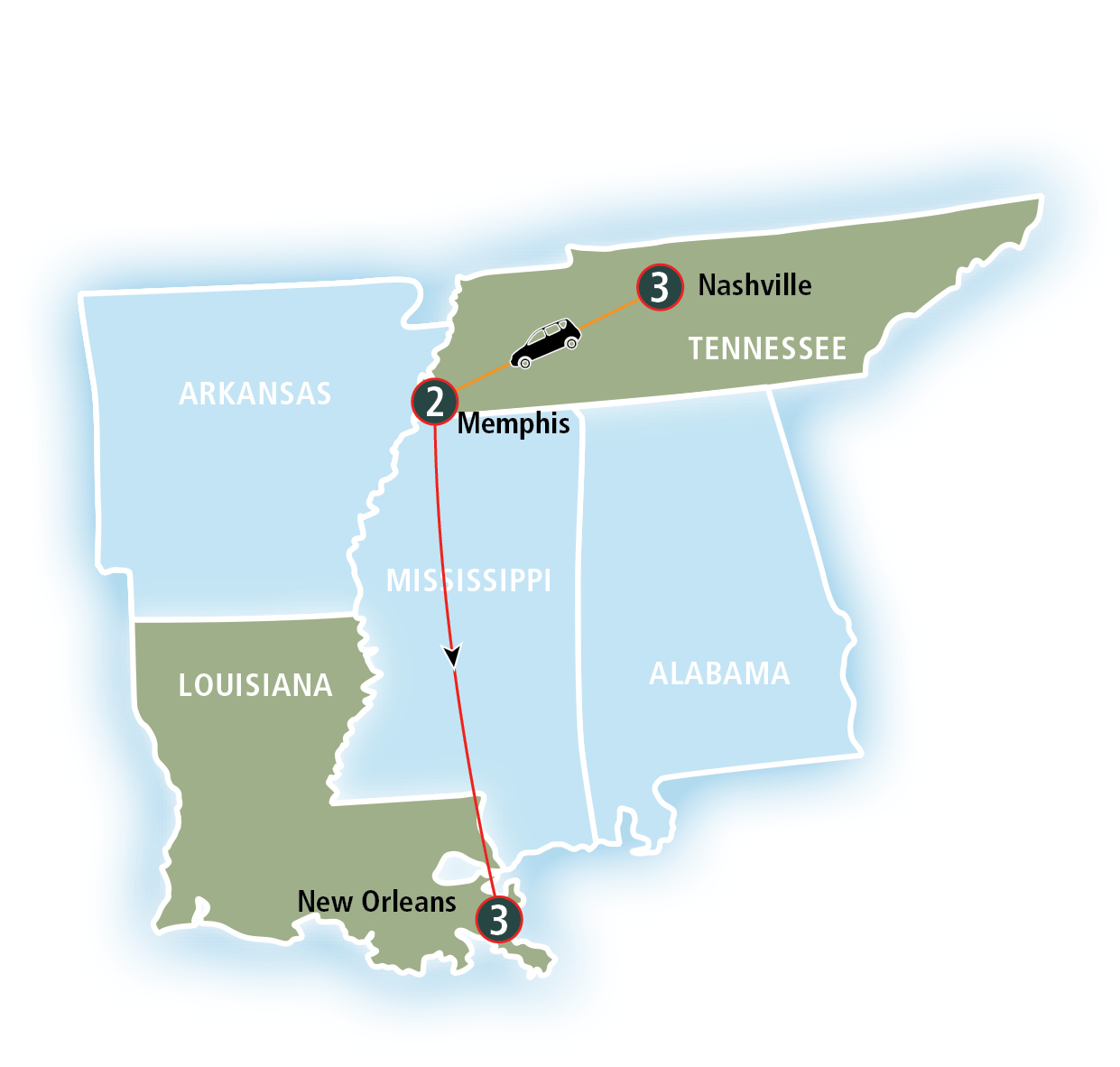
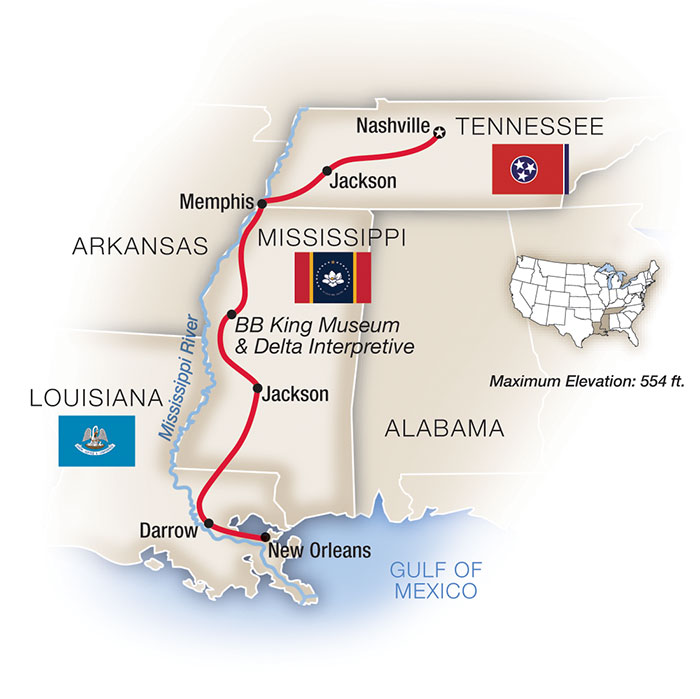
The most straightforward answer to “How far is [Nashville] from [New Orleans]?” involves the primary interstate highways that link these two musical and culinary meccas. The most common and efficient route typically utilizes Interstate 65 South for a substantial portion of the journey, eventually merging with other highways as you approach the Gulf Coast.
Mileage Breakdown
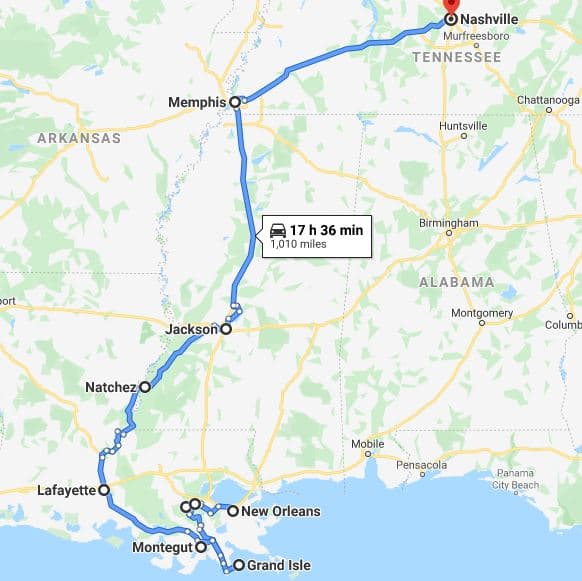
The total driving distance between Nashville and New Orleans is approximately 550 miles. This figure can vary slightly depending on the exact starting and ending points within each city, as well as the specific GPS navigation used. However, for general planning purposes, the 550-mile mark serves as a reliable benchmark.
Estimated Driving Duration
Under ideal conditions, with minimal traffic and without significant stops, the drive can take around 8 to 9 hours. This estimate accounts for the legal speed limits and the time required to navigate through both urban areas. It’s important to note that this is a pure driving time and does not include any breaks for meals, rest, or sightseeing.
Factors Affecting Travel Time
Several factors can influence the actual time it takes to complete the drive:
- Traffic Conditions: Both Nashville and New Orleans are major metropolitan areas, and traffic congestion, especially during peak hours, can add considerable time to your journey. Driving through these cities during morning or evening commutes will likely extend your travel duration.
- Road Construction: As with any major highway system, construction projects are common and can lead to detours or significant slowdowns. It is advisable to check real-time traffic reports before and during your trip to stay informed about any potential delays.
- Weather: Inclement weather, such as heavy rain, fog, or even snow and ice in the winter months (though less common in this region), can drastically reduce visibility and speed limits, leading to longer travel times.
- Stops and Breaks: A trip of this length necessitates several stops for fuel, food, and rest. Planning these stops strategically can help maintain a steady pace and prevent fatigue. The 8-9 hour estimate is based on minimal stops.
Alternative Transportation Methods
While driving is the most popular method for traveling between Nashville and New Orleans, other transportation options are available, each with its own set of advantages and considerations.
Flying
For those prioritizing speed and efficiency, flying is a viable option.
Airports
- Nashville International Airport (BNA): Serves as the primary airport for Nashville.
- Louis Armstrong New Orleans International Airport (MSY): The main airport for New Orleans.
Flight Duration and Logistics
Direct flights between BNA and MSY are relatively short, typically lasting around 1 hour and 15 minutes to 1 hour and 30 minutes. However, this does not include the time spent traveling to and from the airports, check-in procedures, security screening, and potential flight delays. When factoring in all these elements, the total travel time for a flight can be comparable to or even exceed driving time, especially for travelers who prefer to avoid the airport hustle.
Train Travel
Amtrak offers a scenic and more relaxed way to travel between these two cities, though it is generally the slowest option.
Amtrak Routes and Schedules
The Amtrak route connecting Nashville and New Orleans is a journey that traverses through picturesque landscapes. The train typically departs from Nashville’s Union Station and arrives at New Orleans’ Union Passenger Terminal.
Travel Time and Experience
The train journey is significantly longer than driving or flying, often taking around 11 to 14 hours to complete. While this may seem extensive, it offers passengers the opportunity to relax, enjoy the scenery, and avoid the stresses of driving or navigating airports. Sleeper car options are available for those who wish to make the overnight journey more comfortable.
Bus Services
Several intercity bus companies operate routes between Nashville and New Orleans, providing a budget-friendly transportation alternative.
Bus Companies and Routes
Companies like Greyhound and Megabus often provide direct services. The routes typically follow similar paths to the driving routes, with numerous stops along the way.
Duration and Comfort
Bus travel is generally longer than driving, with travel times often ranging from 10 to 12 hours, depending on the number of stops and traffic. While comfort levels can vary, modern buses are equipped with amenities such as Wi-Fi and onboard restrooms.
Planning Your Road Trip: Stops and Experiences
The drive between Nashville and New Orleans offers a fantastic opportunity to experience the diverse landscapes and cultural offerings of the Deep South. Planning strategic stops can transform a long drive into an enriching adventure.
Key Cities and Towns Along the Route
Several notable cities and towns lie along the I-65 S corridor, offering unique attractions and a glimpse into regional life.
Birmingham, Alabama
Approximately halfway between Nashville and New Orleans, Birmingham, Alabama, is a city with a rich industrial history and a significant role in the Civil Rights Movement.
- Civil Rights Landmarks: Visitors can explore the Birmingham Civil Rights Institute, the 16th Street Baptist Church, and the Kelly Ingram Park.
- Vulcan Park and Museum: Offers panoramic views of the city and a fascinating look at its iron and steel heritage.
Montgomery, Alabama
Further south in Alabama, Montgomery is another city steeped in history, particularly related to the Civil Rights era.
- Rosa Parks Museum: Located at the site of her historic arrest.
- Dexter Avenue King Memorial Baptist Church: Where Dr. Martin Luther King Jr. once served as pastor.
- Civil Rights Memorial Center: Honoring the martyrs of the movement.
Mobile, Alabama
As you approach the Gulf Coast, Mobile, Alabama, offers a distinct coastal charm.
- USS Alabama Battleship Memorial Park: Home to the WWII battleship USS Alabama and a submarine.
- Historic Downtown: Features beautiful architecture and the site of the first Mardi Gras celebration in the United States.
Natural Wonders and Scenic Drives
Beyond the cities, the landscape transforms, offering opportunities to appreciate the natural beauty of the region.
- The Gulf Coast: As you near New Orleans, you’ll traverse parts of the scenic Gulf Coast, with potential for coastal views and a change in vegetation.
- Mississippi Swamplands: The final leg of the journey into New Orleans often involves driving through portions of the unique Mississippi Delta and its iconic swamplands, offering a starkly different but equally captivating environment.
Final Considerations for Your Journey
When planning your travel between Nashville and New Orleans, several practical considerations can enhance your experience.
Best Time to Travel
The spring (March to May) and fall (September to November) months generally offer the most pleasant weather for driving or outdoor activities in both cities. Summers can be quite hot and humid, while winters are mild but can occasionally bring rain or cold fronts.
Packing Essentials
Regardless of the season, it’s wise to pack for varying temperatures, especially when considering the diverse climates of Tennessee and Louisiana. Comfortable walking shoes are a must for exploring either city. For road trips, ensure your vehicle is in good condition, and carry essentials like a first-aid kit, car charger, and snacks.
Accommodation Options
Both Nashville and New Orleans offer a wide array of accommodation choices, from luxury hotels and boutique inns to budget-friendly motels and vacation rentals. Booking in advance is recommended, especially during peak tourist seasons or for major events. Popular areas in New Orleans include the French Quarter, the Garden District, and the Arts/Warehouse District, each offering a distinct atmosphere and proximity to different attractions.
Budgeting for the Trip
Your budget will largely depend on your chosen mode of transportation, accommodation style, and planned activities. Factor in costs for fuel, potential tolls, meals, lodging, and attractions in both cities. Driving offers more flexibility in controlling expenses, while flying might require a larger upfront cost but can save time.
In conclusion, the distance between Nashville and New Orleans is a manageable 550 miles, typically a 8-9 hour drive. This journey, however, is more than just miles; it’s an invitation to explore the heart of the American South, rich with history, music, and unparalleled culture. Whether you choose to drive, fly, or take the train, the path between these two iconic cities promises a memorable travel experience.
LifeOutOfTheBox is a participant in the Amazon Services LLC Associates Program, an affiliate advertising program designed to provide a means for sites to earn advertising fees by advertising and linking to Amazon.com. Amazon, the Amazon logo, AmazonSupply, and the AmazonSupply logo are trademarks of Amazon.com, Inc. or its affiliates. As an Amazon Associate we earn affiliate commissions from qualifying purchases.