
New Hampshire, the “Granite State,” beckons travelers with its stunning natural beauty, charming towns, and a rich tapestry of history, all within a convenient distance from the vibrant city of Boston. For those looking to escape the urban bustle and explore the diverse offerings of the Northeast, understanding the proximity and travel dynamics between Boston and New Hampshire is key to planning an unforgettable journey. This guide delves into the distances, travel times, and the myriad of experiences awaiting you just a short drive north.
Proximity and Primary Travel Routes
The distance from Boston to New Hampshire is not a single, fixed measurement but rather a spectrum, depending on the specific destination within the Granite State you aim to reach. New Hampshire shares a significant border with Massachusetts, making many of its southern regions exceptionally accessible.

Southern New Hampshire Hubs
For many travelers, the first introduction to New Hampshire from Boston is through its southern counties, which are dotted with popular destinations.
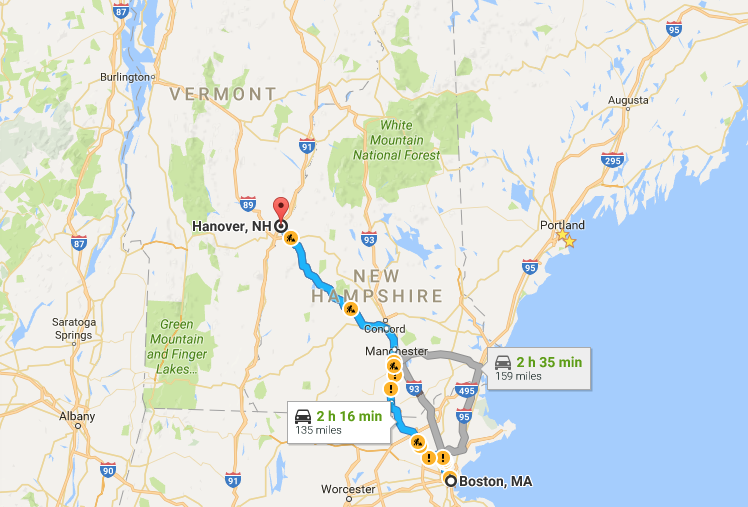
- Portsmouth: This historic coastal city is a perennial favorite. The drive from Boston to Portsmouth is approximately 60 miles and typically takes around 1 hour and 15 minutes, traffic permitting. The primary route is I-95 North, a straightforward and well-maintained highway. Portsmouth offers a delightful blend of maritime history, a thriving arts scene, and exceptional culinary experiences, making it an ideal day trip or weekend getaway.
- Manchester: As New Hampshire’s most populous city, Manchester serves as a significant hub. It is located roughly 55 miles north of Boston, with a travel time of about 1 hour via I-93 North. Manchester boasts a revitalized downtown area along the Merrimack River, featuring museums, performance venues, and a growing culinary landscape. Its proximity makes it an excellent starting point for exploring the central and western parts of the state.
- Nashua: Situated just south of Manchester, Nashua is another accessible city. The distance from Boston is around 40 miles, and the journey usually takes about 45 minutes to an hour, again via I-93 North. Nashua offers a family-friendly atmosphere with parks, shopping, and a historic downtown, making it a convenient option for those seeking a quicker escape.
Central and Western New Hampshire
Venturing further into New Hampshire opens up a world of natural wonders and recreational opportunities.
- Concord: The state capital, Concord, is located about 70 miles north of Boston, with a travel time of approximately 1 hour and 15 minutes to 1 hour and 30 minutes via I-93 North. Concord offers a glimpse into New Hampshire’s political history with its State House and provides access to the picturesque New Hampshire Lakes Region.
- The Lakes Region (e.g., Lake Winnipesaukee): To reach the heart of the Lakes Region, such as the area around Lake Winnipesaukee, the distances increase. Towns like Meredith or Wolfeboro are roughly 90-100 miles from Boston, with travel times ranging from 1 hour and 45 minutes to 2 hours, primarily using I-93 North and then state routes. This region is renowned for its water activities, scenic drives, and charming lakeside communities.
- White Mountains National Forest: For those seeking dramatic mountain landscapes, the White Mountains National Forest is a prime destination. Major gateways like North Conway are about 120-140 miles from Boston, requiring a drive of 2.5 to 3 hours via I-93 North and then scenic routes like NH-16 East. This expansive forest offers hiking, skiing, scenic byways like the Kancamagus Highway, and breathtaking vistas.
Factors Influencing Travel Time
While the mileage provides a baseline, several factors can significantly influence the actual time it takes to travel from Boston to New Hampshire.
Traffic Conditions
Boston is notorious for its traffic, and this can greatly impact travel times, especially during peak hours. Weekday commutes can add considerable minutes, or even hours, to a journey heading out of the city, particularly on major arteries like I-95 and I-93. Weekend travel can also be heavy, especially on Friday afternoons as people head out of town, and Sunday evenings as they return. Planning your departure and return times strategically can make a substantial difference.
Time of Year and Weather
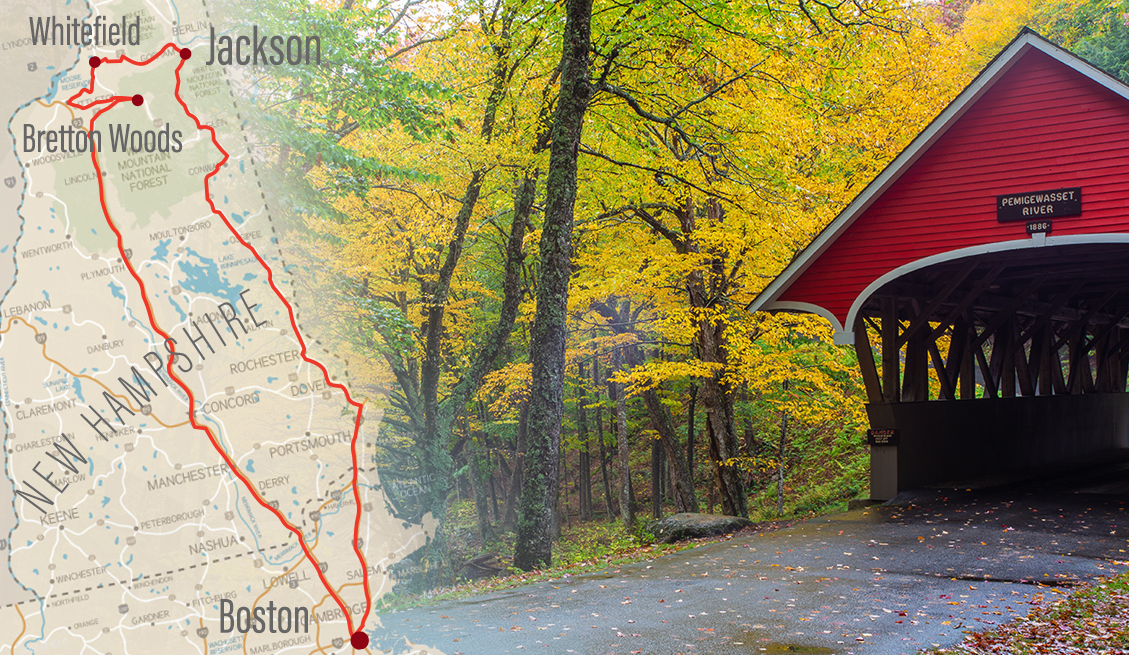
The season plays a crucial role in both the accessibility and the overall experience of traveling to New Hampshire.
- Summer: This is a popular time for exploring the Lakes Region and the coast. Roads are generally clear, but popular attractions can be crowded, leading to slower local travel.
- Fall Foliage Season: Autumn, typically from late September to mid-October, draws immense crowds to New Hampshire, particularly the White Mountains, for the spectacular fall colors. Expect significant traffic delays on scenic routes and around popular viewing spots. Booking accommodations and planning activities well in advance is essential during this period.
- Winter: Snowfall can impact travel, especially in the more northern and mountainous areas. While major highways are usually well-plowed, secondary roads can become challenging. Ski resorts in the White Mountains are a major draw, and travelers should always check weather and road conditions before heading out. Driving speeds may need to be reduced, and tire chains or snow tires can be advisable.
- Spring: While generally a quieter season, spring can bring unpredictable weather, including late snowfalls or muddy conditions on unpaved roads, particularly in rural areas.
Mode of Transportation
The choice of transportation also affects the travel experience.
- Personal Vehicle: This offers the most flexibility, allowing you to explore at your own pace and access more remote locations. However, it also means navigating traffic and parking.
- Public Transportation: While not as extensive as in major metropolitan areas, some public transport options exist. Amtrak offers services from Boston’s South Station to cities like Dover and Durham in New Hampshire, providing a relaxed way to reach the southern part of the state. Regional bus services also connect Boston with various New Hampshire towns. However, public transport limits your ability to explore once you arrive at your destination, often requiring local taxis or ride-sharing services.
- Ride-Sharing Services/Taxis: For shorter distances or specific point-to-point trips, these can be convenient, but the cost can quickly escalate for longer journeys into New Hampshire.
Planning Your New Hampshire Excursion from Boston
Understanding the distances and travel dynamics is the first step in crafting a successful New Hampshire adventure from Boston. Whether you’re looking for a quick day trip to the coast or a longer immersion into the mountains, New Hampshire offers a refreshing contrast to the urban environment.
Day Trips and Weekend Getaways
The close proximity of southern New Hampshire makes it ideal for day trips.
- Coastal Charm: A drive to Portsmouth for a day of exploring its historic streets, visiting Strawbery Banke Museum, and enjoying a seafood lunch is a classic choice. The easy drive allows for ample time to soak in the atmosphere without feeling rushed.
- Inland Exploration: A visit to Manchester to explore the Currier Museum of Art or a drive through the rolling hills of southern New Hampshire can also fill a fulfilling day.
For weekend getaways, the possibilities expand significantly. Consider heading to the Lakes Region for boating and water sports, or venturing into the White Mountains for hiking and scenic drives. A weekend allows you to experience more of what these diverse regions have to offer without the pressure of returning to Boston each evening.
Extended Stays and Themed Itineraries
For those with more time, New Hampshire offers opportunities for more in-depth exploration.
- The Scenic Route: Dedicate several days to exploring the Kancamagus Highway and its surrounding trails, stopping at scenic overlooks and quaint mountain towns.
- A Taste of New Hampshire: Plan a culinary tour, starting with the fresh seafood of the coast in Portsmouth, moving inland for farm-to-table experiences in the Concord area, and sampling local breweries and eateries throughout your journey.
- Historical Immersion: Trace New Hampshire’s history from the colonial era in Portsmouth to its industrial past in Manchester, and its role as a political center in Concord.
By considering the distances, factoring in potential travel delays, and aligning your plans with the seasonal offerings, you can effortlessly transition from the energy of Boston to the serene landscapes and charming communities of New Hampshire. The Granite State is a readily accessible and rewarding destination, promising diverse experiences for every type of traveler.
LifeOutOfTheBox is a participant in the Amazon Services LLC Associates Program, an affiliate advertising program designed to provide a means for sites to earn advertising fees by advertising and linking to Amazon.com. Amazon, the Amazon logo, AmazonSupply, and the AmazonSupply logo are trademarks of Amazon.com, Inc. or its affiliates. As an Amazon Associate we earn affiliate commissions from qualifying purchases.