
The relationship between New Jersey and New York is often misunderstood, with many travelers and even some locals perceiving them as distant entities. In reality, these two vibrant states share a border and an incredibly intricate, often seamless, network of connections that make them practically inseparable. When people ask, “How far is New Jersey from New York?”, they are typically referring to the proximity of New Jersey’s most populous areas to New York City, particularly Manhattan. The answer isn’t a simple mileage figure, but rather a dynamic interplay of geography, advanced transportation infrastructure, and the distinct lifestyles each offers. From bustling commuter hubs to serene natural escapes, the journey between these states is more often measured in minutes of travel time than in miles, opening up a world of travel, tourism, and accommodation possibilities for every type of explorer.
The Proximity Paradox: Decoding the Distance
The perceived distance between New Jersey and New York is truly a paradox. Geographically, they are neighbors, separated only by the mighty Hudson River. Yet, the bustling energy of New York City often makes it feel like a world away from the Garden State’s diverse landscapes. Understanding this relationship requires a closer look at specific regions and the unique urban fabric that defines this megalopolitan area.
New York City vs. New York State & New Jersey Regions
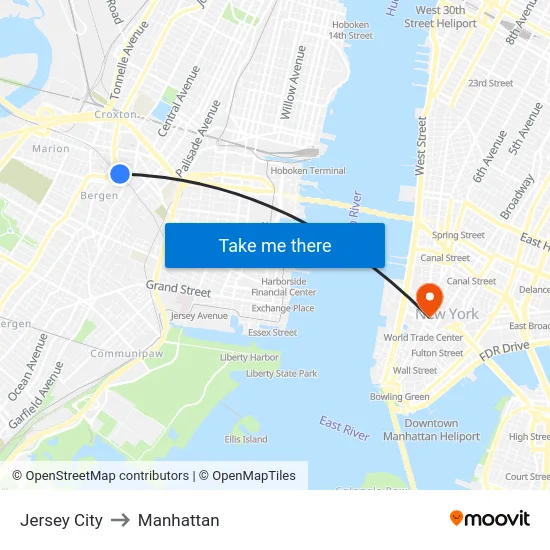
Most inquiries about the distance between New Jersey and New York implicitly refer to New York City. While New York State stretches far north to the Canadian border, the focal point for cross-state travel and commerce is almost exclusively its eponymous metropolis. The closest areas of New Jersey to Manhattan are found in what is commonly known as North Jersey. Here, cities like Jersey City and Hoboken sit directly across the Hudson River from Manhattan, offering stunning skyline views and astonishingly short commute times.
For instance, the distance from downtown Jersey City to Lower Manhattan is less than two miles as the crow flies, translating to a quick train ride. Even parts of Central New Jersey, while further afield, are well-connected to New York City via robust public transit networks, making day trips or even daily commutes feasible. The actual mileage is often less important than the efficiency and convenience of the transit options available, which vary dramatically depending on your precise starting and ending points.
Gateway Cities and Commuter Hubs
The proximity of North Jersey to Manhattan has fostered the growth of several “gateway cities” that serve as vital commuter hubs and attractive destinations in their own right. Jersey City and Hoboken are prime examples, boasting vibrant waterfronts, thriving culinary scenes, and easy access to New York City. These cities are not just bedroom communities; they offer distinct urban experiences, from the historic brownstones of Hoboken to the rapidly developing high-rises and arts districts of Jersey City.
Newark, home to Newark Liberty International Airport, also serves as a critical entry point. While slightly further than Jersey City or Hoboken, Newark provides direct rail links to New York Penn Station in Manhattan, making it a strategic location for travelers flying into the region or seeking more budget-friendly accommodation options without sacrificing accessibility. These gateway cities effectively shrink the perceived distance, proving that New Jersey is, in many respects, just an extension of the greater New York City metropolitan area.
Navigating the Nexus: Travel Options Between States
The seamless movement between New Jersey and New York City is facilitated by an impressive array of transportation methods, catering to various needs, budgets, and preferences. Whether you prioritize speed, cost-effectiveness, or scenic views, there’s a travel option perfectly suited for your bi-state adventure.
Public Transportation: Efficient and Accessible
For most travelers and daily commuters, public transportation is the preferred method for crossing the Hudson River. It offers a cost-effective, relatively quick, and stress-free alternative to driving, especially given New York City’s notorious traffic and parking challenges.
The PATH Train (Port Authority Trans-Hudson) is arguably the most vital link. Operating 24/7, this subway system connects key New Jersey hubs like Journal Square and Hoboken Terminal, and Newark Penn Station with several Manhattan destinations. In Lower Manhattan, it provides direct access to the World Trade Center Transportation Hub, a marvel of modern architecture and a gateway to the financial district and 9/11 Memorial. Further uptown, PATH stations at Christopher Street, 9th Street, 14th Street, 23rd Street, and 33rd Street (serving Herald Square) put you right in the heart of various Manhattan neighborhoods, from the vibrant West Village to the bustling shopping districts. Fares are affordable, making it a popular choice for both residents and tourists.
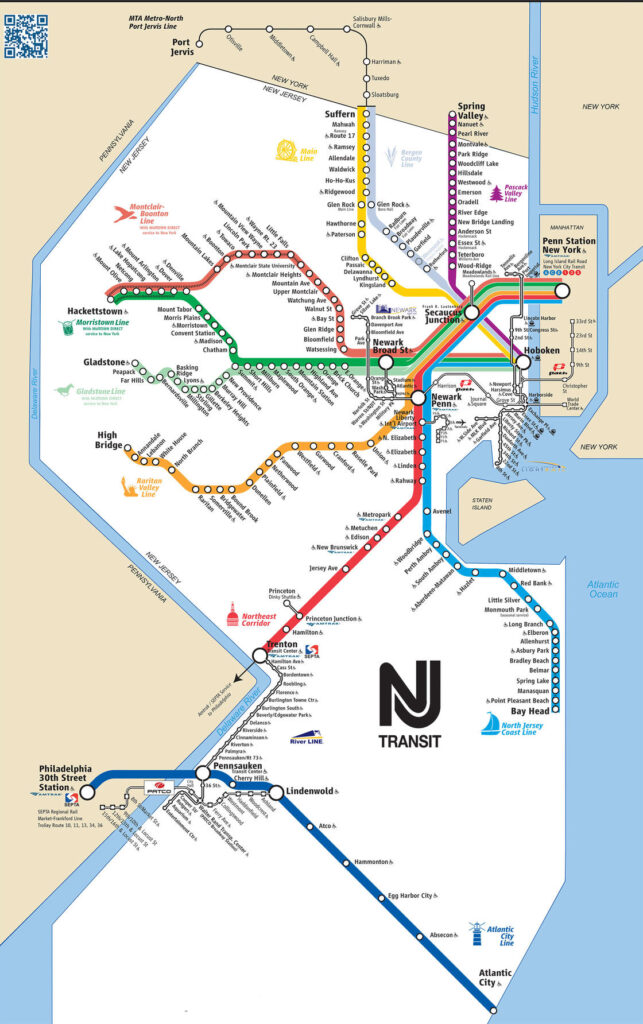
NJ Transit, New Jersey’s statewide public transportation system, offers an extensive network of commuter rail and bus services. Multiple rail lines, including the Northeast Corridor, North Jersey Coast Line, and Midtown Direct routes, bring passengers directly to New York Penn Station on 34th Street in Manhattan, placing them within walking distance of Times Square and the Theater District. NJ Transit buses also crisscross the state, many terminating at the colossal Port Authority Bus Terminal near Times Square, providing another convenient option, especially for those in areas not served by rail.
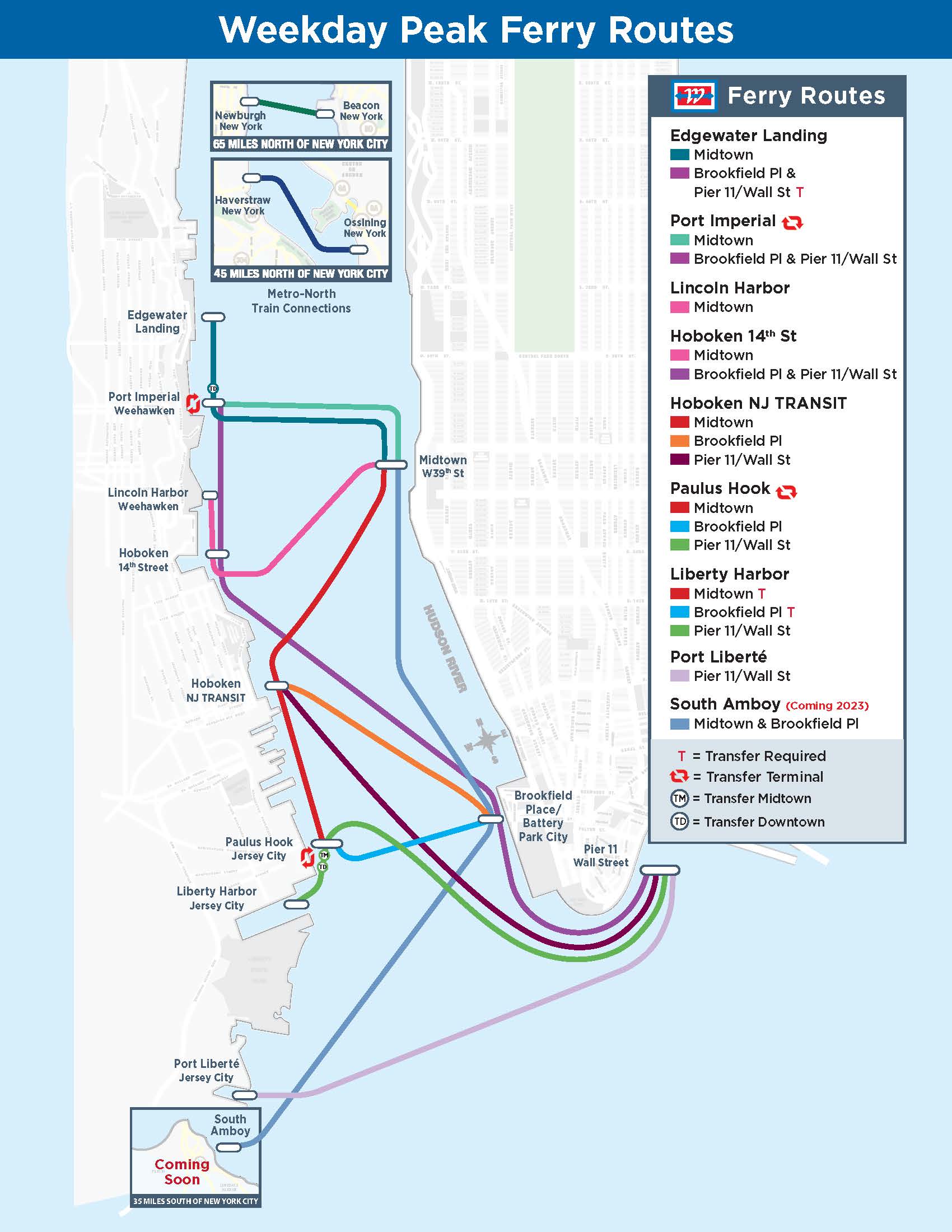
For a more picturesque journey, Ferries offer a fantastic alternative. Various ferry services, such as NY Waterway, operate from waterfront communities in New Jersey like Hoboken, Jersey City, and Weehawken, transporting passengers across the Hudson to several Manhattan terminals, including Pier 11 (Wall Street), Battery Park City, and Midtown (W. 39th St.). Beyond their efficiency, these ferry rides provide unparalleled, breathtaking views of the iconic Manhattan skyline and the Statue of Liberty, transforming a commute into a scenic tour.
Driving: Flexibility with Challenges
Driving offers the greatest flexibility, allowing for direct, door-to-door travel and the freedom to explore destinations off the main public transit routes. However, it comes with significant caveats, especially when heading into New York City.
Several key crossings connect New Jersey to Manhattan: the Holland Tunnel (connecting Jersey City to Lower Manhattan), the Lincoln Tunnel (connecting Weehawken to Midtown Manhattan), and the majestic George Washington Bridge (connecting Fort Lee to Upper Manhattan). These engineering marvels are efficient, but travelers must be prepared for notorious traffic congestion, particularly during rush hours. A trip that might take 15-20 minutes in off-peak times can easily stretch to an hour or more during peak periods.
Adding to the challenge are the significant tolls required to cross into New York and the exorbitant costs and scarcity of parking in New York City. These factors often make driving an impractical or expensive option for visits centered around Manhattan attractions.
However, driving becomes indispensable when exploring the broader reaches of New Jersey or venturing into parts of New York State not easily accessible by train or bus, such as the picturesque Hudson Valley or the Catskill Mountains. For excursions that involve multiple stops or require carrying a lot of gear, a car provides unmatched convenience. It’s crucial to factor in potential delays and costs when incorporating driving into your travel plans.
Beyond the Commute: Exploring Attractions and Lifestyle
The close proximity of New Jersey and New York doesn’t just facilitate commutes; it unlocks a vast tapestry of attractions, diverse lifestyles, and unique cultural experiences that travelers can seamlessly weave into a single itinerary. This bi-state region truly offers something for everyone, from the urban adventurer to the nature enthusiast.
New Jersey’s Charms: More Than Just a Commuter State
Often overshadowed by its famous neighbor, New Jersey is a treasure trove of destinations waiting to be discovered. It’s far more than just a commuter state; it’s a vibrant hub of history, culture, entertainment, and natural beauty.
Urban Gems: Beyond their role as commuter hubs, Jersey City and Hoboken offer distinct urban experiences. In Jersey City, Liberty State Park is a must-visit, providing not only breathtaking views of the Manhattan skyline and the Statue of Liberty but also access to the profoundly moving Empty Sky 9/11 Memorial. From here, ferries depart for Ellis Island and Liberty Island, making it an ideal starting point for exploring these iconic landmarks. Hoboken, with its charming brownstones, lively Washington Street, and picturesque waterfront promenade, offers a more intimate, European-esque atmosphere perfect for strolling and dining.
Coastal Escapes: Travel south along the Garden State Parkway, and New Jersey reveals its stunning coastline. Atlantic City is synonymous with its bustling Boardwalk, vibrant casinos, and live entertainment, providing a lively resort experience. Further south, the quaint town of Cape May offers a completely different vibe, with its impeccably preserved Victorian architecture, pristine beaches, and charming bed-and-breakfasts. It’s a perfect destination for a relaxing getaway or a dive into history.
Natural Beauty: For those seeking the tranquility of nature, New Jersey delivers with attractions like the magnificent Delaware Water Gap National Recreation Area, offering hiking, fishing, and breathtaking scenery. The mysterious and sprawling Pine Barrens provide a unique ecosystem for exploration, with its dense forests, cranberry bogs, and distinct folklore.
Shopping and Entertainment: The American Dream Mall in East Rutherford is a colossal entertainment and retail complex, featuring indoor theme parks, a water park, an ice rink, and countless shops, making it a destination in itself for families and shoppers.
New York City’s Irresistible Allure
While New Jersey offers its own distinct appeal, the gravitational pull of New York City remains undeniable. Its proximity means that all its world-famous attractions are within easy reach for anyone based in New Jersey. Visitors can effortlessly immerse themselves in the urban wonders that define the Big Apple. From Times Square’s dazzling lights to the serene expanse of Central Park, from the world-class performances on Broadway to the unparalleled collections along Museum Mile, the iconic landmarks and cultural experiences of New York City are just a short journey across the river. This accessibility makes a bi-state trip an incredibly rich travel experience, combining the best of both worlds.
Accommodation and Lifestyle Choices
The proximity of New Jersey to New York City also creates interesting options for accommodation and defines various lifestyle choices.
Hotels in New Jersey: For many travelers, especially those on a budget or seeking more space, staying in New Jersey cities like Jersey City, Hoboken, or Newark can be a smart move. Hotels, suites, and apartments here are often significantly more affordable than comparable options in Manhattan, yet offer excellent access to New York City via public transit. This allows for a luxurious travel experience at a fraction of the cost or frees up budget for more activities and dining.
Luxury vs. Budget Travel: Whether you’re planning a luxury travel escape or a budget-conscious trip, the bi-state region caters to all. New Jersey provides a strategic base for accessing New York City’s opulence while keeping lodging expenses in check. Conversely, opting for high-end resorts or boutique hotels in New Jersey can provide amenities and experiences that are uniquely Garden State, such as beachfront resorts along the coast.
Long-term Stays and Business Trips: For business travelers or those planning long-term stays, New Jersey offers a broader range of apartment rentals and extended-stay options. This can be particularly appealing for family trips that require more space and comfort than a typical New York City hotel room. The quieter atmosphere of many New Jersey neighborhoods also provides a welcome respite after a day exploring the bustling streets of Manhattan.
Food & Culture: Both states boast incredibly diverse culinary scenes, influenced by their rich immigrant histories. From Michelin-starred restaurants in New York City to authentic ethnic eateries in Jersey City’s Journal Square or Edison, food lovers will find endless opportunities to explore local culture through its flavors.
Planning Your Bi-State Adventure: Tips for Travelers
Making the most of your visit to the New Jersey and New York metropolitan area involves strategic planning, especially concerning transportation and timing. With a little foresight, you can smoothly navigate between these two dynamic states and maximize your travel experiences.
Navigating Peak Times and Events
Understanding the rhythm of the region is key. Commuter rush hours (typically 6:00 AM – 9:00 AM and 4:00 PM – 7:00 PM on weekdays) significantly impact travel times, particularly when using tunnels, bridges, and even some public transit lines. If your itinerary allows, try to schedule your crossings outside of these peak periods.
Major events in New York City, such as the Macy’s Thanksgiving Day Parade, New Year’s Eve celebrations in Times Square, or large sporting events at venues like MetLife Stadium (conveniently located in New Jersey), can also dramatically affect traffic and public transit crowding. Always check schedules and advisories in advance. For specific tourism tips, booking tours and attractions in advance, especially during peak season, is highly recommended to avoid long lines and ensure availability.
Smart Ticketing and Travel Passes
Embrace the convenience of modern ticketing systems. For seamless travel on New York City’s subways and buses, consider purchasing a MetroCard (which can now be tapped with OMNY contactless payment for most fares). For the PATH Train, a SmartLink card or a standard MetroCard (if loaded with value, not unlimited rides) works. NJ Transit has its own convenient mobile app for purchasing train and bus tickets, eliminating the need for paper tickets. Planning which pass or card best suits your travel frequency can lead to significant savings and convenience.
Balancing Exploration and Relaxation
To truly appreciate the diverse offerings of this region, consider an itinerary that balances the frenetic energy of New York City with the more relaxed or distinct experiences found in New Jersey. Perhaps spend a few days exploring Manhattan’s iconic sights, then retreat to a charming hotel in Hoboken or a cozy bed-and-breakfast in Cape May for a change of pace. Incorporating elements of luxury travel, like a fine dining experience in NYC, with budget travel strategies, such as utilizing affordable New Jersey accommodation, allows for a comprehensive and well-rounded trip. Whether it’s a family trip focused on entertainment or a business stay requiring efficient transit, the area’s versatility accommodates every need.
In conclusion, the question “How far is New Jersey from New York?” is best answered not in miles, but in the effortless accessibility and diverse experiences that define this dynamic region. Far from being distant, these two states are intricately linked, offering a seamless blend of urban excitement, cultural richness, natural beauty, and a wide array of accommodation and lifestyle choices. Whether you’re a first-time visitor or a seasoned traveler, the journey between New Jersey and New York promises a memorable adventure, just a short ride away.
LifeOutOfTheBox is a participant in the Amazon Services LLC Associates Program, an affiliate advertising program designed to provide a means for sites to earn advertising fees by advertising and linking to Amazon.com. Amazon, the Amazon logo, AmazonSupply, and the AmazonSupply logo are trademarks of Amazon.com, Inc. or its affiliates. As an Amazon Associate we earn affiliate commissions from qualifying purchases.