
The vast, arid landscapes and vibrant cultural tapestries of the American Southwest beckon countless travelers annually. For those planning an adventure to this captivating region, a fundamental question often arises: “How far is New Mexico from Arizona?” While these two states share an extensive border, the answer is far more nuanced than a simple mileage number. It depends entirely on your starting point in one state and your intended destination in the other, impacting everything from driving time to the scenic journey you’ll embark upon. Understanding this proximity is key to planning an efficient and enriching travel experience.
Navigating the Proximity: Understanding the Shared Border
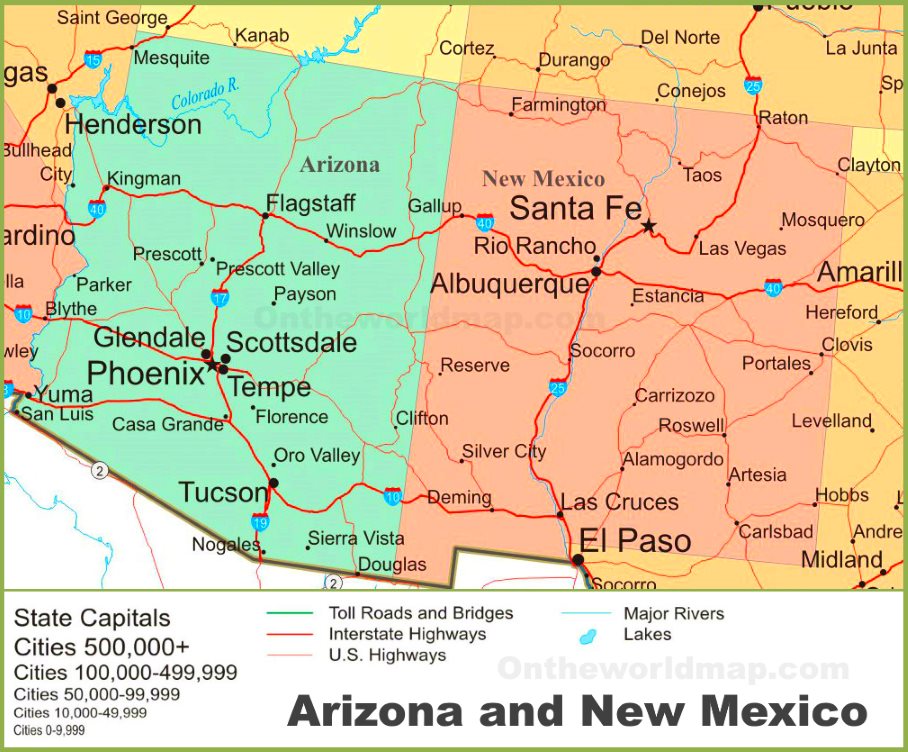
New Mexico and Arizona share a significant north-south border, primarily defined by the 109th meridian west. This geographical reality means that while the states are direct neighbors, the distance between specific cities can range from mere minutes to a full day’s drive. The sheer size of both states dictates that a journey from a western Arizona city to an eastern New Mexico city will be considerably longer than traversing the distance between border towns.
The Border Region: A Natural Gateway
The shared border itself is a region of immense natural beauty and cultural significance. Much of it runs through the Navajo Nation and other tribal lands, offering a glimpse into indigenous heritage and stunning desert vistas. For travelers, this means that passing directly from one state to the other can be an immersive experience in itself, with opportunities to explore unique landscapes and communities situated on both sides of the state line. Towns like Gallup in New Mexico are often considered gateways to Arizona’s eastern reaches, and vice-versa. Understanding this shared boundary is the first step in appreciating the travel potential between these two remarkable states.
Key Routes and Driving Distances Between Major Cities
For most travelers, the question of distance translates directly into driving time and the major interstate highways that connect the states. The primary arteries are Interstate 40 traversing east-west through the northern parts of both states, and Interstate 10 running east-west through their southern sections.
Northern Corridor: Connecting Cities via I-40
The Interstate 40 corridor is arguably the most traveled route between Arizona and New Mexico. It links major hubs and tourist destinations, making it a popular choice for those exploring the Grand Canyon National Park region and central New Mexico.
- Phoenix, Arizona to Albuquerque, New Mexico: This is one of the most common routes. The distance is approximately 420-470 miles, depending on the specific route taken (often involving a combination of I-17 N and I-40 E). Driving time typically ranges from 6.5 to 8 hours without significant stops. This route often passes near Flagstaff and through areas rich in Route 66 history.
- Flagstaff, Arizona to Albuquerque, New Mexico: A more direct route on Interstate 40. This journey covers approximately 320 miles and takes about 4.5 to 5.5 hours. It’s a popular choice for travelers heading to the Grand Canyon National Park from New Mexico or vice-versa. Along this route, travelers can stop at Petrified Forest National Park in Arizona and pass through Gallup, New Mexico.
- Tucson, Arizona to Santa Fe, New Mexico: This longer journey covers approximately 550-600 miles and requires around 8.5 to 10 hours of driving. It typically involves Interstate 10 to Interstate 25 in New Mexico.
Southern Corridor: Connecting Cities via I-10
The Interstate 10 corridor connects the southern regions of both states, offering a different set of attractions and landscapes.
- Tucson, Arizona to Las Cruces, New Mexico: This is a direct drive along Interstate 10, spanning roughly 260 miles. The driving time is typically 3.5 to 4 hours, making it one of the more accessible cross-state trips. This route is known for its expansive desert views and proximity to the Organ Mountains-Desert Peaks National Monument in New Mexico.
- Phoenix, Arizona to Las Cruces, New Mexico: This route covers about 360-380 miles and takes approximately 5.5 to 6.5 hours via Interstate 10.
It’s crucial to account for potential delays from traffic, weather conditions (especially during monsoon season or winter in higher elevations), and necessary stops for fuel, food, and rest.

Planning Your Cross-State Travel: Beyond the Mileage
While mileage and driving time are primary considerations, a successful journey between New Mexico and Arizona involves more than just punching coordinates into a GPS. Thoughtful planning can transform a simple transit into an unforgettable travel experience.
Time Zone Considerations
One often-overlooked detail is the time zone difference. Most of Arizona does not observe Daylight Saving Time, remaining on Mountain Standard Time (MST) year-round. New Mexico observes Mountain Time (MT) and does switch to Daylight Saving Time. This means for roughly half the year (spring through fall), New Mexico is an hour ahead of Arizona. During the winter months, both states are on the same time. This time difference can impact arrival times, booking schedules, and coordination, so it’s essential to be aware of it. The Navajo Nation, which spans parts of both states, does observe Daylight Saving Time.
Scenic Alternatives and Road Trips
For travelers not solely focused on speed, there are numerous scenic routes that, while taking longer, offer unparalleled beauty and unique attractions. Instead of strictly sticking to the interstates, consider detouring onto historic Route 66 segments in both states, or exploring state highways that wind through national forests and tribal lands.
- North via Highway 491/64: For those traveling between destinations like Farmington, New Mexico and the northeast Arizona region near Canyon de Chelly National Monument, smaller highways offer direct access and stunning views of the Navajo Nation and Zuni Pueblo lands. These routes might involve less traffic but require careful attention to fuel stops and services.
- South via State Roads: For journeys between southeastern Arizona and southwestern New Mexico, roads near the Gila National Forest offer a more remote and picturesque experience, albeit on less-traveled roads.
Incorporating these scenic drives can turn the journey itself into a highlight of your Southwest itinerary, allowing for stops at lesser-known natural wonders and cultural sites.
Beyond the Journey: Destinations and Experiences
The true value of understanding the distance between New Mexico and Arizona lies in the incredible destinations and experiences that await on either side. These two states are treasure troves of outdoor adventure, rich history, and vibrant art scenes.
Arizona’s Allure
From the iconic chasm of the Grand Canyon National Park and the red rock spiritual vortexes of Sedona to the bustling desert metropolis of Phoenix and the unique saguaro forests around Tucson, Arizona offers a diverse range of attractions. Travelers venturing from New Mexico can easily access these via Interstate 40 for northern destinations or Interstate 10 for southern ones. The state is a paradise for hikers, photographers, and those seeking spiritual rejuvenation in its stunning natural settings.

New Mexico’s Enchantment
Known as “The Land of Enchantment,” New Mexico captivates with its unique blend of Native American, Hispanic, and Anglo cultures. Historic cities like Santa Fe and Taos are renowned for their art scenes, adobe architecture, and chile-infused cuisine. The shimmering gypsum dunes of White Sands National Park offer an otherworldly experience, while Albuquerque provides urban amenities and the famous International Balloon Fiesta. Travelers from Arizona will find themselves immersed in a different, yet equally captivating, desert landscape and cultural atmosphere.
Understanding the distances and travel times between New Mexico and Arizona is the foundational step in crafting an unforgettable journey across the American Southwest. Whether you seek the fastest route or a leisurely scenic drive, the proximity of these two states ensures that a wealth of exploration lies within reach, connecting two distinct yet equally alluring destinations.
LifeOutOfTheBox is a participant in the Amazon Services LLC Associates Program, an affiliate advertising program designed to provide a means for sites to earn advertising fees by advertising and linking to Amazon.com. Amazon, the Amazon logo, AmazonSupply, and the AmazonSupply logo are trademarks of Amazon.com, Inc. or its affiliates. As an Amazon Associate we earn affiliate commissions from qualifying purchases.