
Planning a road trip across the American Southwest often begins with a fundamental question regarding geography: exactly how far is New Mexico from Texas? Because these two states share a massive border spanning over 500 miles, the answer depends entirely on your departure point and your final destination. Whether you are seeking the rugged peaks of the Rocky Mountains or the vast desert landscapes of the Chihuahuan Desert, understanding these distances is the first step to an unforgettable adventure.
Understanding the Border Dynamics
The proximity of these two states is deceptive. While they share a border, the transit time can range from a quick drive across a state line to an all-day journey across sprawling plains and mountainous terrain.
The Border Geography
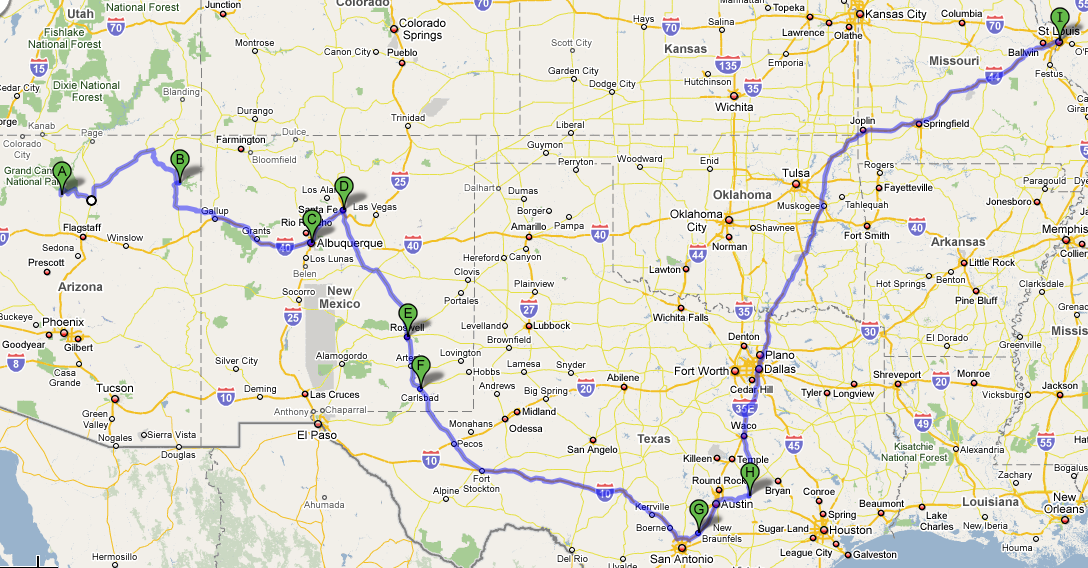
Texas and New Mexico share a border that stretches from the Texas Panhandle down to El Paso. In these areas, the two states are effectively adjacent; you can cross from one to the other in a matter of minutes. However, most travelers are not just looking to cross the border—they are looking to reach specific cultural hubs, which requires a much deeper understanding of regional logistics.
Key Transit Corridors
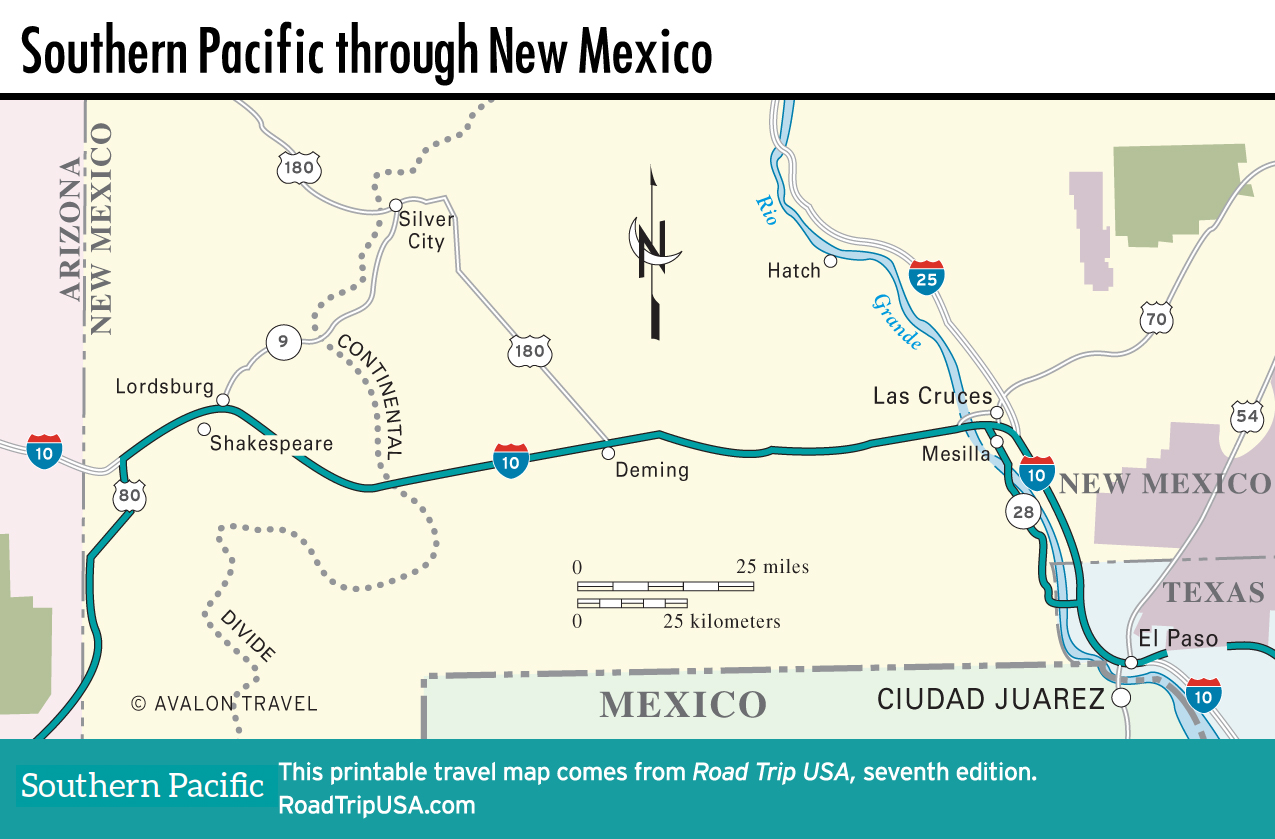
The primary artery connecting these states is Interstate 10, which acts as a lifeline for travelers moving between the heart of Texas and the southern regions of New Mexico. If you are driving from San Antonio or Houston, you are looking at a significant investment of time, as Texas is geographically massive. Conversely, driving from Amarillo to Santa Fe is a relatively straightforward northern route that transitions quickly from high plains to high desert.
Major Route Comparisons
When plotting your trip, it is helpful to categorize your journey by typical starting points and popular tourist destinations. This helps set realistic expectations for your travel itinerary.
From East to West: The Long Haul
Traveling from the eastern edge of Texas to the western edge of New Mexico is a multi-day commitment. From Dallas, you are looking at roughly nine to ten hours of driving just to reach Albuquerque. This route takes you through the heart of the Permian Basin, offering a glimpse into the industrial and natural history of the region.
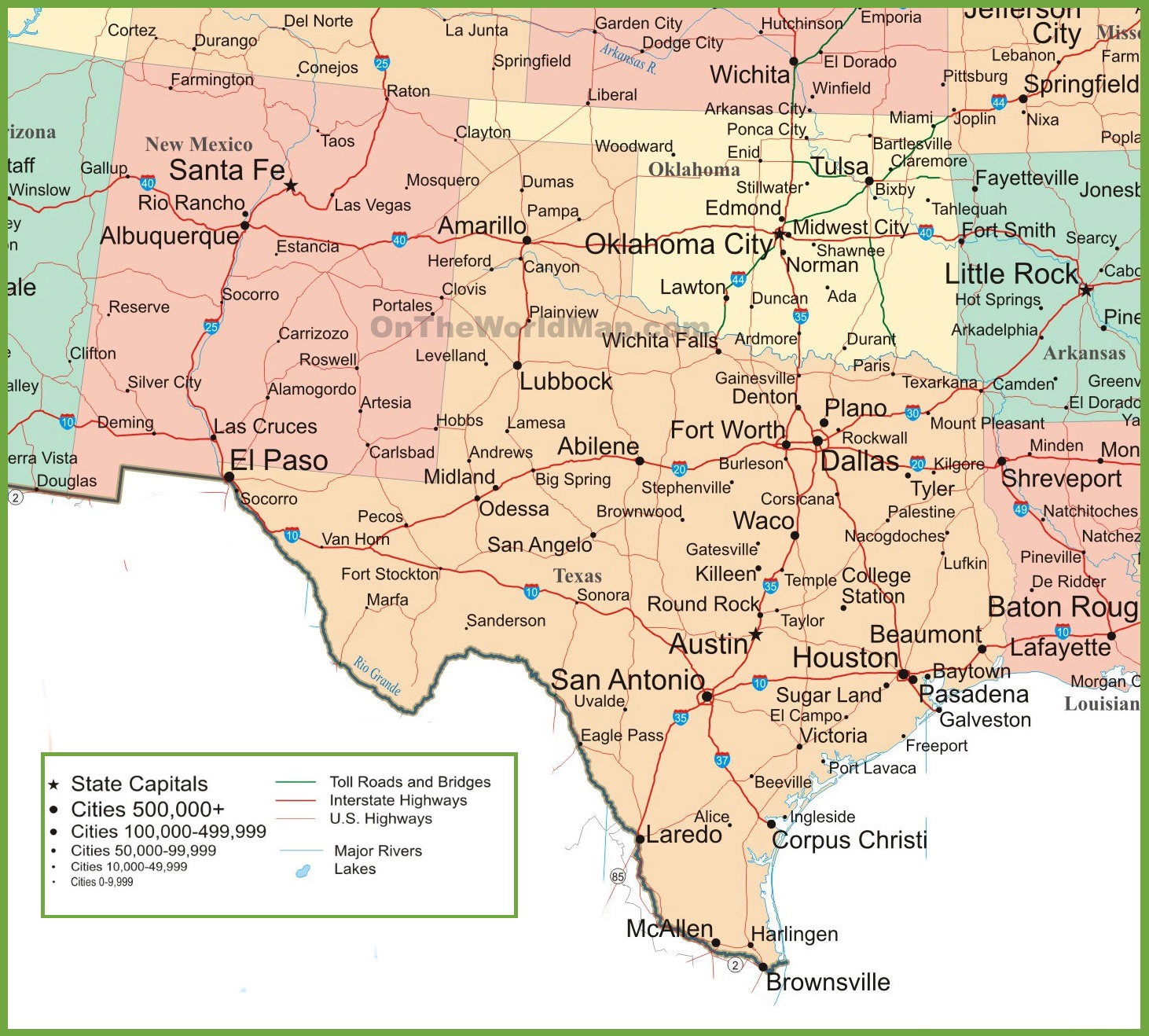
For those starting in Austin, the journey to Las Cruces or White Sands National Park is an iconic Southwestern experience. You will traverse the Hill Country before entering the stark, beautiful expanses of West Texas, where the horizon seems to go on forever.
Northern Routes: Plains to Peaks
Travelers heading to the northern part of New Mexico often prefer the northern Texas route. Starting in Dallas-Fort Worth, you can head northwest toward Amarillo and then cut through the New Mexico border into Tucumcari. This route is legendary for its connections to Route 66, providing a nostalgic look at mid-century travel history.
Travel Planning and Logistics
Distance is more than just miles; it is about the pace of your journey. Texas and New Mexico offer distinct driving experiences that should influence your itinerary.
Essential Travel Tips for the Southwest
- Time Zones: Be aware that while most of Texas is in the Central Time Zone, El Paso and all of New Mexico observe Mountain Time. You will “gain” an hour when heading west, which is always a welcome surprise for tired drivers.
- Weather Considerations: In the winter, the Texas Panhandle and northern New Mexico can experience sudden, intense snowstorms. Conversely, summer temperatures in the Chihuahuan Desert can exceed 100 degrees Fahrenheit, making vehicle maintenance and water storage critical.
- Fuel and Supplies: As you move into the more remote sections of West Texas and southern New Mexico, gas stations become less frequent. Ensure your tank is topped off whenever you pass through larger towns like Marfa or Carlsbad.
Scenic Detours Worth the Extra Time
If you aren’t in a rush to cover the distance, consider taking the scenic route. Instead of staying purely on the interstate, detour through Big Bend National Park in Texas before heading north toward Guadalupe Mountains National Park on the border. This path offers some of the most dramatic geological displays in the United States.
Once you cross into New Mexico, the landscape shifts from the rugged canyons of the south to the lush, pine-covered slopes near Taos. Taking an extra day or two to explore the high-altitude towns of the Sangre de Cristo Mountains is well worth the extra miles.
Why the Distance Doesn’t Matter
The beauty of traveling between Texas and New Mexico is that the distance itself is part of the destination. The shifting landscape—from the lush green fields of East Texas to the arid, high-altitude mesas of New Mexico—provides a natural transition that tells the story of the American West.
Whether you are seeking the culinary delights of Santa Fe, the historical sites of San Antonio, or the artistic inspiration found in Marfa, the drive bridges two unique cultures. The Southwest is a region defined by its scale, and understanding the distance between these two states is the first step in appreciating the sheer magnitude of the landscapes you are about to traverse.
Pack your bags, prepare your playlist, and embrace the open road. The miles between Texas and New Mexico are filled with hidden gems, historical markers, and breathtaking vistas that turn a simple commute into a lifelong memory. As you navigate the borderlands, remember that the best part of any trip isn’t just the arrival—it is the evolution of the world outside your window as you travel from the Lone Star State to the Land of Enchantment.
LifeOutOfTheBox is a participant in the Amazon Services LLC Associates Program, an affiliate advertising program designed to provide a means for sites to earn advertising fees by advertising and linking to Amazon.com. Amazon, the Amazon logo, AmazonSupply, and the AmazonSupply logo are trademarks of Amazon.com, Inc. or its affiliates. As an Amazon Associate we earn affiliate commissions from qualifying purchases.