
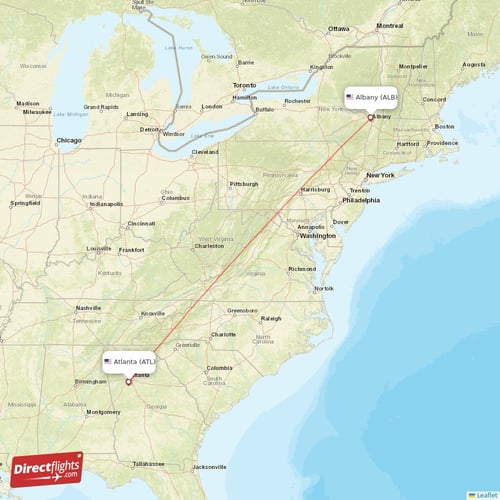
For many travelers planning a trek across the United States, the journey between New York City and Atlanta represents a classic East Coast corridor transit. Whether you are relocating, planning a multi-city vacation, or simply curious about the geography of the American Atlantic seaboard, understanding the logistics of this distance is essential for effective trip planning. The distance between these two major metropolises is approximately 850 miles (1,368 kilometers) when measured as a direct driving route along the primary interstate highways. However, the “distance” often feels different depending on your chosen mode of transport, the season, and the specific pace at which you wish to travel.
Understanding the Logistics of the Drive
Driving from the “Big Apple” to the “Gate City of the South” is a rite of passage for many road trippers. This route primarily utilizes Interstate 95 and Interstate 85, taking travelers through some of the most historically and culturally significant states in the nation.
The Typical Driving Itinerary
Under optimal conditions, the drive from New York City to Atlanta takes approximately 13 to 15 hours of pure driving time. However, very few travelers complete this journey in a single stint without stopping. Most individuals break the trip into two days, often finding overnight accommodations in mid-way points such as Richmond or Fayetteville.
The route takes you through the heart of New Jersey, Delaware, Maryland, Virginia, and North Carolina before entering Georgia. Navigating through major urban centers like Washington D.C. can significantly influence your travel time, as traffic congestion during rush hours is notorious along the I-95 corridor.
Planning Your Road Trip Stops
Because the route spans over 800 miles, it offers a wealth of opportunities for sightseeing. If you are not in a rush, consider incorporating stops in iconic locations. Philadelphia serves as an excellent lunch stop, offering deep historical insights, while Baltimore provides a unique maritime atmosphere. As you head further south, the rolling hills of Virginia offer scenic relief from the urban landscape, making the transition toward the Southern United States feel gradual and rewarding.
Taking to the Skies: Air Travel Considerations
For those who prefer efficiency over the scenic route, flying is the most common way to cover the distance between these two cities. Numerous airlines operate frequent daily non-stop flights between the major hubs of both regions.
Flight Duration and Efficiency
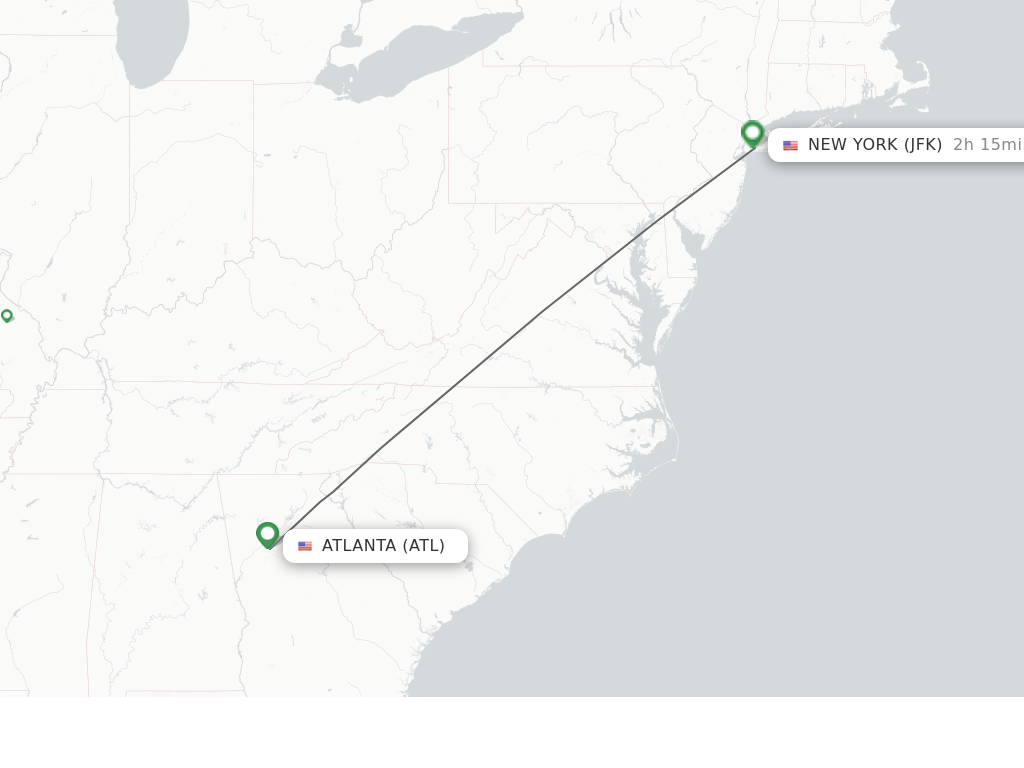
The flight time from John F. Kennedy International Airport or LaGuardia Airport to Hartsfield-Jackson Atlanta International Airport is typically around two hours and fifteen minutes. When you factor in security procedures and travel to and from the airports, the total “travel time” is closer to five or six hours.
Despite the time spent in terminals, flying remains the most logical choice for business travelers or tourists on a tight schedule. Hartsfield-Jackson Atlanta International Airport is frequently cited as one of the busiest airports in the world, ensuring that connectivity to New York City is seamless and highly competitive regarding ticket pricing.
Rail and Bus Travel: The Alternative Transit Experience
For those who wish to avoid the stress of driving and the intensity of airport security, rail and coach travel offer a nostalgic and comfortable alternative.
Traveling by Rail
Amtrak provides service between the two cities, though it is a significantly longer commitment than flying. The Crescent line, for instance, offers a unique opportunity to witness the changing landscapes of the Eastern seaboard. While the train journey can take upwards of 18 to 20 hours, it provides passengers with the ability to move around, dine, and work while watching the countryside roll by. This is often preferred by travelers who prioritize comfort and the ability to relax over sheer speed.
Bus Travel Options
Long-distance bus travel has seen a resurgence in popularity due to its affordability. Services connecting the New York City transit hubs to Atlanta are plentiful. While this is the most budget-conscious way to travel, it is also the most time-consuming, often taking well over 20 hours depending on the number of transfers. For the intrepid traveler, it is a way to see the country from a ground-level perspective without the responsibility of navigation and vehicle maintenance.
Seasonal Influences on Your Trip
The time of year you choose to travel between these two major hubs can drastically alter your perception of how “far” they are.
Winter Weather and Delays
During the winter months, weather patterns can impact travel significantly. Snowstorms in the Northeast can delay flights out of New York City and make highway driving treacherous through Pennsylvania and Virginia. Drivers should always consult weather reports before departing, as the Appalachian Mountains can create localized microclimates that impact road conditions.
Summer Travel and Peak Traffic
Conversely, summer travel is defined by high traffic volume on the interstates. Families traveling for vacations often crowd the I-95 corridor, leading to heavy congestion. If you are driving during the summer, planning your departure times to avoid morning and afternoon rush hours in major cities like Newark or Charlotte can save you several hours of frustration.

Conclusion: Deciding Your Journey
Ultimately, the “distance” between New York City and Atlanta is a flexible concept. Whether you choose to fly, drive, or take the train, the 850-mile gap offers a diverse look at the culture and geography of the United States.
If you are a traveler who values the experience of the journey itself, a two-day road trip allows you to immerse yourself in the varying local cultures of the Mid-Atlantic and Southern regions. If your priority is reaching the vibrant, booming culture of Atlanta or the world-class landmarks and culinary scene of New York City as quickly as possible, air travel remains the superior choice. Regardless of the method, both cities stand as two of the most significant pillars of American life, making the transit between them a worthwhile endeavor for any traveler. By preparing for the specific challenges of your chosen mode of transport and accounting for seasonal variations, you can ensure that the transition between these two iconic destinations is as smooth and enjoyable as possible.
LifeOutOfTheBox is a participant in the Amazon Services LLC Associates Program, an affiliate advertising program designed to provide a means for sites to earn advertising fees by advertising and linking to Amazon.com. Amazon, the Amazon logo, AmazonSupply, and the AmazonSupply logo are trademarks of Amazon.com, Inc. or its affiliates. As an Amazon Associate we earn affiliate commissions from qualifying purchases.