
The journey between New York City and Boston, two of the most historically rich and culturally vibrant metropolises in the United States, is a quintessential Northeast travel experience. Whether you’re a history buff eager to explore the Freedom Trail in Boston or a culture enthusiast yearning for the bright lights of Broadway in New York City, understanding the logistics of this trip is the first step in planning an unforgettable adventure. This comprehensive guide will not only detail the distance and various travel options but also delve into the unique allure of each city, offering insights into their top attractions, diverse accommodation choices, and essential travel tips for a seamless journey.
The allure of traveling between these two iconic cities lies in their distinct personalities and the rich tapestry of experiences they offer. Boston, the capital of Massachusetts, is a city where colonial history seamlessly blends with modern innovation, home to world-class universities like Harvard University and the Massachusetts Institute of Technology (MIT). New York City, on the other hand, is a global hub of finance, fashion, art, and entertainment, a true melting pot where every street corner tells a different story. The relatively short distance between them makes a dual-city exploration not just possible, but highly recommended, offering a captivating contrast of urban landscapes and cultural narratives.
Bridging the Distance: Understanding the Journey Between New York City and Boston
The question of “how far” is more than just a number; it encompasses travel time, convenience, cost, and the overall experience. The journey between these two major urban centers is well-trodden, offering a variety of transportation methods to suit every traveler’s preference and budget.
The Geographic Link: Miles, Kilometers, and Travel Time
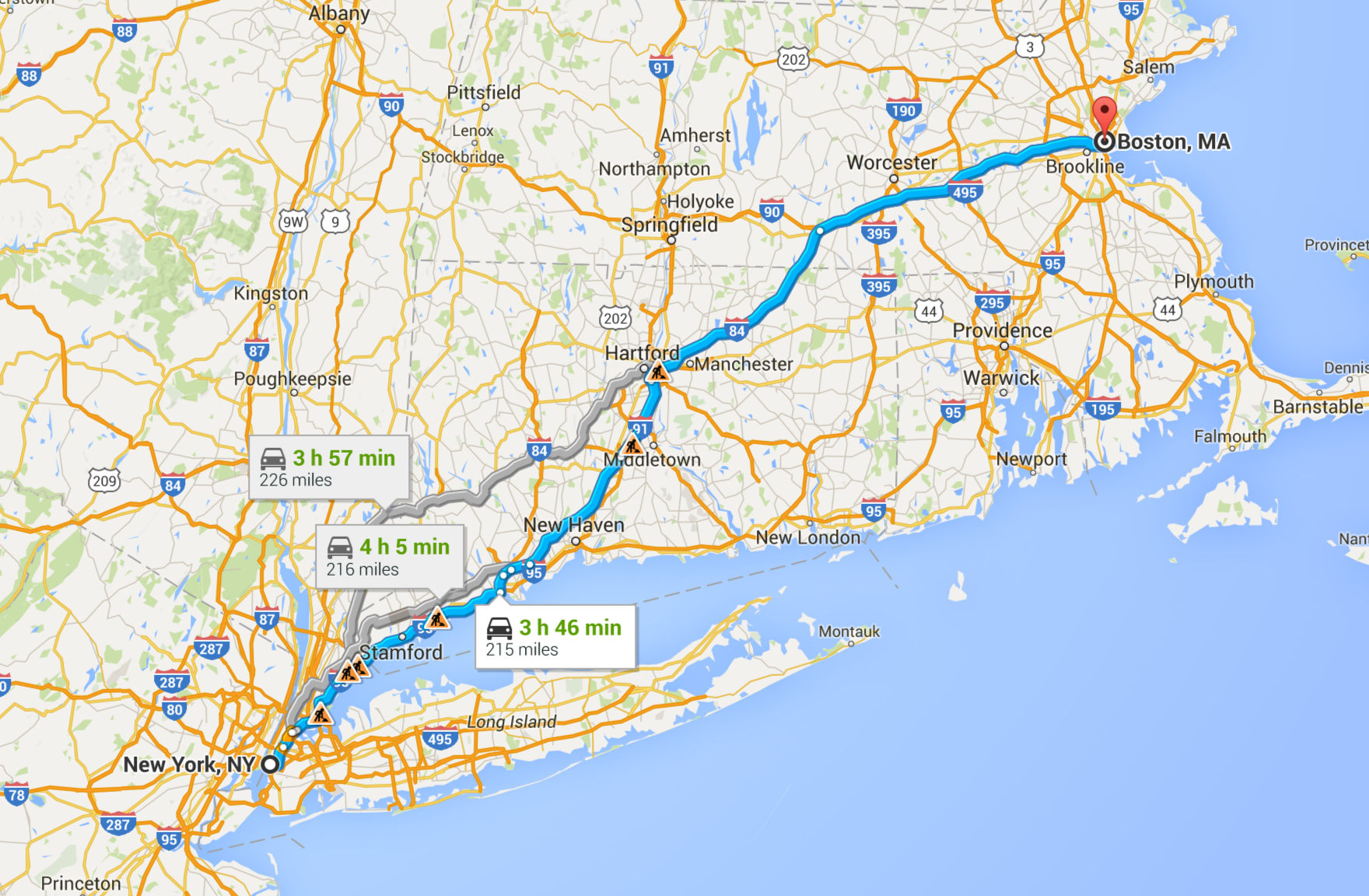
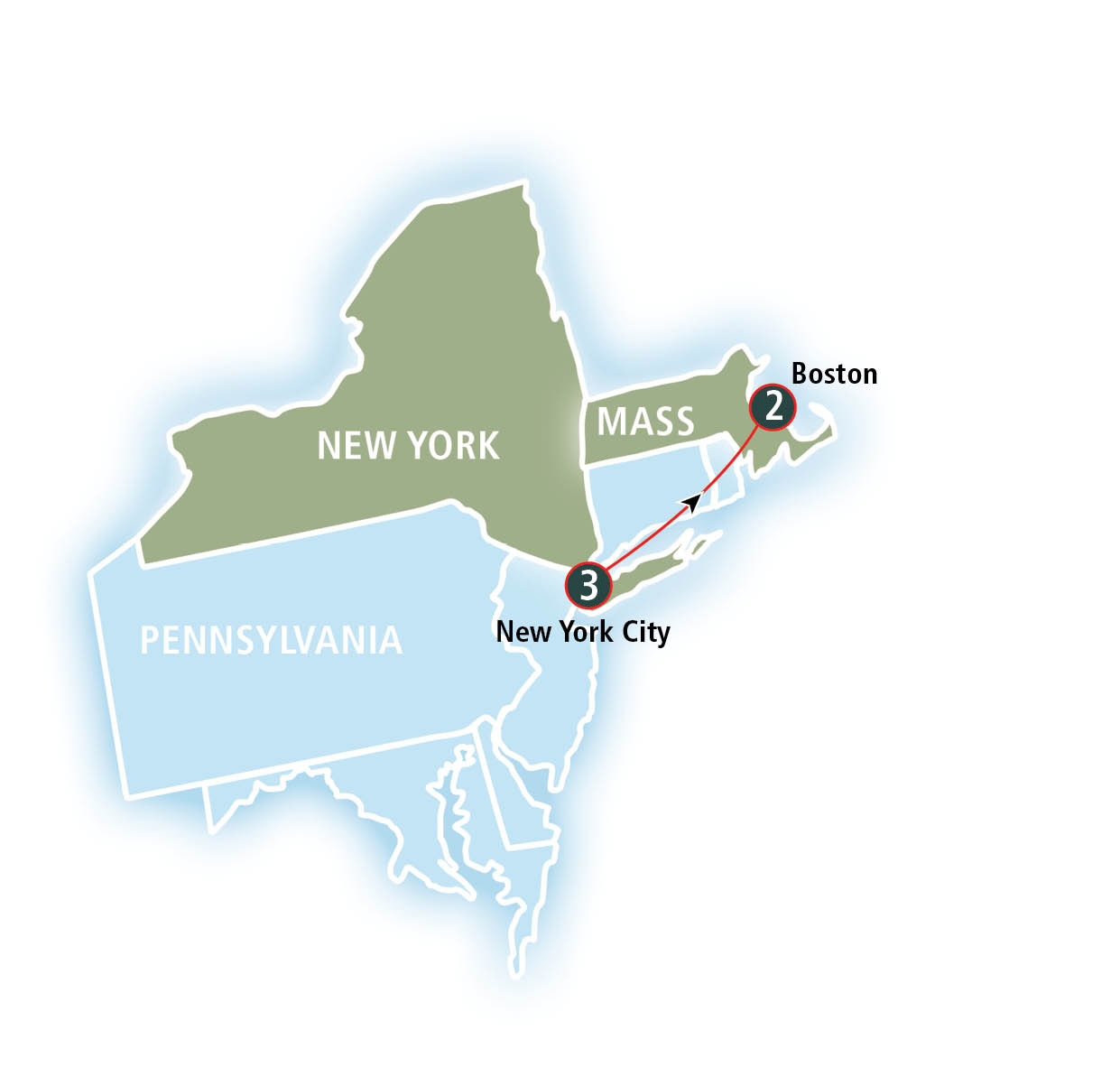
At its core, the distance between New York City and Boston is approximately 200 to 220 miles (around 320 to 355 kilometers), depending on the exact starting and ending points and the specific route taken. This might seem like a straightforward answer, but the actual travel time can fluctuate significantly based on your chosen mode of transportation and prevailing conditions.
For instance, driving, while offering flexibility, can take anywhere from 3.5 to 5 hours without significant traffic delays. Peak hours, especially around both cities, can easily add an hour or more to this estimate. Train travel, particularly on high-speed services, generally covers the distance in about 3.5 to 4 hours, offering a comfortable and scenic alternative. Buses typically take longer, ranging from 4 to 5.5 hours, but often come with a more budget-friendly price tag. Flying, while the quickest in terms of air time (around 1 hour), requires factoring in travel to and from airports, security checks, and boarding, often bringing the total door-to-door time closer to 3-4 hours.
Therefore, when considering the distance, it’s crucial to think about the total travel experience rather than just the mileage. Each mode of transport presents a unique set of advantages and disadvantages that cater to different travel styles, whether you prioritize speed, comfort, cost-effectiveness, or the scenic journey itself.
Navigating the Northeast: Your Transport Options
Choosing how to travel between New York City and Boston is a significant part of planning your trip. Each option provides a distinct experience, influencing your budget, comfort, and travel duration.
-
Car Travel: A road trip between New York City and Boston offers unparalleled flexibility. You can depart on your own schedule and stop at charming towns along the way, such as New Haven, Connecticut, to explore Yale University or grab a famous pizza. The primary route is Interstate 95 North, which is generally direct but prone to heavy traffic, especially during rush hours or holiday weekends. Be prepared for tolls, particularly in New York, Connecticut, and Massachusetts, and consider parking costs, which can be substantial in both urban centers. For travelers with luggage or those planning to explore areas outside the city centers, a car can be ideal, but for purely urban exploration, public transport within the cities is often more convenient and cost-effective.
-
Train Travel: Amtrak provides a comfortable and efficient way to travel, connecting New York City’s Pennsylvania Station (or Grand Central Terminal on some lines) with Boston’s South Station or North Station. The high-speed Acela Express offers the fastest service, typically around 3.5 hours, with amenities like Wi-Fi, power outlets, and comfortable seating. The more economical Northeast Regional service takes slightly longer, usually 4-4.5 hours. Train travel is popular because it bypasses traffic, offers scenic views, and drops you directly into the heart of each city, making onward travel via local public transit straightforward. It’s an excellent option for business travelers and those who prefer a relaxed, productive journey.
-
Bus Travel: For budget-conscious travelers, buses are a fantastic option. Companies like Greyhound, Peter Pan Bus Lines, and FlixBus operate frequent services between the two cities. The journey typically takes between 4 to 5.5 hours, depending on traffic and the number of stops. While less luxurious than train travel, modern buses often come equipped with Wi-Fi, power outlets, and reclining seats. The cost-effectiveness of bus tickets, especially when booked in advance, makes them an attractive choice for students, backpackers, and anyone looking to minimize travel expenses. Buses usually depart from major terminals like the Port Authority Bus Terminal in New York City and South Station in Boston.
-
Air Travel: While the flight time itself is only about an hour, air travel between New York City and Boston often ends up being comparable in total door-to-door time to the train, and sometimes even slower, once you factor in airport commutes, security, and boarding. Major airports serving New York City include JFK Airport, LaGuardia Airport, and Newark Liberty International Airport, while Boston is served by Logan International Airport. This option is usually most viable for those connecting from longer flights or if there’s a significant fare difference. However, for a direct city-to-city trip, train or bus often proves more efficient and less stressful.
Discovering the Charms: What Awaits in Boston and New York City
Both Boston and New York City are treasure troves of culture, history, and modern marvels, each offering a distinct flavor of the American experience. A trip between them provides an incredible opportunity to compare and contrast these vibrant urban landscapes.
Boston: A Walk Through History and Innovation
Boston is a city steeped in history, where the cobblestone streets whisper tales of the American Revolution. The city’s compact size makes it incredibly walkable, allowing visitors to easily immerse themselves in its rich past and dynamic present.
Begin your exploration on the Freedom Trail, a 2.5-mile red-lined path that leads to 16 historically significant sites, including the Boston Common, the Massachusetts State House, Faneuil Hall, and the site of the Boston Massacre. Nearby, Quincy Market offers a lively atmosphere with diverse food stalls and local goods.
Stroll through charming neighborhoods like Beacon Hill, famous for its gas lamps and federal-style rowhouses, or the North End, Boston’s historic Italian district, where you can indulge in authentic pasta and cannoli. Sports enthusiasts will relish a visit to Fenway Park, home of the Boston Red Sox, one of the oldest and most beloved baseball stadiums in the United States.
For art and culture, the Museum of Fine Arts boasts an impressive collection spanning centuries and cultures, while the Isabella Stewart Gardner Museum offers a unique art experience in a Venetian-style palace. Beyond its historical landmarks, Boston is also a hub of innovation, particularly in the fields of education and biotechnology, adding a modern edge to its old-world charm. Enjoy fresh seafood, especially clam chowder and lobster rolls, which are quintessential Boston culinary experiences.
New York City: The Unforgettable Metropolis
New York City is a city of superlatives – bigger, bolder, and constantly reinventing itself. It’s a place where iconic landmarks stand shoulder-to-shoulder with cutting-edge art installations, and where every culinary craving can be satisfied.
No visit to New York City is complete without seeing the Statue of Liberty and Ellis Island, symbols of American freedom and immigration. Ascend the Empire State Building or One World Observatory at the World Trade Center for breathtaking panoramic views of the skyline. Immerse yourself in the dazzling spectacle of Times Square, or find tranquility amidst the urban bustle in Central Park, a sprawling oasis perfect for a leisurely stroll, bike ride, or picnic.
The city’s cultural scene is unparalleled. Catch a world-class performance on Broadway, explore the vast collections of the Metropolitan Museum of Art, or marvel at modern masterpieces at the Museum of Modern Art (MoMA). Each neighborhood in New York City has its own distinct personality. Discover the historic charm of Greenwich Village, the trendy boutiques of SoHo and Tribeca, the vibrant culinary scene of the Lower East Side, or the artistic energy of Chelsea.
Beyond Manhattan, explore the dynamic borough of Brooklyn, particularly areas like Williamsburg and Dumbo, known for their street art, independent shops, and stunning views of the Manhattan skyline. From gourmet dining to street food vendors, New York City’s food scene is a global adventure, catering to every palate and budget.
Planning Your Stay: Accommodation and Lifestyle Choices
Finding the right accommodation is paramount to a successful trip, influencing both your comfort and your overall experience. Both Boston and New York City offer a vast array of options, from luxurious resorts and boutique hotels to budget-friendly apartments and long-term stay villas.
Finding Your Home Away From Home: Boston Accommodation Guide
Boston offers a variety of lodging options tailored to different budgets and preferences. The key is to choose a neighborhood that aligns with your interests and travel style.
For luxury travelers seeking elegant experiences, areas around Copley Square and Back Bay are ideal. Here, you’ll find prestigious hotels like the Fairmont Copley Plaza or The Lenox Hotel, offering top-tier amenities, fine dining, and proximity to upscale shopping and cultural institutions. The Boston Harbor Hotel provides stunning waterfront views and exceptional service for a premium stay.
Travelers looking for a blend of history and charm might prefer boutique hotels in Beacon Hill or the North End, where you can find unique accommodations with a more local feel. These areas often feature renovated historic buildings, offering a distinctive sense of place.
For those on a budget, consider hotels or extended-stay apartments near universities like Northeastern University or in neighborhoods slightly outside the immediate city center, such as Cambridge or Somerville, which are well-connected by public transportation (the “T”). Hostels are also available for very budget-conscious solo travelers. When booking, consider proximity to public transport stops, as Boston’s subway system is efficient for getting around.
New York City: A Diverse Spectrum of Stays
New York City’s accommodation landscape is as diverse as its population. From iconic grand hotels to trendy boutique stays and practical apartments, there’s something for every type of traveler.
For the quintessential luxury experience, hotels around Central Park, such as The Plaza Hotel, or in the Upper East Side and Upper West Side, offer unparalleled elegance and service. In Midtown, you’ll find a high concentration of business-oriented hotels and large chains, offering convenience to Times Square, Broadway theaters, and major attractions. Properties like Moxy Times Square cater to a modern, vibrant crowd.
For a more bohemian or artistic vibe, consider boutique hotels or apartment rentals in Greenwich Village, SoHo, or the Lower East Side. These neighborhoods are known for their unique charm, independent shops, and vibrant nightlife. If you’re looking for a trendier, slightly more affordable option with excellent views of Manhattan, exploring Brooklyn neighborhoods like Williamsburg or Long Island City in Queens can be a great choice. These areas offer a different perspective of the city and are well-connected by subway.
When booking, especially for New York City, location is key for ease of exploration. Proximity to a subway station can make a huge difference in your daily commute time and overall enjoyment. Always check reviews and compare options, considering whether you need amenities like a kitchen (for longer stays) or family-friendly facilities (for family trips).
Essential Travel Tips for Your Northeast Adventure
To ensure your journey between New York City and Boston is as smooth and enjoyable as possible, keep these practical tips in mind.
Best Time to Visit and What to Pack
The best time to visit New York City and Boston largely depends on your preferences.
- Spring (April-May) offers pleasant weather, blooming parks, and fewer crowds than summer.
- Summer (June-August) is popular for its warm temperatures and vibrant outdoor activities, but also brings larger crowds and higher prices.
- Fall (September-October) is arguably the most beautiful season, with comfortable temperatures and stunning fall foliage, especially if you’re driving.
- Winter (November-March) can be cold and snowy, but it also offers magical holiday decorations in New York City and opportunities for cozy museum visits in Boston.
What to Pack: Comfortable walking shoes are a must for both cities, as you’ll likely be doing a lot of exploring on foot. Layers are advisable, especially during spring and fall, as temperatures can fluctuate throughout the day. In winter, be prepared with warm coats, hats, gloves, and scarves. Don’t forget portable chargers for your devices, especially for navigating and taking photos.
Budgeting and Saving for Your Trip
Travel between New York City and Boston can be expensive, but smart budgeting can help.
- Transportation: Booking train or bus tickets in advance often yields better prices. Consider off-peak travel times for potential savings.
- Accommodation: Look for deals during the off-season or consider staying slightly outside the main tourist hubs, utilizing public transportation to get around. Hostels, particularly in New York City, offer communal living at a lower cost.
- Food: While both cities boast world-class dining, you can save money by taking advantage of food trucks, delis, and ethnic eateries, especially in diverse neighborhoods. Many attractions allow you to bring your own snacks and drinks.
- Activities: Take advantage of free attractions like walking the Brooklyn Bridge, exploring Central Park, strolling the Freedom Trail, or visiting free museum days/hours. Look for city passes if you plan to visit multiple paid attractions.
Maximizing Your Experience: Planning and Flexibility
- Plan Ahead: While spontaneity has its charm, popular attractions, especially in New York City, often require advance booking for tickets or timed entry. This is particularly true for Broadway shows, major museum exhibitions, and tours to the Statue of Liberty.
- Utilize Public Transportation: Both cities have excellent public transport systems. Purchase a MetroCard in New York City and a CharlieCard/Ticket in Boston for easy and economical travel. This will save you from the hassle and expense of city driving and parking.
- Be Flexible: While planning is important, leave some room for spontaneity. Sometimes the best discoveries are made by wandering off the beaten path or striking up a conversation with a local. Check local event listings upon arrival for festivals, free concerts, or markets.
- Consider Travel Insurance: For longer trips or those involving significant bookings, travel insurance can provide peace of mind against unexpected cancellations or medical emergencies.
Your Epic Journey Awaits
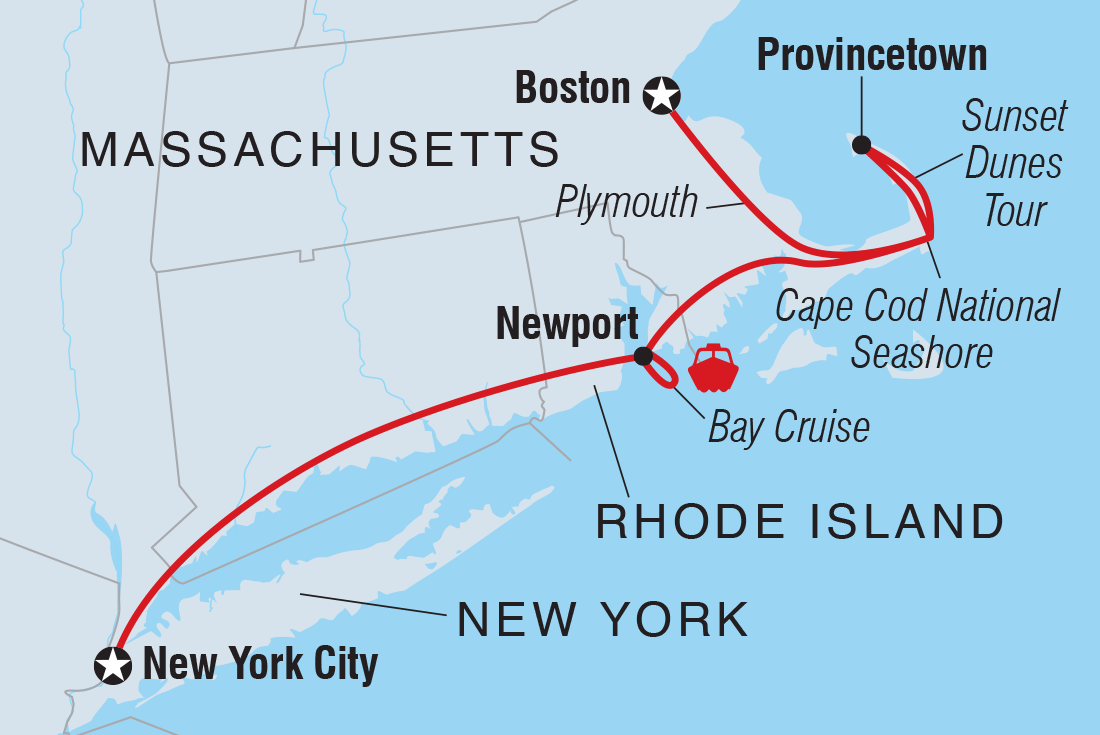
The journey from New York City to Boston (or vice versa) is much more than just traversing a few hundred miles. It’s an opportunity to immerse yourself in two distinct yet equally captivating American urban experiences. From the historical gravitas of Boston to the boundless energy of New York City, this Northeast corridor offers a rich blend of cultural, culinary, and historical adventures. By understanding your travel options, planning your stays thoughtfully, and embracing the unique offerings of each destination, you are well on your way to crafting an unforgettable journey. So pack your bags, choose your mode of transport, and prepare to explore the vibrant heart of New England and the iconic global metropolis.
LifeOutOfTheBox is a participant in the Amazon Services LLC Associates Program, an affiliate advertising program designed to provide a means for sites to earn advertising fees by advertising and linking to Amazon.com. Amazon, the Amazon logo, AmazonSupply, and the AmazonSupply logo are trademarks of Amazon.com, Inc. or its affiliates. As an Amazon Associate we earn affiliate commissions from qualifying purchases.