
The question of distance between two iconic New York State cities, New York City and Buffalo, is a frequent one for travelers and those planning journeys across the Empire State. While seemingly close on a map, the actual mileage and travel time can vary significantly depending on the chosen mode of transportation and the specific routes taken. Understanding these distances is crucial for efficient planning, whether you’re embarking on a scenic road trip, a quick business flight, or a cross-state train adventure.
Driving Distances and Routes
The most common method of travel between New York City and Buffalo for many is by car. The direct driving distance is approximately 370 to 400 miles, with the journey typically taking between 6.5 to 8 hours of pure driving time, excluding any stops for fuel, food, or rest. This estimate can fluctuate based on traffic conditions, especially when departing from or arriving in the greater metropolitan areas of both cities.
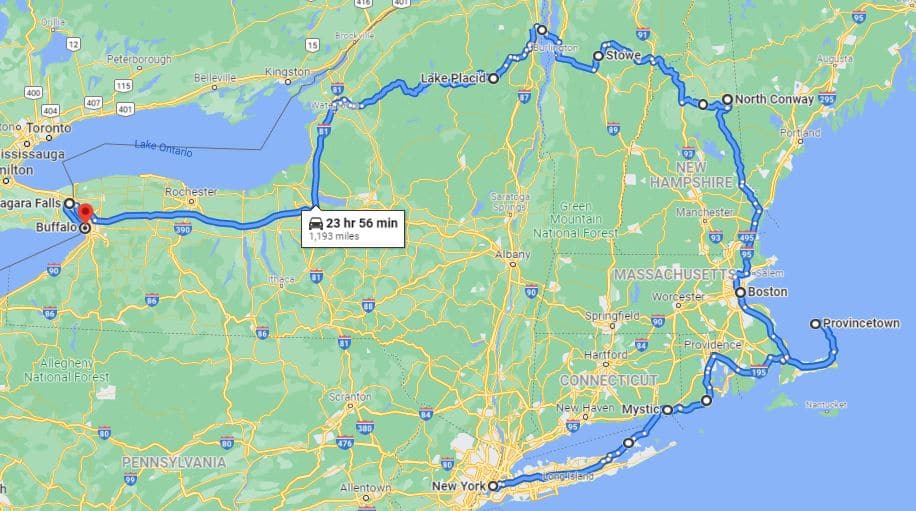
Major Driving Routes
Several primary routes connect these two major New York State hubs, each offering slightly different experiences and potential stopping points:
-
The Northern Route (I-80 W to I-90 W): This is often the most direct and fastest route. It involves taking Interstate 80 West out of the New York City metropolitan area and then merging onto Interstate 90 West, also known as the New York State Thruway. This route generally offers well-maintained toll roads, facilitating a relatively smooth and predictable drive. Major cities or towns you’ll pass near or through include areas in northern New Jersey, Pennsylvania’s Pocono Mountains region, and various communities across upstate New York. The Thruway is a significant artery, and tolls are a factor to consider in the overall cost of the trip.
-
The Southern Route (I-78 W to I-81 N to I-90 W): An alternative, though often longer, route involves taking Interstate 78 West through New Jersey and into Pennsylvania, then connecting with Interstate 81 North. This segment will take you through the heart of Pennsylvania before you eventually link up with Interstate 90 West near Syracuse to continue towards Buffalo. This route might appeal to those who wish to explore different regions of Pennsylvania or central New York. The scenery can be more varied, with stretches through rolling hills and farmland.
-
Scenic Detours and Stops: For travelers who prefer a more leisurely pace, numerous detours can be incorporated. The Catskill Mountains offer stunning natural beauty and hiking opportunities, accessible via routes that deviate from the most direct paths. Similarly, regions around the Finger Lakes provide opportunities for wine tasting and exploring charming towns. Incorporating these stops will, of course, extend the overall travel time significantly, transforming the drive into a multi-day adventure. Planning such a trip requires careful consideration of overnight stays and attractions along the way.
Air Travel Between the Cities
For those prioritizing speed, air travel is the most efficient option. New York City is served by three major airports: John F. Kennedy International Airport (JFK), LaGuardia Airport (LGA), and Newark Liberty International Airport (EWR) in nearby New Jersey. Buffalo is served by Buffalo Niagara International Airport (BUF).
Flight Durations and Logistics
The actual flight time between these airports is remarkably short, typically around 1 hour to 1 hour and 15 minutes. However, the total travel time from door to door will be considerably longer. This includes the time required for:
- Commuting to the Airport: Getting to JFK, LGA, or EWR can take anywhere from 30 minutes to over an hour, depending on your starting point in New York City and traffic conditions.
- Airport Procedures: Arriving at the airport at least two hours before a domestic flight is recommended for check-in, security screening, and boarding.
- Flight Time: The brief airborne portion of the journey.
- Deplaning and Baggage Claim: Collecting luggage after landing at Buffalo Niagara International Airport.
- Transportation from BUF: Traveling from the airport to your final destination in Buffalo, which can take an additional 20-40 minutes by taxi, rideshare, or rental car.
When considering the overall time commitment, flying can sometimes be comparable to driving for a non-stop journey, especially if one factors in the stress of highway travel. However, for those needing to cover the distance quickly, flying remains the superior option. Numerous airlines offer direct flights between the New York area airports and Buffalo Niagara International Airport, making booking relatively straightforward.
Rail Travel: A Scenic and Relaxing Option
Traveling by train between New York City and Buffalo offers a unique perspective on the landscapes of New York State. Amtrak operates services along this corridor, primarily via the Empire Service.
The Amtrak Experience
The journey on Amtrak from New York City’s Penn Station to Buffalo’s Exchange Street Station (or Depew Station, depending on the specific train) is a significant undertaking in terms of time. The train typically covers the distance in approximately 8 to 9.5 hours. This duration makes it a longer option than driving or flying but offers a distinctly different travel experience.
Advantages of train travel include:
- Comfort and Space: Trains generally offer more legroom and the ability to move around compared to airline seats or even long car journeys. Many trains have dining cars or cafe services, allowing passengers to enjoy meals and refreshments en route.
- Scenery: The train route passes through a diverse range of New York’s landscapes, from the Hudson Valley and the Catskills to the rolling hills and agricultural areas of upstate New York. This allows travelers to appreciate the geography of the state in a way that is not possible from a highway or airplane.
- Reduced Stress: Avoiding traffic jams and the complexities of airport security can make train travel a more relaxing option for many. Passengers can work, read, or simply enjoy the view without the pressures associated with other modes of transport.
- Central Stations: Both New York City and Buffalo have train stations located in or near their downtown areas, often making them more accessible than distant airports.
While the train is slower, it presents an appealing choice for those who value the journey as much as the destination, or for travelers who wish to avoid the stress of driving or flying. Booking tickets in advance is generally recommended, especially for popular travel times.

Factors Influencing Travel Time
Several key factors can significantly influence the actual time it takes to travel between New York City and Buffalo:
- Time of Day: Traveling during peak commuting hours in and around New York City can dramatically increase driving and transit times to airports or train stations. Early morning or late evening departures are often advisable to mitigate traffic congestion.
- Day of the Week: Weekends and holidays can see increased traffic on major highways, particularly on the New York State Thruway, as people travel for leisure. Flights and train services may also experience higher demand and potentially altered schedules.
- Weather Conditions: Severe weather, such as heavy snow in winter or significant storms, can cause delays or cancellations for all modes of transport. Winter travel, especially by road, can be particularly challenging in upstate New York, and driving speeds may be significantly reduced.
- Road Construction: Seasonal road work and ongoing construction projects on major routes like I-90 can lead to unexpected delays and detours. It is always advisable to check real-time traffic and construction updates before embarking on a road trip.
- Mode of Transportation Choice: As detailed above, the fundamental choice between driving, flying, or taking a train will have the most substantial impact on the total travel duration. Each offers a unique balance of speed, cost, comfort, and experience.
Ultimately, determining the “distance” between New York City and Buffalo involves more than just mileage. It’s a calculation that incorporates the practicalities of travel, the chosen method of transit, and the desired travel experience, making it an intriguing aspect of navigating the diverse geography and transportation networks of New York.
LifeOutOfTheBox is a participant in the Amazon Services LLC Associates Program, an affiliate advertising program designed to provide a means for sites to earn advertising fees by advertising and linking to Amazon.com. Amazon, the Amazon logo, AmazonSupply, and the AmazonSupply logo are trademarks of Amazon.com, Inc. or its affiliates. As an Amazon Associate we earn affiliate commissions from qualifying purchases.