
The question of distance between two major East Coast metropolises, New York and Baltimore, is a common one for travelers, commuters, and anyone planning a trip along this bustling corridor. While seemingly close on a map, the precise “how far” depends on the mode of transport and the specific route taken. This exploration delves into the various ways to traverse the miles between these two vibrant cities, offering insights for efficient and enjoyable journeys.
Understanding the Geographic Proximity
At their core, New York City and Baltimore are separated by a significant stretch of land and water, roughly 180 to 200 miles, depending on the starting and ending points within each sprawling urban area. This distance places them within a manageable travel zone for day trips, weekend getaways, or as part of a larger Mid-Atlantic itinerary. The geographic relationship is such that a journey between them is a staple for many, whether for business or leisure.
Direct Driving Distance
The most common method of calculating “how far” is often through driving. The direct driving distance between the heart of Manhattan in New York and downtown Baltimore is approximately 190 miles. This route typically involves navigating through New Jersey, Delaware, and parts of Maryland. The primary interstate highway utilized is the New Jersey Turnpike (I-95), which transitions into the Delaware Memorial Bridge, followed by I-95 South into Maryland.
Estimated Driving Time
While the mileage remains relatively constant, the estimated driving time can fluctuate significantly due to traffic conditions, particularly during peak hours in and around New York City and Baltimore. On a clear run with minimal congestion, the drive can take approximately 3 to 3.5 hours. However, it is not uncommon for this journey to extend to 4, 5, or even more hours, especially during holiday weekends, rush hour, or in the event of construction or accidents along the route. Planning the departure and arrival times strategically can significantly impact the overall travel duration.
Train Travel: A Convenient Alternative
For those seeking to avoid the stresses of driving, including traffic and parking, train travel offers a comfortable and often more predictable alternative. Both New York and Baltimore are well-connected by Amtrak’s Northeast Corridor line, a vital artery for passenger rail service along the East Coast. The distance covered by train is very similar to the driving distance, but the experience is vastly different.
Amtrak’s Northeast Corridor Service
Amtrak operates frequent services between Penn Station in New York City and Baltimore Penn Station. The journey time on the Northeast Corridor typically ranges from 2 hours and 45 minutes to 3 hours and 30 minutes, depending on the specific train service (e.g., Acela Express versus the Northeast Regional). The Acela Express, Amtrak’s high-speed service, offers a faster journey with fewer stops, while the Northeast Regional provides a more frequent and generally more affordable option. This mode of transport allows travelers to relax, work, or enjoy the scenery without the need to focus on the road.
Exploring Other Transportation Options
Beyond driving and the train, other modes of transport can bridge the gap between New York and Baltimore, offering different perspectives and benefits. Each option presents its own set of advantages and considerations for the discerning traveler.
Bus Services: Budget-Friendly Travel
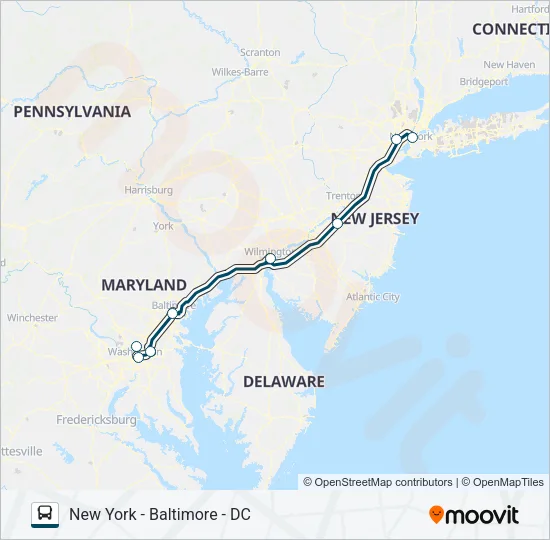
Intercity bus services provide a more budget-conscious option for traveling between New York and Baltimore. Companies such as Greyhound, Megabus, and BoltBus operate daily routes connecting the two cities. While generally taking longer than driving or the train due to more frequent stops and potentially different routes, bus travel can be significantly cheaper, making it an attractive choice for budget travelers. The journey time can range from 4 to 6 hours, depending on the specific service and stops.
Advantages of Bus Travel
The primary advantage of bus travel is its affordability. Tickets can often be purchased for a fraction of the cost of a train ticket or the fuel and potential overnight stay associated with driving. Additionally, many bus services now offer amenities such as Wi-Fi and onboard restrooms, enhancing the travel experience. This option is particularly appealing for students or those on a tight budget looking to visit friends, family, or explore the offerings of either New York or Baltimore.
Flying: A Less Common, But Possible Route
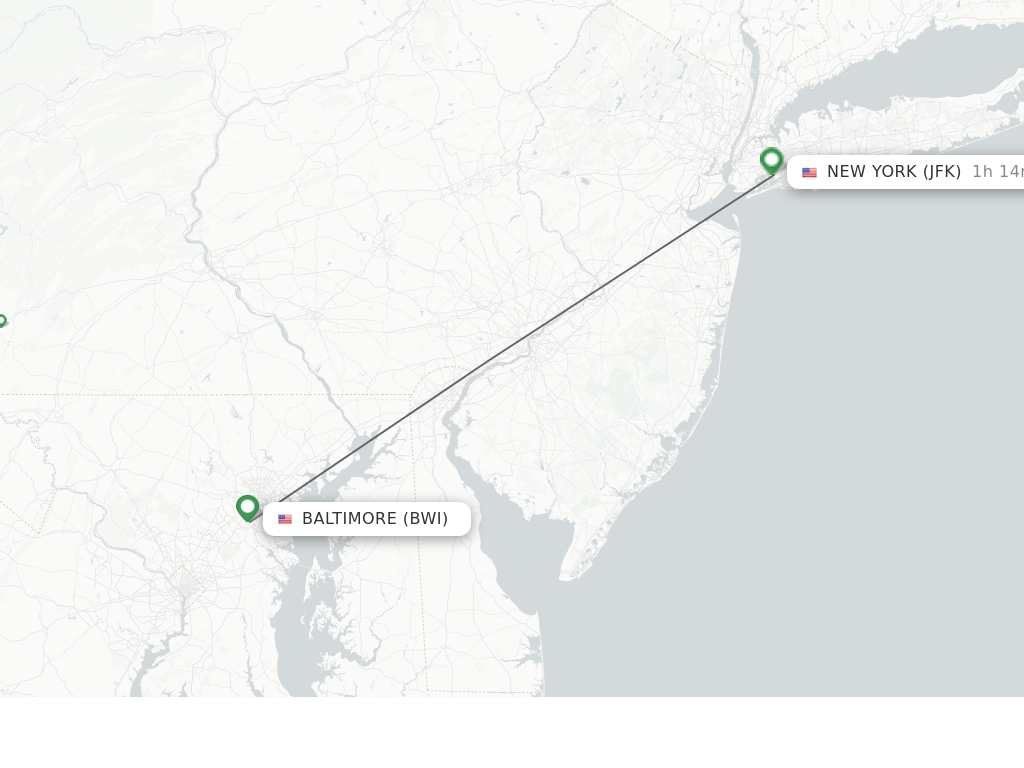
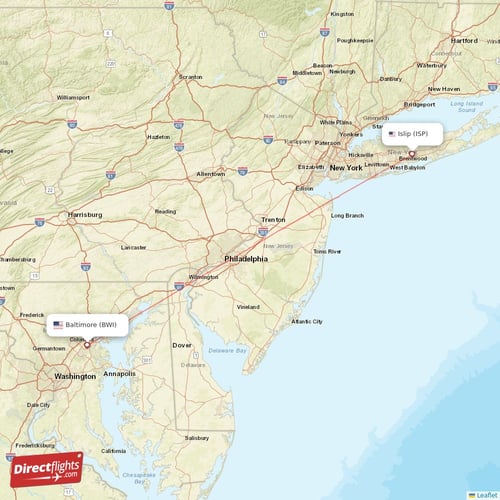
While not the most practical or common method for this relatively short distance, flying between New York and Baltimore is technically an option, though it involves multiple steps and often a longer overall travel time when factoring in airport procedures. Both cities have major airports: John F. Kennedy International Airport (JFK), LaGuardia Airport (LGA), and Newark Liberty International Airport (EWR) serving the New York metropolitan area, and Baltimore/Washington International Thurgood Marshall Airport (BWI) serving Baltimore and the wider Washington D.C. metropolitan area.
Considerations for Air Travel
Direct flights between airports in the New York area and BWI are infrequent, and most routes would involve a layover, significantly increasing travel time and cost. The actual flight time is short, often less than an hour, but when combined with travel to and from airports, security checks, boarding, and potential delays, the total journey can easily exceed the time taken by train or even driving. Therefore, flying is generally only considered if there’s a very specific need or an exceptionally advantageous fare that outweighs the convenience of other options.
Planning Your Journey: Tips and Considerations
Regardless of the chosen mode of transport, a little planning can go a long way in ensuring a smooth and enjoyable trip between New York and Baltimore. Understanding the nuances of each travel option will help in making an informed decision.
Booking in Advance
For train and bus travel, booking tickets in advance is highly recommended. This not only helps in securing a seat but also often leads to better pricing, especially for Amtrak’s Northeast Corridor services where fares can increase significantly closer to the travel date. For drivers, booking accommodations in advance, if an overnight stop is planned, is also advisable, particularly during peak travel seasons or major events in either city.
Choosing the Right Time to Travel
As mentioned, traffic is a significant factor for drivers. To minimize delays when driving, aim to depart New York City outside of typical morning (7-10 AM) and evening (4-7 PM) rush hours. Similarly, arriving in Baltimore during these times can also lead to congestion. For train travelers, while less susceptible to immediate traffic jams, booking seats on less crowded trains during off-peak hours can sometimes offer a more relaxed experience.
Packing and Preparation
The distance between New York and Baltimore is manageable, but packing appropriately for the chosen mode of transport is key. For drivers, ensuring the vehicle is in good condition and having navigation tools readily available is essential. For train and bus passengers, comfortable clothing, entertainment options (books, tablets), and snacks can make the journey more pleasant. If arriving in New York, consider the extensive public transportation system, including the New York City Subway, for convenient travel within the city. Similarly, Baltimore has its own transit options, though they are less extensive than in its northern counterpart.
By understanding the various distances and travel times, and by planning accordingly, the journey between New York and Baltimore can be a seamless and enjoyable part of any travel experience.
LifeOutOfTheBox is a participant in the Amazon Services LLC Associates Program, an affiliate advertising program designed to provide a means for sites to earn advertising fees by advertising and linking to Amazon.com. Amazon, the Amazon logo, AmazonSupply, and the AmazonSupply logo are trademarks of Amazon.com, Inc. or its affiliates. As an Amazon Associate we earn affiliate commissions from qualifying purchases.