
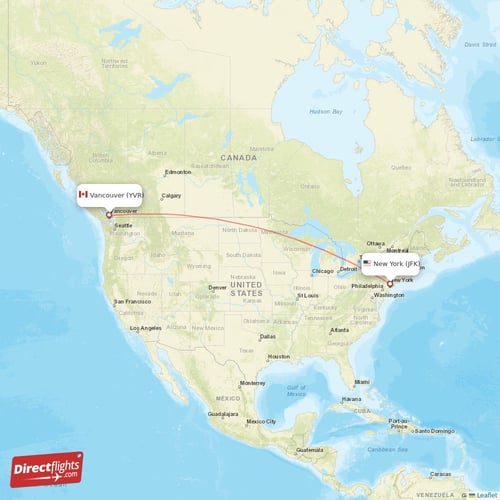
The vast expanse separating New York from its northern neighbor, Canada, is a question that sparks curiosity for many travelers. Whether you’re planning a road trip, considering a cross-border excursion, or simply curious about geographical proximity, understanding the distances involved is crucial for effective travel planning. The answer isn’t a single, simple number; it depends heavily on your specific starting point within New York and your intended destination in Canada. This article will delve into the various travel distances, modes of transportation, and key border crossings that connect these two influential regions, offering insights for a seamless journey.
Navigating the Border: Proximity and Key Crossing Points
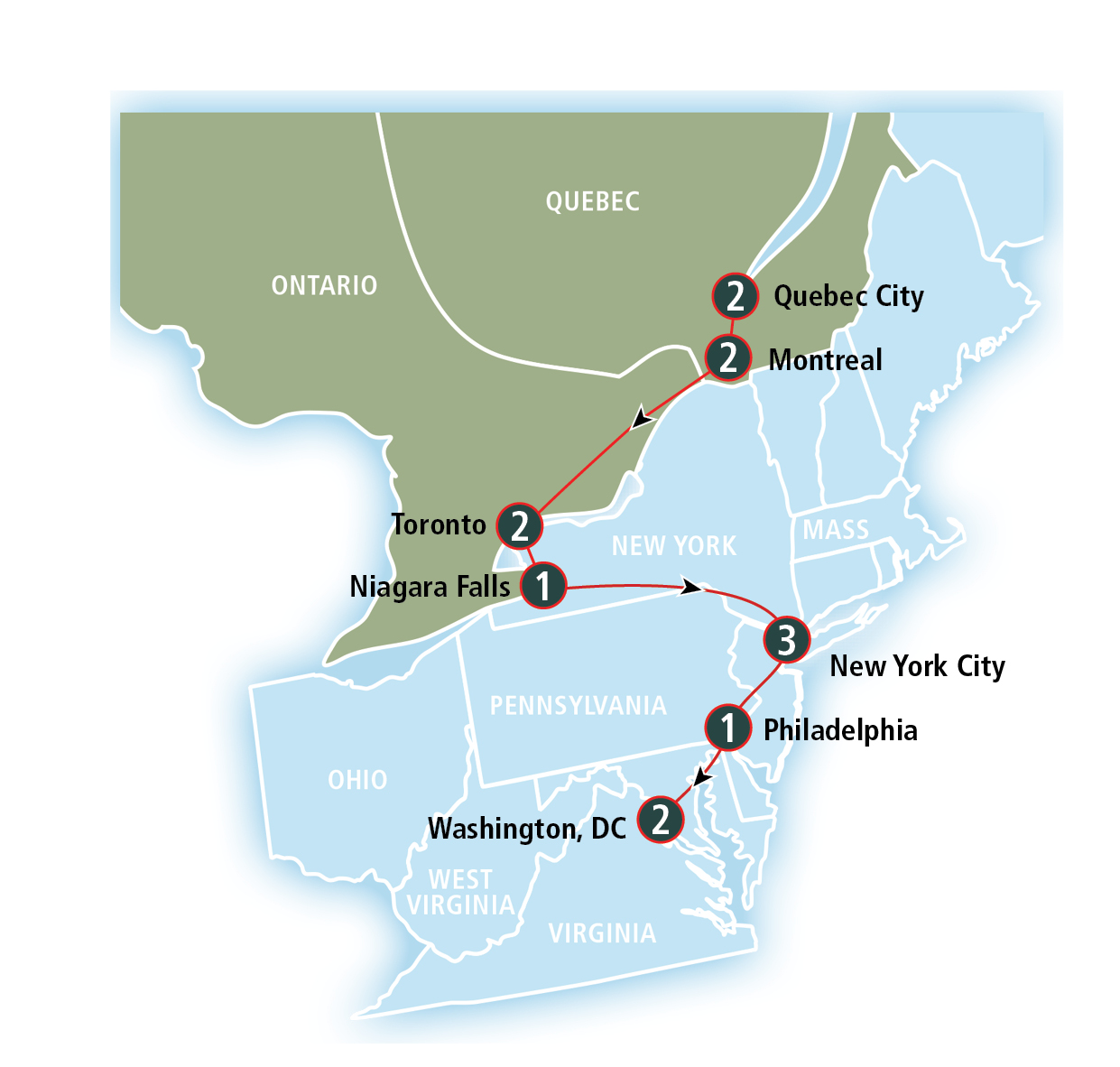
The border between New York and Canada stretches for hundreds of miles, with several major entry points facilitating travel between the two countries. The most common destinations for travelers venturing from New York into Canada often involve crossing into the provinces of Ontario or Quebec.
The Buffalo-Niagara Frontier
One of the most frequented crossing points is the Buffalo-Niagara region. From Buffalo, New York, the world-famous Niagara Falls is a mere stone’s throw away, marking a natural and iconic entry into Canada.
- Distance from Buffalo to Niagara Falls, Ontario: Approximately 15-20 miles (24-32 kilometers), depending on the specific crossing used. The Rainbow Bridge is a popular pedestrian and vehicular crossing offering spectacular views of the falls.
- Travel Time: This short distance typically takes around 30-45 minutes to traverse by car, assuming minimal border wait times.
- Destinations Beyond: From Niagara Falls, Ontario, travelers can easily access cities like Toronto (approximately 80 miles or 130 kilometers) or head towards wine regions like the Niagara-on-the-Lake area.
The Thousand Islands Region
Further east, the picturesque Thousand Islands region offers another charming gateway. Crossing points here are often less congested than those around the Niagara Falls, providing a more serene border experience.
- Key Crossings: The Thousand Islands Bridge, connecting Alexandria Bay, New York with Lansdowne, Ontario, is a significant crossing in this area.
- Distance from Alexandria Bay to Gananoque, Ontario: Approximately 10-15 miles (16-24 kilometers). Gananoque is a primary hub for exploring the Thousand Islands by boat.
- Travel Time: This crossing typically takes about 20-30 minutes, again subject to border traffic.
The Champlain and Ogdensburg Crossings
For those traveling in eastern New York, closer to the Adirondack Mountains, crossings like Champlain, NY-St. Bernard de Lacolle, QC and Ogdensburg, NY-Johnstown, ON serve as vital links to southern Quebec.
- Champlain to Montreal: The distance from the Champlain border crossing to Montreal, Quebec is approximately 60 miles (97 kilometers).
- Travel Time: This journey generally takes about 1 hour to 1 hour 15 minutes, depending on traffic conditions entering Montreal.
- Ogdensburg to Ottawa: The distance from Ogdensburg, New York to Ottawa, Ontario via the Ogdensburg-Prescott International Bridge is roughly 70 miles (113 kilometers).
- Travel Time: This route usually takes around 1 hour 15 minutes to 1 hour 30 minutes.
Driving Distances from Major New York Cities to Canadian Destinations
Understanding the driving distances from major population centers in New York to popular Canadian cities provides a clearer picture for trip planning. These estimates are for the driving portion and do not include potential delays at the border or stops for rest.
From New York City to Major Canadian Hubs
- New York City to Montreal, Quebec: This is a significant undertaking, covering approximately 385 miles (619 kilometers). The drive typically takes about 6.5 to 7.5 hours, assuming direct travel without major traffic delays in the New York metropolitan area or on the New York State Thruway. The most common route involves heading north through Upstate New York towards the Champlain border crossing.
- New York City to Toronto, Ontario: This journey spans roughly 490 miles (788 kilometers). Driving time is estimated at 8 to 9 hours. This route often involves heading west through Pennsylvania and then north into Ontario, typically crossing near Buffalo.
From Upstate New York Cities to Canadian Destinations
- Albany, New York to Montreal, Quebec: The distance is approximately 270 miles (434 kilometers), with a driving time of around 4.5 to 5 hours. This route utilizes the Northway (I-87) towards the Canadian border.
- Syracuse, New York to Toronto, Ontario: This trip covers about 200 miles (322 kilometers), taking approximately 3.5 to 4 hours. The journey typically involves heading west on the New York State Thruway towards Buffalo and then crossing into Canada.
- Rochester, New York to Toronto, Ontario: This is a relatively short drive, approximately 80 miles (129 kilometers), taking about 1.5 to 2 hours. Crossing the border at or near Niagara Falls is the most direct route.
Air Travel: Bridging the Gap Swiftly

For those seeking to minimize travel time, air travel offers a rapid solution to cover the distance between New York and Canada. While the physical distance remains the same, the perception of “how far” is dramatically altered.
Major Airports and Flight Durations
- New York City Area Airports to Toronto: Major airports serving the New York metropolitan area, such as JFK International Airport, LaGuardia Airport, and Newark Liberty International Airport, offer frequent flights to Toronto Pearson International Airport.
- Flight Time: Direct flights are typically around 1 hour 20 minutes to 1 hour 40 minutes.
- Total Travel Time: When factoring in travel to the airport, check-in, security, boarding, and deplaning, the total door-to-door travel time can range from 4 to 6 hours.
- Upstate New York Airports to Montreal: Airports like Albany International Airport or Syracuse Hancock International Airport may offer connections to Montréal–Trudeau International Airport.
- Flight Time: Direct flights are generally around 1 hour to 1 hour 15 minutes.
- Total Travel Time: Including ground travel and airport procedures, expect a total travel time of 3.5 to 5 hours.
Considerations for Air Travel
- Border Formalities: Even when flying, Canadian immigration and customs procedures are conducted upon arrival in Canada. U.S. Customs and Border Protection pre-clearance is available at some major Canadian airports for flights returning to the U.S., but not typically for initial entry into Canada.
- Booking in Advance: For the best fares and availability, booking flights well in advance is highly recommended, especially during peak travel seasons.
- Baggage Restrictions: Be mindful of airline baggage allowances and restrictions, which can vary by carrier.
Other Modes of Transport: Trains and Buses
While driving and flying are the most common methods, trains and buses also offer viable ways to travel between New York and Canada, providing different perspectives and experiences.
Amtrak and VIA Rail
- Amtrak’s Adirondack Route: This scenic train journey connects New York City to Montreal via the Adirondack Mountains.
- Route: The train travels north from Penn Station in New York City, passing through cities like Albany and Schenectady before crossing the border at Rouses Point, NY and continuing to Montreal.
- Travel Time: This is a longer journey, typically taking around 10 to 11 hours. It offers a relaxing way to see the landscape unfold.
- VIA Rail: Once in Canada, VIA Rail operates various routes connecting major cities, providing onward travel from border towns.
Intercity Bus Services
Several bus companies, such as Greyhound Canada (though services may have changed or been discontinued in some areas), Megabus, and others, operate routes between New York and major Canadian cities like Toronto and Montreal.
- Travel Time: Bus journeys are generally longer than driving due to multiple stops, but they can be a cost-effective option. Travel times can range from 8 to 12 hours or more, depending on the route and number of stops.
- Border Crossing: Border crossings are handled at the designated points where the bus routes are established.
Essential Tips for Cross-Border Travel
Regardless of your chosen mode of transportation, successful travel between New York and Canada hinges on proper preparation.
Documentation Requirements
- For U.S. Citizens: U.S. citizens traveling to Canada by land or sea generally need a passport, passport card, or Enhanced Driver’s License (EDL). Air travelers must have a valid passport. For those under 16 years of age traveling with a guardian, proof of U.S. citizenship (like a birth certificate) may suffice for land and sea crossings, but a passport is always recommended.
- For Canadian Citizens: Canadian citizens returning to Canada typically require a passport, passport card, or EDL when arriving by land or sea. Air travelers must have a valid passport.
- Visa Requirements: Generally, U.S. citizens do not need a visa for short stays in Canada for tourism or business. Similarly, Canadian citizens do not need a visa for short stays in the U.S. However, it is always advisable to check the latest entry requirements with the relevant immigration authorities for both countries before your trip.
Border Crossing Procedures
- Declaration: Be prepared to declare any goods you are bringing into Canada or the U.S. Familiarize yourself with the duty-free limits and restricted items.
- Honesty and Cooperation: Answer all questions from border officials truthfully and cooperatively. Providing false information can lead to significant penalties, including denial of entry.
- Peak Travel Times: Border crossings can experience significant delays, especially during holidays, long weekends, and rush hour. Planning your crossing to avoid these times can save you considerable waiting. Checking border wait times online or via traffic apps is highly recommended.
Currency and Language
- Currency: Canada uses the Canadian dollar (CAD), while the U.S. uses the U.S. dollar (USD). While many businesses in tourist areas may accept USD, it’s best to have Canadian currency for smaller purchases or for locations outside major tourist zones. Exchange rates fluctuate, and it’s wise to check the current rate before your trip.
- Language: Canada is officially bilingual, with English and French as its official languages. While English is widely spoken across most of the country, French is the primary language in Quebec. Knowing a few basic French phrases can be helpful and appreciated if you plan to visit Montreal or other parts of Quebec.
Understanding the distances and travel times from New York to Canada is the first step towards an enriching cross-border adventure. Whether you prefer the freedom of the open road, the speed of air travel, or the scenic journey by train, the possibilities for exploring our northern neighbor are plentiful and accessible.
LifeOutOfTheBox is a participant in the Amazon Services LLC Associates Program, an affiliate advertising program designed to provide a means for sites to earn advertising fees by advertising and linking to Amazon.com. Amazon, the Amazon logo, AmazonSupply, and the AmazonSupply logo are trademarks of Amazon.com, Inc. or its affiliates. As an Amazon Associate we earn affiliate commissions from qualifying purchases.