
The question of distance between two major American metropolises, New York and Detroit, sparks an immediate interest for anyone considering travel, relocation, or even just a comprehensive understanding of the nation’s geography. These two cities, though distinct in their cultural identities and economic landscapes, are linked by a shared American narrative and a navigable distance that makes inter-city exploration feasible. Understanding this distance, in its various forms – driving, flying, and even the perceived journey – offers valuable insight for travelers planning their next adventure or business trip.
The Geographical Divide: Miles and Kilometers
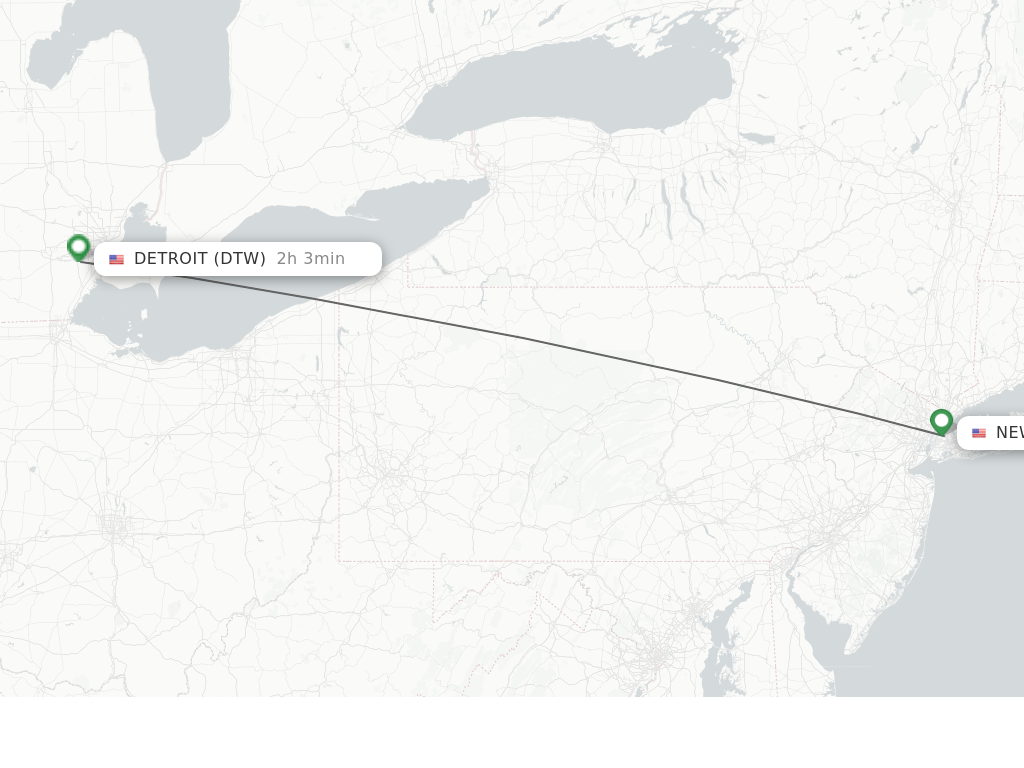
The most straightforward interpretation of “how far” relates to physical distance. Geographically, New York City and Detroit are separated by a considerable expanse of the northeastern and midwestern United States. This distance is typically measured in road miles or kilometers, and it forms the basis for planning logistical aspects of travel.

Driving Distance and Time
The most common way individuals traverse the distance between New York and Detroit is by automobile. The primary driving route usually involves heading west on Interstate 80 (I-80) for a significant portion of the journey, eventually connecting to other major highways that lead into Detroit. This route takes travelers through diverse landscapes, from the rolling hills of Pennsylvania to the industrial heartland of Ohio.
The total driving distance is approximately 600 to 650 miles (965 to 1045 kilometers), depending on the specific starting and ending points within each metropolitan area. This translates to an estimated driving time of 9 to 11 hours of continuous travel, without accounting for stops. However, this is an idealized scenario. In reality, factoring in necessary breaks for fuel, meals, and rest, as well as potential traffic congestion, particularly around New York and the Ohio Turnpike, can extend the journey to 12 to 15 hours or even longer. Many travelers opt to break up the drive, perhaps with an overnight stop in a city like Cleveland, Pennsylvania, or Toledo, making the trip a more relaxed two-day affair. This allows for more opportunities to explore smaller towns or points of interest along the way, transforming a simple transit into a mini road trip.
Air Travel: The Fastest Route
For those seeking to minimize travel time, air travel is the most efficient option. New York boasts multiple major airports, including John F. Kennedy International Airport (JFK), LaGuardia Airport (LGA), and Newark Liberty International Airport (EWR), all serving a vast network of domestic and international flights. Detroit is primarily served by Detroit Metropolitan Wayne County Airport (DTW), a major hub in the Midwest.
Direct flights between New York and Detroit are frequent and typically last around 1.5 to 2 hours. This airborne journey covers the geographical distance rapidly, making it the preferred choice for business travelers or those with limited vacation time. When considering the total travel time, however, it’s important to include the hours spent at the airport for check-in, security, boarding, and the travel to and from the airports at either end. Even with these considerations, flying remains significantly faster than driving for this particular route.
Train Travel: A Scenic Alternative
For travelers who appreciate a more leisurely pace and scenic views, train travel presents another viable option. Amtrak operates services that connect the two cities, though it often requires transfers and is generally the slowest mode of transport. The journey by train typically takes between 14 and 20 hours, depending on the specific route and connections. While not the quickest, train travel offers the unique advantage of allowing passengers to relax, work, or simply enjoy the passing scenery of the American landscape without the stress of driving or airport procedures.
Understanding the “Distance” Beyond Miles
The concept of distance is not solely defined by geographical mileage; it also encompasses the perceived effort, cost, and experience associated with traveling between two locations. From this perspective, the “distance” between New York and Detroit can be examined through various lenses.
Cost Considerations
The financial outlay for travel varies significantly based on the chosen mode of transportation.
Driving Expenses
When driving, the primary costs include fuel, potential tolls (especially on routes through Pennsylvania and Ohio), and wear and tear on the vehicle. Fuel costs fluctuate with market prices, but for a roughly 600-mile trip, assuming an average fuel efficiency and current gas prices, this can range from $100 to $200 each way. Tolls can add another $30 to $60. If an overnight stay is factored in, accommodation costs must also be considered.
Airfare Variability
Airfare prices are notoriously dynamic, influenced by factors such as booking time, season, day of the week, and airline demand. A round-trip ticket between New York and Detroit can range from as low as $150 during off-peak times to $500 or more during holidays or peak travel seasons. Additionally, costs for airport parking or transportation to/from the airport should be factored in.
Train Ticket Prices
Train tickets with Amtrak generally fall somewhere between driving and flying in terms of cost, though they can sometimes be more expensive than budget flights, especially for last-minute bookings. Prices for a one-way ticket can range from $70 to $150, with sleeper car accommodations significantly increasing the price.
Travel Experience and Preferences
The “distance” can also be interpreted by the type of experience a traveler seeks.
The Road Warrior’s Perspective
For those who relish the freedom of the open road, the driving distance between New York and Detroit offers an opportunity for exploration. This journey can include stops at roadside attractions, charming small towns, and scenic overlooks. The experience is about the journey itself, with the destination being a secondary, albeit important, component. This approach embraces the vastness of the American landscape and allows for spontaneous discoveries.
The Time-Conscious Traveler
Individuals prioritizing speed and efficiency will view the distance primarily through the lens of flight time and overall transit duration. For them, the “distance” is a number to be minimized, with the goal of reaching Detroit from New York as swiftly as possible to maximize time at the destination for business or leisure. This mindset often leads to choosing flights and efficient transfers.
The Leisurely Explorer
The train traveler might perceive the distance as an opportunity for a relaxed and immersive travel experience. The elongated journey becomes part of the vacation, offering a chance to disconnect from the rush of everyday life and enjoy the unfolding scenery. The “distance” here is less about the miles covered and more about the duration and quality of the travel itself.
Planning Your Journey: Navigating the Space Between
Successfully navigating the distance between New York and Detroit requires thoughtful planning, irrespective of the chosen travel method. Understanding the nuances of each option ensures a smoother and more enjoyable trip.
For the Driver: Route Optimization and Preparation
When planning a road trip, detailed route planning is crucial. Utilizing GPS navigation apps is standard, but it’s also wise to have a general understanding of the route and potential alternative paths in case of road closures or unexpected delays. Checking traffic conditions before departure and periodically during the drive, especially around major urban areas, can save considerable time. Ensuring the vehicle is in good working order, with checked tires, oil, and fluids, is paramount for a safe journey. Packing essentials, including snacks, water, a first-aid kit, and emergency supplies, adds another layer of preparedness.
For the Flyer: Booking Strategies and Airport Logistics
Booking flights in advance is generally recommended to secure better prices. Comparing fares across different airlines and considering various New York and Detroit airports can also yield savings. Arriving at the airport with ample time is essential to navigate security procedures without stress. Understanding baggage allowances and restrictions beforehand can prevent last-minute issues. For ground transportation from Detroit Metropolitan Wayne County Airport (DTW), options include rental cars, taxis, rideshare services, and shuttle buses, each with its own cost and convenience factor.
For the Train Passenger: Schedule Awareness and Comfort
Amtrak schedules should be consulted well in advance, as train services are less frequent than flights. Booking tickets, especially for popular routes or during peak seasons, is also advised. When traveling by train for an extended period, comfort is key. Bringing a neck pillow, a good book, headphones, and snacks can enhance the journey. The flexibility of being able to walk around the train and visit the dining or observation car offers a unique travel experience that is distinctly different from the more confined nature of air or car travel.

The Interconnectedness of Two American Cities
Ultimately, the “distance” between New York and Detroit is a quantifiable measure of miles and hours, but it is also a testament to the interconnectedness of the United States. This connection is facilitated by a robust transportation infrastructure that allows for the movement of people, goods, and ideas between these vital economic and cultural centers. Whether by the roar of jet engines, the hum of tires on asphalt, or the rhythmic clatter of train wheels, the journey between these two iconic cities is a fundamental part of the American travel experience, bridging the diverse landscapes and histories that define the nation. Understanding how far New York is from Detroit is not just about measurement; it’s about appreciating the possibilities for exploration and connection that exist across the American tapestry.
LifeOutOfTheBox is a participant in the Amazon Services LLC Associates Program, an affiliate advertising program designed to provide a means for sites to earn advertising fees by advertising and linking to Amazon.com. Amazon, the Amazon logo, AmazonSupply, and the AmazonSupply logo are trademarks of Amazon.com, Inc. or its affiliates. As an Amazon Associate we earn affiliate commissions from qualifying purchases.