
Planning a journey from the bustling, neon-lit corridors of New York to the sun-drenched, oak-lined avenues of South Carolina is an exercise in appreciating the geographic diversity of the United States. Whether you are trading the frantic energy of Times Square for the genteel hospitality of Charleston or swapping the skyscrapers of Manhattan for the pristine sands of Myrtle Beach, understanding the distance and logistical nuances is the first step toward a seamless transition.
Understanding the Geographic Span
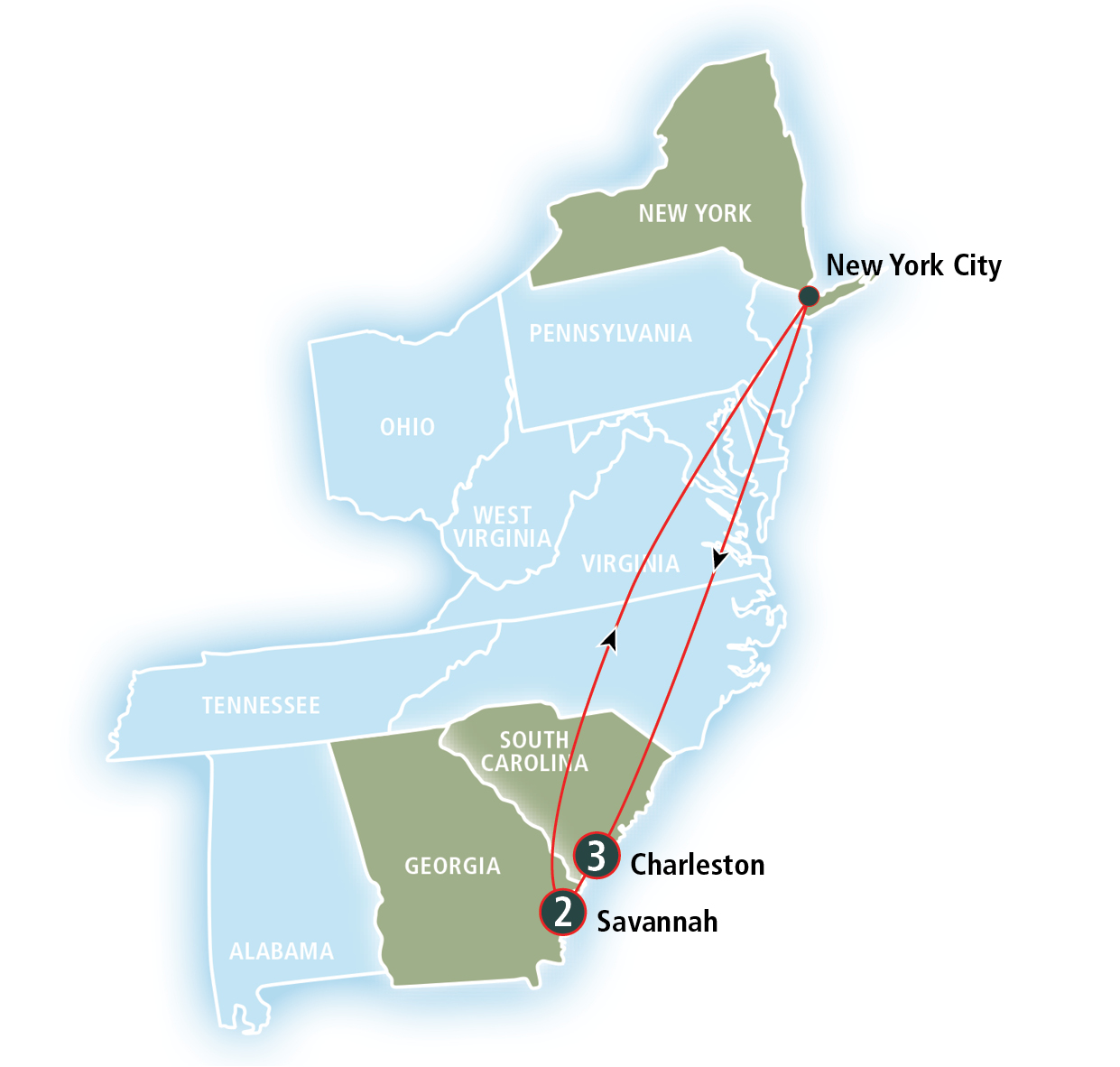
The distance between New York City and South Carolina varies significantly depending on your specific destination. As a general rule of thumb, you are looking at a journey that spans approximately 600 to 800 miles.
The Direct Line
If you were to draw a straight line from New York to the northern border of South Carolina, the distance is manageable, but roads do not typically follow a perfect vector. When driving, most travelers find themselves traversing the I-95 corridor, a massive artery that connects the major urban hubs of the Eastern Seaboard.
Regional Variations
- Northern South Carolina: Destinations like Fort Mill or Rock Hill are closer to the mid-Atlantic states, making them an easier haul from the Northeast.
- Coastal South Carolina: If your goal is Hilton Head Island, you are adding several hours of driving through the entire length of North Carolina and the southern portion of the Palmetto State.
Modes of Travel: Weighing Your Options
Choosing how to traverse this distance depends largely on your timeframe, budget, and desire for adventure.
The Road Trip Experience
Driving is the most popular way to make the trip, as it provides the flexibility to explore hidden gems along the way.
- The Route: The most direct path follows Interstate 95, which takes you through New Jersey, Delaware, Maryland, Virginia, and North Carolina.
- Travel Time: Expect to spend between 11 and 14 hours behind the wheel, depending on traffic density near cities like Washington D.C. and Richmond.
- The Benefit: You can stop at historic sites such as Colonial Williamsburg or enjoy the seafood in Savannah if you decide to push further south.
Air Travel: Speed and Convenience
For those with limited time, flying is the clear winner.
- Flight Duration: A flight from John F. Kennedy International Airport or LaGuardia Airport to Charleston International Airport typically takes about two hours of air time.
- Airport Logistics: When you factor in travel to the airport, security lines, and boarding, the total door-to-door time is usually around five to six hours.
- Connectivity: Major airlines offer consistent, direct service to Greenville, Columbia, and Charleston, ensuring that even the more rural parts of the state are accessible.

Rail Journeys: The Scenic Route
Taking the Amtrak provides a uniquely rhythmic experience. The Palmetto train service runs from New York Penn Station down to South Carolina. While it is significantly slower than flying—taking anywhere from 12 to 16 hours—it allows for comfortable seating, dining cars, and the ability to work or relax without the stress of navigating traffic.
Planning Your Itinerary: Transitions in Culture
When moving from New York to South Carolina, you aren’t just changing geography; you are shifting cultural gears.
The Urban Energy of the North
New York City is defined by its verticality, its constant motion, and its density. It is a place where history is layered beneath modern glass, and convenience is the primary currency. Travelers leaving New York often seek South Carolina precisely because it offers the antithesis of this experience.
The Lowcountry and Upstate Charm
South Carolina is divided into distinct cultural regions that demand different travel expectations:
- The Lowcountry: Known for its marshlands, Spanish moss, and historical architecture, this region centers around Charleston and Beaufort. It is a slower pace of life where the “porch culture” reigns supreme.
- The Upstate: Nestled near the Blue Ridge Mountains, areas like Greenville offer a different aesthetic—one that emphasizes outdoor activity, a burgeoning culinary scene, and a connection to the natural beauty of the Appalachian Mountains.
Strategic Travel Tips
To make the transition between these two iconic states as smooth as possible, keep these logistical points in mind:
Traffic Mitigation
If driving, the most critical variable is avoiding the rush hour congestion in the Mid-Atlantic. Try to time your departure from New York to bypass Washington D.C. during peak hours. A departure in the early hours of the morning, or perhaps late in the evening, can shave hours off your total transit time.
Seasonal Considerations
South Carolina experiences a much milder winter than New York. If you are traveling in the summer months, prepare for high humidity and the potential for afternoon thundershowers. Conversely, traveling to the Northeast during the winter months requires vigilance regarding snowstorms and icy road conditions, which can complicate long-distance travel significantly.

Embracing the Journey
Regardless of the distance, the journey from New York to South Carolina offers a fascinating window into the evolution of the American landscape. You transition from the concrete canyons of Wall Street to the rolling hills and pine forests of the American South.
Whether you choose the speed of a jet, the convenience of the rails, or the independence of the open road, the distance is not merely a number of miles to be crossed. It is a bridge between two worlds—the high-octane sophistication of the Empire State and the warm, welcoming, and historic charm of the Palmetto State. By understanding the distance and preparing accordingly, you ensure that the time spent traveling becomes a meaningful part of your overall vacation experience, setting the stage for everything that awaits you upon arrival.
LifeOutOfTheBox is a participant in the Amazon Services LLC Associates Program, an affiliate advertising program designed to provide a means for sites to earn advertising fees by advertising and linking to Amazon.com. Amazon, the Amazon logo, AmazonSupply, and the AmazonSupply logo are trademarks of Amazon.com, Inc. or its affiliates. As an Amazon Associate we earn affiliate commissions from qualifying purchases.