
Planning a trip from the bustling metropolis of New York to the vast expanse of Canada involves understanding the geographical nuances and logistical considerations that come with traversing international borders. While the two share a lengthy border, the concept of “how far” is multifaceted, depending on your starting point within New York and your intended destination within Canada. This article delves into the distances and travel times, offering insights for those looking to explore the diverse offerings of our northern neighbor.
The Diverse Reach of “Canada” from New York
Canada is not a monolithic entity when measured against New York. Its sheer size means that the distance can vary dramatically. For travelers, this translates to different gateways, travel methods, and ultimately, different experiences. Understanding these variations is key to effective travel planning.
Proximity to Eastern Canada: The Closest Borders
For many in New York, the most accessible parts of Canada lie in its eastern provinces. The border crossings near Niagara Falls, for instance, offer a direct route to Ontario.
Driving Distances and Times to Ontario
The most common entry point from upstate New York is via the Rainbow Bridge, leading directly into Niagara Falls, Ontario.
- New York City to Niagara Falls, Ontario: This is a significant drive, typically around 400 miles (approximately 640 kilometers) and can take anywhere from 6.5 to 8 hours, depending heavily on traffic, particularly around the metropolitan areas and border crossings. This journey often involves driving through the heart of New York state, passing through cities like Syracuse or Rochester.
- Buffalo, New York to Niagara Falls, Ontario: This is a much shorter distance, roughly 20 miles (about 32 kilometers), and takes about 30-45 minutes, excluding border wait times. This makes it a popular day trip or a convenient starting point for further exploration into Canada.
Beyond Niagara Falls, other border crossings lead to different parts of Ontario. For example, traveling to Toronto, Canada‘s largest city, from New York City involves a longer drive.
- New York City to Toronto: This journey spans approximately 550 miles (around 885 kilometers) and typically requires 9 to 11 hours of driving, again, subject to traffic conditions. This route often takes you through cities like Albany and then westward across New York state before crossing into Canada via the Niagara region or further west.
- New York City to Ottawa: The capital city of Canada, Ottawa, is further east than Toronto. The drive from New York City is approximately 550 miles (around 885 kilometers), similar in distance to Toronto, but the routes might differ, often involving more eastern New York state highways and potentially crossing into Canada near the Thousand Islands. Driving time can range from 9 to 10 hours.
Flights to Eastern Canadian Hubs
For those seeking to bypass the longer drives, flying offers a much quicker alternative to reach major Canadian cities.
- New York City (JFK, LGA, EWR) to Toronto (YYZ): Direct flights are frequent and typically last around 1 hour and 30 minutes. When factoring in travel to and from airports, security, and boarding, the total travel time is significantly reduced compared to driving.
- New York City (JFK, LGA, EWR) to Montreal (YUL): Flights to Montreal, a vibrant cultural hub in Quebec, are also common. The flight duration is usually around 1 hour and 45 minutes.
- New York City (JFK, LGA, EWR) to Ottawa (YOW): Direct flights to Ottawa are available and generally take approximately 1 hour and 40 minutes.
These flight options make exploring Quebec and Ontario from New York highly feasible for short trips or as a starting point for longer Canadian adventures.
The Expanding Horizon: Central and Western Canada
As you move further west or east from New York, the distances to other Canadian provinces naturally increase. Traveling to regions like the Canadian Prairies or the Canadian Rockies requires a more significant commitment in terms of time and planning.
Trans-Canada Journeys: Driving to the West
Driving across Canada from New York is a monumental undertaking, often considered an epic road trip. The distances are vast, and the experience is about the journey as much as the destination.
- New York City to Vancouver, British Columbia: This is one of the longest possible drives between the two countries. The distance is approximately 3,100 miles (about 5,000 kilometers). This journey would realistically take a minimum of 5-7 days of continuous driving, averaging 8-10 hours per day. The route would likely involve extensive travel across multiple US states and then traversing the breadth of Canada via the Trans-Canada Highway, passing through provinces like Ontario, Manitoba, Saskatchewan, Alberta, and finally reaching British Columbia.
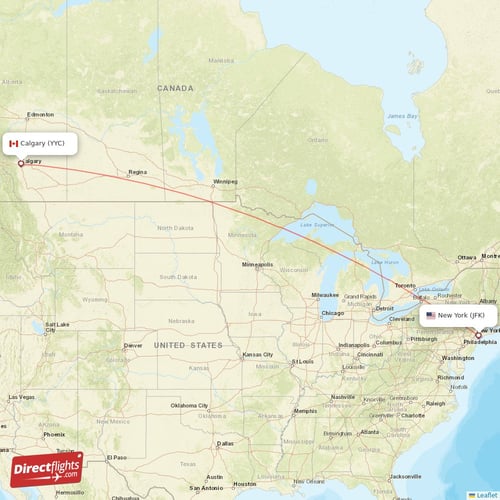
- New York City to Calgary, Alberta: A slightly shorter, but still substantial drive, the distance to Calgary is around 2,300 miles (approximately 3,700 kilometers). This trip would typically require 4-5 days of dedicated driving.
These cross-country drives offer unparalleled opportunities to see the diverse landscapes of North America, from the Great Lakes to the Rocky Mountains.
Flights to Distant Canadian Cities
For those with limited time, flying remains the most practical method for reaching western Canada.
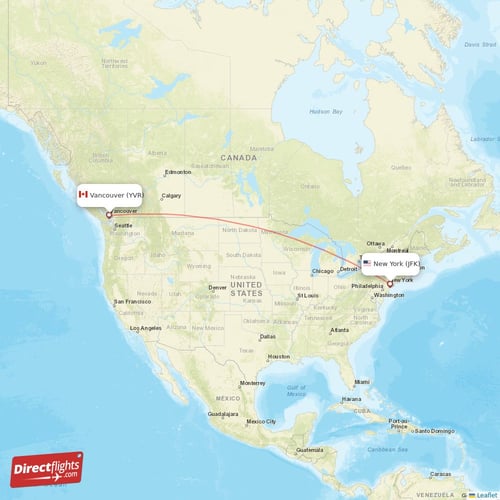
- New York City to Vancouver (YVR): Direct flights to Vancouver usually take around 5 to 6 hours. This makes a trip to the Pacific coast of Canada accessible, albeit requiring a significant chunk of a day for travel.
- New York City to Calgary (YYC): Flights to Calgary typically range from 4.5 to 5.5 hours. This allows travelers to experience the majestic Canadian Rockies, including nearby national parks like Banff National Park.
When considering these longer journeys, it’s essential to factor in time zone differences, as Canada spans six time zones.
Planning Your Journey: Essential Considerations
Understanding the distances is just the first step. Successful travel from New York to Canada hinges on meticulous planning. This includes visa requirements, border crossing procedures, transportation options, and accommodation choices that align with your travel style and budget.
Navigating Borders and Documentation
Crossing the border between the United States and Canada is generally straightforward for citizens of both countries, but requires proper documentation.
- For US Citizens: A valid US passport, passport card, or enhanced driver’s license is typically required. For land and sea crossings, an enhanced driver’s license (EDL) can be used. Air travel always necessitates a passport.
- For Other Nationalities: Depending on your nationality, you may require a visa or an Electronic Travel Authorization (eTA) to enter Canada. It is crucial to check the official Canada Border Services Agency (CBSA) website for the most up-to-date requirements well in advance of your travel.
- Border Crossing Times: Be prepared for potential wait times at land borders, especially during peak travel seasons, holidays, and weekends. Using border wait time apps or checking official CBSA resources can help you choose less congested crossings.
Transportation Modalities: Choosing Your Route
The “how far” question directly influences the most suitable mode of transportation.
- Driving: Ideal for exploring the regions close to the border, such as Ontario and Quebec, or for those who relish a long-haul adventure across the country. Driving offers flexibility and the opportunity to stop at various points of interest along the way. Rental cars are readily available in New York.
- Flying: The most efficient option for reaching distant Canadian cities like Vancouver, Calgary, or Montreal quickly. Numerous airlines operate routes between major New York and Canadian airports.
- Train: VIA Rail Canada offers scenic routes, though journeys from New York are typically not direct and involve transfers. For example, a train journey to Toronto from New York City can take over 12 hours and may involve a connection in Buffalo. While slower than flying, it can offer a more relaxed and scenic experience.
- Bus: Intercity bus services, such as Greyhound, connect New York to various Canadian cities. This is generally the most budget-friendly option but also the slowest, with travel times often exceeding driving durations due to multiple stops.

Accommodation and Local Experiences
Once you’ve determined your distance and mode of travel, consider the type of experience you’re seeking.
- Near the Border: For shorter trips into Ontario, you might find accommodations ranging from budget-friendly motels in border towns to more established hotels in cities like Niagara Falls or Toronto.
- Across Canada: For longer trips to western Canada, the options broaden significantly. You can find luxury resorts in the Canadian Rockies, boutique hotels in cities like Vancouver and Calgary, or cozy lodges offering unique wilderness experiences.
- Unique Stays: Consider unique accommodations like charming bed and breakfasts in Quebec‘s historic districts, rustic cabins in British Columbia‘s forests, or even glamping experiences that immerse you in nature.
The distance from New York to Canada is not a single number but a spectrum of possibilities. Whether you’re aiming for a weekend getaway to Niagara-on-the-Lake or an epic road trip to the Pacific coast, understanding these distances is the first step in crafting an unforgettable Canadian adventure.
LifeOutOfTheBox is a participant in the Amazon Services LLC Associates Program, an affiliate advertising program designed to provide a means for sites to earn advertising fees by advertising and linking to Amazon.com. Amazon, the Amazon logo, AmazonSupply, and the AmazonSupply logo are trademarks of Amazon.com, Inc. or its affiliates. As an Amazon Associate we earn affiliate commissions from qualifying purchases.