
The question “How far is New York?” often goes beyond a simple measurement of miles or kilometers. While it certainly refers to the physical distance to one of the world’s most vibrant and influential cities, it also subtly asks about the journey itself – the ease of access, the planning required, the cost, and ultimately, whether the destination lives up to the anticipation. New York City, a global epicenter of culture, finance, fashion, and art, beckons millions of travelers each year, making the “distance” a multifaceted consideration for anyone dreaming of experiencing its legendary energy.
New York is more than just a dot on the map; it’s an aspiration, a bucket-list destination for many, and a frequent business hub for others. Nestled on the eastern coast of the United States in North America, it serves as a gateway to the continent and a bustling metropolis that never truly sleeps. Understanding “how far” encompasses everything from flight times and visa requirements to the sheer breadth of experiences waiting to be discovered, and how to navigate them. This guide aims to demystify the journey, both literal and metaphorical, to the Big Apple, ensuring your trip is not just a dream but a well-planned reality.
Bridging the Miles: The Literal Journey to the Big Apple
Physically, New York is a significant distance from many parts of the globe, yet it is remarkably accessible. Its status as a major international hub means that travel infrastructure is robust, designed to connect the city with virtually every corner of the world. The journey itself can be part of the adventure, offering glimpses of diverse landscapes and cultures even before you step onto the bustling streets of Manhattan.
A Global Hub of Accessibility
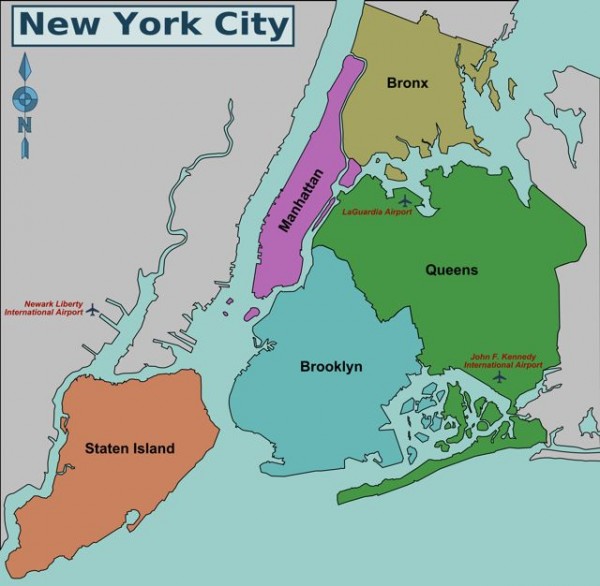
New York City is served by three major international airports, making it one of the most connected cities on Earth. These include John F. Kennedy International Airport (JFK), Newark Liberty International Airport (EWR) (located in New Jersey but serving the NYC metropolitan area), and LaGuardia Airport (LGA), primarily handling domestic flights and some international routes to Canada and the Caribbean. These airports are gateways, facilitating millions of arrivals and departures annually.
For international travelers, flight times can vary widely. From major European cities like London or Paris, a direct flight typically ranges from 7 to 8 hours. From further afield, such as Tokyo in Asia, the journey can extend to 13-14 hours. Travelers from Los Angeles on the US west coast can expect a flight of around 5-6 hours. These direct connections are a testament to New York’s central role in global travel.
Beyond air travel, New York is a central node for domestic travel within the US. An extensive network of trains, including Amtrak, connects Penn Station to cities across the Northeast Corridor and beyond. Buses also provide an economical way to reach the city from neighboring states, arriving at the Port Authority Bus Terminal. For those embarking on a road trip, a dense highway system leads directly into the city, though navigating traffic and parking in New York can be an adventure in itself. The literal distance might be far, but the infrastructure ensures the journey is as streamlined as possible.

Navigating Logistics: Visas and Entry Requirements
Before even considering the miles, understanding the administrative “distance” to New York is crucial. For international visitors, this primarily involves passport and visa requirements for entry into the United States.
Citizens of countries participating in the Visa Waiver Program (VWP) can travel to the US for tourism or business for stays of 90 days or less without a visa. However, they must obtain an approved authorization through the Electronic System for Travel Authorization (ESTA) prior to their departure. This online application is generally straightforward but requires planning and approval before travel.
For travelers from non-VWP countries, securing a US visa is a more involved process. This typically requires an application at a US embassy or consulate in their home country, including an interview and submission of various documents demonstrating the purpose of their visit and intent to return home. The type of visa required will depend on the nature of the trip (e.g., B-1 for business, B-2 for tourism).
Regardless of your country of origin, a valid passport is universally required, typically with at least six months’ validity beyond your intended stay. It’s also wise to have travel insurance, especially for longer trips or if participating in activities with inherent risks. Understanding and fulfilling these requirements in advance is key to ensuring a smooth and stress-free entry into New York, effectively shortening the perceived administrative “distance” to your dream vacation.
Beyond Distance: The “How Far” of Planning Your New York Adventure
Once the physical and administrative distances are accounted for, the “how far” shifts to the practicalities of planning an unforgettable trip. This involves decisions about duration, activities, and budget, all of which shape the experience and determine the true scope of your New York adventure. The city offers such a vast array of possibilities that thoughtful planning is essential to maximize your time and enjoyment.
Crafting Your Itinerary: Time and Activities
The ideal length of a visit to New York depends heavily on your interests and budget. A weekend getaway can certainly provide a taste of the city’s highlights, perhaps focusing on Times Square, a Broadway show, and a quick visit to Central Park. However, to truly immerse yourself, a week or even longer is highly recommended. This allows for exploration of different boroughs and neighborhoods, a deeper dive into museums, and a chance to experience the local pace beyond the major tourist attractions.
Iconic landmarks are, of course, a must-see. A visit to the Statue of Liberty and Ellis Island is a poignant journey into American history. Ascending the Empire State Building or Top of the Rock at Rockefeller Center offers breathtaking panoramic views of the cityscape. Art enthusiasts will find themselves lost for hours in the hallowed halls of the Metropolitan Museum of Art (The Met) or the modern masterpieces at the Museum of Modern Art (MoMA) or the unique architecture of the Guggenheim Museum. For history buffs, the 9/11 Memorial & Museum at the World Trade Center site offers a solemn and powerful experience.
Beyond the major sights, consider seasonal activities. Winter in New York brings festive holiday markets, ice skating at Rockefeller Center, and dazzling window displays. Summer offers outdoor concerts, street festivals, and relaxing days in Central Park or on Governors Island. Planning your activities based on the season can add another layer of enjoyment to your visit. Integrating both well-known attractions and discovering local gems creates a rich and unforgettable itinerary, ensuring that the “distance” of your trip feels perfectly balanced.
Budgeting Your Big Apple Experience
New York City has a reputation for being expensive, and while it certainly can be, it’s also a city where a well-planned budget can stretch further than you might expect. The “how far” in terms of your wallet is a critical planning component. Key expenses typically include flights, accommodation, food, transportation within the city, and attraction entry fees.
Flights will often be one of the largest costs, fluctuating based on season, booking lead time, and origin. Accommodation costs vary wildly, from luxury hotels in Midtown Manhattan to more budget-friendly options in Brooklyn or Queens. Savvy travelers often look for deals on hotels or consider vacation rentals for longer stays.
Food costs can range from affordable street food and delis to high-end fine dining experiences. Public transport via the iconic NYC subway and bus system is efficient and relatively inexpensive, especially with a MetroCard. For attractions, consider purchasing a discount pass like the New York CityPass, New York Pass, or Go City Pass, which bundle entry to multiple popular sights at a reduced price. Many world-class museums also offer free or “pay-what-you-wish” admission on specific days or hours.

For budget-conscious travelers, there are plenty of free activities: strolling across the Brooklyn Bridge, exploring Central Park, riding the Staten Island Ferry for views of the Statue of Liberty, or walking the elevated High Line park. Balancing these free experiences with a few splurge items, like a Broadway show or a special meal, can create a rich experience without breaking the bank. By carefully considering each component of your budget, the financial “distance” to enjoying New York becomes much more manageable.
New York: A World Within Reach – Why the Journey is Always Worth It
Ultimately, the question of “how far is New York?” is best answered by the unparalleled richness of the destination itself. The city’s magnetic pull stems from its incredible diversity, its relentless energy, and its capacity to offer something truly unique for every visitor. The journey, regardless of its length, is invariably rewarded with a lifetime of memories.
Diverse Accommodation for Every Traveler
One of New York’s strengths lies in its vast array of accommodation options, catering to every style, budget, and travel purpose. From opulent luxury hotels to chic boutique stays and practical extended-stay apartments, finding the perfect base for your exploration is a key part of the planning process.
For those seeking an indulgent experience, Manhattan boasts world-renowned establishments like The Plaza Hotel overlooking Central Park, or The St. Regis New York for classic elegance. Boutique hotels in neighborhoods like Greenwich Village or SoHo, such as The Greenwich Hotel, offer personalized service and unique charm. For business travelers, many hotels in Midtown offer state-of-the-art facilities and convenient access to corporate hubs.
Budget-conscious travelers also have plenty of choices, including hostels, more affordable hotels in areas like Long Island City in Queens, or outer parts of Brooklyn that still offer excellent subway access to Manhattan. Vacation rentals, particularly for families or groups, can also provide cost-effective and spacious alternatives, often with kitchen facilities.
When booking, consider the neighborhood that best suits your interests. Midtown is ideal for first-time visitors wanting proximity to major landmarks like Times Square and Grand Central Terminal. Downtown Manhattan neighborhoods like the Financial District or Tribeca offer a different vibe, while Upper East Side and Upper West Side provide a more residential, upscale experience close to museums and Central Park. Regardless of where you choose to stay, booking in advance, especially during peak season, is always advisable to secure the best rates and locations.
Immersion in Culture, Cuisine, and Lifestyle
The true magic of New York lies in its unparalleled cultural tapestry, a vibrant mosaic woven from countless communities and traditions. This rich diversity is most evident in its world-class cuisine and its dynamic lifestyle, offering an experience that transcends mere sightseeing.
New York is a global culinary capital. From Michelin-starred restaurants serving innovative dishes to authentic street food vendors dishing out flavors from every corner of the world, your taste buds are in for an adventure. Explore Chinatown for dim sum, savor pasta in Little Italy, or discover trendy eateries in the East Village. Bagels, New York-style pizza, and cheesecake are iconic must-tries, but the city also caters to every dietary preference and culinary curiosity imaginable.
Culturally, New York is a powerhouse. The Broadway theater district offers dazzling performances, from classic musicals to groundbreaking plays. Music lovers can catch live jazz in Greenwich Village, classical concerts at Carnegie Hall, or major artists at Madison Square Garden or Radio City Music Hall. The city is a hub for fashion, with high-end boutiques on Fifth Avenue and quirky vintage shops in Brooklyn.
Beyond organized events, the everyday lifestyle is a spectacle in itself. Take a walk through distinct neighborhoods like Harlem, known for its rich history and gospel choirs, or the artistic enclave of Chelsea with its numerous galleries. Explore local markets, join a free walking tour, or simply find a bench in a busy square and watch the world go by. This immersion in New York’s authentic culture and lifestyle transforms a visit from a distant dream into a tangible, unforgettable reality.
Iconic Landmarks and Hidden Gems
New York’s skyline is instantly recognizable, dotted with architectural marvels and historical sites that have become global symbols. Beyond these towering icons, the city also conceals countless hidden gems, waiting to be discovered by intrepid explorers.
Of course, no visit is complete without marveling at the sheer scale of the Empire State Building, strolling through the verdant expanse of Central Park, or feeling the electric pulse of Times Square with its blinding billboards. The engineering marvel of the Brooklyn Bridge offers stunning views of the Manhattan skyline, particularly at sunset. The solemn beauty of the World Trade Center Memorial and One World Trade Center serves as a poignant reminder of resilience. Wall Street and the Charging Bull embody the city’s financial might, while the intricate design of Grand Central Terminal is a masterpiece of public architecture. Other architectural wonders like the Chrysler Building and the Flatiron Building add to the city’s distinctive character.
But the real depth of New York often lies in its lesser-known treasures. Walk the entire length of the High Line, an elevated park built on historic freight rail lines, offering unique perspectives of the city and public art installations. Escape the urban hustle in the tranquil botanical gardens of the Bronx or explore the artistic enclaves of the West Village and its charming brownstones. Take the ferry to Coney Island for a dose of nostalgic amusement park fun, or discover the vibrant street art in Bushwick, Brooklyn. Even within familiar neighborhoods, tiny pocket parks, hidden speakeasies, or unique specialty shops reveal themselves to those willing to wander off the beaten path. These layered discoveries, combining iconic grandeur with intimate charm, make every journey to New York a profoundly rewarding experience.
In conclusion, “How far is New York?” is a question best answered by the experience itself. While the physical distance might be substantial, the city’s unparalleled accessibility through its global transportation network ensures that it’s always within reach. The true “distance” is then measured in the planning and anticipation, the choices you make for your itinerary, and the budget you set. But once you arrive, you’ll find that the journey, however far, leads to a world of endless possibilities, diverse cultures, iconic landmarks, and countless hidden gems. New York is not just a destination; it’s an immersive journey, and every mile traveled is an investment in unforgettable memories.
LifeOutOfTheBox is a participant in the Amazon Services LLC Associates Program, an affiliate advertising program designed to provide a means for sites to earn advertising fees by advertising and linking to Amazon.com. Amazon, the Amazon logo, AmazonSupply, and the AmazonSupply logo are trademarks of Amazon.com, Inc. or its affiliates. As an Amazon Associate we earn affiliate commissions from qualifying purchases.