
Navigating the transit between Newark Liberty International Airport and Manhattan is a rite of passage for millions of travelers visiting New York City. While the distance is relatively short—typically ranging from 15 to 20 miles depending on your final destination—the time it takes to traverse this gap can vary wildly based on the time of day, the mode of transport, and the unpredictable nature of New Jersey traffic. Understanding the logistics of this journey is essential for any traveler looking to maximize their time in the United States.
Understanding the Geographical Distance and Transit Realities
The straight-line distance between Newark and the heart of Midtown Manhattan is deceivingly brief. However, because the route requires crossing the Hudson River, the transit experience is heavily dictated by tunnel congestion and bridge traffic.
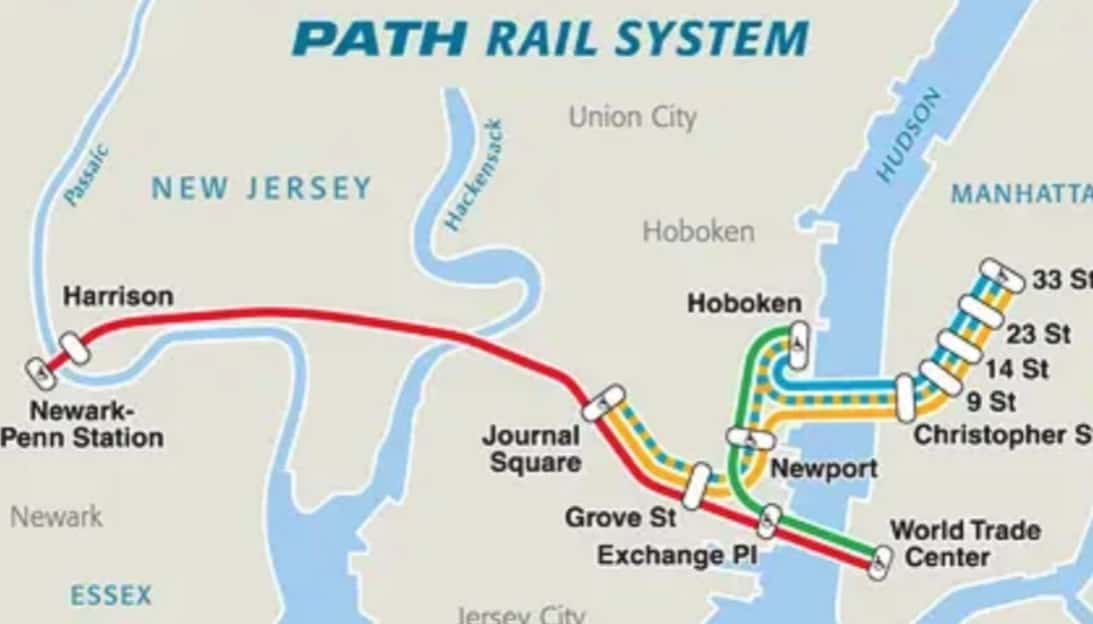
The Time Variable
Under ideal, late-night, or early-morning conditions, the drive from Newark Liberty International Airport to Times Square can take as little as 30 to 40 minutes. Conversely, during the morning and evening rush hours, that same journey can easily stretch to 75 or 90 minutes. Travelers should account for these fluctuations when scheduling their departures or arrivals. When traveling to major hubs like Penn Station, reliance on fixed-track transit often becomes the more reliable, albeit sometimes more crowded, choice.
The Most Efficient Transit Methods
Depending on your luggage load, budget, and sense of urgency, there are several distinct ways to bridge the gap between New Jersey and the Big Apple. Each offers a different balance of convenience and cost.
NJ Transit and the AirTrain
For those prioritizing speed and budget, the combination of the AirTrain Newark and NJ Transit is widely considered the “gold standard.” The AirTrain connects all airport terminals to the Newark Liberty International Airport Station, where you can transfer to a regional rail line.
- Pros: Immune to road traffic; relatively inexpensive; drops you directly in the center of Manhattan at Penn Station.
- Cons: Can be difficult with large amounts of luggage; requires navigating stairs or elevators; less comfortable than a private car service.

Private Car Services and Taxis
For business travelers or families, the convenience of a door-to-door car service is often worth the premium price. Booking a Lyft or Uber allows you to bypass the need to haul bags through turnstiles. However, one must remain cognizant of the Holland Tunnel or Lincoln Tunnel bottlenecks.
The Express Bus Alternatives
Various shuttle companies, such as the Newark Airport Express, provide direct service to specific stops in the city, including Port Authority Bus Terminal and Grand Central Terminal. These are often more comfortable than public transit and cheaper than a private vehicle, though they remain subject to the same unpredictable New Jersey highway traffic.
Strategic Planning for Airport Transfers
When determining how far you are from your final destination, it is important to factor in the “last mile.” Manhattan is a complex island, and the travel time changes significantly depending on whether you are heading to Lower Manhattan or the Upper West Side.
Factoring in the Time of Day
If your flight arrives at 8:00 AM on a weekday, you are entering the heart of the regional commute. Traffic entering Manhattan via the George Washington Bridge or the tunnels is notoriously slow. In these instances, rail options like NJ Transit are significantly superior to any road-based transport. Always check live traffic updates via a GPS app before committing to a rideshare service during peak hours.
Handling Luggage and Logistics
The physical constraints of transit modes should not be overlooked. While the rail systems are efficient, they are not designed for extensive luggage. If you are traveling with large suitcases, a private transfer or a pre-booked shuttle is often more manageable. Many visitors choose to stay at hotels near major transport hubs, such as the Hotel Pennsylvania or The New Yorker Hotel, to minimize the stress of the final leg of their commute.
Final Recommendations for Your Trip
Successfully navigating the distance between Newark and New York City comes down to preparation. By understanding the infrastructure connecting the two, you can turn a potentially stressful commute into a smooth start to your trip.

Pre-Travel Checklist
- Check Flight Arrival Times: If arriving during peak commute hours, prioritize rail travel.
- Download Apps: Keep transit apps for NJ Transit and traffic trackers like Waze handy.
- Identify Your Destination: Research the proximity of your hotel to Penn Station or the Port Authority Bus Terminal. If you are staying far from these hubs, factor in the cost and time of a secondary taxi or subway ride to reach your final accommodation.
- Factor in Buffer Time: Always add at least 30 to 45 minutes of “buffer” to your estimated travel time, especially when heading to the airport for your return flight. Unexpected delays at the Lincoln Tunnel can happen at any time of day, regardless of the schedule.
Ultimately, while Newark Liberty International Airport sits technically within New Jersey, it functions as one of the primary gateways to the New York City metropolitan area. Whether you are traveling for business to the Financial District or leisure to Central Park, knowing how to navigate this short but busy corridor will ensure that your visit to Manhattan begins and ends with ease. By choosing the transit method that best aligns with your itinerary, you can enjoy the transition between the hustle of the airport and the vibrant energy of the greatest city in the United States.
LifeOutOfTheBox is a participant in the Amazon Services LLC Associates Program, an affiliate advertising program designed to provide a means for sites to earn advertising fees by advertising and linking to Amazon.com. Amazon, the Amazon logo, AmazonSupply, and the AmazonSupply logo are trademarks of Amazon.com, Inc. or its affiliates. As an Amazon Associate we earn affiliate commissions from qualifying purchases.