
The question of how far Northwestern is from Chicago is a common one for visitors, prospective students, and residents alike, underscoring the dynamic relationship between a world-renowned university and a major global metropolis. While geographically distinct, the two are intrinsically linked, offering a unique blend of suburban campus life and vibrant urban opportunities. Understanding this proximity and the various modes of travel between them is essential for anyone looking to explore the region or commute for study, work, or leisure.
The Proximity Explained: Evanston and Chicago
Northwestern University is primarily located in Evanston, Illinois, a charming city immediately north of Chicago. This geographical placement means that while Northwestern isn’t in Chicago proper, it’s certainly on its doorstep, making for convenient travel between the two.
The Core Distance
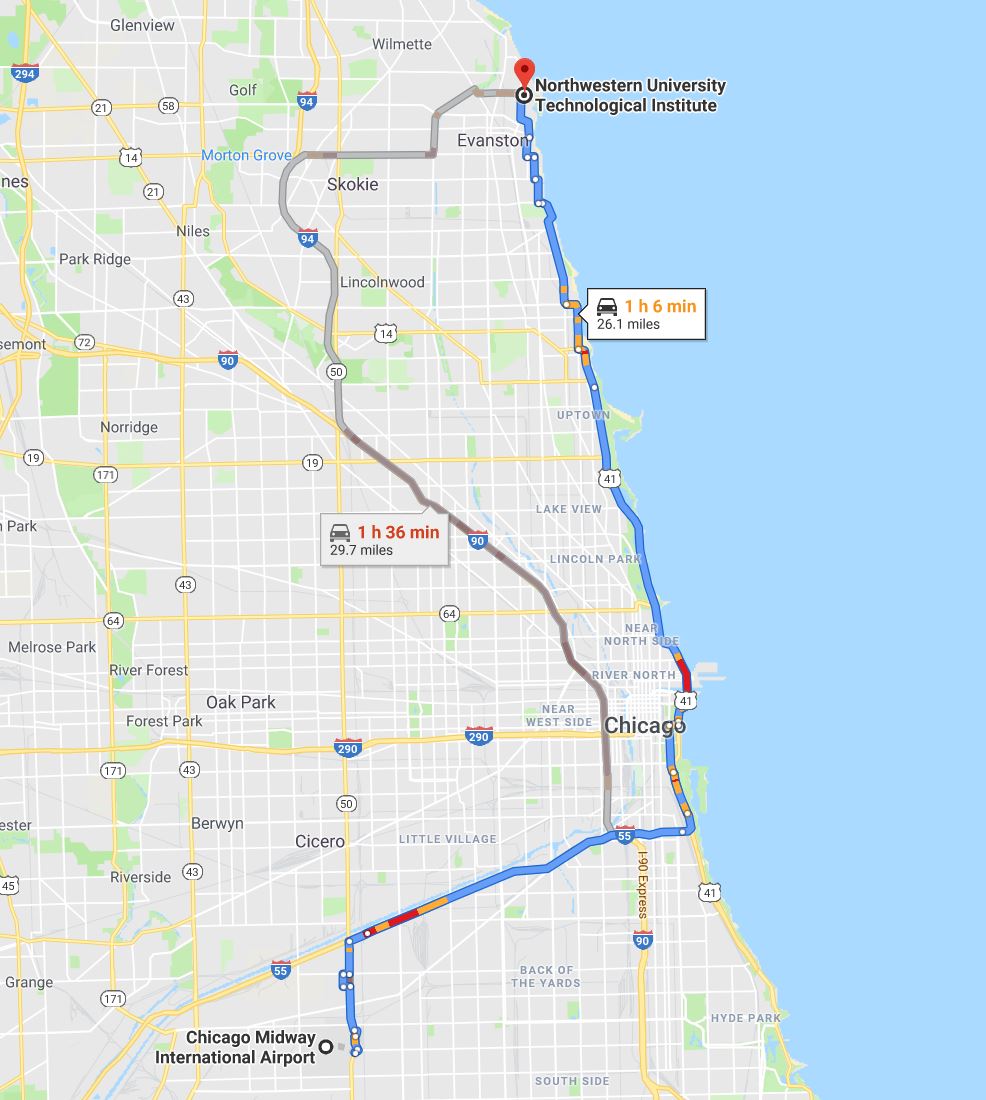
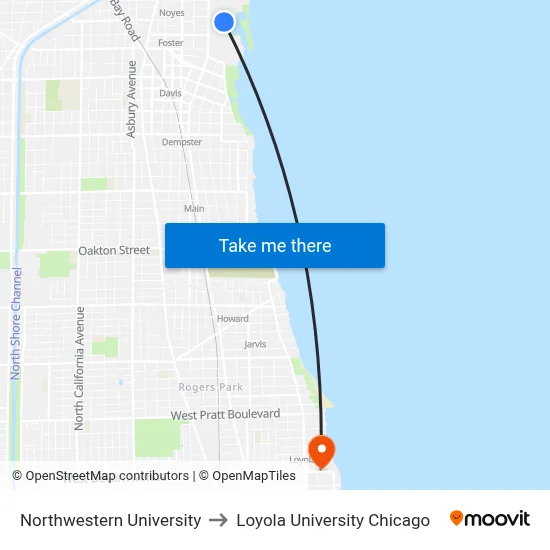
The central campus of Northwestern University in Evanston is approximately 12 to 15 miles (about 19 to 24 kilometers) north of Chicago’s downtown Loop area. This relatively short distance translates into highly accessible travel times, typically ranging from 30 minutes to an hour, depending on the chosen mode of transportation, time of day, and specific origin and destination points within each city. For instance, traveling from the northernmost parts of Chicago (Rogers Park, Edgewater) to Evanston is a much shorter commute than from the city’s far south side.
Geographical Context
Evanston is situated along the shores of Lake Michigan, much like Chicago, offering picturesque lakefront views and recreational opportunities. The transition from Chicago to Evanston is largely seamless, marked primarily by street names and the changing architectural style from dense urban high-rises to more suburban, tree-lined streets and historic homes. This close proximity fosters a synergistic relationship, with Northwestern students, faculty, and staff frequently venturing into Chicago for cultural events, internships, dining, and entertainment, while city residents often visit Evanston for campus events, its vibrant downtown, or access to the university’s facilities.
Navigating the Journey: Transportation Options
Traveling between Northwestern (specifically Evanston) and Chicago is remarkably straightforward, thanks to a comprehensive network of public and private transportation options. Each method offers distinct advantages in terms of cost, speed, and convenience, catering to different travel preferences and needs.
Public Transportation: Metra and CTA
Public transit is often the most cost-effective and environmentally friendly way to travel between Evanston and Chicago, bypassing city traffic and parking hassles.
Metra Commuter Rail
The Metra Union Pacific North (UP-N) Line is a popular choice for its speed and direct routes into Chicago’s Ogilvie Transportation Center or Union Station. Several Metra stations are conveniently located in Evanston, including Davis Street, Central Street, and Main Street, all within easy reach of the Northwestern University campus. A typical express ride from Evanston to downtown Chicago can take as little as 20-30 minutes, making it ideal for those heading to the Loop or River North for business or entertainment. Fares vary based on distance but are generally affordable, especially with multi-ride passes.
CTA Purple Line and Red Line ‘L’ Trains
The Chicago Transit Authority (CTA) ‘L’ train system provides another robust option. The Purple Line originates in Evanston and offers direct service into Chicago, connecting with the Red Line at Howard Station. During weekday rush hours, the Purple Line Express operates, offering a faster journey directly into the Loop without transfers. Outside of express hours, riders can transfer to the Red Line at Howard for continued service to various Chicago neighborhoods, including Wrigleyville, Lincoln Park, and downtown. A full trip from Evanston to the Loop via the CTA can take 45-60 minutes, depending on the specific stops and transfer times. This option is particularly useful for accessing destinations along the north side of Chicago.
Driving: Routes and Considerations
Driving offers flexibility and convenience, especially for those with specific destinations or who prefer not to rely on public transit schedules.
Major Highways
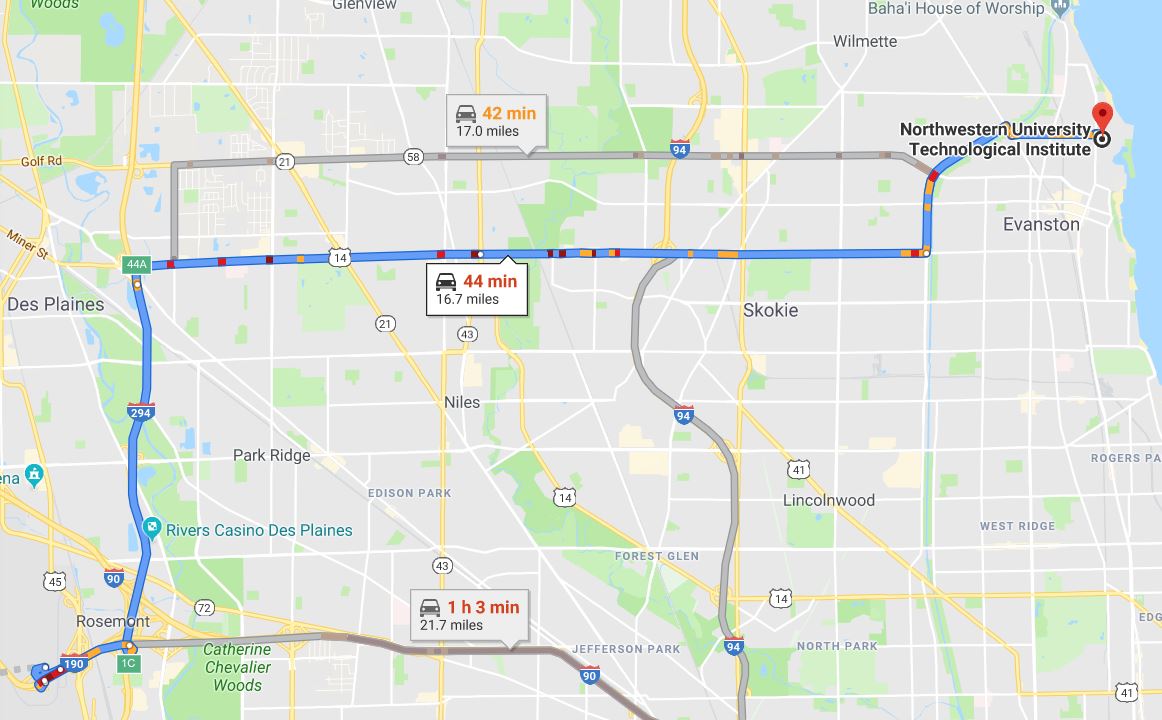
The primary routes for driving between Evanston and Chicago include Lake Shore Drive (US-41) and the Edens Expressway (I-94). Lake Shore Drive offers scenic views along Lake Michigan and is ideal for reaching destinations on the city’s east side or downtown. The Edens Expressway provides a more inland route and can be faster during off-peak hours. Without traffic, the drive typically takes 25-35 minutes. However, Chicago’s notorious rush hour traffic can easily double or triple travel times, particularly on weekdays between 7:00 AM – 9:00 AM and 4:00 PM – 6:00 PM.
Parking
Parking in Chicago can be expensive and challenging to find, especially in popular areas like the Loop, Magnificent Mile, and River North. Visitors should factor in parking costs (which can range from $20 to $60 for a few hours) and potential delays in finding a spot. Evanston generally offers more accessible and affordable parking options, especially near the university campus and downtown areas.
Rideshares and Taxis: Convenience at a Cost
Services like Uber and Lyft, as well as traditional taxi services, provide a convenient door-to-door option. The cost for a ride from Evanston to downtown Chicago typically ranges from $30-$60, varying based on demand, time of day (surge pricing), and traffic conditions. This option is particularly appealing for late-night travel, when carrying luggage, or for groups sharing a ride. Travel times mirror those of driving, subject to traffic.
Biking and Walking: Scenic, but Time-Intensive
For the adventurous or those looking for an active way to travel, biking is a viable option, especially during warmer months. The Lakefront Trail extends north into Evanston, offering a beautiful, uninterrupted path along Lake Michigan. A bike ride from Evanston to downtown Chicago can take anywhere from 1.5 to 2.5 hours, depending on speed and destination. While not practical for daily commuting, it’s an excellent way to experience the scenic beauty of the shoreline. Walking is generally not a practical option for the entire distance, though pleasant for shorter segments within Evanston or Chicago neighborhoods.
Why the Journey Matters: Connecting Two Vibrant Worlds
The proximity and ease of travel between Northwestern and Chicago are fundamental to the experience of both locations. It’s not just about covering distance; it’s about accessing diverse opportunities and enriching experiences that seamlessly blend academic excellence with urban exploration.
Northwestern University as a Destination
For many, Northwestern is the primary destination. Prospective students and their families travel to Evanston for campus tours, admissions events, and interviews. Academic conferences, arts performances at the Wirtz Center for the Performing Arts, and sporting events at Ryan Field draw visitors from across the globe. Understanding the travel logistics allows these visitors to easily combine their campus visit with exploring the attractions of Chicago, maximizing their travel experience.
Chicago as an Extension of the Northwestern Experience
For Northwestern students, faculty, and staff, Chicago serves as an invaluable extension of their campus. The city provides unparalleled opportunities for internships across various industries, from finance in the Loop to media in River North and healthcare in its renowned medical districts. Culturally, Chicago offers world-class museums like the Art Institute of Chicago and the Field Museum, a vibrant theater scene, live music venues, and an incredibly diverse culinary landscape. Weekends often see students and residents commuting south to enjoy festivals in Millennium Park, shop along the Magnificent Mile, or attend professional sports games.
Planning Your Trip: Essential Travel Tips
A well-planned journey between Northwestern and Chicago can significantly enhance your experience, ensuring smooth transitions and maximizing your time.
Best Times to Travel
Consider traveling during off-peak hours (between 9:00 AM and 4:00 PM on weekdays, or on weekends) to avoid the heaviest traffic on roads and the most crowded conditions on public transit. If you must travel during rush hour, public transportation, especially the Metra or CTA express services, will generally be more predictable than driving.
Cost-Saving Strategies
For frequent public transit users, purchasing multi-day or weekly passes for the CTA or multi-ride tickets for Metra can offer significant savings compared to single-ride fares. If driving, consider carpooling to split fuel and parking costs. Using rideshare apps during off-peak times can also be more economical.
Safety and Local Insights
Both Evanston and Chicago are generally safe for travelers, but like any major urban area, it’s wise to be aware of your surroundings, especially at night. Public transit is safe and reliable, though crowded trains warrant extra attention to personal belongings. Utilize mapping apps like Google Maps or Citymapper for real-time public transit schedules, estimated travel times, and route planning. These tools can also help you identify potential disruptions or delays, allowing for adjustments to your itinerary.
In essence, the distance between Northwestern and Chicago is not a barrier but a bridge, fostering a rich interchange that benefits both the academic community and the wider urban landscape. With numerous efficient travel options, exploring both destinations is not only feasible but highly recommended to fully appreciate the unique character and opportunities of the Chicagoland area.
LifeOutOfTheBox is a participant in the Amazon Services LLC Associates Program, an affiliate advertising program designed to provide a means for sites to earn advertising fees by advertising and linking to Amazon.com. Amazon, the Amazon logo, AmazonSupply, and the AmazonSupply logo are trademarks of Amazon.com, Inc. or its affiliates. As an Amazon Associate we earn affiliate commissions from qualifying purchases.