
The question “How far is Oakland to San Francisco?” is more than a simple query about miles; it’s an inquiry into the fabric of travel within one of America’s most dynamic and iconic regions. These two vibrant cities, positioned on opposite shores of the expansive San Francisco Bay, are inextricably linked by geography, commerce, and culture. For travelers, understanding this proximity and the myriad ways to traverse it is fundamental to planning an efficient and enjoyable visit to the Bay Area. Whether you’re a first-time visitor eager to explore the diverse offerings of both cities, a business traveler commuting for meetings, or a local enjoying the rich tapestry of life on either side of the bay, the journey between Oakland and San Francisco is an integral part of the experience. This guide delves into the distances, travel times, transportation options, and considerations that shape the connection between these two metropolitan gems.
The Geographic Proximity: More Than Just Miles
At first glance, the visual separation across the San Francisco Bay might suggest a significant distance between Oakland and San Francisco. However, in practical terms, they are incredibly close, making travel between them a routine part of daily life for hundreds of thousands. The physical distance is relatively short, but the travel time can fluctuate significantly due to factors like traffic, chosen mode of transport, and specific origin/destination points within each city.
Understanding the San Francisco Bay Area
The San Francisco Bay Area is a sprawling metropolitan region encompassing numerous cities, towns, and natural landscapes surrounding the San Francisco Bay. Oakland is a major city on the eastern side (East Bay), while San Francisco anchors the western peninsula. This regional context is crucial because travel isn’t just about getting from one downtown to another; it often involves navigating diverse neighborhoods, each with its own character and logistical challenges. The connectivity between these two major hubs is vital for the region’s economy and social fabric, allowing seamless movement for residents and visitors alike to access attractions, employment, and residential areas across the bay.
The Bay Bridge Connection: A Vital Artery
The most iconic and direct physical link between Oakland and San Francisco for vehicular traffic is the San Francisco–Oakland Bay Bridge, universally known as the Bay Bridge. This engineering marvel spans approximately 8.4 miles (13.5 km) from the shores of Oakland to the eastern edge of San Francisco. For drivers, cyclists (on designated paths), and bus passengers, the Bay Bridge is the primary conduit. Its presence fundamentally shapes how people perceive and experience the distance, transforming what would otherwise be a long circumvention of the bay into a relatively direct crossing.
Direct Distance vs. Travel Distance
When asking “how far,” it’s important to differentiate between direct, as-the-crow-flies distance and practical travel distance. Directly across the water, the cities are separated by only a few miles. However, travel routes, whether by road, rail, or sea, follow specific paths.
- By car via the Bay Bridge: The typical driving distance between downtown Oakland and downtown San Francisco is approximately 10-12 miles (16-19 km), factoring in approach roads to the bridge.
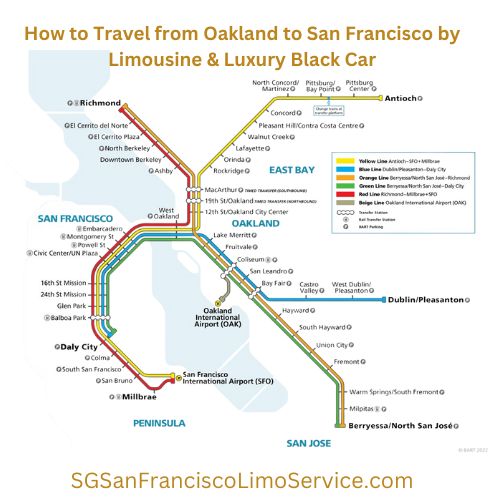
- By BART: The underwater Transbay Tube, part of the BART system, is about 3.6 miles (5.8 km) long. The total rail journey from, for example, Oakland’s 12th Street/Oakland City Center station to San Francisco’s Montgomery Street station covers a similar distance, emphasizing efficient, direct transit.
The perceived “farness” is therefore less about raw mileage and more about the time it takes and the mode of transport chosen, given the urban landscape and the unique geography of the bay.
Navigating the Bay: Travel Options and Times
The excellent infrastructure of the Bay Area provides travelers with a diverse range of options for moving between Oakland and San Francisco, each with its own advantages in terms of cost, speed, and experience.
BART (Bay Area Rapid Transit): The Public Transit Backbone
BART is arguably the most efficient and popular way to travel between Oakland and San Francisco. Its trains traverse the Transbay Tube, a submerged tunnel beneath the San Francisco Bay, bypassing surface traffic entirely.
- Travel Time: A typical BART ride from downtown Oakland to downtown San Francisco takes approximately 10-15 minutes, not including wait times for trains. The entire journey from, say, Oakland International Airport (OAK) to San Francisco International Airport (SFO) via BART connections can take around 45-60 minutes.
- Frequency: BART trains run frequently throughout the day, though service is reduced in the evenings and on weekends.
- Cost: Fares are distance-based and relatively affordable compared to driving or ride-sharing, especially when considering bridge tolls and parking. A Clipper Card is recommended for ease of use.
Driving: Flexibility with a Caveat
Driving offers unparalleled flexibility, allowing travelers to reach specific destinations directly and carry luggage easily. However, it comes with significant trade-offs, primarily traffic congestion and costs.
- Travel Time: Without traffic, the drive across the Bay Bridge can take as little as 15-20 minutes. During peak commute hours (typically 6-9 AM and 3-7 PM on weekdays), this can easily balloon to 45 minutes to over an hour, even for the short distance.
- Tolls: The Bay Bridge has a toll for westbound traffic (entering San Francisco), which varies depending on the time of day.
- Parking: Finding and paying for parking in San Francisco can be challenging and expensive, adding another layer of cost and time.
Ferry Services: A Scenic Alternative
For a more relaxed and scenic journey, ferry services connect Oakland to San Francisco. These ferries depart from the Jack London Square area in Oakland and arrive at the Ferry Building or Pier 41 in San Francisco.
- Travel Time: Ferry rides typically take about 20-30 minutes across the bay.
- Experience: Ferries offer stunning views of the San Francisco skyline, Alcatraz Island, and the Bay Bridge. They are a fantastic option for leisure travelers or those looking to avoid traffic and enjoy the journey itself.
- Schedule: Ferry schedules are less frequent than BART, especially on weekends, so planning ahead is essential.
Ride-Sharing and Taxis: Convenience at a Premium
Services like Uber, Lyft, and traditional taxis provide door-to-door convenience.
- Travel Time: Similar to driving, travel times are heavily dependent on traffic conditions, ranging from 20 minutes to over an hour.
- Cost: These services are generally the most expensive option, especially during surge pricing or peak hours, as they include bridge tolls and typically a premium for crossing the bay.
Factors Influencing Travel Time and Experience
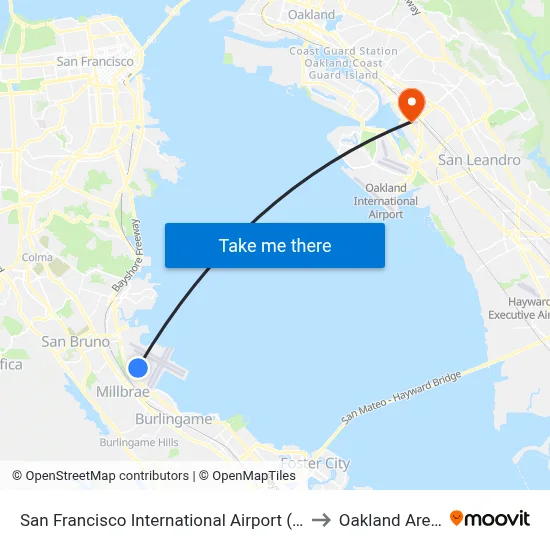
The “how far” question ultimately translates into “how long will it take,” and several variables can significantly impact this calculation when traveling between Oakland and San Francisco.
Rush Hour Realities: The Bay Area Commute
The San Francisco Bay Area is notorious for its heavy traffic, particularly during weekday commute hours. This is the single biggest factor affecting travel time for drivers, ride-share users, and even buses.
- Eastbound Traffic: While the westbound Bay Bridge toll plaza is the most visible bottleneck, eastbound traffic (leaving San Francisco towards Oakland in the evenings) can also be substantial.
- Public Transit Impact: While BART avoids surface traffic, trains can be crowded during rush hour, and wait times at stations might be slightly longer. Ferries generally remain consistent but can be packed with commuters.
Events and Special Occasions
Major events in either city—such as professional sports games (e.g., Golden State Warriors games), concerts, festivals, or large conferences—can dramatically increase traffic, public transit ridership, and demand for ride-sharing services. Planning travel around these events requires extra time and patience. Checking local event calendars before your journey can save considerable frustration.
Choosing Your Origin and Destination Points
The starting and ending points within Oakland and San Francisco play a crucial role. For example, traveling from Oakland International Airport (OAK) to San Francisco’s Fisherman’s Wharf will be a longer and more complex journey than from downtown Oakland to San Francisco’s Financial District. Consider the first and last mile connections for public transit, which might involve local buses, streetcars, or short ride-share trips, adding to the overall travel duration.
Oakland and San Francisco: Twin Destinations, Distinct Experiences
Beyond the logistics of travel, understanding why one might journey between Oakland and San Francisco enriches the travel experience. These two cities, though geographically close, offer distinct atmospheres and attractions, making the journey between them a bridge between different facets of Bay Area life.
Why Travel Between Them? Business, Leisure, and Exploration
Travelers frequently cross the bay for a multitude of reasons. Business professionals might have meetings in both cities, taking advantage of BART’s efficiency. Leisure visitors might base themselves in one city to save on accommodation costs (often lower in parts of Oakland) while easily exploring the attractions of the other. The ease of access encourages exploration of the entire region, enabling tourists to experience a broader spectrum of what the Bay Area has to offer.
Experiencing Oakland: A City Reimagined
Oakland, once overshadowed by its famous neighbor, has emerged as a vibrant destination in its own right. It boasts a thriving arts scene, diverse culinary landscape, and a rich history.
- Jack London Square: A lively waterfront area with restaurants, bars, and ferry access.
- Lake Merritt: A large tidal lagoon popular for walking, jogging, and boating, surrounded by vibrant neighborhoods.
- Cultural Districts: Areas like Uptown Oakland and Temescal are known for their art galleries, live music venues, and eclectic eateries.
Visiting Oakland provides a different perspective on urban California, often characterized by a more relaxed pace and a strong sense of community.
The Allure of San Francisco: Iconic Landmarks and Culture
San Francisco remains a world-renowned tourist magnet, famous for its picturesque hills, iconic landmarks, and diverse cultural scene.
- Golden Gate Bridge: An engineering marvel and global icon.
- Alcatraz Island: The infamous former prison, now a national park site.
- Fisherman’s Wharf and Pier 39: Popular for seafood, sea lions, and bay views.
- Golden Gate Park: A sprawling urban oasis housing museums, gardens, and recreational areas.
The unique blend of Victorian architecture, cutting-edge technology, and stunning natural beauty makes San Francisco an unforgettable destination for any traveler.
Tips for a Seamless Bay Area Journey
Making the most of your travel between Oakland and San Francisco involves a bit of strategic planning.
Planning Ahead: Check Schedules and Traffic
Before embarking on your journey, especially during peak hours or weekends, consult real-time traffic apps (like Google Maps or Waze) for driving conditions or BART and ferry schedules. Websites and apps dedicated to Bay Area transit offer up-to-the-minute information on delays or service changes, helping you choose the most efficient option. This foresight can save significant time and stress.
Clipper Card: Your Public Transit Pass
For seamless travel on BART, ferries, and other public transit systems across the Bay Area (including MUNI in San Francisco and AC Transit in Oakland), a Clipper Card is invaluable. This reloadable card simplifies fare payment and often provides discounts compared to single-ride tickets. It can be purchased and reloaded at BART stations, participating retailers, or online.

Embrace the Views: Making the Journey Part of the Adventure
Regardless of your chosen mode of transport, the journey across the San Francisco Bay offers spectacular vistas. Whether it’s the panoramic cityscapes from the Bay Bridge, the tranquil waters and distant landmarks from a ferry, or even glimpses from the BART windows as you emerge from the Transbay Tube, take a moment to appreciate the unique beauty of the Bay Area. The distance between Oakland and San Francisco is minimal, but the experience of traversing it can be as memorable as the destinations themselves.
LifeOutOfTheBox is a participant in the Amazon Services LLC Associates Program, an affiliate advertising program designed to provide a means for sites to earn advertising fees by advertising and linking to Amazon.com. Amazon, the Amazon logo, AmazonSupply, and the AmazonSupply logo are trademarks of Amazon.com, Inc. or its affiliates. As an Amazon Associate we earn affiliate commissions from qualifying purchases.