
For travelers exploring the diverse landscapes and vibrant cities of Florida, understanding the logistics of getting from one point to another is key to an efficient and enjoyable journey. Among the popular routes is the drive between Tampa, a major Gulf Coast city known for its rich history and dynamic urban life, and Ocala, often referred to as the “Horse Capital of the World” with its sprawling equestrian farms and natural springs. Whether you’re planning a direct commute, a business trip, or an adventure seeking to uncover more of what the Sunshine State offers, knowing the distance, estimated travel time, and route options between these two significant locations is fundamental. This guide aims to provide a comprehensive breakdown for anyone contemplating this journey, focusing on practical travel information to ensure a smooth and well-prepared experience.
The Direct Answer: Distance and Time
Understanding the exact distance and the typical time it takes to traverse this route forms the bedrock of any travel plan. The journey from Tampa to Ocala is generally straightforward, largely due to Florida’s well-maintained highway system.
The Straightforward Drive
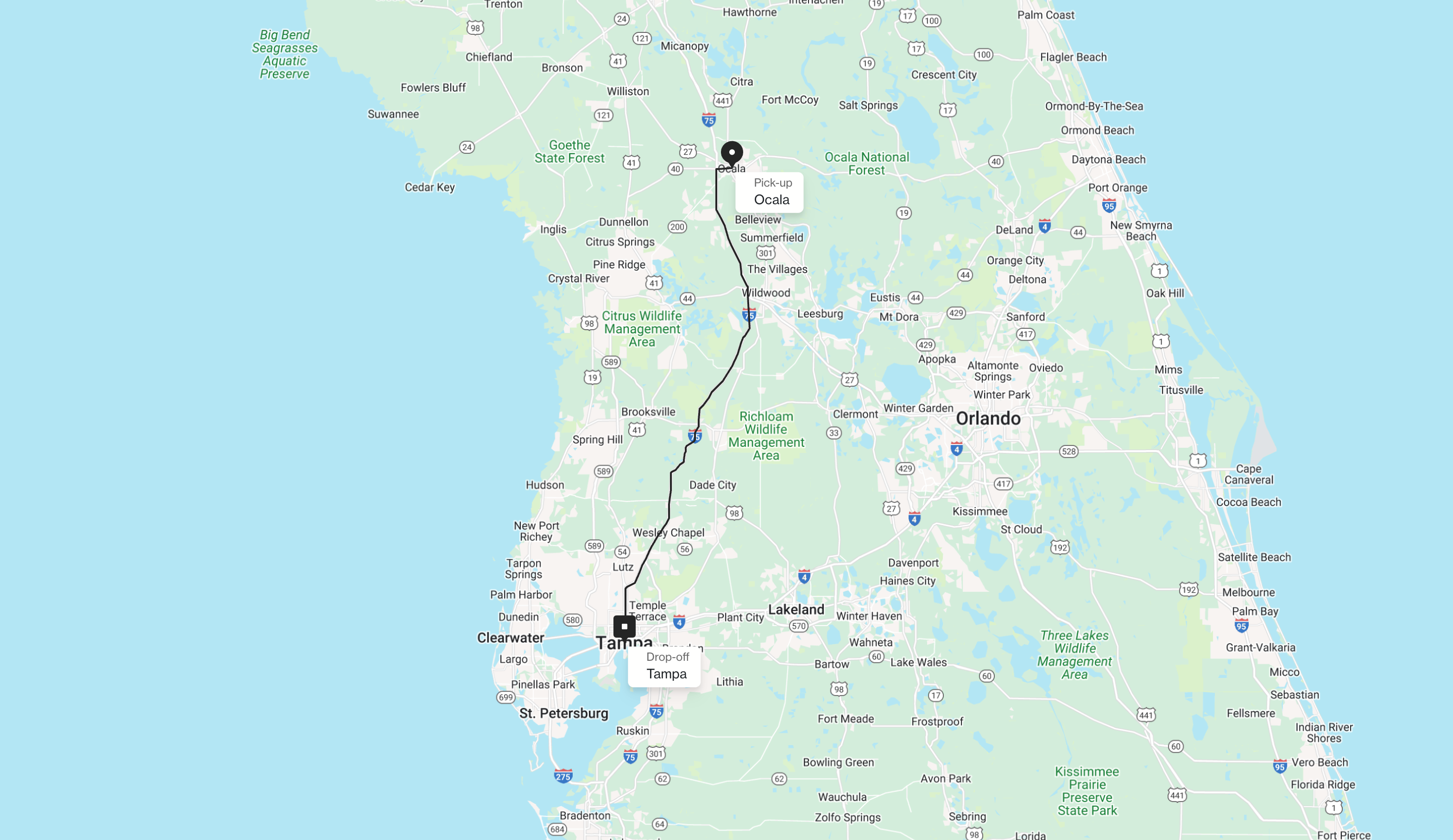
The most direct and frequently used route connecting Tampa and Ocala primarily utilizes Interstate 75 (I-75). This major north-south artery provides a relatively uninterrupted path, making it the preferred choice for most drivers. The approximate driving distance between the two cities via Interstate 75 is around 80 to 90 miles, depending on your exact starting point in Tampa and your specific destination within Ocala.
In terms of travel time, under ideal driving conditions—meaning clear weather, no significant traffic delays, and adherence to posted speed limits—the drive typically takes between 1 hour and 20 minutes to 1 hour and 45 minutes. This makes it a very manageable day trip or a swift transit between two distinct regions of Florida.
Factors Influencing Travel Time
While the straight shot via Interstate 75 offers a predictable travel window, several variables can influence the actual time spent on the road:
- Traffic Conditions: As with any major highway, rush hour traffic can significantly extend travel times. Morning commutes (typically 7:00 AM – 9:00 AM) and evening commutes (typically 4:00 PM – 6:00 PM) around the greater Tampa Bay area, and to a lesser extent around Ocala, can add considerable delays. Weekends, especially during popular holiday periods or major events in either city, can also see increased traffic volumes.
- Road Construction: Florida is continually expanding and improving its infrastructure. Construction zones along Interstate 75 can necessitate lane closures, reduced speed limits, and occasional detours, all of which will impact your travel duration. It’s always wise to check for real-time traffic updates before embarking on your journey.
- Weather: Florida’s weather can be unpredictable, especially during the summer rainy season. Heavy downpours, thunderstorms, or even fog can reduce visibility and necessitate slower driving speeds, thereby increasing travel time. In rare instances, severe weather could lead to temporary road closures.
- Driver Habits: Personal driving speed, frequency of stops, and adherence to navigation instructions also play a role. Aggressive driving or frequent stops for breaks, fuel, or meals will naturally alter the estimated travel time.
By accounting for these factors, travelers can better estimate their arrival time and plan their schedule accordingly, ensuring a less stressful journey between Tampa and Ocala.
Navigating the Routes: Your Journey Options
While Interstate 75 is the primary artery, travelers have a few options, each offering a slightly different experience in terms of speed, scenery, and directness.
The Interstate 75 Corridor
The vast majority of travelers will opt for Interstate 75 for its efficiency and directness. From downtown Tampa, you typically head north on Interstate 275 to connect with Interstate 75 North. Once on Interstate 75, the route takes you through a mix of suburban areas transitioning into more rural landscapes, passing by towns like Wesley Chapel and Dade City before reaching the Ocala exits.
- Advantages: This route is the fastest, typically has multiple lanes, and is well-equipped with service stations and rest stops at regular intervals. It bypasses smaller towns, reducing the likelihood of local traffic delays.
- Disadvantages: It can be less scenic than alternative routes, with a focus on speed rather than picturesque views. Traffic can be heavy during peak hours, particularly closer to Tampa.
This route is ideal for those prioritizing speed and convenience, making it the top choice for business travelers or anyone on a tight schedule.
Alternative Scenic Routes
For travelers who prefer a more leisurely journey and wish to avoid the constant flow of interstate traffic, alternative routes, while slightly longer in distance or time, can offer a different perspective of Florida’s interior.
One such alternative involves utilizing US-301. Starting from Tampa, you can take US-301 North directly. This highway generally runs parallel to Interstate 75 but traverses through more rural communities and smaller towns.
- Advantages: The US-301 route offers a more intimate look at small-town Florida life. It passes through agricultural areas and historic town centers, providing a different, often more relaxed, driving experience. It’s an excellent option for those who enjoy stopping at local eateries or browsing antique shops along the way.
- Disadvantages: This route will take longer, generally ranging from 2 hours to 2 hours and 30 minutes, due to lower speed limits, more frequent stops (traffic lights, crosswalks), and single-lane stretches. Truck traffic can also be heavier on US-301, as it’s a major commercial route.
Choosing between Interstate 75 and US-301 depends entirely on your travel priorities: speed versus scenery and local experience.
Public Transportation Considerations
While driving is by far the most common and convenient way to travel between Tampa and Ocala, public transportation options do exist, though they require more planning and often involve transfers.
- Bus Services: Intercity bus services, such as Greyhound, operate routes that connect Tampa with Ocala. These services usually offer a cost-effective alternative to driving, especially for solo travelers or those without access to a vehicle. However, bus travel typically takes longer than driving, often 2 to 3 hours or more, depending on the number of stops and the specific route. Schedules can also be less flexible than driving.
- Shuttle Services/Ride-Sharing: Private shuttle services or ride-sharing apps (though less common for intercity travel of this distance) could be an option, offering door-to-door convenience but at a higher cost. These would need to be pre-arranged and verified for availability and pricing.
- Train Services: There is no direct train service connecting Tampa and Ocala. Train travel in Florida is generally centered around major city corridors like Orlando or Miami.
For maximum flexibility and efficiency, driving remains the recommended mode of transport for this particular route.
What to Expect Along the Way: A Traveler’s Guide
A well-prepared traveler anticipates not just the destination but also the journey itself. Knowing what to expect along the Tampa to Ocala route can enhance your travel experience.
Fuel Stops and Rest Areas
The Interstate 75 corridor is well-served with opportunities for fuel, food, and rest. You’ll find numerous gas stations, convenience stores, and fast-food restaurants clustered around most interstate exits. Additionally, Florida’s Department of Transportation maintains several official rest areas directly on the interstate, providing facilities like restrooms, picnic tables, and often vending machines. These are excellent spots for a quick break, especially during longer stretches of driving.
Along US-301, these services are more integrated into the small towns you pass through. While perhaps not as frequent as on Interstate 75, they offer a chance to experience local businesses and take a more authentic break. Planning your fuel stops, especially if driving an electric vehicle, is crucial, though charging stations are becoming more prevalent at major service plazas and near highway exits.
Potential Traffic Hotspots
As mentioned, traffic can be a significant factor. The area immediately north of Tampa, specifically where Interstate 275 merges with Interstate 75 and through areas like Wesley Chapel, can experience congestion during peak commuting hours. Even further north, around the city of Brooksville and into Pasco and Sumter counties, intermittent slowdowns can occur due to construction or heavy truck traffic.
While Ocala is generally less congested than Tampa, the main exits into the city, particularly around State Road 200, can also see increased traffic volumes during rush hour or weekend shopping periods. Utilizing real-time navigation apps (like Google Maps, Waze, or Apple Maps) is highly recommended to receive up-to-the-minute traffic information and potential alternative routing suggestions.
Points of Interest for a Pit Stop
While the focus of this article is strictly on travel logistics, it’s worth noting that the route offers a few interesting spots for a brief detour or stretch break without straying too far from the main path. For instance, the area around Brooksville is known for its natural beauty and a quick break at a local park could be refreshing. Closer to Ocala, the landscape shifts to the famed horse farms of Marion County, providing unique visual appeal even from the highway. For those taking US-301, towns like Zephyrhills offer a glimpse into old Florida with local shops and eateries that can serve as pleasant pit stops. These brief interludes can break up the drive and add a touch of local flavor to your journey.
Planning Your Trip: Practical Advice
Effective trip planning goes beyond just knowing the distance; it involves considering various practical aspects to ensure a safe, comfortable, and efficient journey.
Best Time to Travel
To minimize potential traffic delays, aim to travel during off-peak hours. Mid-morning (after 9:00 AM) or early afternoon (before 4:00 PM) on weekdays are generally the best times. If traveling on a weekend, early mornings (before 8:00 AM) or later evenings can help you avoid the heaviest traffic. Additionally, consider the season. Florida’s “snowbird” season (roughly November to April) sees an influx of seasonal residents, which can increase traffic on major interstates. The summer months, while hot, might have slightly less traffic due to schools being out, but you’ll contend with daily afternoon thunderstorms.
Vehicle Preparation and Safety Tips
Before embarking on any road trip, a quick check of your vehicle is prudent:
- Tires: Ensure tire pressure is correct and tread is adequate.
- Fluids: Check oil, coolant, and windshield wiper fluid levels.
- Lights: Verify headlights, taillights, and turn signals are functional.
- Emergency Kit: Carry a basic emergency kit, including jumper cables, a first-aid kit, and a flashlight.
- Fuel: Start your journey with a full tank of gas, especially if taking a less-traveled route.
Driving in Florida requires alertness, especially due to high speeds on interstates and sudden weather changes. Always maintain a safe following distance and be aware of large trucks, particularly on Interstate 75.
Technology and Navigation
Leverage modern technology to your advantage:
- GPS/Navigation Apps: Use a reliable GPS device or smartphone navigation app (Google Maps, Waze, Apple Maps) for real-time traffic updates, estimated arrival times, and alternative route suggestions in case of unexpected delays.
- Weather Apps: Check the local weather forecast for both Tampa and Ocala, as well as along your route, to anticipate any adverse driving conditions.
- Entertainment: Prepare a playlist, podcast, or audiobook to keep you engaged, but always ensure your focus remains on the road.
Conclusion
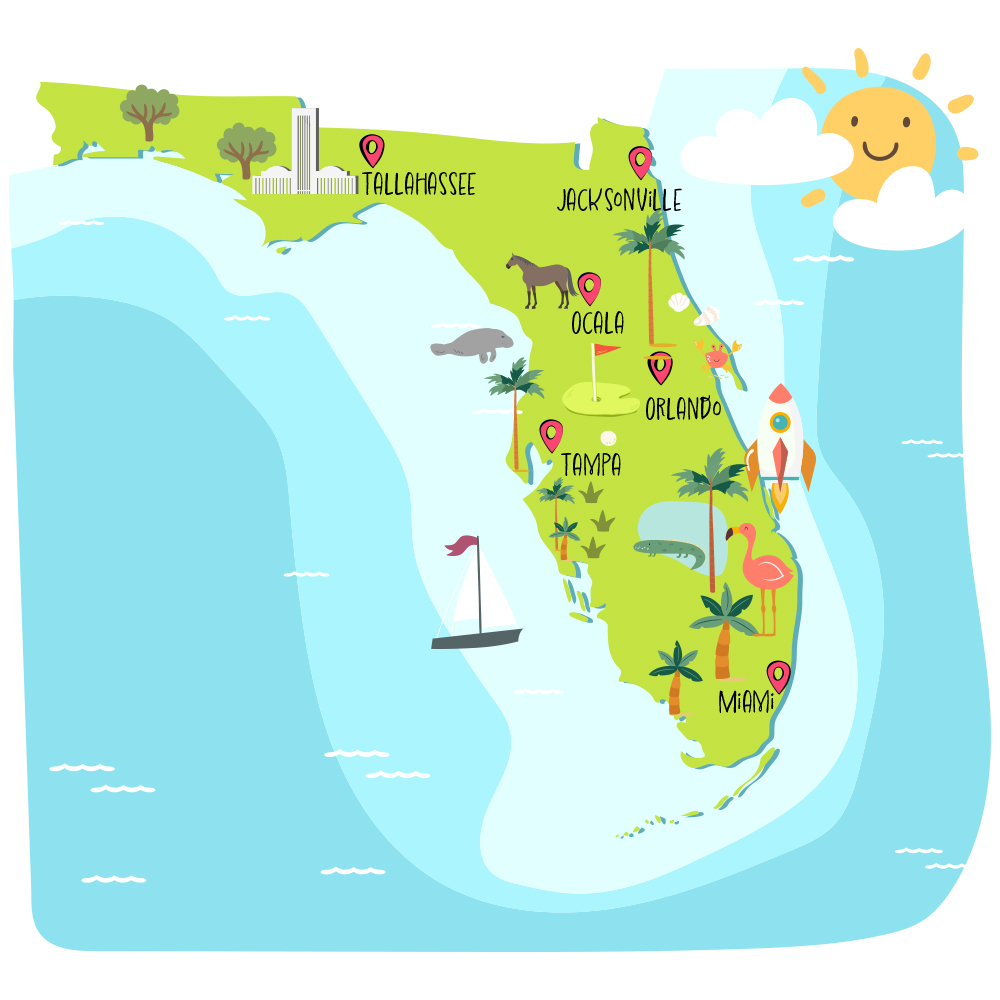
The journey from Tampa to Ocala, Florida, is a relatively short and straightforward drive, typically spanning 80 to 90 miles and taking between 1 hour 20 minutes and 1 hour 45 minutes via Interstate 75. While this interstate provides the most direct route, travelers also have the option of taking more scenic, albeit longer, routes like US-301 for a different experience. By considering factors such as traffic, weather, and personal travel preferences, and by taking practical steps like vehicle preparation and utilizing navigation tools, your trip between these two distinctive Florida cities can be a smooth and enjoyable part of your overall travel itinerary. Whether for business or leisure, the route connecting Tampa’s urban energy with Ocala’s equestrian charm is easily navigable with proper planning.
LifeOutOfTheBox is a participant in the Amazon Services LLC Associates Program, an affiliate advertising program designed to provide a means for sites to earn advertising fees by advertising and linking to Amazon.com. Amazon, the Amazon logo, AmazonSupply, and the AmazonSupply logo are trademarks of Amazon.com, Inc. or its affiliates. As an Amazon Associate we earn affiliate commissions from qualifying purchases.