
Embarking on a journey from the Midwest to the Deep South presents a fascinating traverse across a significant portion of the United States. The distance between Ohio and Alabama is not merely a number of miles; it represents a transition through diverse landscapes, cultures, and climates. For travelers planning a road trip, considering air travel, or simply curious about the geographical span, understanding this distance is the first step in crafting an unforgettable adventure.
Mapping the Miles: Understanding the Distance
The actual distance between Ohio and Alabama varies considerably depending on the specific starting and ending points within each state. Both are relatively large states, meaning a journey from northern Ohio to southern Alabama will be significantly longer than one connecting their respective southern and northern borders.
Straight-Line vs. Driving Distance
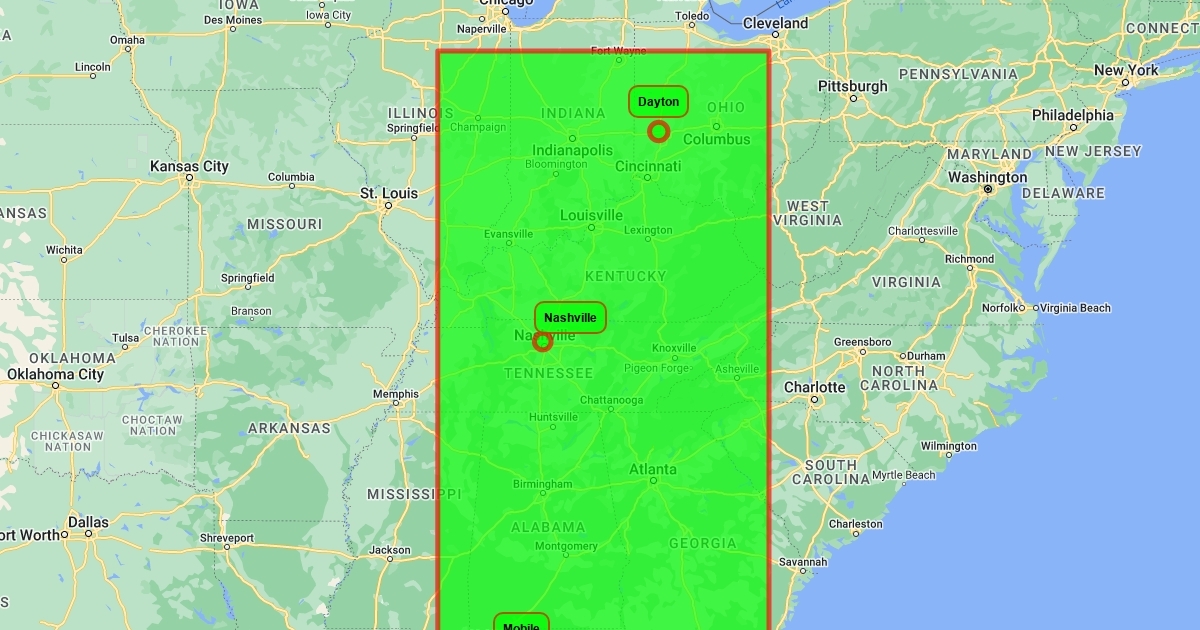
When considering geographical separation, there are two primary measurements: straight-line (as the crow flies) and driving distance. The straight-line distance, while useful for understanding proximity in a theoretical sense, rarely reflects the reality of ground travel. Roads follow contours, navigate around obstacles, and connect cities in a practical, rather than purely direct, manner.
For instance, the approximate straight-line distance between major cities like Columbus, Ohio, and Birmingham, Alabama, might be around 500-550 miles. However, the actual driving distance will always be greater, accounting for the road network.
Key Cities as Reference Points
To provide a clearer picture, let’s consider common travel pairings between prominent cities in each state:
- From Cleveland, Ohio to Birmingham, Alabama: This route typically covers approximately 650 to 700 miles. This journey would likely take around 10 to 11 hours of pure driving time, not accounting for stops, traffic, or overnight stays.
- From Columbus, Ohio to Montgomery, Alabama: Traveling between these two state capitals usually spans about 600 to 650 miles. The estimated driving time for this route would be roughly 9.5 to 10.5 hours.
- From Cincinnati, Ohio to Mobile, Alabama: This is one of the longer potential journeys, often ranging from 750 to 800 miles. This considerable distance translates to an extended driving time, typically 12 to 13 hours without significant breaks.
- From Dayton, Ohio to Huntsville, Alabama: A more central Ohio departure to northern Alabama might be around 550 to 600 miles, requiring 9 to 10 hours of driving.
These figures illustrate the significant variability. A well-planned route and an understanding of potential road conditions are crucial for accurate travel time estimations.
The Great American Road Trip: Driving Between States
For many, the idea of traveling from Ohio to Alabama evokes the classic American road trip. It’s an opportunity to see a slice of the country, experience changing landscapes, and create lasting memories.
Typical Routes and Interstates
The primary arteries connecting Ohio and Alabama are the interstate highway systems. Two major north-south interstates play a significant role:
- I-75: Originating in Michigan, I-75 cuts directly through Ohio (passing through cities like Toledo, Dayton, and Cincinnati) before continuing south through Kentucky and Tennessee towards Atlanta, Georgia. From Atlanta, travelers can connect to I-85 or I-20 to reach central or eastern Alabama cities like Montgomery or Auburn.
- I-65: While I-65 doesn’t directly enter Ohio, it is easily accessible from Cincinnati via I-71 or I-74 into Indianapolis, Indiana, or directly south to Louisville, Kentucky. I-65 then runs through the heart of Kentucky and Tennessee (passing Nashville) directly into Alabama, serving cities like Huntsville, Birmingham, and Montgomery, before terminating at Mobile on the Gulf Coast.
For most travelers, I-65 is the more direct and commonly used route for reaching central and western Alabama from Ohio, particularly from the western and central parts of Ohio.
Estimated Driving Time and Factors Affecting It
As mentioned, driving times typically range from 9.5 to 13 hours. However, this is a “wheels turning” estimate. Several factors can significantly alter your actual travel duration:
- Traffic: Urban centers like Cincinnati, Louisville, Nashville, Birmingham, and Atlanta can experience heavy congestion during peak hours, adding substantial delays.
- Stops: Fuel, meals, restroom breaks, and stretching stops are essential for safe driving and comfort. These can easily add 2-3 hours to a full day’s drive.
- Speed Limits: While interstates generally have higher speed limits (often 65-70 mph), construction zones, rural areas, and city limits can see these limits drop.
- Weather Conditions: Rain, snow, or even heavy fog can slow down travel, especially through mountainous regions in Kentucky and Tennessee.
Planning Your Journey: Pit Stops and Overnights
Given the driving times, most travelers opt for an overnight stop. Nashville, Tennessee, often serves as an ideal midpoint for journeys on I-65, being roughly 5-6 hours from Cincinnati and 4-5 hours from Birmingham. Chattanooga, Tennessee, is another excellent option, especially for those using I-75 and heading towards eastern Alabama. These cities offer a plethora of dining, accommodation, and entertainment options, transforming a necessary stop into a mini-destination.
Beyond the Wheel: Other Modes of Travel
While driving is a popular choice, it’s not the only way to traverse the distance between Ohio and Alabama.
Air Travel: Flights and Airports
For those prioritizing speed and convenience, flying is the most efficient option. Direct flights are less common between all city pairs, but connecting flights are readily available.
- Major Airports in Ohio: Cleveland Hopkins International Airport (CLE), John Glenn Columbus International Airport (CMH), and Cincinnati/Northern Kentucky International Airport (CVG) serve as major hubs.
- Major Airports in Alabama: Birmingham-Shuttlesworth International Airport (BHM), Huntsville International Airport (HSV), and Montgomery Regional Airport (MGM) are the main gateways. Mobile Regional Airport (MOB) serves the southern coast.
Flight times generally range from 1.5 to 2.5 hours for direct flights, with connecting flights adding significantly more time, often totaling 4-6 hours including layovers. Major carriers like Delta Air Lines, American Airlines, United Airlines, and Southwest Airlines operate routes connecting these regions. The total travel time, including getting to and from airports, security, and boarding, often makes air travel comparable to a full day’s drive.
Bus and Train Options
For budget-conscious travelers or those who prefer not to drive or fly, bus and train services offer alternatives.
- Bus Services: Greyhound provides extensive bus networks connecting cities across the United States. A bus journey from Ohio to Alabama would be considerably longer than driving, often involving multiple transfers and taking upwards of 15-20 hours, or even more depending on the specific route and connections.
- Train Services: Amtrak also connects various cities, though the routes might be less direct for this particular journey. Travelers might need to take multiple lines or endure longer travel times due to indirect routes and frequent stops. For example, an Amtrak journey from Ohio to Alabama could involve routing through Chicago or the East Coast, making it a multi-day affair. These options are often chosen for the experience of slow travel and the ability to relax without the demands of driving.
What to Expect: A Glimpse into the Journey’s Landscape
The journey from Ohio to Alabama offers a captivating transition through distinct American geographies.
Geographical Transition
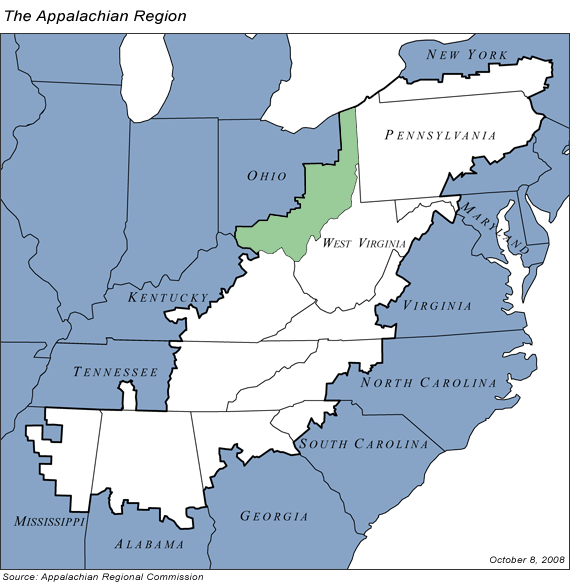
Starting in Ohio, travelers typically experience the relatively flat to gently rolling plains of the Midwest. As one moves south into Kentucky and Tennessee, the landscape gradually becomes more rugged, characterized by the foothills and eventually the prominent ridges of the Appalachian Mountains. This region is often scenic, with opportunities to witness lush forests and dramatic geological formations, particularly around Chattanooga. Entering Alabama, the terrain softens again, leading to rolling hills, fertile farmlands, and eventually the coastal plain in the southern part of the state, often marked by pine forests and access to the Gulf Coast.
States You’ll Traverse
Depending on your chosen route, a road trip from Ohio to Alabama will typically take you through at least two to three additional states:
- Kentucky: Known for its horse farms, bourbon distilleries, and the Mammoth Cave National Park.
- Tennessee: Famous for its music cities (Nashville and Memphis), the Great Smoky Mountains National Park, and historical sites.
- Georgia: If taking the I-75 route, you’ll pass through the northern part of Georgia, including the vibrant metropolis of Atlanta.
Each state offers unique cultural nuances, culinary delights, and potential points of interest if you choose to make detours.
Maximizing Your Travel Experience
Regardless of the mode of transport, a well-thought-out plan enhances the journey.
Pre-Trip Planning Essentials
- Route Optimization: Utilize GPS and mapping applications (e.g., Google Maps, Waze) to compare routes, estimate travel times, and check for real-time traffic conditions.
- Vehicle Check: If driving, ensure your vehicle is in top condition – check tires, oil, fluids, and brakes.
- Accommodation Booking: Especially for overnight stops, booking hotels in advance can save time and stress, particularly during peak travel seasons.
- Flight Monitoring: If flying, track flight statuses and be aware of airport security requirements.
- Pack Smart: Account for varying climates. Ohio can be cold when Alabama is mild or warm.

Engaging with the Journey Itself
Consider the journey as part of the destination. If driving, explore roadside attractions, visit small towns, or enjoy local diners. If flying, use the time to catch up on reading or planning your Alabama itinerary. The distance between Ohio and Alabama is substantial, but with careful planning, it transforms from a mere number into an expansive canvas for exploration and discovery.
LifeOutOfTheBox is a participant in the Amazon Services LLC Associates Program, an affiliate advertising program designed to provide a means for sites to earn advertising fees by advertising and linking to Amazon.com. Amazon, the Amazon logo, AmazonSupply, and the AmazonSupply logo are trademarks of Amazon.com, Inc. or its affiliates. As an Amazon Associate we earn affiliate commissions from qualifying purchases.