
Determining the distance to Oklahoma City is the first step toward planning an unforgettable excursion to the heart of the United States. As the capital of Oklahoma, this vibrant metropolis serves as a gateway to the American West, blending rugged frontier history with modern urban sophistication. Whether you are driving across the Great Plains or flying in from a distant coast, understanding the logistical scope of your journey is essential for a seamless travel experience.
Navigating the Geography of the American Heartland
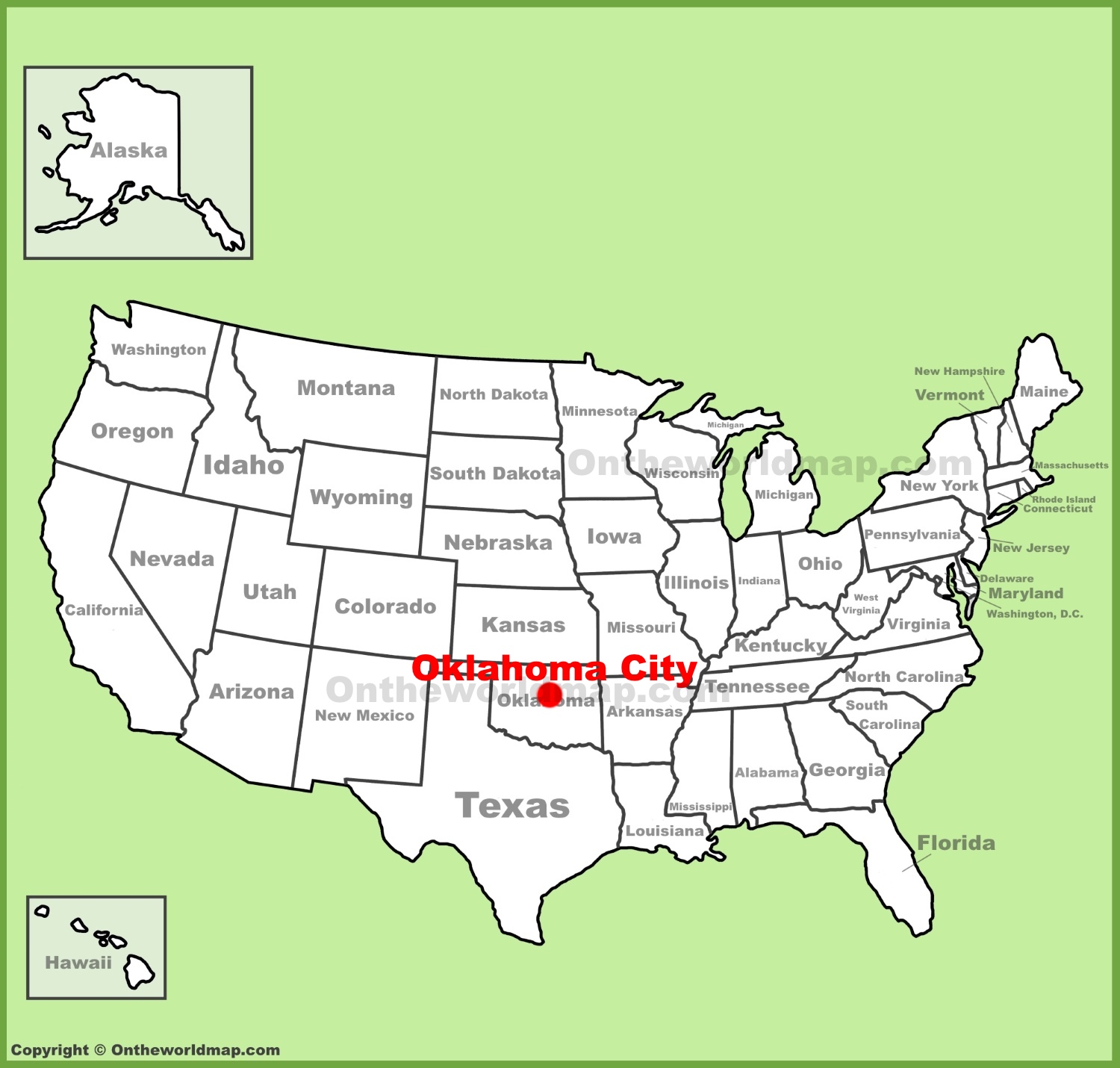
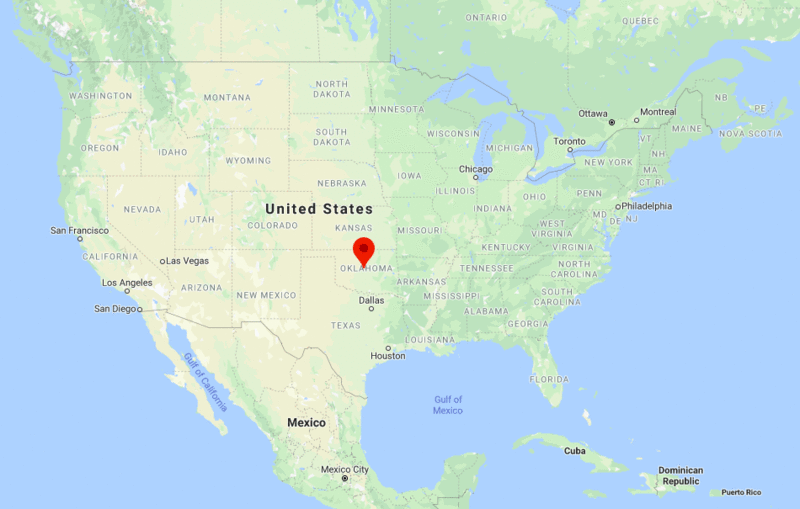
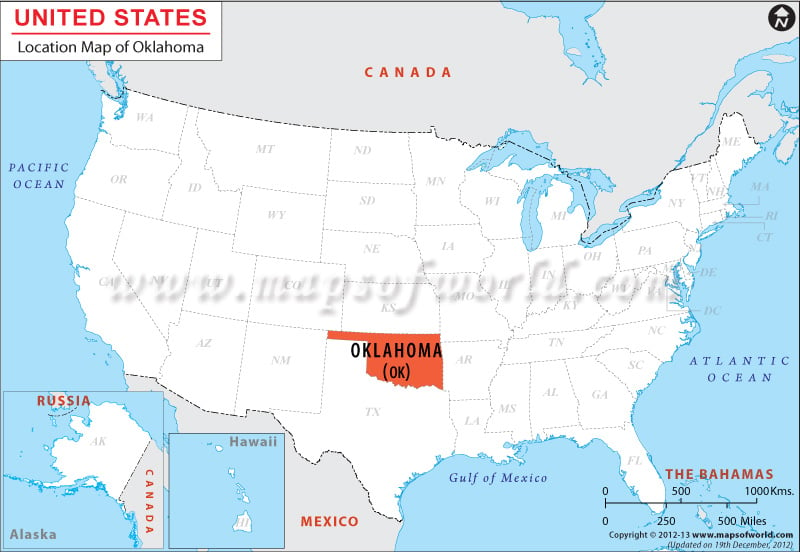
Geography plays a significant role in how travelers approach their visit to Oklahoma City. Located centrally within the state, the city acts as a major hub for travelers moving along the historic Route 66, which cuts through the city’s heart.
Calculating Your Driving Distance
If you are starting your journey from nearby metropolitan areas, driving is often the most rewarding way to appreciate the changing landscapes of the Midwest and the South. For travelers coming from Dallas, the drive north along Interstate 35 typically takes about three hours, covering roughly 200 miles. This corridor is a popular route for those looking for a quick weekend getaway.
Conversely, if you are arriving from Tulsa, the trek is significantly shorter, spanning approximately 100 miles on Turner Turnpike, making it a manageable day trip for residents of eastern Oklahoma. Those traveling from Kansas City face a longer drive of about five to six hours, offering a scenic transition from the rolling hills of Missouri into the expansive plains of Oklahoma.
The Convenience of Air Travel
For those located on either the East or West Coast, the distance to Oklahoma City makes air travel the most practical option. Will Rogers World Airport serves as the primary gateway, offering efficient connections from major hubs like Denver, Houston, and Chicago. Once you land, you are only a twenty-minute drive from the bustling downtown district, allowing you to maximize your time exploring local attractions.
Planning Your Itinerary Based on Travel Time
Once you establish how far you are from Oklahoma City, the next step is tailoring your visit to the duration of your trip. The city’s geography dictates that travelers arriving from long distances may need to prioritize specific districts, while those coming from closer proximity can enjoy a more leisurely pace.
For Short-Term Visitors
If you are coming from a nearby region, you have the luxury of focusing on localized hubs. Spend your time in Bricktown, a repurposed warehouse district that serves as the city’s entertainment epicenter. Here, you can enjoy a leisurely canal cruise or sample local cuisine at numerous riverside eateries. Because the travel distance is manageable, you can dedicate your energy to the nightlife and culture rather than recovery from a long transit.
For Long-Haul Travelers
Travelers arriving from across the country should plan for a multi-day stay to fully appreciate the diversity of Oklahoma City. With more time on your hands, you can venture into the Oklahoma City National Memorial, a poignant site that reflects the city’s resilience. Additionally, a visit to the National Cowboy and Western Heritage Museum is essential for anyone interested in the foundational history of the American frontier.
Seasonal Considerations for Your Journey
Distance is not the only factor when planning your arrival; the season in which you travel can influence the “perceived” distance of your journey. Weather patterns in Oklahoma can shift rapidly, impacting driving conditions and flight schedules.
Spring and Autumn: Ideal Travel Windows
Spring and autumn are arguably the best times to visit Oklahoma City. During these seasons, road trips are particularly pleasant. If you are driving from Austin or San Antonio, the comfortable temperatures make the long stretches of highway through Texas far more enjoyable.
Navigating Winter and Summer Extremes
In the height of summer, temperatures in the plains can rise significantly, which may prompt travelers to opt for direct, early-morning flights to avoid mid-day heat. Conversely, winter travel in Oklahoma requires caution, especially for those driving through the northern corridors where icy conditions can occasionally manifest. Regardless of the season, checking local traffic updates for major arteries like Interstate 40 will ensure that the final leg of your journey is as smooth as possible.
Maximizing the Journey: What to Expect Upon Arrival
Once you have bridged the distance between your location and Oklahoma City, you will find that the city rewards those who have traveled far. The charm of the Great Plains is not just in the destination, but in the welcoming atmosphere that greets you upon arrival.
Cultural Immersions
The city is home to a thriving arts scene, with the Paseo Arts District offering a glimpse into the local creative spirit. Visitors who have traveled long distances often find this area to be a perfect place to unwind, with its eclectic galleries and vibrant street murals.
Culinary Adventures
No trip is complete without sampling the local fare. From world-class steakhouses that pay homage to the state’s ranching heritage to modern fusion restaurants in Midtown, the culinary landscape of Oklahoma City is as varied as the origins of its visitors. Whether you are driving for six hours or flying for three, the diverse flavors of the city make every mile worth the effort.
Final Travel Tips
Before departing, always verify your route and lodging. If you are planning a road trip, identify key stops along the way to break up the drive. For those flying, research Oklahoma City transit options, such as the Oklahoma City Streetcar, which provides an easy way to navigate the downtown area once you have arrived. The distance is merely a number; the experience you cultivate once you arrive in this unique American city is what truly defines your travel memories. By preparing correctly, you ensure that the journey is just as memorable as the destination itself.
LifeOutOfTheBox is a participant in the Amazon Services LLC Associates Program, an affiliate advertising program designed to provide a means for sites to earn advertising fees by advertising and linking to Amazon.com. Amazon, the Amazon logo, AmazonSupply, and the AmazonSupply logo are trademarks of Amazon.com, Inc. or its affiliates. As an Amazon Associate we earn affiliate commissions from qualifying purchases.