
The question of “How far is Orange County from Los Angeles?” is a common one for travelers planning a trip to Southern California. While geographically close, often perceived as a single sprawling metropolis, these two distinct regions offer vastly different experiences, making the journey between them more than just a matter of miles. Understanding the distance, travel times, and the unique allure of each destination is key to crafting an unforgettable Southern California adventure, whether you’re seeking the glitz and glamour of Hollywood or the sun-drenched beaches and family-friendly attractions of the OC. This guide delves into the practicalities of traversing this iconic stretch of California, highlighting the rich tapestry of travel experiences, diverse accommodation options, and cultural insights awaiting discovery.
The Proximity Paradox: Unpacking the Distance Between Orange County and Los Angeles
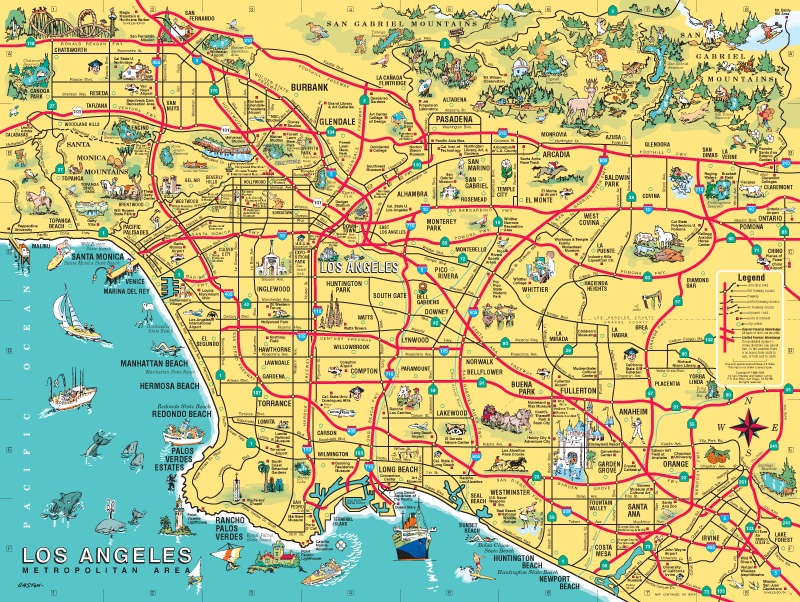
At first glance, Orange County and Los Angeles appear seamlessly connected, their urban landscapes blending along major freeways. However, the reality of travel between these two hubs is nuanced, influenced heavily by geography, infrastructure, and, most critically, Southern California’s notorious traffic. For any discerning traveler, understanding this dynamic is essential for efficient itinerary planning and enjoying the diverse range of activities each area presents.
A Matter of Miles and Minutes
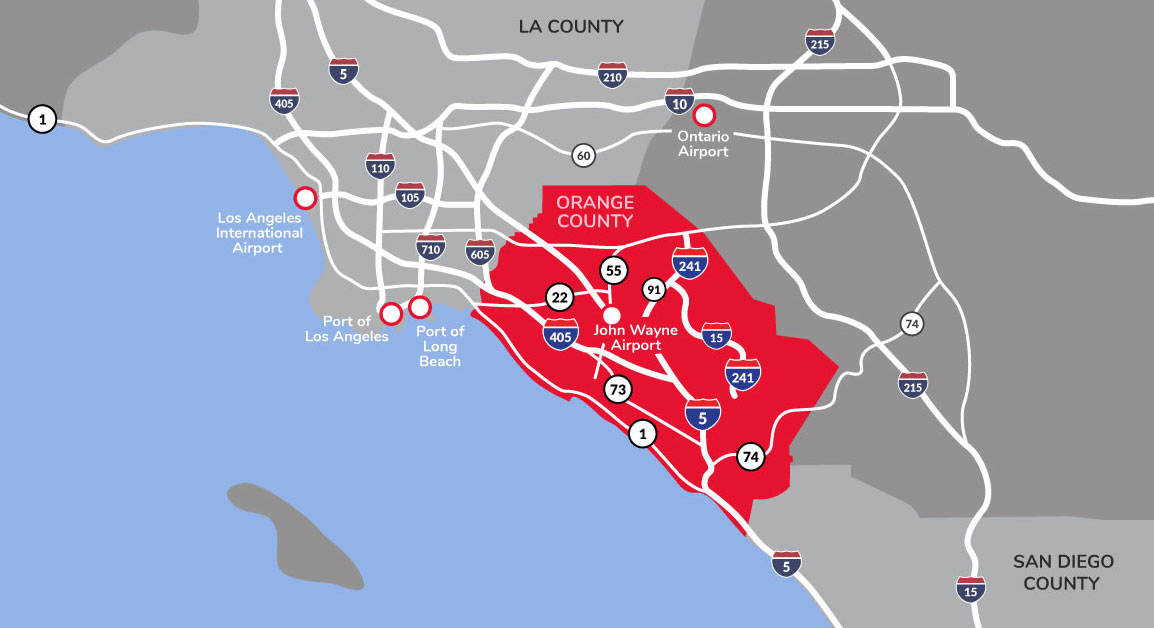
The exact distance between Orange County and Los Angeles can vary significantly depending on your specific starting and end points. Generally, the heart of Orange County, such as Anaheim (home to Disneyland Resort), Santa Ana, or Irvine, is approximately 25 to 40 miles (about 40 to 64 kilometers) southeast of Downtown Los Angeles.
- Anaheim to Downtown LA: Roughly 28-30 miles (45-48 km).
- Irvine to Downtown LA: Approximately 40-45 miles (64-72 km).
- Santa Ana to Downtown LA: Around 35-38 miles (56-61 km).
While these distances might seem manageable, the travel time by car is a different story. Under ideal conditions, without traffic, the drive could take anywhere from 30 to 50 minutes. However, “ideal conditions” are a rare luxury on Southern California freeways, especially on the primary arterial, the I-5 freeway. During peak commuting hours (typically 6:00 AM – 10:00 AM and 3:00 PM – 7:00 PM on weekdays), a trip can easily stretch to 1.5 to 2 hours, or even longer on particularly congested days. Planning your departure to avoid these windows is perhaps the most critical tip for seamless travel between these two vibrant destinations.
Navigating Southern California: Transportation Options
Exploring Southern California requires a strategic approach to transportation, given its vastness and traffic patterns. Luckily, a variety of options cater to different budgets, preferences, and itineraries, allowing travelers to choose the mode that best enhances their travel experience.
- Driving: For many visitors, renting a car offers the ultimate flexibility, allowing spontaneous detours to hidden gems, convenient access to remote attractions, and the freedom to explore at one’s own pace. This is particularly appealing for those planning road trips or multi-day excursions across the region. However, this convenience comes with the challenges of navigating freeways, paying for tolls (on some routes, like the 73 Toll Road in Orange County), and finding and paying for parking, which can be expensive in popular areas. When considering accommodation, many hotels and resorts in both LA and OC offer parking, though fees can vary.
- Public Transportation: While often overlooked by tourists, public transit systems provide a cost-effective and surprisingly efficient way to travel between the two counties, especially for certain destinations.
- Metrolink: This commuter rail service connects various cities across Southern California, including regular routes between Orange County and Downtown Los Angeles’ Union Station. It offers a comfortable, traffic-free alternative, particularly useful for business travelers or those attending events. Weekend passes are often available, making it an attractive option for leisure travel.
- Amtrak: The national passenger rail service also runs along the coast, offering scenic routes on the Pacific Surfliner that connect stations in Orange County (like Anaheim and Irvine) to Los Angeles and beyond. It’s a great option for a more relaxed journey, often with Wi-Fi and food services onboard.
- Local Bus Systems: Both the Orange County Transportation Authority (OCTA) and LA Metro operate extensive bus networks. While navigating exclusively by bus across counties can be time-consuming due to transfers, they are invaluable for local travel within each county, especially to attractions not directly served by rail.
- Ride-sharing Services/Taxis: Services like Uber and Lyft are readily available throughout both Orange County and Los Angeles, offering convenient door-to-door service. While more expensive than public transit, they can be a good option for travelers who prefer not to drive but also want more flexibility than public transport offers, particularly for airport transfers or late-night outings.
Orange County: A Destination in Its Own Right
Often overshadowed by its larger, more famous neighbor, Orange County (the OC) stands as a premier destination offering a distinct blend of world-class attractions, stunning coastal beauty, and an affluent, family-friendly lifestyle. Its appeal lies in its meticulously planned communities, pristine beaches, and a vibrant tourism infrastructure designed for relaxation and adventure.
Iconic Attractions and Family Fun
The OC is synonymous with some of California’s most beloved landmarks and attractions, making it a magnet for families and adventure seekers alike.
- Disneyland Resort: The crown jewel of Anaheim, the original “Happiest Place on Earth” features two theme parks, Disneyland Park and Disney California Adventure Park, offering unparalleled magical experiences for all ages. Adjacent to the parks, Downtown Disney District provides dining, shopping, and entertainment options.
- Knott’s Berry Farm: Located in Buena Park, this historic theme park offers a unique blend of thrilling rides, live entertainment, and Old West charm, alongside its Soak City water park.
- The Beaches: Orange County’s coastline is legendary, boasting some of the most beautiful beaches in the country.
- Huntington Beach: Known as “Surf City USA,” this iconic beach town is famous for its long pier, consistent waves, and vibrant surf culture. It’s a hotspot for surfing, beach volleyball, and enjoying the laid-back California lifestyle.
- Newport Beach: An upscale coastal city offering luxurious yachting experiences, pristine sandy shores, and high-end shopping at Fashion Island. Don’t miss a trip to Balboa Island for its charming shops and famous frozen bananas.
- Laguna Beach: A picturesque arts colony nestled among coves and canyons, Laguna Beach is renowned for its art galleries, tide pools, and dramatic ocean views. It’s a haven for artists and nature lovers alike.
- Mission San Juan Capistrano: For a dose of history and culture, this historic landmark offers a glimpse into California’s Spanish colonial past, famous for its swallows and beautiful grounds.
Accommodation and Lifestyle in the OC
The lifestyle in Orange County generally leans towards a more relaxed, affluent, and family-centric atmosphere compared to Los Angeles. Accommodation options cater to this demographic, ranging from sprawling luxury resorts to convenient, family-friendly hotels near theme parks.
- Luxury Resorts: The OC is home to some of California’s most opulent resorts, offering world-class amenities, stunning ocean views, and impeccable service. Examples include the Waldorf Astoria Monarch Beach and The Ritz-Carlton, Laguna Niguel, perfect for those seeking a lavish retreat. These resorts often feature championship golf courses, exquisite spas, and fine dining, making them ideal for a luxury travel experience.
- Family-Friendly Hotels: Near Disneyland Resort and Knott’s Berry Farm, countless hotels cater specifically to families, offering amenities like pools, kids’ clubs, and shuttle services to the parks. These range from budget-conscious options to mid-range hotels and suites that provide comfort and convenience.
- Boutique Hotels and Vacation Rentals: In coastal cities like Laguna Beach and Newport Beach, boutique hotels and vacation rentals offer a more intimate and personalized stay, often with unique local charm and breathtaking views.
- Lifestyle: The OC lifestyle emphasizes outdoor activities, from surfing and paddleboarding to hiking and cycling. The culinary scene is diverse, with an abundance of farm-to-table restaurants, fresh seafood eateries, and upscale dining experiences. Shopping is also a major draw, with high-end malls like South Coast Plaza attracting fashion enthusiasts.

Los Angeles: The City of Angels’ Allure
As one of the world’s most dynamic and diverse cities, Los Angeles is a global hub for entertainment, culture, and innovation. It’s a city of contrasts, where iconic landmarks stand alongside trendy neighborhoods, and the glitz of Hollywood meets the laid-back vibe of its coastal communities. For visitors, LA offers an endless array of experiences, from star-studded attractions to world-class museums and vibrant culinary adventures.
World-Class Landmarks and Cultural Experiences
Los Angeles is brimming with famous places, architectural marvels, and rich history, reflecting its status as a global city.
- Hollywood: The epicenter of the entertainment industry, Hollywood offers iconic sights like the Hollywood Walk of Fame, Grauman’s Chinese Theatre, and the legendary Hollywood Sign. A visit to Universal Studios Hollywood provides a thrilling behind-the-scenes look at moviemaking combined with exhilarating theme park rides.
- Museums and Art: LA is a cultural powerhouse, home to numerous world-class museums. The Getty Center boasts impressive architecture, expansive gardens, and a priceless art collection, all with panoramic views of the city. The Los Angeles County Museum of Art (LACMA), with its iconic “Urban Light” installation, is another must-visit for art lovers.
- Beaches: Like Orange County, LA offers stunning beaches, each with its own unique character.
- Santa Monica Pier: An iconic landmark featuring an amusement park, aquarium, and lively atmosphere. Santa Monica also offers upscale shopping and dining.
- Venice Beach: Famous for its bohemian boardwalk, street performers, muscle beach, and canals, Venice Beach offers a quirky and vibrant cultural experience.
- Downtown LA: A revitalized urban core, Downtown LA features architectural marvels like the Walt Disney Concert Hall, historic sites, and a thriving food scene exemplified by the bustling Grand Central Market.
Diverse Stays and Dynamic Lifestyles
The accommodation landscape in Los Angeles is as diverse as its neighborhoods, catering to every taste and budget, from opulent luxury to chic boutique hotels and budget-friendly options.
- Luxury Stays: Neighborhoods like Beverly Hills and West Hollywood are renowned for their ultra-luxurious hotels and resorts, such as The Beverly Hills Hotel and Hotel Bel-Air, offering unparalleled service, celebrity sightings, and world-class amenities. These are ideal for those seeking a lavish lifestyle experience.
- Boutique Hotels: Trendy areas like Silver Lake, Downtown LA, and Venice Beach are home to unique boutique hotels that reflect the local culture and design aesthetic, perfect for travelers seeking a more distinctive and personalized experience.
- Serviced Apartments and Extended Stays: For longer visits, business travelers, or families, serviced apartments and villas provide the comforts of home, often with kitchen facilities and more space, offering practical accommodation solutions.
- Budget-Friendly Options: Throughout the city, particularly near major transport hubs and attractions, a variety of budget-friendly hotels and hostels ensure that LA is accessible to all travelers.
- Lifestyle: Los Angeles’s lifestyle is incredibly varied, reflecting its diverse population. It’s a city of creatives, entrepreneurs, and dreamers, characterized by a dynamic arts scene, cutting-edge fashion, and an endlessly evolving culinary landscape that ranges from celebrity chef restaurants to authentic street food. Wellness and outdoor activities, from hiking in the Hollywood Hills to yoga on the beach, are also integral parts of the LA experience.
Planning Your SoCal Adventure: Tips for Seamless Travel
Whether you’re visiting for a quick getaway or an extended stay, optimizing your travel between Orange County and Los Angeles is crucial for a stress-free and enjoyable experience. Thoughtful planning can transform potential logistical hurdles into opportunities for deeper exploration.
Timing is Everything
As highlighted earlier, traffic can be the single biggest factor influencing travel time in Southern California. To minimize delays, aim to travel during off-peak hours: late morning (10:00 AM – 1:00 PM) or late evening (after 7:00 PM). Weekends generally see lighter traffic, but major events or holiday weekends can still cause significant congestion. Utilizing real-time traffic apps like Google Maps or Waze is highly recommended for up-to-the-minute route planning and avoiding unexpected delays. When planning visits to popular attractions, consider going on weekdays or arriving early to beat the crowds, maximizing your time and enjoyment.
Choosing Your Base
Deciding whether to base yourself in Orange County or Los Angeles largely depends on your primary travel goals and preferred lifestyle.
- For Theme Park Enthusiasts and Beach Lovers: If your itinerary is centered around Disneyland Resort, Knott’s Berry Farm, or the pristine beaches of Laguna or Huntington Beach, then staying in Orange County makes the most sense. This reduces daily commute times to these attractions and allows you to immerse yourself in the laid-back, family-friendly atmosphere of the OC. You can still easily make day trips to LA for specific attractions.
- For Urban Explorers and Culture Seekers: If your focus is on Hollywood glamour, world-class museums, diverse culinary scenes, and vibrant nightlife, then a hotel or apartment in Los Angeles proper is your ideal base. From Downtown LA to West Hollywood or Santa Monica, you’ll have easier access to the city’s myriad attractions and a more urban, dynamic lifestyle experience. Day trips to Orange County for a specific park or beach are easily doable.
- For Business Stays: Both counties offer excellent options for business travelers. Irvine in Orange County is a major business hub with numerous corporate hotels, while Downtown LA and Century City cater to business needs with convention centers and high-end accommodations.
Consider the type of accommodation that aligns with your lifestyle and budget, whether it’s a luxury resort, a comfortable suite, a family-friendly hotel, or a long-term apartment rental. Websites like lifeoutofthebox.com provide comprehensive booking options, reviews, and comparison tools to help you find the perfect stay.
Maximizing Your Experience
To truly make the most of your Southern California adventure, consider these additional tips:
- Multi-Day Passes: If visiting theme parks like Disneyland Resort or Universal Studios Hollywood, invest in multi-day passes to save money and allow for a more relaxed pace.
- Pre-Booking: For popular attractions, tours, and even some restaurants, pre-booking online can save you time waiting in lines and ensure availability, especially during peak seasons. This is particularly true for high-demand accommodation, which should be secured well in advance.
- Explore Beyond the Obvious: While the major landmarks are a must-see, don’t shy away from exploring the local culture, food scenes, and hidden gems in both regions. From farmers’ markets to independent art galleries and neighborhood eateries, these experiences offer deeper insights into the Southern California way of life.
- Consider a Split Stay: For a comprehensive experience, consider splitting your accommodation between Orange County and Los Angeles. This allows you to minimize travel time to specific clusters of attractions and immerse yourself more fully in the distinct vibes of each area.
In conclusion, while the question of “How far is Orange County from Los Angeles?” often focuses on mere mileage, the true answer encompasses the journey itself, the unique character of each destination, and the strategic planning required to bridge the gap effectively. By understanding the transportation options, traffic patterns, and the distinct attractions and lifestyles offered by both the OC and LA, you can craft a Southern California travel experience that is both efficient and profoundly enriching.
LifeOutOfTheBox is a participant in the Amazon Services LLC Associates Program, an affiliate advertising program designed to provide a means for sites to earn advertising fees by advertising and linking to Amazon.com. Amazon, the Amazon logo, AmazonSupply, and the AmazonSupply logo are trademarks of Amazon.com, Inc. or its affiliates. As an Amazon Associate we earn affiliate commissions from qualifying purchases.