
The journey from the sunshine capital of Orlando, Florida, to the bustling metropolis of Atlanta, Georgia, is a well-trodden path for millions of travelers each year. Whether you’re transitioning from the magic of theme parks to the vibrant culture of the Peach State or vice versa, understanding the distance, travel time, and various transportation options is crucial for a smooth and enjoyable experience. This comprehensive guide will break down everything you need to know about navigating the approximately 440-mile stretch between these two dynamic Southern cities, offering insights to help you plan your perfect itinerary.

The connection between Orlando and Atlanta is more than just a route on a map; it’s a bridge between two distinct cultural and economic hubs of the southeastern United States. Orlando, globally renowned for its iconic theme parks like Walt Disney World Resort and Universal Orlando Resort, draws millions of tourists seeking entertainment and escape. Atlanta, on the other hand, stands as a major economic center, a vibrant hub of arts and culture, and a city steeped in civil rights history. Many travelers find themselves needing to journey between these two points for a myriad of reasons, from business commitments to extended vacations that combine different aspects of Southern charm and modern allure.
This article will meticulously detail the geographical distance, analyze the most popular travel methods—driving, flying, bus, and train—and provide practical tips to ensure your transit is as efficient and stress-free as possible. From understanding the nuances of highway travel along I-75 to navigating airport logistics, we aim to equip you with all the necessary information to make an informed decision about your trip.
The Direct Driving Route: Distance, Time, and Key Interstates
For many, the most straightforward and flexible way to travel between Orlando and Atlanta is by car. The open road offers the freedom to set your own pace, make spontaneous stops, and carry more luggage.
Calculating the Driving Distance
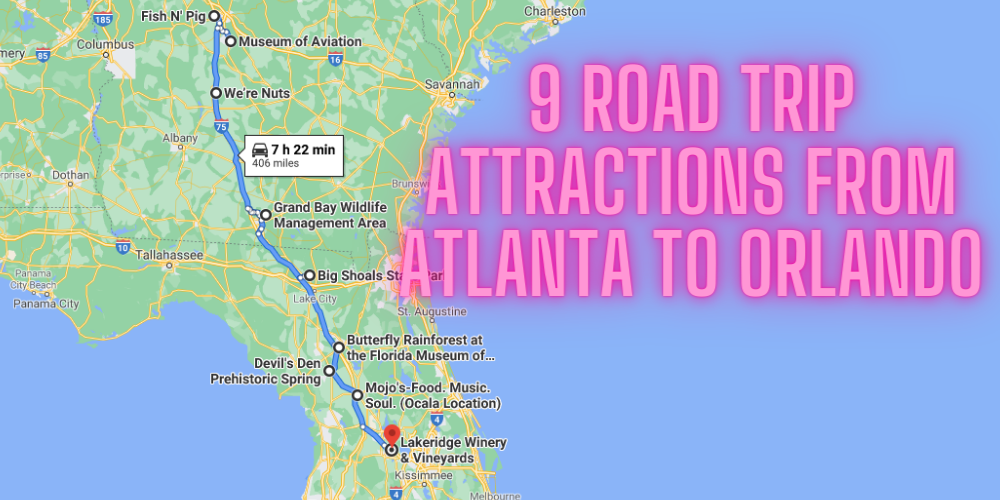
The average driving distance between downtown Orlando and downtown Atlanta is approximately 440 to 450 miles (about 708 to 724 kilometers), depending on your exact starting and ending points and the specific route taken. This distance is a significant journey, typically requiring a full day of travel. It’s important to distinguish this from the “as-the-crow-flies” or straight-line distance, which is considerably shorter but irrelevant for practical ground travel. The vast majority of this drive occurs on major interstate highways, designed for efficient long-distance travel.
Estimated Driving Time and Factors
Under ideal conditions—meaning minimal traffic, no significant construction delays, and only short stops for fuel and restrooms—the drive can be completed in approximately 6.5 to 7.5 hours. However, it is far more realistic to budget 8 to 9 hours of actual travel time, especially when factoring in necessary breaks, potential traffic slowdowns around metropolitan areas, and perhaps a meal stop.
Several factors can influence your total driving time:
- Traffic Congestion: Both Orlando and Atlanta are major cities notorious for heavy traffic, especially during peak commuter hours (mornings and late afternoons on weekdays) and holidays. Departures during these times can add an hour or more to your journey.
- Construction: Road construction projects are common on major interstates like I-75. Checking traffic apps or local department of transportation websites before you leave can help you anticipate and potentially avoid delays.
- Rest Stops and Fuel: Planning for 1-2 substantial stops for stretching, eating, and refueling is advisable for safety and comfort. These stops typically add 30-60 minutes to your trip.
The Primary Interstate Connection: I-75 North
The most direct and commonly used route involves traveling north on Interstate 75 (I-75) once you exit the Orlando area.
- From Orlando: You’ll typically take I-4 West initially from the heart of Orlando and then connect to Florida’s Turnpike North, which then merges with I-75 North near Wildwood. Alternatively, you can take local roads to connect directly to I-75 North from Orlando, avoiding the turnpike tolls.
- Through Georgia: I-75 North will take you directly through cities like Gainesville and Macon in Georgia before leading you straight into downtown Atlanta. This route is well-serviced with gas stations, restaurants, and rest areas, making it convenient for travelers.
Alternative Modes of Transportation
While driving offers flexibility, other options cater to different preferences for speed, cost, and convenience.
Flying: The Fastest Connection
For those prioritizing speed, flying is undoubtedly the quickest way to cover the distance.
- Flight Duration: Direct flights between Orlando International Airport (MCO) and Hartsfield-Jackson Atlanta International Airport (ATL) typically take around 1 hour and 15 minutes to 1 hour and 30 minutes.
- Total Travel Time: While the flight itself is short, remember to factor in time for getting to and from the airports, security checks, boarding, and baggage claim. This can easily add 3-4 hours to your total door-to-door travel time.
- Cost Considerations: Airfares can vary significantly based on booking time, airline, and season. While sometimes competitive with driving costs (especially for solo travelers when factoring in fuel, tolls, and wear-and-tear), they can also be substantially higher. Atlanta is a major hub for Delta Air Lines, often leading to frequent and sometimes affordable connections.
Bus Travel: An Economical Choice
Bus services offer a budget-friendly alternative for travelers not in a hurry.
- Providers: Companies like Greyhound and Megabus operate multiple daily routes between Orlando and Atlanta.
- Duration: Bus journeys are considerably longer than driving or flying, typically ranging from 8 to 11 hours, depending on the number of stops and transfers.
- Cost: Tickets are generally very affordable, making it an attractive option for budget-conscious travelers.
- Convenience: Buses usually depart from and arrive at central terminals, offering easy access to public transportation in both cities.
Train Travel: A Scenic but Slower Option
Amtrak provides train service connecting Orlando to Atlanta, offering a more relaxed and scenic journey for those who prefer not to drive or fly.
- Route and Duration: The train route is not as direct as the driving path and involves a longer duration. While the actual rail distance might be comparable to driving, the train schedules and multiple stops mean the journey typically takes 12 to 16 hours, sometimes requiring an overnight trip or a transfer.
- Experience: Train travel offers comfortable seating, the ability to move around, and dining options, making it a unique travel experience. However, it is not the most efficient option for this particular route in terms of time.
- Cost: Train tickets can vary widely based on the class of service and how far in advance you book. Generally, they fall between bus and airfare prices.
Planning Your Journey: Essential Tips for a Smooth Trip
Regardless of your chosen mode of transportation, a well-planned trip minimizes stress and maximizes enjoyment.
Best Time to Travel
- Driving: To avoid heavy traffic in Orlando and Atlanta, consider driving during off-peak hours. Early mornings (before 6 AM) or late evenings (after 7 PM) on weekdays are often best. Weekends can be unpredictable; Sunday evenings might see increased traffic as travelers return home. Avoid major holidays like Thanksgiving, Christmas, and Spring Break, when roads are heavily congested.
- Flying: Flights on Tuesdays, Wednesdays, and Saturdays often offer better prices and fewer crowds. Booking flights well in advance (2-3 months) typically yields the best fares.
Navigation and Updates
- GPS and Traffic Apps: Utilize GPS navigation apps like Google Maps, Waze, or Apple Maps for real-time traffic updates, estimated travel times, and alternative route suggestions in case of major delays.
- Airline Apps: If flying, download your airline’s app for real-time flight status updates, gate changes, and mobile boarding passes.
Budgeting for the Trip
- Fuel and Tolls: For drivers, estimate fuel costs based on your vehicle’s fuel efficiency and current gas prices. Factor in potential tolls, especially if using Florida’s Turnpike.
- Tickets: Book bus, train, or plane tickets in advance to secure better rates.
- Food and Snacks: Pack snacks and drinks, especially for road trips, to save money and avoid frequent stops. Budget for meals at rest stops or airports.
Vehicle Preparedness (for Drivers)
- Maintenance Check: Before a long drive, ensure your vehicle is in good working condition. Check tire pressure, oil levels, brakes, and fluid levels.
- Emergency Kit: Carry a basic emergency kit with jumper cables, a first-aid kit, flashlight, and roadside assistance information.
Why Make the Trip? Connecting Two Dynamic Southern Hubs
Understanding the “how” of the journey is important, but so is appreciating the “why.” Traveling between Orlando and Atlanta connects you to two incredibly rich and diverse experiences in the American South.

From Theme Park Extravaganza to Urban Sophistication
Orlando, the undisputed theme park capital of the world, offers unparalleled family entertainment and fantasy experiences. Millions flock here annually to immerse themselves in the magic of Disney and the cinematic adventures of Universal Studios. It’s a destination primarily focused on recreation, leisure, and creating unforgettable vacation memories. The city’s infrastructure is largely geared towards tourism, offering a plethora of resorts, dining options, and shopping designed to cater to international and domestic visitors.
Transitioning to Atlanta presents a different facet of Southern life. Atlanta is a sprawling, modern city with a rich historical tapestry. It’s a major commercial hub, home to the headquarters of numerous Fortune 500 companies, and a significant center for film production, earning it the nickname “Hollywood of the South”. Culturally, Atlanta boasts world-class museums like the High Museum of Art, historical sites such as the Martin Luther King Jr. National Historical Park, and a vibrant music and culinary scene. Its diverse neighborhoods, from the historic charm of Inman Park to the bustling energy of Midtown, offer a dynamic urban experience distinct from Orlando’s resort-centric appeal. Many choose to combine these destinations to experience both the fantastical escapism of Florida’s entertainment hubs and the sophisticated, historically significant urban landscape of Georgia’s capital. This combination allows travelers to enjoy a comprehensive Southern United States itinerary that blends relaxation, adventure, history, and modern culture.
In conclusion, the distance between Orlando, Florida, and Atlanta, Georgia, is approximately 440-450 miles. While a direct flight offers the quickest travel time, driving remains a popular and flexible choice, typically taking 7-9 hours. Bus and train services provide economical and scenic alternatives, albeit with longer travel durations. By carefully considering your priorities—whether it’s speed, budget, or the journey itself—and utilizing the planning tips provided, you can ensure a comfortable and efficient trip between these two iconic Southern destinations.
LifeOutOfTheBox is a participant in the Amazon Services LLC Associates Program, an affiliate advertising program designed to provide a means for sites to earn advertising fees by advertising and linking to Amazon.com. Amazon, the Amazon logo, AmazonSupply, and the AmazonSupply logo are trademarks of Amazon.com, Inc. or its affiliates. As an Amazon Associate we earn affiliate commissions from qualifying purchases.