
For anyone planning a journey through the Sunshine State, one of the most common questions revolves around the distances between its vibrant cities. The query “How far is Orlando from Jacksonville, Florida?” is fundamental for travel logistics, whether you’re embarking on a family vacation, a business trip, or a spontaneous adventure. This guide will provide a comprehensive breakdown of the distance, estimated travel times, various transportation options, and essential tips to ensure a smooth and enjoyable experience as you traverse the beautiful landscapes of Florida.
Understanding the geographical relationship between these two major Florida hubs is key to optimizing your itinerary. Orlando, globally renowned for its theme parks and entertainment, and Jacksonville, the state’s largest city by area, known for its extensive coastline, burgeoning arts scene, and business opportunities, are connected by well-maintained highways designed to facilitate efficient travel. Preparing for this journey involves more than just knowing the mileage; it includes considering traffic patterns, potential stops, and the best mode of transport tailored to your preferences and schedule.
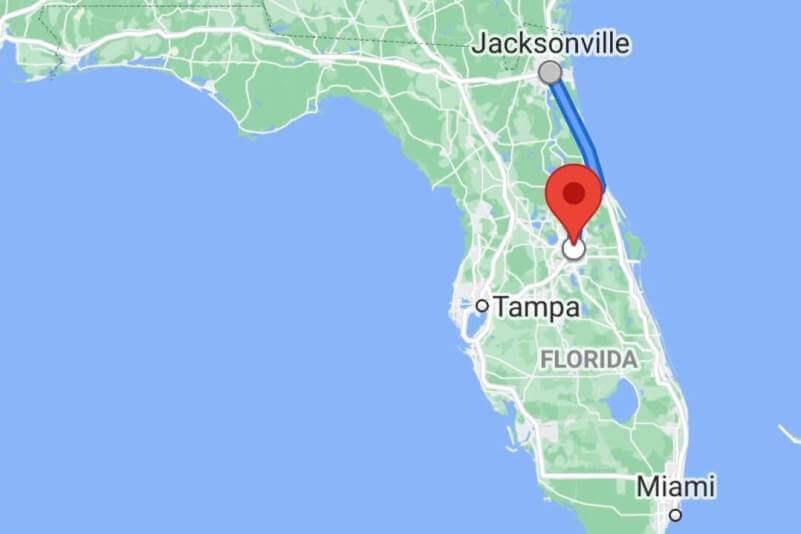
The Straightforward Answer: Distance and Driving Time
When setting out to travel between Orlando and Jacksonville, the most immediate concern is typically the distance and how long it will take to cover it. The good news is that these two significant Florida cities are quite accessible to each other, making for a manageable drive.
Unpacking the Miles and Kilometers
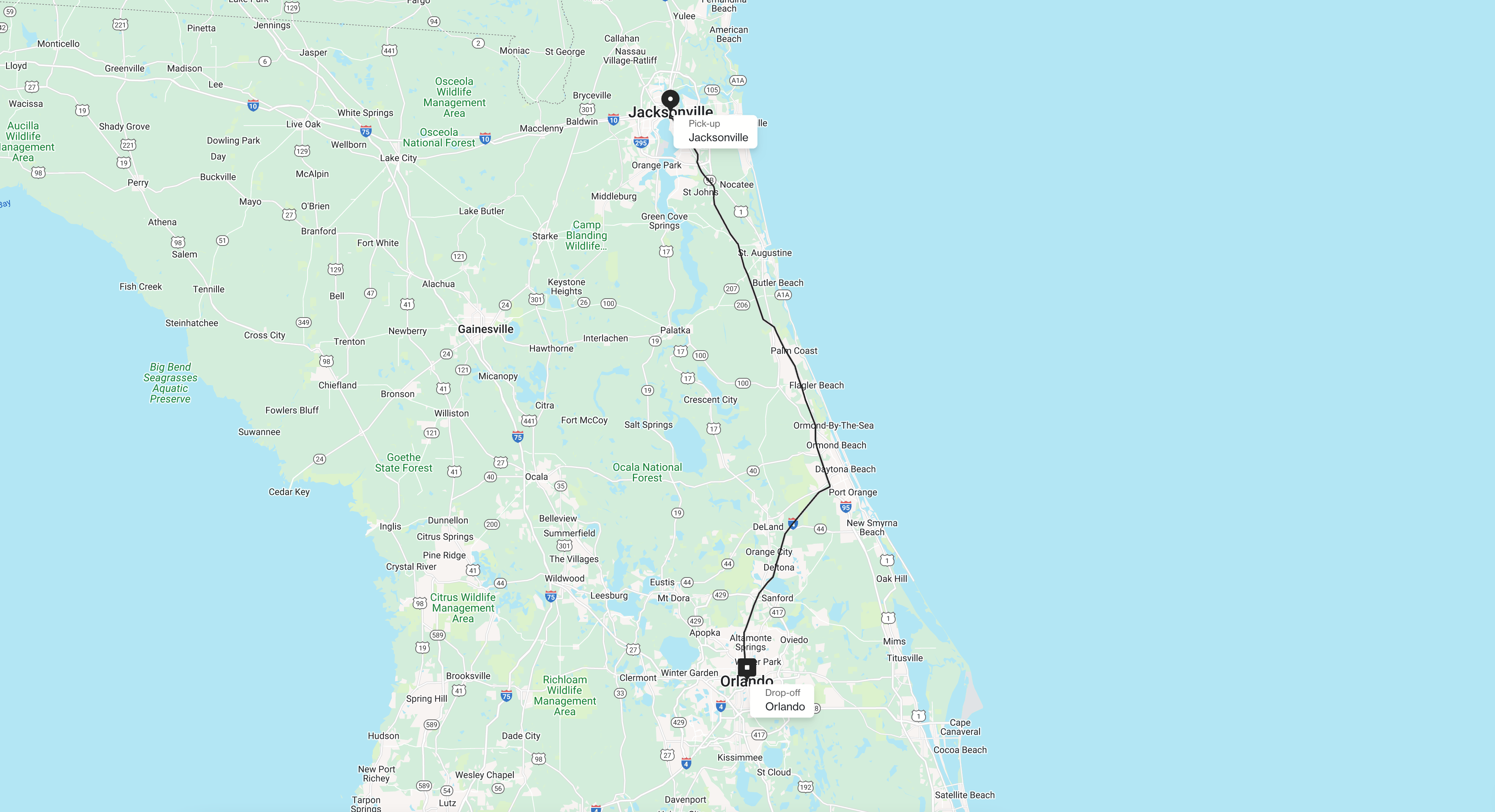
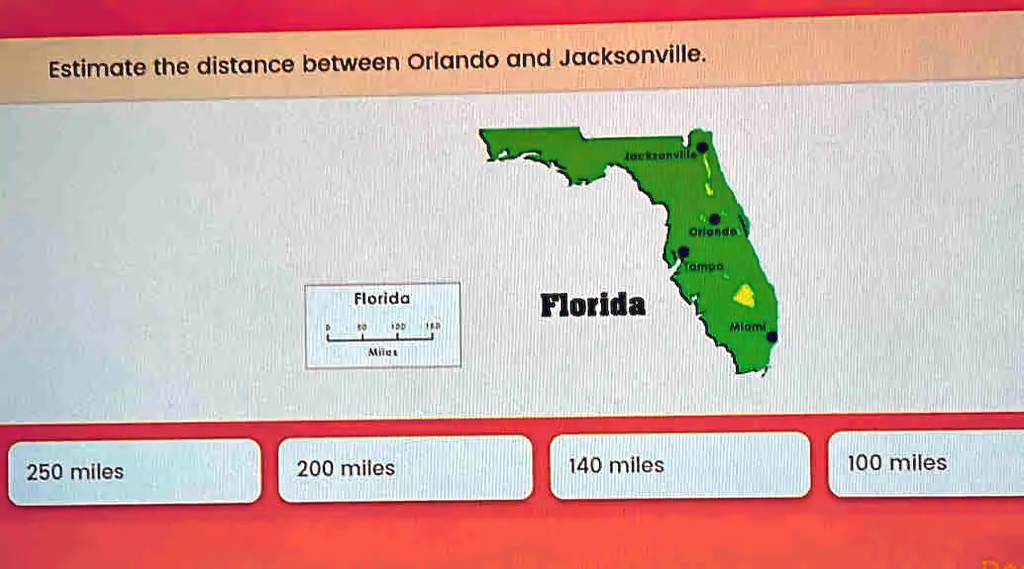
The approximate driving distance between Orlando and Jacksonville is generally 140 to 145 miles (approximately 225 to 233 kilometers), depending on your specific starting point in Orlando and your final destination within Jacksonville. This relatively straightforward distance makes the journey a popular choice for road trippers and commuters alike. It’s an ideal length for a day trip or as a segment of a longer Florida tour, striking a balance between a significant journey and one that isn’t overly demanding.
Factors Influencing Your Drive Duration
While 140-145 miles might seem precise, the actual time you spend on the road can vary. Under ideal conditions, with minimal traffic and a steady pace, the drive typically takes around 2 to 2.5 hours. However, several factors can influence this estimate:
- Traffic Conditions: As with any major urban corridor, traffic can be a significant factor. Peak travel times, such as weekday rush hours (morning and late afternoon/evening) and holiday weekends, can considerably extend your journey. Congestion points often occur around the city centers of both Orlando and Jacksonville, as well as sections of Interstate 4 and Interstate 95.
- Road Construction: Florida’s infrastructure is constantly being updated. Construction zones, while temporary, can lead to lane closures and slower speeds. Checking for active construction alerts before you depart is always a wise move.
- Weather: Florida is known for its sudden, heavy rain showers, especially during the summer months. These can reduce visibility and necessitate slower driving, impacting your travel time.
- Stops and Breaks: The 2 to 2.5-hour estimate is for continuous driving. If you plan to stop for gas, food, or a stretch break, factor that additional time into your schedule.
- Route Choice: While there’s a primary route, slight variations or detours can also alter the total distance and time.
Navigating the Routes: Your Journey Options
The primary routes connecting Orlando and Jacksonville are well-established, offering efficiency for most travelers. However, depending on your priorities, there might be slightly different paths to consider.
The Most Direct Path: I-95 and I-4
The quickest and most common route involves a combination of two major interstate highways:
- Interstate 4 (I-4) North from Orlando: From central Orlando, you’ll typically start by heading north on I-4. This segment will take you through the northern suburbs of Orlando and towards the Atlantic coast.
- Interstate 95 (I-95) North towards Jacksonville: After approximately 45-60 minutes on I-4 (depending on traffic and your starting point in Orlando), you will merge onto I-95 North, usually near Daytona Beach. From this point, you’ll continue north on I-95 for the remainder of your journey directly into Jacksonville.
This route is largely flat, straightforward, and generally well-maintained, offering numerous opportunities for rest stops, gas stations, and dining along the way. It’s the preferred choice for those prioritizing speed and convenience.
Exploring Alternative Paths and Scenic Detours
While the interstate route is the most efficient, some travelers might seek a slightly different experience, perhaps a more scenic drive or a chance to visit charming towns.
- Coastal Route (via A1A/US-1): Instead of immediately hopping onto I-95, you could opt for a more leisurely drive along parts of A1A or US-1 after exiting I-4 further south (e.g., towards Titusville or Daytona Beach). This would take you closer to the coast, offering glimpses of the Atlantic and passing through historic towns like St. Augustine. Be aware that this route will significantly increase your travel time, possibly by an hour or more, due to lower speed limits and more traffic lights. However, for those with time to spare, a stop in St. Augustine, the nation’s oldest continuously inhabited European-established settlement, could be a memorable diversion.
- Inland Routes (via US-17 or other state roads): Less common for direct travel, inland routes via roads like US-17 would take you through more rural Florida landscapes, past smaller towns like Palatka and DeLand. These routes are generally slower, involve more two-lane roads, and are less direct. They might appeal to travelers who enjoy exploring off the beaten path or wish to avoid the typical interstate experience entirely, but they are not recommended for those on a tight schedule.
Beyond the Wheel: Other Transportation Methods
While driving is overwhelmingly the most popular way to travel between Orlando and Jacksonville, it’s not the only option. Depending on your budget, time constraints, and preference for comfort, you might consider other modes of transport.
Bus Travel: An Economical Choice
Bus services offer a cost-effective and convenient alternative for those without a car or who prefer to avoid driving. Companies like Greyhound operate regular routes connecting Orlando and Jacksonville.
- Duration: Bus journeys typically take a bit longer than driving, usually ranging from 2.5 to 3.5 hours, depending on the number of stops and traffic.
- Cost: Fares are generally quite affordable, especially if booked in advance, making it an attractive option for budget-conscious travelers.
- Convenience: Buses depart from and arrive at central bus terminals in both cities, which are usually accessible via local public transport or ride-sharing services. You can relax, read, or work without the stress of navigating traffic.
Train Journeys: A Relaxed Alternative
For a more relaxed and scenic journey, train travel is another option, albeit less direct and potentially longer than driving or taking the bus. Amtrak provides service between Orlando and Jacksonville.
- Duration: Train travel can take around 3 to 4 hours, as train routes don’t always follow the most direct path and include stops in various towns.
- Experience: Amtrak offers a comfortable experience with spacious seating, dining cars, and the ability to move around. It’s an excellent choice for those who enjoy the journey as much as the destination, providing a different perspective of the Florida landscape.
- Stations: Amtrak stations are typically located in or near the city centers, offering good connectivity.
Considering Air Travel: Is it Viable for This Route?
Given the relatively short distance between Orlando and Jacksonville, flying is generally not the most practical or efficient option.
- Flight Time vs. Total Travel Time: While the actual flight time is minimal (around 30-45 minutes), you must factor in the time spent getting to and from airports (Orlando International Airport – MCO and Jacksonville International Airport – JAX), going through security, checking bags, and waiting for boarding. This cumulative time often far exceeds the 2 to 2.5 hours it takes to drive.
- Cost: Airfare, even for short regional flights, typically costs significantly more than gas or bus tickets.
- Convenience: For such a short distance, the added complexities of air travel (security lines, baggage restrictions, airport transfers) usually outweigh any perceived time savings. Flying would only be advisable in very specific circumstances, such as connecting flights or if you are already at one of the airports for another journey.
Planning Your Trip: Essential Tips for a Smooth Journey
Regardless of your chosen mode of transport, a little planning goes a long way in ensuring a stress-free trip from Orlando to Jacksonville.
Best Times to Travel Between Cities
- Avoid Peak Hours: If driving, aim to depart outside of typical rush hour times (7 AM – 9 AM and 4 PM – 6 PM on weekdays). Early mornings (before 7 AM) or late mornings (after 9:30 AM) often provide clearer roads.
- Mid-week Travel: Tuesdays, Wednesdays, and Thursdays generally see lighter traffic volumes compared to Fridays and Sundays, which are popular travel days.
- Off-Season Benefits: Traveling during Florida’s shoulder seasons (spring and fall) can mean less congestion on the roads and fewer crowds at attractions, leading to a more pleasant overall experience.
Recommended Stops and Diversions
If you’re driving and have some extra time, consider breaking up your journey with a stop:
- St. Augustine: Located just off I-95, St. Augustine is an absolute must-see for history buffs. Explore its colonial streets, visit the Castillo de San Marcos, or stroll along the bayfront. It’s a perfect half-day stop.
- Daytona Beach: Famous for its motorsports history and expansive beaches, Daytona Beach offers a vibrant stop directly on the main interstate route. You can visit the Daytona International Speedway or enjoy the ocean air.
- Local Produce Stands: Along some of the smaller state roads, particularly if you venture slightly off the main interstates, you might find roadside stands selling fresh Florida citrus and other local produce – a delightful, authentic experience.
Preparing for Florida Driving Conditions
- Stay Hydrated: Even in the car, Florida’s heat can be draining. Keep water handy.
- Sun Protection: Sunglasses are essential, especially when driving east or west at sunrise/sunset.
- Toll Roads: While the primary route between Orlando and Jacksonville on I-4 and I-95 is generally toll-free, some specific exit/entrance ramps or alternative routes may have tolls. Consider getting a SunPass or E-Pass for convenience, or have small bills for cash lanes.
- Weather Awareness: Be prepared for sudden thunderstorms, particularly in the summer. Reduce speed and use headlights during heavy rain.
- Navigation: Use a reliable GPS app (like Google Maps or Waze) for real-time traffic updates and accurate directions.
Making the Most of Your Florida Adventure
The journey between Orlando and Jacksonville is more than just covering miles; it’s an opportunity to experience different facets of Florida. Knowing the distance and planning your travel allows you to fully anticipate and enjoy what each city has to offer.
Why Jacksonville Awaits
Upon arrival in Jacksonville, you’ll discover a city with a unique blend of urban sophistication and natural beauty. Known for its 22 miles of pristine beaches, a bustling downtown with a burgeoning culinary scene, and a vibrant arts community, Jacksonville offers a refreshing contrast to Orlando’s theme park focus. Explore the St. Johns River by boat, visit the Jacksonville Zoo and Gardens, or catch a Jacksonville Jaguars game at EverBank Stadium. Its expansive parks system and proximity to historic St. Augustine make it a versatile destination for relaxation and adventure.
The Allure of Orlando’s Attractions
Conversely, if your journey starts in Jacksonville and takes you south to Orlando, you’re heading to a global entertainment mecca. Orlando is synonymous with world-class theme parks like Walt Disney World Resort, Universal Orlando Resort, and SeaWorld Orlando. Beyond the thrill rides and magical characters, Orlando also boasts an array of shopping, dining, and cultural experiences, from the upscale boutiques of Mall at Millenia to the vibrant nightlife of International Drive. Its central location also makes it a convenient base for day trips to attractions like the Kennedy Space Center Visitor Complex on the Space Coast.
In conclusion, the journey from Orlando to Jacksonville, Florida, is a manageable one, typically spanning around 140-145 miles and taking 2 to 2.5 hours by car. With diverse transportation options and a wealth of attractions awaiting at both ends, your travel plans can be tailored to suit any style or pace. By considering the practical aspects outlined in this guide, you’re well-equipped to embark on a seamless and enjoyable adventure across these captivating Florida destinations.
LifeOutOfTheBox is a participant in the Amazon Services LLC Associates Program, an affiliate advertising program designed to provide a means for sites to earn advertising fees by advertising and linking to Amazon.com. Amazon, the Amazon logo, AmazonSupply, and the AmazonSupply logo are trademarks of Amazon.com, Inc. or its affiliates. As an Amazon Associate we earn affiliate commissions from qualifying purchases.