
Embarking on a journey across the Sunshine State often brings travelers to two of Florida’s most dynamic cities: the world-renowned theme park capital, Orlando, and the vibrant coastal hub, Jacksonville. Whether you’re planning a family vacation, a business trip, or simply an exploratory road trip, understanding the distance and travel nuances between these two popular destinations is key to a seamless experience. This comprehensive guide will not only answer the fundamental question of how far apart they are but will also delve into everything you need to know about making the journey, what to expect in each city, and how to tailor your adventure to your unique travel style.
The Journey: Distance, Time, and Routes Between Orlando and Jacksonville
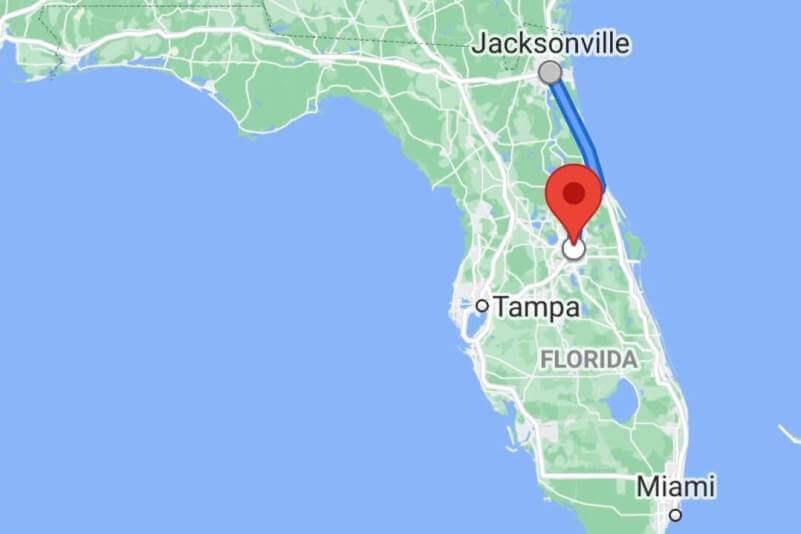
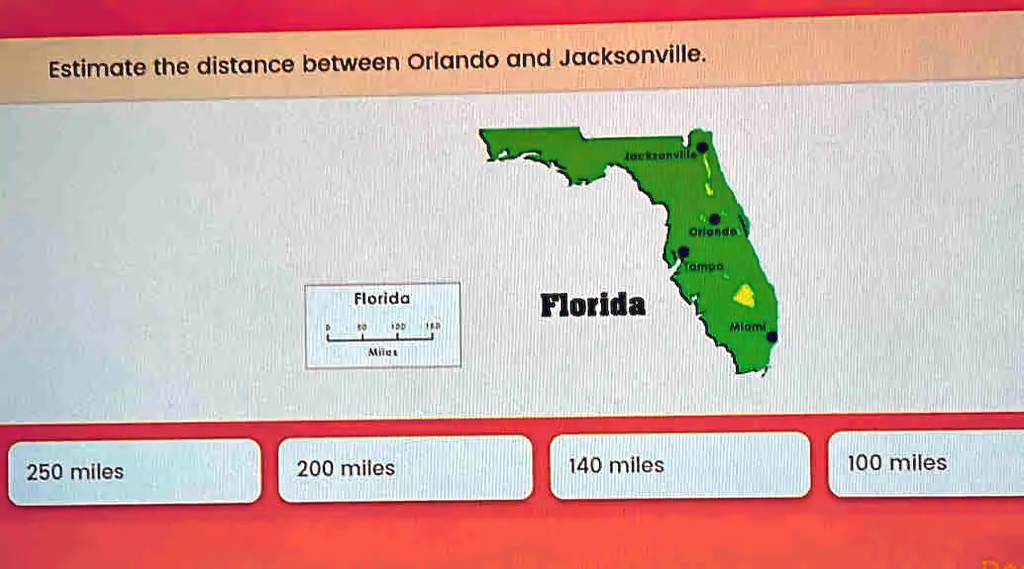
The straight-line distance, or as the crow flies, between Orlando and Jacksonville is approximately 120 miles (about 193 kilometers). However, when considering actual travel, this distance naturally increases due to road networks and geographical considerations.
The Direct Drive
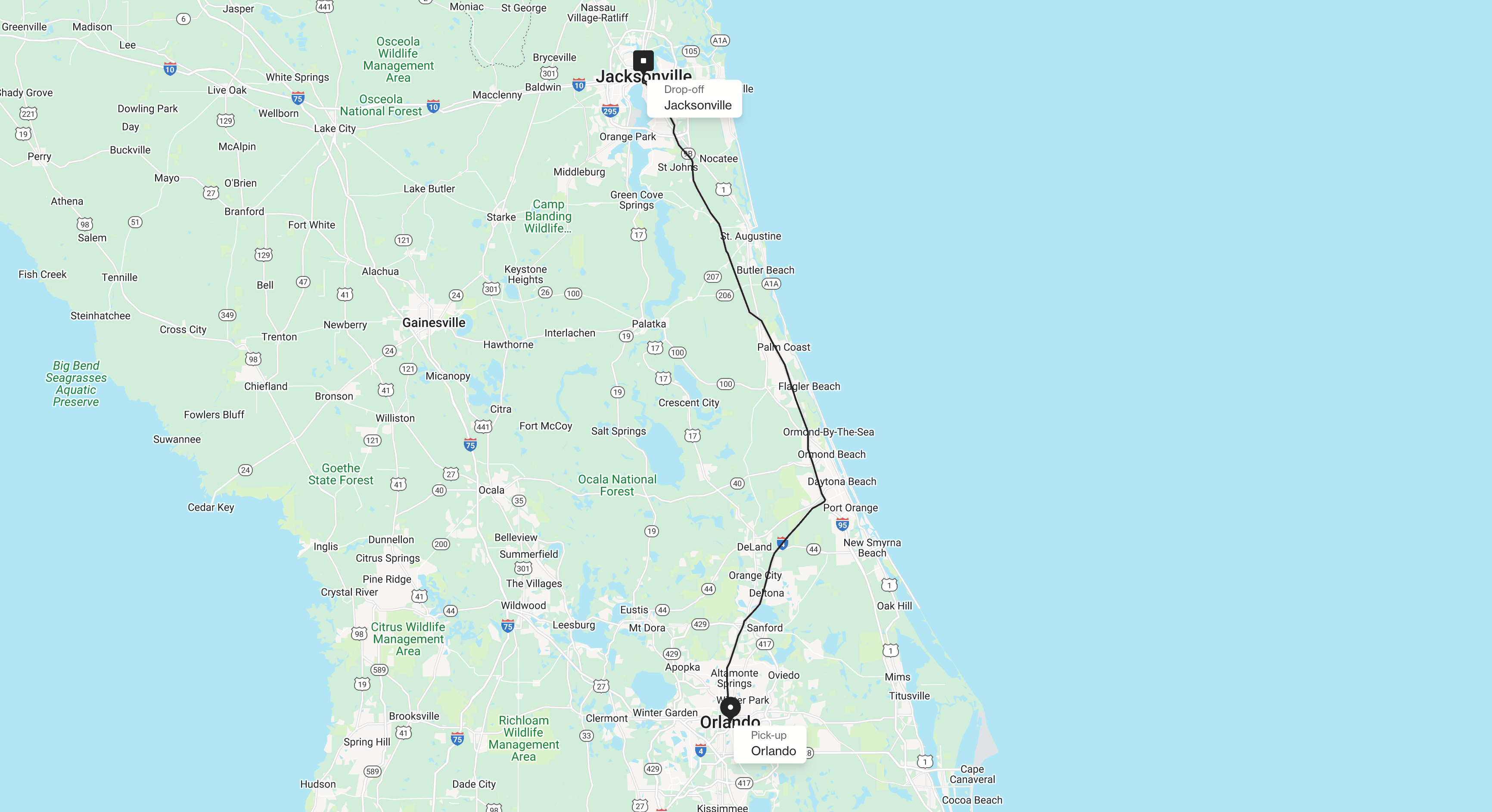
For most travelers, driving is the preferred method of transit between Orlando and Jacksonville. The most common and direct route involves primarily using Interstate 4 (I-4) North from Orlando to Daytona Beach, then merging onto Interstate 95 (I-95) North which takes you directly into Jacksonville.
- Distance by Road: The typical driving distance via this route is approximately 140 to 145 miles (225 to 233 kilometers).
- Travel Time by Car: Under optimal conditions, meaning no significant traffic delays or stops, the drive usually takes around 2 to 2.5 hours. However, it’s prudent to factor in potential traffic, especially during peak travel times, holidays, or if you’re navigating through the downtown areas of either city. Construction work, common on major interstates, can also add to the travel duration. It’s always wise to check real-time traffic updates before heading out.
Driving offers unparalleled flexibility, allowing travelers to stop at points of interest along the way. While the direct route is efficient, you might consider slight detours for attractions like the iconic Daytona International Speedway or the historic charm of St. Augustine, America’s oldest continuously inhabited European-established settlement, which is conveniently located off I-95, roughly an hour south of Jacksonville.
Alternative Transportation
While driving remains the most popular choice, other transportation options are available for those who prefer not to get behind the wheel.
- Bus Services: Companies like Greyhound offer regular bus services between Orlando and Jacksonville. The journey by bus typically takes longer than driving, usually ranging from 3 to 4 hours, depending on the number of stops and the specific route. It’s a cost-effective option for budget travelers.
- Train (Amtrak): Amtrak provides train service connecting Orlando and Jacksonville. The train journey can be a more relaxed way to travel, offering scenic views without the stress of driving. Travel times are comparable to or slightly longer than bus services, averaging around 3.5 to 4 hours. It’s an excellent choice for those who enjoy a leisurely pace and want to avoid road traffic altogether.
- Flights: Although both cities have major airports—Orlando International Airport (MCO) and Jacksonville International Airport (JAX)—direct flights between them are rare due to the relatively short distance. Most flights would involve a layover, making the total travel time significantly longer and more expensive than driving or taking a bus/train. Flying is generally not a practical option for this specific route.
- Ride-sharing and Private Transfers: Services like Uber, Lyft, or private shuttle companies can also facilitate travel between the two cities. While convenient, especially for door-to-door service, these options tend to be more expensive than public transport or driving your own vehicle, particularly for long distances.
Why Make the Trip? Exploring Orlando and Jacksonville
The reasons for traveling between Orlando and Jacksonville are as diverse as the attractions each city offers. From world-class entertainment to pristine beaches and burgeoning cultural scenes, both destinations promise unique experiences.
Orlando: The Theme Park Capital
Orlando needs little introduction. Renowned globally as the “Theme Park Capital of the World,” it’s a magnet for families, thrill-seekers, and fantasy enthusiasts.
- World-Famous Attractions: The city is home to the magical Walt Disney World Resort, encompassing Magic Kingdom, Epcot, Hollywood Studios, and Animal Kingdom, along with multiple water parks and Disney Springs. Not far away, the incredible Universal Orlando Resort beckons with Universal Studios Florida, Islands of Adventure (including The Wizarding World of Harry Potter), and Universal CityWalk. SeaWorld Orlando offers marine life encounters and exciting rides, while LEGOLAND Florida Resort provides family fun tailored for younger children.
- Beyond the Parks: Orlando’s appeal extends beyond its theme parks. International Drive (I-Drive) is a vibrant hub featuring attractions like ICON Park (home to The Wheel at ICON Park), numerous restaurants, shopping outlets, and entertainment venues. The Dr. Phillips Center for the Performing Arts hosts Broadway shows and concerts, while the Orlando Museum of Art offers cultural enrichment.
- Business and Conventions: Orlando is also a major convention destination, boasting the Orange County Convention Center, one of the largest in the U.S., attracting business travelers year-round.
Jacksonville: Beaches, Culture, and Urban Charm
As Florida’s most populous city by area, Jacksonville offers a diverse landscape ranging from pristine Atlantic beaches to a bustling downtown and lush natural preserves.
- Coastal Beauty: Jacksonville Beach, Neptune Beach, and Atlantic Beach offer miles of sandy shores perfect for swimming, surfing, fishing, or simply relaxing. A short drive north will take you to the upscale Ponte Vedra Beach, known for its golf courses, and further still, the charming historical town of Fernandina Beach on Amelia Island.
- Arts and Culture: Jacksonville boasts a growing arts and culture scene. The Cummer Museum of Art & Gardens features an impressive collection and beautiful riverfront gardens. The Museum of Science & History (MOSH) provides interactive exhibits for all ages, while the Florida Theatre and Jacoby Symphony Hall host a variety of performances. The city also hosts numerous festivals and events throughout the year.
- Outdoor Adventures: The St. Johns River, which flows through the heart of the city, offers opportunities for boating, kayaking, and fishing. The Jacksonville Zoo and Gardens is a popular family attraction, and numerous state parks and nature preserves provide hiking and wildlife viewing.
- Sports and Entertainment: Home to the Jacksonville Jaguars (NFL) at TIAA Bank Field, the city is a haven for sports enthusiasts. Daily’s Place hosts concerts and events, adding to the city’s vibrant entertainment landscape.
Planning Your Stay: Accommodation and Lifestyle Choices
Both Orlando and Jacksonville offer a vast array of accommodation options to suit every budget and preference, from luxurious resorts to family-friendly apartments and budget-conscious hotels.
Hotels and Resorts in Orlando
Given its status as a premier tourist destination, Orlando’s accommodation sector is incredibly diverse and competitive.
- Luxury Resorts: For those seeking an opulent experience, Orlando offers numerous five-star resorts. Examples include the Four Seasons Resort Orlando at Walt Disney World Resort, The Ritz-Carlton, Orlando, Grande Lakes, and JW Marriott Orlando, Grande Lakes, offering world-class amenities, golf courses, spas, and exceptional dining. The Waldorf Astoria Orlando also stands out for its elegance.
- Theme Park Hotels: Staying within the theme park resorts offers convenience and exclusive perks. Disney and Universal boast their own extensive collections, from value resorts to deluxe villas. Examples include Disney’s Contemporary Resort, Loews Portofino Bay Hotel at Universal, and the Hard Rock Hotel Orlando.
- Mid-Range and Budget Options: Along International Drive and throughout the wider Orlando area, countless hotels like Hyatt Regency Orlando, Holiday Inn, and Best Western provide comfortable stays at more accessible price points. For longer stays or larger families, vacation rentals and suites with kitchenettes are also abundant.
- Apartments and Villas: The demand for extended stays and self-catering options has led to a proliferation of apartment-style hotels and private villa rentals, particularly popular with families and groups, offering more space and often competitive pricing.
Accommodation in Jacksonville
Jacksonville’s accommodation scene caters to both business travelers and leisure visitors, with options ranging from urban hotels to beachfront properties and historic inns.
- Downtown and Riverfront Hotels: For business travelers or those wanting to explore the urban core, hotels like the Hyatt Regency Jacksonville Riverfront and the Omni Jacksonville Hotel offer excellent amenities and proximity to the Prime Osborn Convention Center, business districts, and the St. Johns Riverwalk.
- Beachfront Resorts: If the ocean is your priority, head to the beaches. The Ritz-Carlton, Amelia Island, offers a luxurious escape, while the Sawgrass Marriott Golf Resort & Spa near Ponte Vedra Beach combines golf and relaxation. Numerous smaller hotels and vacation rentals can be found along Jacksonville Beach, Neptune Beach, and Atlantic Beach.
- Boutique and Unique Stays: For a more personalized experience, look for charming boutique hotels or bed and breakfasts in areas like San Marco or near Five Points, offering a glimpse into Jacksonville’s local culture and history.
Tailoring Your Trip: Luxury, Budget, Family, or Business
The website’s focus areas – lifestyle, accommodation, and tourism – directly influence how you might approach a trip between these two Florida cities.
- Luxury Travel: A luxury itinerary might involve flying first-class into Orlando, staying at the Four Seasons with VIP park access, utilizing a private transfer to Jacksonville, and checking into The Ritz-Carlton, Amelia Island for spa treatments and gourmet dining.
- Budget Travel: A budget-conscious trip could involve taking the bus, staying at a value-oriented hotel or vacation rental in Kissimmee (near Orlando) and a budget hotel in downtown Jacksonville, and focusing on free attractions like Jacksonville’s beaches or Disney Springs entertainment.
- Family Trips: Families often opt for spacious suites or vacation rentals with kitchens to manage costs and provide home comforts. Orlando is a no-brainer for family fun, but Jacksonville also offers excellent family-friendly options like the Jacksonville Zoo and Gardens and interactive exhibits at MOSH.
- Business Stays: Business travelers typically prioritize hotels near convention centers like the Orange County Convention Center in Orlando or the Prime Osborn Convention Center in Jacksonville. Connectivity, meeting facilities, and efficient transport are key considerations.
Making the Most of Your Florida Adventure
A journey between Orlando and Jacksonville is an opportunity to experience the diverse beauty and excitement of Florida. Thoughtful planning can elevate your trip from good to unforgettable.
Tips for a Smooth Journey
- Best Time to Travel: Florida’s peak tourist season is typically winter (November to April), when the weather is cooler and drier. Summers can be hot, humid, and prone to afternoon thunderstorms, as well as hurricane season. Planning your drive during off-peak hours (mid-morning or early afternoon) can help avoid traffic, especially on I-4.
- Vehicle Preparation: If driving, ensure your vehicle is in good condition. Check tire pressure, oil levels, and fill up your gas tank before departing.
- Navigation Tools: Use GPS apps like Google Maps or Waze for real-time traffic updates and alternative route suggestions.
- Rest Stops: There are several service plazas and towns along I-4 and I-95 that offer opportunities for fuel, food, and rest.
- Accommodation Booking: Always book your hotels or other accommodation in advance, particularly during peak seasons or major events in either city. Use comparison websites and read reviews to ensure you’re getting the best value and amenities for your needs.
Must-See Landmarks and Local Experiences
Incorporating local culture and unique landmarks can enrich your travel experience significantly.
- Historic St. Augustine: If time permits, a stop in St. Augustine is highly recommended. Explore the ancient Castillo de San Marcos, stroll down St. George Street, and visit the Fountain of Youth Archaeological Park or the St. Augustine Lighthouse & Maritime Museum. Don’t forget to sample local wines at San Sebastian Winery.
- Jacksonville’s Urban Parks: Explore Metropolitan Park along the St. Johns River, or enjoy the serene beauty of the Jacksonville Arboretum & Gardens.
- Orlando’s Charm: Beyond the theme parks, experience the vibrant nightlife at Universal CityWalk or Disney Springs, enjoy a show at the Dr. Phillips Center, or explore the charming shops and cafes in Winter Park, a short drive from downtown Orlando.
- Foodie Adventures: Both cities offer exceptional dining. In Orlando, from celebrity chef restaurants at the resorts to diverse international cuisine along International Drive. Jacksonville boasts a burgeoning culinary scene, particularly in neighborhoods like San Marco and Riverside, with fresh seafood and Southern-inspired dishes. The St. Johns Town Center also offers a wide array of dining and shopping experiences.
- Sports Enthusiast: Catch an Orlando Magic basketball game, an Orlando City SC soccer match, or witness the roar of the Jacksonville Jaguars at TIAA Bank Field.
In conclusion, the journey from Orlando to Jacksonville is a relatively straightforward one, typically taking 2 to 2.5 hours by car across approximately 140 miles. What makes this route particularly exciting is the incredible diversity of experiences waiting at both ends. Whether you’re drawn to the fantastical escapism of Orlando’s theme parks or the sun-kissed beaches, urban culture, and natural beauty of Jacksonville, this stretch of Florida offers something for every type of traveler. By understanding the distance, transportation options, and the wealth of attractions and accommodation choices, you’re well-equipped to plan an unforgettable adventure between these two Sunshine State jewels.
LifeOutOfTheBox is a participant in the Amazon Services LLC Associates Program, an affiliate advertising program designed to provide a means for sites to earn advertising fees by advertising and linking to Amazon.com. Amazon, the Amazon logo, AmazonSupply, and the AmazonSupply logo are trademarks of Amazon.com, Inc. or its affiliates. As an Amazon Associate we earn affiliate commissions from qualifying purchases.