
The allure of the desert landscapes, the vibrant entertainment of Las Vegas, and the chic, mid-century modern charm of Palm Springs create an irresistible pairing for many travelers. Whether you’re looking to escape the non-stop energy of the casino floor for a dose of relaxation or seeking to combine two iconic American West experiences, understanding the distance between these two popular destinations is key to planning your perfect itinerary. Fortunately, the journey between Palm Springs and Las Vegas is a relatively straightforward one, offering various travel options to suit your style and budget.
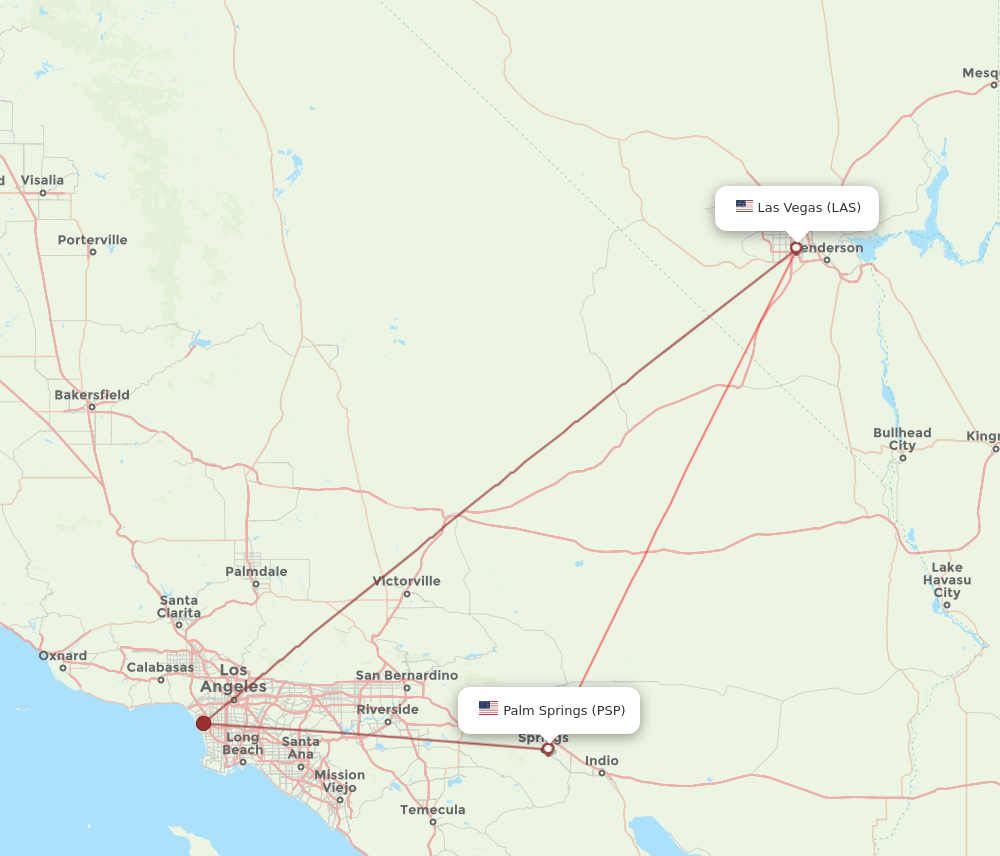
The primary consideration for most travelers is the driving distance and travel time. The most common route takes you through scenic desert highways, a journey that is both manageable and offers glimpses into the vast, arid beauty of the region. While the exact mileage can vary slightly depending on your starting and ending points within each city, the general distance is approximately 270 miles. This translates to an average driving time of around 4 to 4.5 hours, assuming no significant traffic delays or extended stops. This timeframe makes it an ideal candidate for a day trip or a seamless transition between two distinct vacation vibes.
Navigating the Desert Route: Driving to Palm Springs from Las Vegas
The journey from Las Vegas to Palm Springs primarily utilizes a network of well-maintained highways, making it a relatively stress-free drive for those comfortable behind the wheel. The most direct and commonly used route involves heading south from Las Vegas on I-15 S before transitioning onto CA-58 W and then CA-247 S, which eventually merges with CA-62 W, leading you directly into Palm Springs. Alternatively, some travelers may opt for a route that involves heading south on US-95 S and then connecting to I-10 W, which also leads to Palm Springs.
Factors Influencing Travel Time
While the raw mileage and average driving time provide a solid estimate, several factors can influence how long your journey from Las Vegas to Palm Springs will actually take. Understanding these variables can help you better manage your expectations and plan your departure accordingly.
- Traffic Conditions: Both Las Vegas and the routes leading out of it, particularly on major highways like I-15, can experience heavy traffic, especially during peak travel times. Weekends, holidays, and major events in Las Vegas can significantly increase congestion. Similarly, approaching Palm Springs on a Friday afternoon or Sunday evening can lead to slower speeds. It’s advisable to check real-time traffic updates before you depart and consider adjusting your departure time to avoid the worst of the rush.
- Road Construction: As with any extensive highway system, construction projects can impact travel times. While generally well-maintained, sections of the route may be subject to temporary lane closures or detours, which can add unexpected delays. Staying informed through navigation apps or local traffic reports can help mitigate this.
- Weather: The desert climate, while often sunny, can also present challenges. Intense heat during summer months can lead to slower driving speeds, and rare but possible dust storms or flash floods can necessitate caution or even temporary route changes. Always check the weather forecast before you leave.
- Stops and Breaks: The 4-4.5 hour drive is often best enjoyed with strategic stops. Many travelers choose to break up the journey with a stop in a town along the way for fuel, a meal, or a brief stretch. Popular stopping points include towns in the Mojave Desert, offering a chance to experience the stark beauty of the landscape. Some might even make a brief detour to explore a specific attraction, which will, of course, add to the overall travel time.
Alternative Travel Options: Beyond the Car
While driving is the most popular and flexible way to travel between Palm Springs and Las Vegas, it’s not the only option. For travelers who prefer not to drive, or are looking for a more relaxed journey, other modes of transportation are available, each with its own set of advantages.
Bus Travel: A Budget-Friendly Choice
For those seeking an economical way to journey between these two desert gems, bus services offer a viable solution. Companies like FlixBus and sometimes other regional carriers operate routes connecting Las Vegas and Palm Springs. This option allows you to sit back, relax, and avoid the stresses of navigating unfamiliar roads.

- Pros: Typically the most affordable option, no need to worry about parking in either city, environmentally friendlier than individual car travel.
- Cons: Longer travel times compared to driving, less flexibility for spontaneous stops or detours, limited luggage space compared to a personal vehicle.
- Travel Time: Bus journeys can range from 5 to 7 hours, depending on the route, number of stops, and any potential delays. It’s essential to check specific schedules and routes with bus providers for the most accurate information. Booking in advance is often recommended, especially during peak travel seasons.
Flights: The Fastest, Yet Least Direct, Route
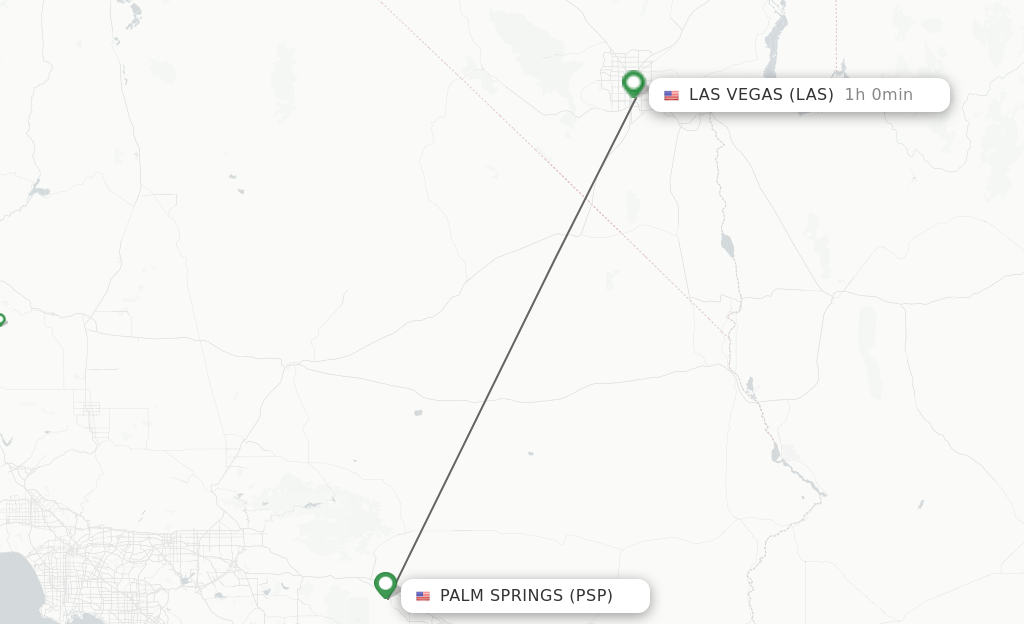
While there are no direct commercial flights between Palm Springs International Airport (PSP) and McCarran International Airport (LAS) (now Harry Reid International Airport), it is technically possible to fly. However, this option is generally the least practical and most time-consuming due to the necessity of layovers.
- Pros: The quickest way to cover the geographical distance if a very efficient connection exists.
- Cons: Requires significant time for getting to airports, check-in, security, waiting for flights, layovers, and then transportation from the arrival airport to your final destination. This often makes the total travel time longer than driving. It’s also considerably more expensive.
- Travel Time: When factoring in all associated airport and flight times, a flight could easily take 6-10 hours or more, making it far less efficient than driving for this particular route.
Experiencing the Journey: Making the Most of Your Desert Drive
The drive from Las Vegas to Palm Springs is more than just a transit; it’s an opportunity to experience the unique landscapes of the Mojave Desert. This vast expanse offers a stark beauty that is captivating in its own right. Whether you’re heading to Palm Springs for its renowned mid-century modern architecture, world-class golf courses, or its vibrant arts scene, the journey can be a prelude to the relaxation and sophistication that awaits.
Desert Landmarks and Attractions Along the Way
While the primary goal is to reach Palm Springs, the route offers opportunities to encounter some fascinating desert sights. These can transform a simple drive into an exploration of American Southwest heritage and nature.
- Mojave National Preserve: Depending on your chosen route, you might find yourself passing near or through sections of the Mojave National Preserve. This protected area showcases diverse desert ecosystems, including Joshua Tree forests, volcanic cinder cones, and vast sand dunes like the Kelso Dunes. Pulling over at designated viewpoints can offer breathtaking panoramas and a chance to truly appreciate the scale and silence of the desert.
- Ghost Towns and Historic Sites: The American West is rich with tales of boom and bust. Along some of the less direct routes, you might encounter remnants of old mining towns or historical markers that tell the story of early settlers and prospectors. These can be fascinating, albeit sometimes brief, detours into the region’s past.
- Unique Roadside Attractions: The stretches of highway between major cities often harbor quirky and memorable roadside attractions. While not always on the most direct path, keeping an eye out for these can add a touch of unexpected fun to your drive. From giant statues to themed diners, these stops are a classic part of the American road trip experience.
Preparing for Your Desert Expedition
Before you embark on your journey, a little preparation can ensure a smoother and more enjoyable experience.
- Vehicle Check: Ensure your vehicle is in good working order, with particular attention to tires, fluids, and air conditioning. The desert heat can be demanding on a car.
- Hydration and Snacks: Pack plenty of water and non-perishable snacks. Services can be sparse between towns, and staying hydrated is crucial in the desert climate.
- Navigation: While GPS is invaluable, it’s wise to have a backup map or downloaded offline maps, as cell service can be unreliable in certain stretches.
- Sun Protection: Bring sunscreen, hats, and sunglasses. The desert sun is intense, even through your car windows.
By considering the driving distance, exploring alternative transport, and preparing for the unique environment of the Mojave Desert, your journey from Las Vegas to Palm Springs can be as enriching as your destinations themselves. This transition between two distinct yet complementary travel experiences promises a memorable adventure.
LifeOutOfTheBox is a participant in the Amazon Services LLC Associates Program, an affiliate advertising program designed to provide a means for sites to earn advertising fees by advertising and linking to Amazon.com. Amazon, the Amazon logo, AmazonSupply, and the AmazonSupply logo are trademarks of Amazon.com, Inc. or its affiliates. As an Amazon Associate we earn affiliate commissions from qualifying purchases.