
Planning a journey between the Gulf Coast’s charm and the heart of Florida’s theme park magic involves understanding the distance and travel dynamics between Pensacola, Florida and Orlando, Florida. This route, often traversed by both leisure travelers and those on business, offers a glimpse into the diverse landscapes and experiences Florida holds. Whether you’re considering a scenic road trip, a quick flight, or a comfortable bus journey, knowing the specifics of this approximately 350-mile (560 km) stretch is crucial for efficient and enjoyable travel planning.
Understanding the Driving Distance and Time
The most common way to travel between Pensacola, Florida and Orlando, Florida is by car. The direct driving distance is roughly 350 miles, a significant but manageable segment of the Florida peninsula. The estimated driving time, without factoring in stops for fuel, food, or rest, typically falls between 5.5 to 6.5 hours. However, this figure is an ideal scenario and can be heavily influenced by various factors.

Factors Affecting Driving Time
- Traffic Congestion: Both Pensacola, Florida and Orlando, Florida are major metropolitan areas, and their surrounding highways can experience substantial traffic, particularly during peak hours, holidays, and weekends. The Interstate 10 (I-10) corridor and the routes leading into Orlando, Florida from the west are prone to slowdowns.
- Construction and Roadwork: Florida is a state with ongoing infrastructure development. Road construction can create delays, detours, and lane closures, significantly extending travel times. It’s advisable to check real-time traffic updates before and during your journey.
- Weather Conditions: Florida’s weather can be unpredictable. Heavy rainfall, thunderstorms, and even hurricanes (during hurricane season) can impact driving conditions, reduce visibility, and necessitate slower speeds.
- Vehicle Type and Speed: The speed at which you travel, combined with the type of vehicle, will naturally affect your arrival time. Adhering to posted speed limits is crucial for safety and to avoid potential fines.
- Rest Stops and Breaks: A 5.5 to 6.5-hour drive is substantial. Planning for at least one or two stops for fuel, meals, and stretching is essential for driver fatigue management and overall safety. These stops, while necessary, add to the total trip duration.
Recommended Route
The primary and most direct route from Pensacola, Florida to Orlando, Florida utilizes Interstate 10 East (I-10 E) for a significant portion of the journey. You will typically take I-10 E towards Jacksonville, Florida. Before reaching Jacksonville, Florida, you will transition to State Road 200 (SR 200) or other connecting highways that will guide you south towards Central Florida. The final leg of the journey will involve navigating onto Florida’s Turnpike or other major arteries that lead directly into Orlando, Florida. Utilizing GPS navigation systems is highly recommended as they can provide real-time traffic updates and suggest alternative routes if major disruptions occur.
Exploring Air Travel Options
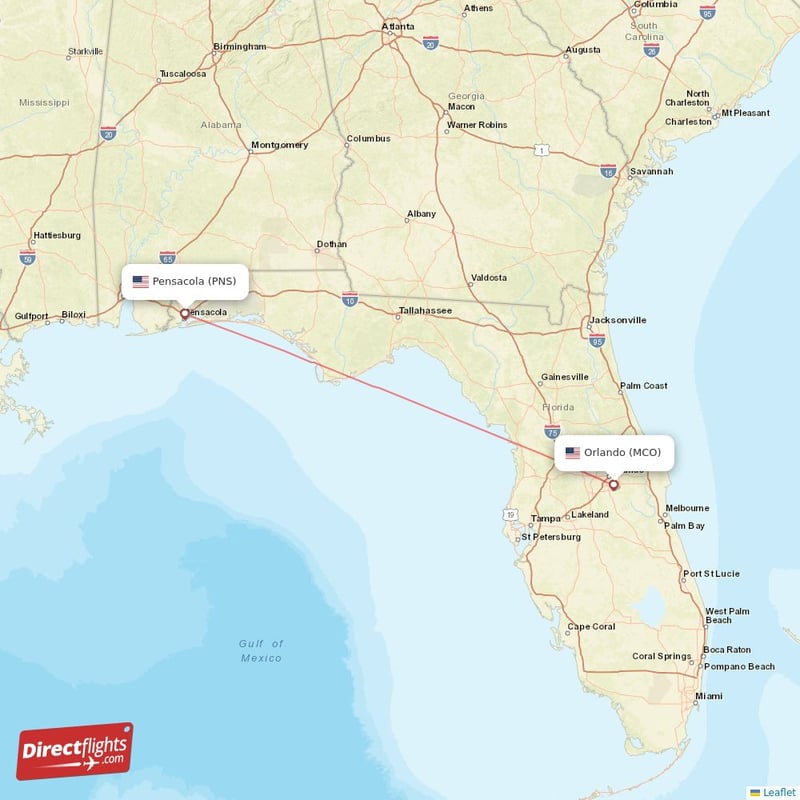
For those seeking a faster transit between the two cities, air travel presents a convenient alternative. While there isn’t a direct flight route from Pensacola International Airport (PNS) to Orlando International Airport (MCO) that is consistently offered by major carriers, connecting flights are available. These flights typically involve a layover in a hub city like Atlanta, Georgia, or Charlotte, North Carolina.
Flight Duration and Logistics
The total travel time for a flight, including check-in, security, boarding, flight time, and deplaning, can often be comparable to driving, especially when considering the time spent getting to and from airports. The actual flight time for a connecting flight might be around 1 to 2 hours of air time, but the layover can add several hours to the overall journey.
Benefits of Flying
- Time Savings (Potentially): Despite layovers, air travel can sometimes be faster than driving, especially if you account for the fatigue of a long road trip.
- Comfort: For some, the comfort and convenience of being in an airplane seat, with service and amenities, is preferable to a lengthy drive.
- Avoiding Traffic: Air travel bypasses the road traffic and potential construction delays that can plague drivers.
Considerations for Flying
- Cost: Airfare can fluctuate significantly based on booking time, airline, and season. It may be more expensive than the fuel and wear-and-tear costs of driving, especially for groups traveling together.
- Airport Hassle: Navigating airports, including check-in procedures, security screening, and potential flight delays or cancellations, can be stressful.
- Transportation at Destination: Upon arrival at Orlando International Airport, you will still need transportation to your final destination within Orlando, Florida. This could involve rental cars, ride-sharing services, or shuttle buses, adding to the overall travel expense and time.
Bus and Train Travel: Budget-Friendly Alternatives
For budget-conscious travelers, bus and train services offer viable, albeit longer, ways to journey between Pensacola, Florida and Orlando, Florida. These options are generally more economical than flying and can allow travelers to relax and enjoy the scenery without the stress of driving.
Bus Services
Companies like Greyhound and Megabus often operate routes connecting these two cities. The journey by bus can take anywhere from 7 to 10 hours, depending on the specific route, number of stops, and any potential delays. Buses typically offer a more affordable fare, making them an attractive option for students, backpackers, and those on a tight budget. Amenities can vary but often include Wi-Fi and onboard restrooms.
Train Services
Amtrak also provides a rail connection, though it is less direct and often takes longer than driving or bus services. The train journey might involve transfers and can extend the travel time significantly, potentially exceeding 10-12 hours. While the train offers a unique travel experience with more legroom and the ability to walk around, its cost can sometimes be comparable to or even exceed driving costs, especially when factoring in the longer duration. The scenery from a train can be a distinct advantage for those who enjoy observing the changing landscapes of Florida.
Preparing for Your Journey: Tips for a Smooth Transition
Regardless of your chosen mode of transport, thorough preparation is key to a seamless transition from the emerald coast to the theme park capital.
For Drivers:
- Vehicle Check: Ensure your vehicle is in good working condition. Check tire pressure, oil levels, and brakes.
- Navigation: Have a reliable GPS or mapping app. Download offline maps in case of signal loss.
- Supplies: Pack snacks, water, a first-aid kit, and entertainment for passengers.
- Rest: Ensure drivers are well-rested before embarking on the trip. Plan for overnight stops if the drive is split over two days.
For Air Travelers:
- Book in Advance: Secure flight tickets and accommodation well ahead of time, especially during peak seasons.
- Arrive Early: Allow ample time for airport procedures.
- Baggage Regulations: Familiarize yourself with airline baggage policies to avoid surprises.
- Ground Transportation: Arrange for your transport from Orlando International Airport to your hotel or destination.

For Bus/Train Passengers:
- Comfort: Pack a neck pillow, blanket, and portable entertainment devices.
- Snacks and Drinks: While some services offer these, it’s wise to bring your own.
- Flexibility: Be prepared for longer travel times and potential minor delays.
Understanding the distance and available travel options between Pensacola, Florida and Orlando, Florida empowers travelers to make informed decisions that align with their budget, time constraints, and personal preferences, ensuring a successful and enjoyable journey across the Sunshine State.
LifeOutOfTheBox is a participant in the Amazon Services LLC Associates Program, an affiliate advertising program designed to provide a means for sites to earn advertising fees by advertising and linking to Amazon.com. Amazon, the Amazon logo, AmazonSupply, and the AmazonSupply logo are trademarks of Amazon.com, Inc. or its affiliates. As an Amazon Associate we earn affiliate commissions from qualifying purchases.