
Traveling across the Sunshine State from the tranquil beaches of Pensacola on the Gulf Coast to the vibrant theme park capital of Orlando in central Florida is a common journey for both residents and visitors. Understanding the distance, typical travel times, and various transportation options is crucial for planning an efficient and enjoyable trip. While Florida might seem compact on a map, its considerable size means that traversing it can take several hours, offering diverse landscapes along the way.
The Straightforward Answer: Distance and Driving Time
The distance between Pensacola and Orlando varies slightly depending on the specific starting and ending points within each city and the exact route taken. However, for most practical purposes, the journey covers a substantial stretch of the state.

By Road: Typical Routes and Mileage
The most direct and commonly used driving route between Pensacola and Orlando typically involves a combination of major interstate highways. Travelers generally begin by heading east on Interstate 10 (I-10) from Pensacola, then connecting with Interstate 75 (I-75) South near Lake City, before transitioning onto various state roads or expressways leading into the heart of Orlando.
- Estimated Distance: Approximately 380 to 400 miles (610 to 645 kilometers). This can fluctuate based on the specific exit taken in Orlando or the precise location of departure in Pensacola.
- Estimated Driving Time: Without significant stops, the drive typically takes between 6 to 7 hours. This calculation assumes average highway speeds and minimal traffic delays. However, it is always wise to factor in additional time for fuel stops, meals, and rest breaks, which can easily extend the total travel time to 8-9 hours or more, creating a full day’s journey.
Factors Affecting Travel Time
Several elements can influence how long your drive from Pensacola to Orlando will ultimately take:
- Traffic Conditions: Major metropolitan areas like Jacksonville, Gainesville, and especially Orlando itself can experience heavy traffic during peak commuting hours or special events. Construction zones along the interstates are also common and can cause delays.
- Time of Day/Week: Traveling during weekdays, particularly mornings and late afternoons, usually means encountering more congestion. Weekends and holidays can also see increased traffic volume, especially on popular routes.
- Weather: Florida’s weather can be unpredictable. Heavy rain, thunderstorms (common in summer afternoons), or even the rare fog can significantly slow down driving speeds and increase travel hazards.
- Stops: The frequency and duration of stops for fuel, food, or rest breaks will directly impact your total travel time. It’s recommended to plan at least one or two substantial stops for a journey of this length.
- Tolls: While the primary interstate route (I-10 to I-75) is largely toll-free, some expressways and turnpikes around Orlando may incur tolls. Utilizing a transponder like SunPass can save time at toll booths.
Navigating the Sunshine State: Route Options and Scenery
While the I-10 to I-75 corridor is the most efficient, travelers have choices that can slightly alter the experience, offering different perspectives of Florida’s diverse landscape.
The I-10 to I-75 Corridor: The Most Direct Path
This route is preferred for its speed and directness. From Pensacola, you’ll follow Interstate 10 eastward, passing through Tallahassee, the state capital. The drive through the Florida panhandle on I-10 offers views of pine forests, agricultural lands, and small towns. Near Lake City, you’ll merge onto Interstate 75 South, which will take you past cities like Gainesville and Ocala, characterized by rolling hills, horse farms, and freshwater springs. Closer to Orlando, the landscape becomes more urbanized, with increasing commercial development.
Alternative Routes: Scenic Drives and Coastal Detours
While taking longer, alternative routes can provide a different flavor of Florida for those not in a hurry.
- The Panhandle Coastal Route (US-98): Instead of immediately hopping on I-10, one could opt for U.S. Highway 98 eastbound from Pensacola. This picturesque route hugs the Gulf Coast, passing through popular beach towns like Destin, Panama City, and Apalachicola. While stunning, this route is significantly slower, often taking 2-3 hours longer to reach the same I-10 connection point near Tallahassee due to lower speed limits, more traffic signals, and numerous small towns. From Tallahassee, you would then proceed south as per the I-10/I-75 route.
- Slightly South of I-10 (US-90): An intermediate option could be using U.S. Highway 90 for parts of the panhandle, often running parallel to I-10. This offers a glimpse into smaller, historic Florida towns but still connects efficiently to the main interstate arteries.
Key Stopovers and Points of Interest Along the Way
Breaking up the drive with stops can enhance the journey.
- Tallahassee: As the state capital, it offers historical sites, museums, and a vibrant downtown, perfect for a lunch break or quick exploration.
- Gainesville: Home to the University of Florida, it has a lively atmosphere, natural springs nearby, and diverse dining options.
- Ocala: Known as the “Horse Capital of the World,” this area is beautiful with its thoroughbred farms and opportunities for equestrian activities. Nearby, the Ocala National Forest offers outdoor adventures.
- Wildwood: Located closer to Orlando at the intersection of I-75 and Florida’s Turnpike, this is a common fuel and rest stop before the final leg of the journey.
Beyond the Wheel: Other Modes of Transportation
For those who prefer not to drive, alternative modes of transport are available, each with its own advantages and disadvantages.
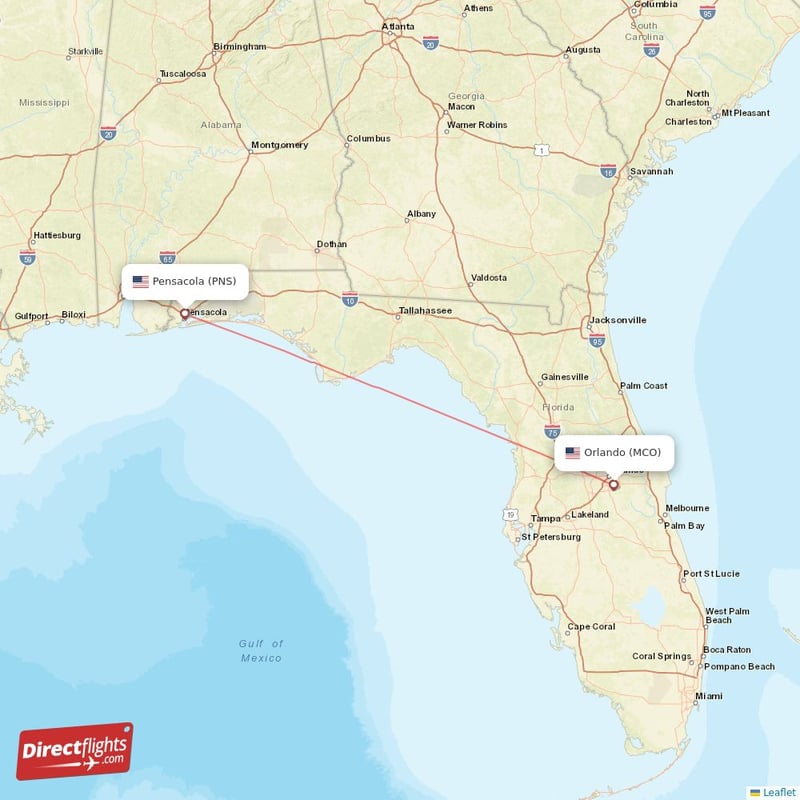
Flying: The Quickest Option
The fastest way to travel from Pensacola to Orlando is by air.
- Airports: You would typically fly from Pensacola International Airport (PNS) to Orlando International Airport (MCO).
- Flight Duration: Direct flights are sometimes available, lasting around 1 hour and 15 minutes to 1 hour and 30 minutes. However, many routes involve a layover, usually in Atlanta or Charlotte, which can extend total travel time to 3-5 hours or more, including layover time.
- Considerations: While actual flight time is short, remember to factor in time for getting to and from airports, security checks, and baggage claim. This can easily add 3-4 hours to the journey, making the total door-to-door time comparable to a fast drive, but without the physical act of driving.
Bus Services: Economical Travel
Bus travel offers a cost-effective alternative for the journey.
- Providers: Companies like Greyhound operate routes connecting Pensacola and Orlando.
- Travel Time: Bus journeys are significantly longer than driving or flying, often ranging from 9 to 12 hours or more, depending on the number of stops, transfers, and specific route.
- Comfort and Convenience: While economical, bus travel offers less flexibility and personal space than driving. It is a good option for budget-conscious travelers who prioritize cost over speed and directness.
Train Travel: A Scenic Alternative
Currently, direct train service between Pensacola and Orlando is not a practical option. Amtrak has limited service in Florida, and while there are talks of expanding service, a direct route connecting these two cities is not readily available for a straightforward journey. Travelers would likely face multiple transfers and a significantly extended travel time, making it less viable than driving, flying, or bussing.
Planning Your Journey: Essential Tips for a Smooth Trip
Regardless of your chosen mode of transport, a well-planned trip is a smooth trip.
Best Time to Travel
- Seasonal Considerations: Florida’s peak tourist seasons (winter, spring break, summer holidays) can mean more traffic and higher prices for accommodation and flights. Traveling during the shoulder seasons (late spring, early fall) often offers better weather, fewer crowds, and potentially lower costs.
- Traffic Patterns: For drivers, avoiding peak weekday commuting hours (7-9 AM and 4-6 PM) around Pensacola, Tallahassee, Gainesville, and especially Orlando can significantly reduce travel time. Early morning departures are often the most efficient.
Vehicle Preparation and Road Safety
- Maintenance Check: Before embarking on a long drive, ensure your vehicle is in good condition. Check tires (including spare), oil, fluids, brakes, and lights.
- Emergency Kit: Pack an emergency kit with essentials like jumper cables, a first-aid kit, water, snacks, and a flashlight.
- Navigation: Use a reliable GPS or mapping app. Keep a physical map as a backup, especially if traveling through areas with spotty cell service.
Packing Essentials for a Florida Road Trip
- Snacks and Drinks: Keep a cooler with beverages and easy-to-eat snacks to minimize stops and save money.
- Entertainment: Audiobooks, podcasts, and playlists can make the long hours fly by. For passengers, consider books, tablets, or portable games.
- Comfort Items: A neck pillow, blanket, and comfortable clothing can make a big difference for passengers.
- Sun Protection: Even in the car, Florida’s sun can be intense. Sunglasses are a must.
Fueling Up: Managing Gas Stops
Plan your fuel stops in advance. While gas stations are plentiful along I-10 and I-75, knowing where the next major stop is can reduce anxiety. Using gas price apps can also help you find the most economical options.
Why Make the Journey? Attractions at Your Destination
Both Pensacola and Orlando offer distinct and compelling reasons for a visit, making the journey across Florida a gateway to unique experiences.
Orlando’s World-Class Theme Parks and Entertainment
Orlando is globally renowned as the “Theme Park Capital of the World.” Visitors flock here to immerse themselves in the magic of Walt Disney World Resort, which includes Magic Kingdom, Epcot, Hollywood Studios, and Animal Kingdom. Equally captivating is Universal Orlando Resort, home to Universal Studios Florida and Islands of Adventure, featuring the Wizarding World of Harry Potter. Other major attractions include SeaWorld Orlando and the Kennedy Space Center Visitor Complex, offering a blend of thrills, education, and entertainment that appeals to all ages.
Pensacola’s Gulf Coast Charm and History
On the western edge of Florida, Pensacola offers a stark contrast with its relaxed Gulf Coast ambiance and rich history. Known for its pristine white-sand beaches, particularly Pensacola Beach and the tranquil Gulf Islands National Seashore, it’s a paradise for sunbathers, swimmers, and water sports enthusiasts. The city also boasts a deep historical footprint, dating back to 1559, making it one of America’s oldest settlements. Attractions like the National Naval Aviation Museum, Historic Pensacola Village, and numerous forts provide fascinating insights into military and colonial history. Pensacola combines natural beauty with cultural depth, offering a serene escape.
In conclusion, the journey from Pensacola to Orlando is a significant cross-state endeavor, typically taking 6-7 hours by car over 380-400 miles via the interstates. While flying offers speed, driving provides flexibility and the opportunity to explore parts of Florida in between. Planning for stops, traffic, and vehicle readiness will ensure a smooth and enjoyable transition from the Gulf Coast’s historical charm to Central Florida’s modern-day wonders.
LifeOutOfTheBox is a participant in the Amazon Services LLC Associates Program, an affiliate advertising program designed to provide a means for sites to earn advertising fees by advertising and linking to Amazon.com. Amazon, the Amazon logo, AmazonSupply, and the AmazonSupply logo are trademarks of Amazon.com, Inc. or its affiliates. As an Amazon Associate we earn affiliate commissions from qualifying purchases.