
The vast and diverse state of Florida offers a captivating array of experiences, from the vibrant, cosmopolitan energy of its southern shores to the laid-back charm of its panhandle. Two cities that epitomize this duality are Miami and Pensacola. While both are undeniably Floridian, they sit at opposite ends of the Sunshine State, each boasting its own unique allure, attractions, and cultural tapestry. Understanding the distance between them is not just about mileage; it’s about appreciating the diverse landscapes and lifestyles that Florida encompasses. Whether you’re planning a road trip, a flight, or simply curious about the geographical expanse of this popular tourist destination, this guide will delve into the specifics of how far Pensacola is from Miami, and what that journey might entail.
The Direct Distance: Understanding the Miles and Kilometers
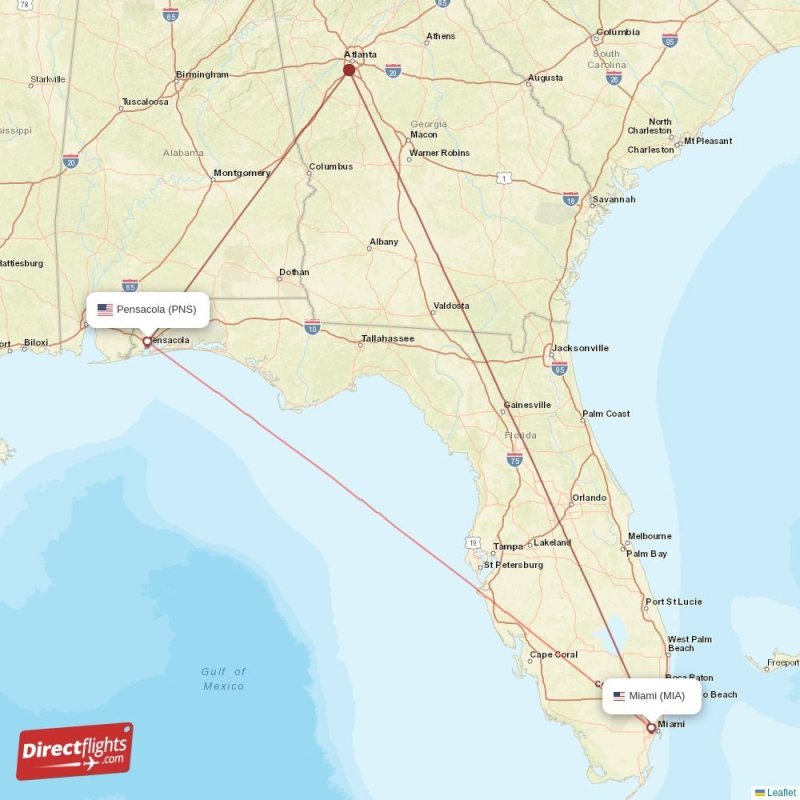
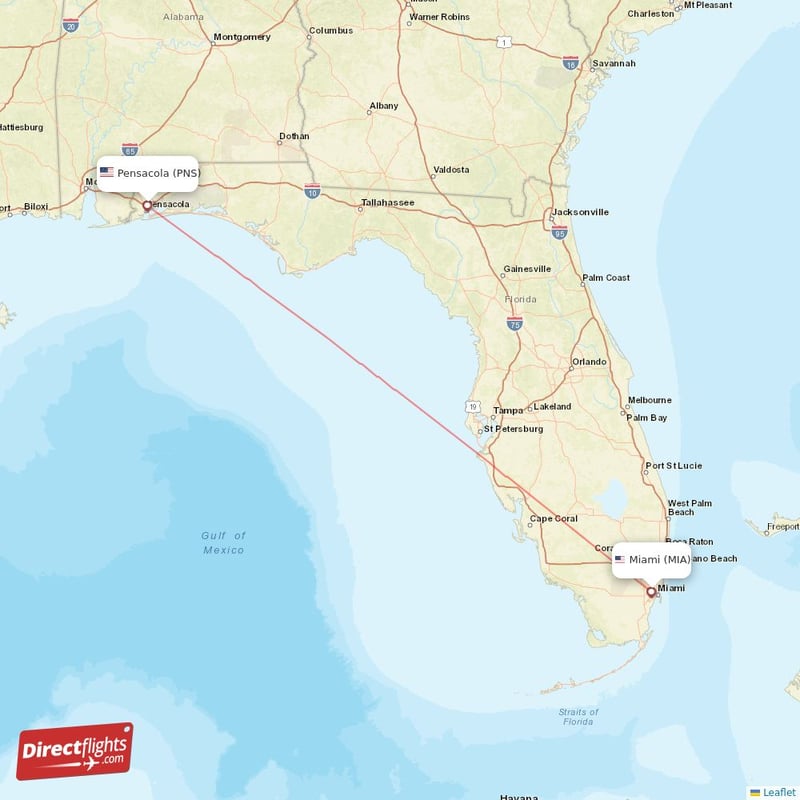
When asking “How far is Pensacola from Miami?”, the most straightforward answer relates to the geographical distance. These two cities are separated by a significant stretch of land, highlighting the considerable size of Florida.
Driving Distance and Estimated Travel Time
The most common way for travelers to bridge the gap between Pensacola and Miami is by car. This road trip offers an intimate glimpse into the heart of Florida, showcasing its changing landscapes from the pine forests of the panhandle to the more tropical climes as you approach South Florida. The typical driving distance between Pensacola and Miami is approximately 600 to 650 miles (around 965 to 1045 kilometers), depending on the specific routes taken.
This considerable distance translates into a substantial amount of driving time. Without accounting for any stops, the estimated driving time is generally between 9 and 11 hours. However, this is a purely theoretical figure. In reality, a road trip of this length necessitates breaks for fuel, food, rest, and perhaps even overnight stays to avoid fatigue and to enjoy the journey. Therefore, it’s far more practical to plan for at least a 10- to 12-hour driving day, or more commonly, to break the journey into two days, allowing for a more relaxed and enjoyable experience.
The primary routes connecting these two cities typically involve major interstate highways. The most common path often utilizes Interstate 10 (I-10) eastbound from Pensacola, which then connects to various routes heading south towards Miami. Depending on traffic and specific destination within Miami, travelers might then transition to routes like the Florida’s Turnpike or Interstate 95 (I-95). Navigating these highways is generally straightforward, with ample signage and services available along the way.
Flights: A Quicker, Though Not Always Direct, Alternative
For those seeking to minimize travel time, flying is a viable option. Pensacola is served by Pensacola International Airport (PNS), and Miami is served by several major airports, including Miami International Airport (MIA), Fort Lauderdale–Hollywood International Airport (FLL), and Palm Beach International Airport (PBI), though MIA and FLL are the most relevant for travel between these two specific cities.
Direct flights between Pensacola and Miami are not always readily available or may be infrequent. Often, travelers will find themselves with a connecting flight, typically through a hub city like Atlanta, Charlotte, or Dallas. The flight time itself, once airborne, is usually around 2 to 2.5 hours. However, when factoring in the time spent traveling to the airport, checking in, going through security, waiting for boarding, the flight itself, deplaning, and collecting luggage, the total travel time can easily equal or even exceed the driving time, especially if a connection is involved.
The cost of flights can vary significantly based on the airline, time of booking, season, and day of the week. Similarly, the cost of gasoline and potential overnight accommodations for a road trip needs to be weighed against airfare, especially when considering the number of passengers.
Experiencing the Journey: What Lies Between Pensacola and Miami?
The significant distance between Pensacola and Miami means the journey itself offers a chance to traverse a substantial portion of Florida and encounter its diverse geography, culture, and attractions. This is not a trip to be rushed if one wishes to truly appreciate what the state has to offer.
Exploring the Panhandle and North Florida
Starting in Pensacola, you are immersed in the charm of the Florida Panhandle. Known for its pristine white-sand beaches along the Gulf of Mexico, its rich history, and a more Southern, relaxed pace of life, Pensacola offers a distinct contrast to the bustling metropolis of Miami. The initial leg of the journey heading east will take you through the piney woods and rolling hills characteristic of North Florida.
As you travel along I-10, you’ll pass through or near several notable towns and cities. Tallahassee, the state capital, is a significant hub in this region, offering historical sites like the Florida Historic Capitol Museum and natural beauty in places like Alfred B. Maclay Gardens State Park. Further east, you might encounter areas known for agriculture or state parks offering opportunities for hiking and nature exploration.
The Central Florida Stretch: Lakes, Attractions, and Theme Parks
The journey south from I-10 will eventually lead you through the heart of Florida. This central region is characterized by its numerous lakes, citrus groves, and, of course, its world-famous theme parks. While not directly on the most direct route between Pensacola and Miami, a slight detour can easily bring you into proximity with attractions in the Orlando area.
If you have the time, exploring cities like Orlando could be a highlight. Home to Walt Disney World Resort, Universal Orlando Resort, and numerous other entertainment venues, Orlando is a global tourism magnet. Even if theme parks aren’t your primary interest, Central Florida offers natural springs, like those in Ocala National Forest, for swimming and exploring. Cities like Tampa and St. Petersburg, located on the west coast, are also accessible with a moderate detour and offer their own unique attractions, including beaches and cultural institutions like the Salvador Dalí Museum.
Approaching South Florida: A Shift in Scenery and Pace
As you draw closer to Miami, the landscape and the overall atmosphere begin to shift. The vegetation becomes more subtropical, and the urban sprawl intensifies. The traffic volume increases, signaling your approach to one of the most populous and dynamic metropolitan areas in the United States.
The final leg of the drive into Miami can be particularly busy, especially during peak hours. Understanding the traffic patterns and choosing your arrival time wisely can make a significant difference in your experience. Miami itself is a city of vibrant neighborhoods, each with its own character, from the Art Deco splendor of South Beach to the cultural richness of Little Havana, and the upscale elegance of Brickell.
Planning Your Trip: Accommodation and Travel Tips
The decision of how to travel between Pensacola and Miami, and how long you intend to take, will significantly influence your accommodation needs and overall travel experience. Whether you’re looking for a luxurious resort for a relaxing beach vacation in Pensacola, a comfortable hotel in a mid-state city for an overnight stop, or a chic apartment in Miami for a city break, Florida offers a vast range of options.
Choosing Your Overnight Stops
If you opt for a road trip, strategically planning your overnight stops is crucial. Breaking the journey into two days is highly recommended for safety and enjoyment. Popular mid-way points or logical stopping locations could include cities around the Gainesville area, or further south, places closer to the Tampa Bay region or even the outskirts of the Orlando metropolitan area.
When selecting an accommodation for your stopover, consider your priorities. Are you looking for a budget-friendly motel to simply rest your head, or do you prefer a more comfortable hotel with amenities like a pool or breakfast included? Booking in advance, especially during peak travel seasons, is advisable. Websites offering hotel comparisons and reviews can be invaluable tools for finding the right place to stay.
Navigating Miami and Pensacola
Once you arrive at your destination, whether it’s Pensacola or Miami, you’ll need to consider local transportation. Miami is a sprawling city with a public transportation system that includes buses and a metro rail, but many visitors find that renting a car or using ride-sharing services offers the most flexibility, especially for exploring different neighborhoods and attractions.
In Pensacola, a car is generally recommended for exploring the city and the surrounding beaches like Pensacola Beach. The downtown area is walkable, but accessing other points of interest often requires a vehicle.
Embracing the Lifestyle
The journey from Pensacola to Miami is more than just a physical distance; it’s a transition between two distinct lifestyles. Pensacola embodies a more relaxed, beach-centric lifestyle, perfect for those seeking sun, sand, and a slower pace. Miami, on the other hand, is synonymous with a high-energy, cosmopolitan lifestyle, characterized by its vibrant nightlife, diverse culinary scene, and international flair.
When planning your trip, consider which lifestyle you wish to immerse yourself in, or if you intend to experience both. This will help you tailor your activities, dining choices, and even your accommodation preferences. From luxury resorts in Miami Beach to charming beach houses in Pensacola, Florida caters to every travel style and budget.
In conclusion, the question of “How far is Pensacola from Miami?” opens the door to a journey that traverses the breadth of Florida. It’s a distance that invites exploration, offering a chance to witness the state’s remarkable geographical and cultural diversity firsthand. Whether you choose the open road or the skies, the adventure between these two iconic Florida cities is as much about the experience as it is about the destination.
LifeOutOfTheBox is a participant in the Amazon Services LLC Associates Program, an affiliate advertising program designed to provide a means for sites to earn advertising fees by advertising and linking to Amazon.com. Amazon, the Amazon logo, AmazonSupply, and the AmazonSupply logo are trademarks of Amazon.com, Inc. or its affiliates. As an Amazon Associate we earn affiliate commissions from qualifying purchases.