
Nestled within the vast expanse of the Sonoran Desert, Phoenix, Arizona, stands as the vibrant capital and largest city in the state, a bustling metropolis synonymous with sunshine, striking landscapes, and a dynamic urban core. Just to its east, a mere stone’s throw away, lies Mesa, a city that has gracefully evolved from its agricultural roots into a significant urban center in its own right, renowned for its arts, outdoor recreation, and family-friendly atmosphere. Both cities are integral components of the expansive Valley of the Sun metropolitan area, making travel between them a common necessity for residents and a seamless option for visitors keen on exploring the diverse offerings of this sun-drenched region.
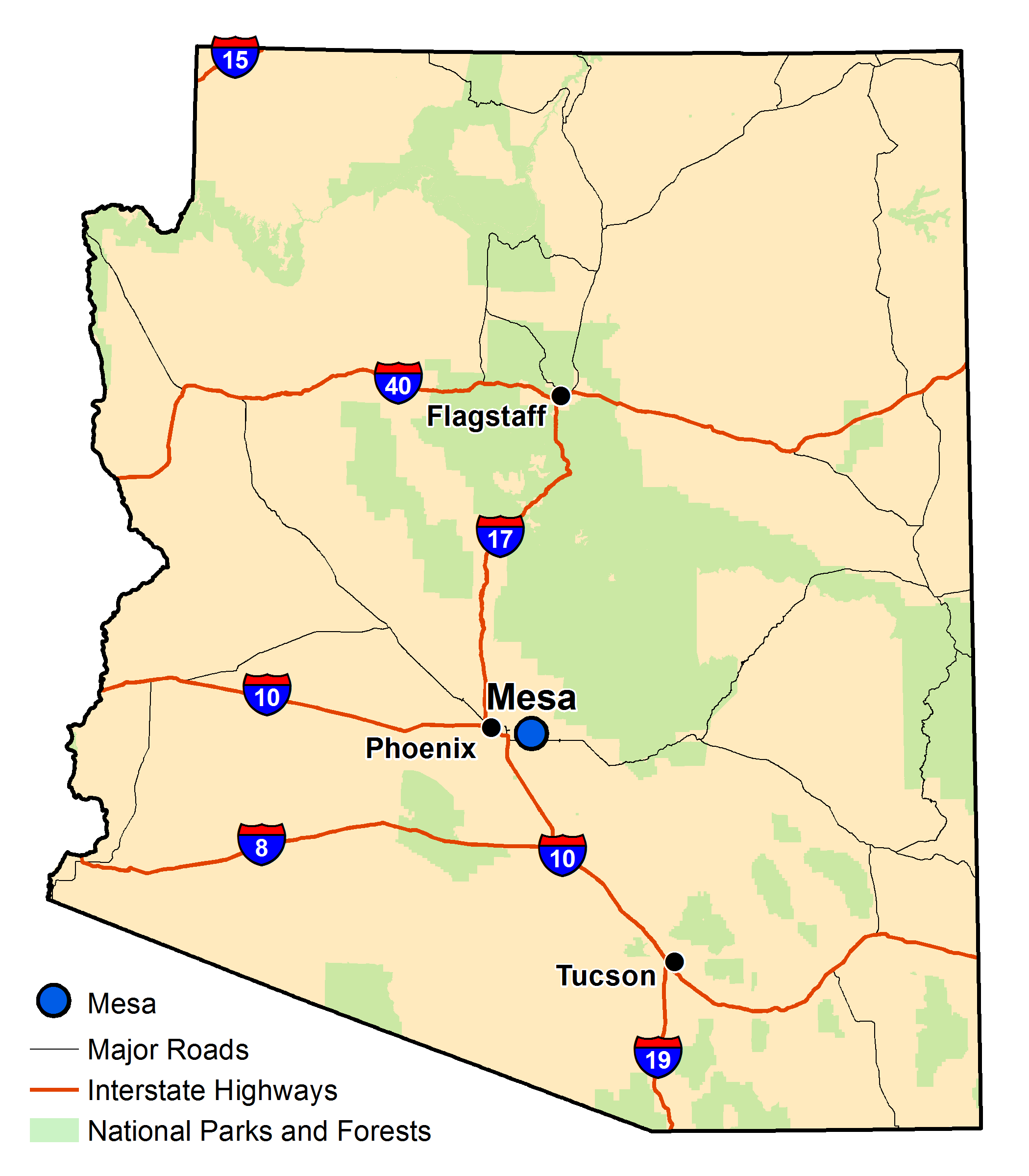
For travelers planning a trip to Arizona, understanding the proximity and ease of transit between these two major cities is crucial for crafting an efficient and enjoyable itinerary. Whether you’re flying into Phoenix Sky Harbor International Airport and heading straight to a resort in Mesa, commuting for business, or simply looking to experience the unique flavors of both urban centers, the journey is surprisingly short and straightforward. This guide delves into the practicalities of traveling from Phoenix to Mesa, highlighting the minimal distance, various transportation options, and the distinct attractions that make each city a compelling destination for every type of traveler. From luxury seekers to budget-conscious adventurers, the interconnectedness of Phoenix and Mesa ensures that the best of Arizona’s urban and natural wonders are always within easy reach.
The Proximity and Practicalities: Understanding the Distance
The question of “how far” is often the first consideration for any travel plan, and when it comes to Phoenix and Mesa, the answer is reassuringly close. These two cities share a border, making the journey between their downtown areas or various neighborhoods more of an inter-city commute within a larger metropolitan fabric than a long-distance expedition. This close proximity opens up a wealth of possibilities for travelers, allowing them to base themselves in one city while easily exploring the attractions, dining, and cultural experiences of the other.
Getting from Phoenix to Mesa: Distance and Travel Time
The actual distance between Phoenix and Mesa can vary slightly depending on your exact starting and ending points within each city. Generally, the drive from Downtown Phoenix to Downtown Mesa is approximately 15 to 20 miles (24 to 32 kilometers). This short distance translates into a relatively quick travel time, making day trips and seamless transitions between the cities highly feasible.
Under normal traffic conditions, driving between the two downtown areas typically takes about 20 to 30 minutes. However, like any major metropolitan area, traffic can be a significant factor, especially during peak rush hours (morning and late afternoon on weekdays). During these times, the travel duration could extend to 45 minutes or even an hour, particularly if you’re navigating through heavily congested arterial roads or freeways like US-60 or portions of Loop 202 (the Red Mountain Freeway or Santan Freeway). It’s always advisable to check real-time traffic updates before embarking on your journey, particularly if you have a scheduled flight or appointment.
For those opting for public transportation, the journey will naturally take longer, but it offers a cost-effective and often stress-free alternative. The Valley Metro Rail connects Downtown Phoenix through Tempe to Mesa’s downtown core. A full light rail journey from central Phoenix to central Mesa can take approximately 45 to 60 minutes, excluding any transfers to bus services if your destination is off the main rail line.
Navigating the Journey: Transportation Options
Travelers have several convenient options for getting between Phoenix and Mesa, each catering to different preferences and budgets.
-
Driving:
Driving remains the most popular and flexible choice for navigating the Valley of the Sun. Major freeways like US-60 (the Superstition Freeway) and Loop 202 directly connect Phoenix and Mesa, offering relatively straightforward routes. Renting a car upon arrival at Phoenix Sky Harbor International Airport is highly recommended for visitors who plan to explore beyond the immediate downtown areas or venture into the natural beauty of Arizona’s surrounding landscapes. Many hotels in both cities offer complimentary parking, adding to the convenience. -
Public Transportation:
The Valley Metro Rail provides an excellent option for direct, economical travel between key areas. The light rail line extends from west Phoenix, through Downtown Phoenix, Tempe, and into Mesa, terminating near the Mesa Arts Center. This is particularly useful for visitors staying near light rail stations or wanting to experience the downtown scenes without the hassle of parking. Additionally, an extensive Valley Metro bus system complements the light rail, offering broader coverage within and between the cities. This option is ideal for budget travelers, those looking to reduce their carbon footprint, or anyone wanting to avoid driving in unfamiliar urban environments. -
Rideshares and Taxis:
Services like Uber and Lyft are readily available throughout the Phoenix metropolitan area, providing a convenient door-to-door transportation solution. While generally more expensive than public transport or self-driving, rideshares offer flexibility and comfort, especially for travelers with luggage or those preferring not to navigate public transit. Taxi services are also an option, though often pricier than rideshares.
Exploring the Destinations: What Phoenix and Mesa Offer
While geographically close, Phoenix and Mesa each boast distinct personalities and a unique array of attractions, appealing to diverse travel interests. Understanding these differences can help you decide where to focus your exploration or how to combine visits to both for a comprehensive Arizona experience.
Phoenix: A Bustling Hub of Culture and Entertainment
Phoenix, the fifth-largest city in the United States, is a dynamic urban landscape where desert beauty meets metropolitan sophistication. Its offerings cater to a wide range of lifestyles, from luxury travel to adventure tourism.
-
Landmarks and Attractions: Phoenix is rich in cultural institutions and natural wonders. The Desert Botanical Garden showcases the stunning flora of the Sonoran Desert, while the Heard Museum offers an insightful look into Native American art and culture. Families flock to the Phoenix Zoo, a renowned conservation hub. For outdoor enthusiasts, hiking Camelback Mountain or Piestewa Peak offers breathtaking panoramic views of the city. Architectural enthusiasts will appreciate the iconic Frank Lloyd Wright’s Taliesin West, a UNESCO World Heritage Site.
-
Lifestyle and Activities: The lifestyle in Phoenix is vibrant and diverse. The city boasts a thriving culinary scene, from upscale fine dining to trendy gastropubs in areas like Old Town Scottsdale (a short drive away) and Downtown Phoenix. The nightlife is equally robust, with live music venues, dance clubs, and rooftop bars. Art walks, theater performances at the Orpheum Theatre, and numerous galleries contribute to a rich arts scene. Sports fans can catch professional games, cheering on the Phoenix Suns (NBA), Arizona Diamondbacks (MLB), or the Arizona Cardinals (NFL).

- Accommodation: Phoenix offers a spectrum of accommodation options. Luxury resorts like the historic Arizona Biltmore, A Waldorf Astoria Resort, The Phoenician, a Luxury Collection Resort, Scottsdale, and JW Marriott Scottsdale Camelback Inn Resort & Spa provide unparalleled amenities, golf courses, and spa services, catering to those seeking an indulgent escape. Boutique hotels in fashionable districts, business-friendly hotels in Downtown Phoenix, and numerous budget-friendly chains ensure there’s something for every traveler’s preference and budget.
Mesa: East Valley’s Gem of Arts, Recreation, and Heritage
Mesa, Arizona’s third-largest city, offers a more laid-back yet equally engaging experience. It’s a city that prides itself on its accessibility to outdoor adventures, a vibrant arts scene, and a deep appreciation for its heritage.
-
Landmarks and Attractions: The cultural heart of Mesa is undoubtedly the Mesa Arts Center, a stunning complex housing theaters, galleries, and art studios. History buffs will enjoy the Arizona Museum of Natural History, home to dinosaur skeletons and exhibits on Southwest cultures. Outdoor enthusiasts are drawn to Usery Mountain Regional Park, offering miles of hiking and biking trails, and the nearby recreation opportunities at Saguaro Lake and the Salt River for kayaking, paddleboarding, and tubing. Schnepf Farms and Queen Creek Olive Mill provide unique agri-tourism experiences nearby.
-
Lifestyle and Activities: Mesa’s lifestyle is often characterized by its family-friendly atmosphere and abundant outdoor activities. The city’s proximity to the Tonto National Forest means endless opportunities for hiking, fishing, and boating. Its downtown area has undergone revitalization, now featuring a growing number of local eateries, breweries, and shops, particularly along Main Street. Mesa also hosts numerous community events, festivals, and farmers’ markets throughout the year, fostering a strong sense of local culture and engagement. It’s an ideal destination for those seeking adventure mixed with a welcoming community vibe.
-
Accommodation: Accommodation in Mesa typically includes a mix of well-known hotel chains, apartment-style suites suitable for longer stays, and family-oriented resorts such as the Arizona Grand Resort & Spa (though technically in Phoenix, it is very accessible to Mesa’s western areas). Many options cater to budget-conscious travelers or those looking for extended-stay facilities, providing kitchens and more spacious layouts. For sports enthusiasts, hotels near the Sloan Park (spring training home of the Chicago Cubs) and Hohokam Stadium (home of the Oakland Athletics spring training) are popular choices during baseball season.
Planning Your Journey and Stay: Tips for Seamless Travel
Making the most of your visit to the Valley of the Sun requires thoughtful planning, especially concerning where you’ll stay and how you’ll move between its exciting cities. Given the close proximity of Phoenix and Mesa, you have the flexibility to design an itinerary that perfectly matches your interests, whether they lean towards urban exploration, outdoor adventure, or a blend of both.
Choosing Your Base: Hotels and Accommodation
Deciding whether to primarily stay in Phoenix or Mesa often comes down to the focus of your trip and your preferred travel lifestyle.
-
For Urbanites and Luxury Seekers: If your itinerary revolves around upscale dining, vibrant nightlife, art galleries, and major sporting events, or if you simply desire a luxurious resort experience with world-class golf and spa amenities, basing yourself in Phoenix or neighboring Scottsdale is likely the better choice. Areas like Biltmore Fashion Park in Phoenix or Old Town Scottsdale offer a high concentration of premium hotels, fine restaurants, and shopping.
-
For Families, Outdoor Enthusiasts, and Budget Travelers: Mesa presents an excellent base for families, those seeking easy access to outdoor recreation (like the Superstition Mountains or the Salt River), or travelers looking for more budget-friendly accommodation options without sacrificing comfort. Many hotels in Mesa cater to extended stays, offering amenities like kitchenettes that can be very beneficial for families or longer trips. The revitalized Downtown Mesa also provides charming local hotels and a growing number of independent eateries.
Regardless of your primary base, remember that the short distance between the cities makes it entirely feasible to plan day trips or evening excursions to the other. You might enjoy the tranquility of a Mesa resort by day and drive into Phoenix for a sophisticated dinner and show. Conversely, a Phoenix city stay could easily include a morning hike near Mesa or an afternoon at Saguaro Lake.

Maximizing Your Experience: Travel Tips and Local Insights
To ensure a seamless and enriching journey between Phoenix and Mesa and throughout the Valley of the Sun, consider these travel tips:
-
Best Time to Visit: The cooler months from October to April offer the most pleasant weather for outdoor activities, with mild temperatures and abundant sunshine. Summer (June to September) brings intense heat, which is best for enjoying indoor attractions, water parks, or early morning/late evening outdoor excursions. Winter visitors can also experience Spring Training Baseball in both cities, a beloved Arizona tradition.
-
Renting a Car is Recommended: While public transportation is available, having a rental car offers unparalleled flexibility, especially if you plan to explore destinations beyond the urban centers, such as nearby national parks, lakes, or charming smaller towns like Gilbert or Chandler. Book your car in advance, especially during peak season, for better rates and availability.
-
Combine Itineraries: Don’t limit yourself to just one city! Plan a flexible itinerary that allows you to experience the best of both worlds. For example, dedicate a day to exploring Downtown Phoenix’s museums and culinary scene, and another to Mesa’s art district and a desert hike. Consider the Phoenix CityPass for discounted entry to multiple attractions across the region.
-
Embrace the Local Food Scene: Both cities offer diverse culinary delights. In Phoenix, explore everything from modern Southwestern cuisine to trendy vegan eateries. Mesa offers a growing number of farm-to-table restaurants and diverse ethnic cuisines, particularly in its expanding downtown area. Don’t forget to try a classic Sonoran hot dog!
-
Stay Hydrated and Sun Protected: The Arizona sun is intense year-round. Always carry water, wear sunscreen, a hat, and sunglasses, even on seemingly mild days.
In conclusion, the journey from Phoenix to Mesa is not a question of significant distance, but rather a short and enjoyable hop within a vibrant metropolitan area. With various convenient transportation options and a wealth of attractions in each city, travelers can easily tailor an experience that captures the unique blend of urban sophistication, cultural richness, and breathtaking natural beauty that defines Arizona’s Valley of the Sun. Explore both, and you’re sure to discover a memorable Southwest adventure.
LifeOutOfTheBox is a participant in the Amazon Services LLC Associates Program, an affiliate advertising program designed to provide a means for sites to earn advertising fees by advertising and linking to Amazon.com. Amazon, the Amazon logo, AmazonSupply, and the AmazonSupply logo are trademarks of Amazon.com, Inc. or its affiliates. As an Amazon Associate we earn affiliate commissions from qualifying purchases.