
The question of “How far is Phoenix, AZ from Los Angeles?” is a common one for travelers planning a road trip or considering the logistics of visiting these two iconic Southwestern cities. While a relatively short distance separates them, the journey itself offers a glimpse into the diverse landscapes and cultures of the American West. Understanding this distance is crucial for planning your itinerary, whether you’re seeking adventure, relaxation, or a bit of both.
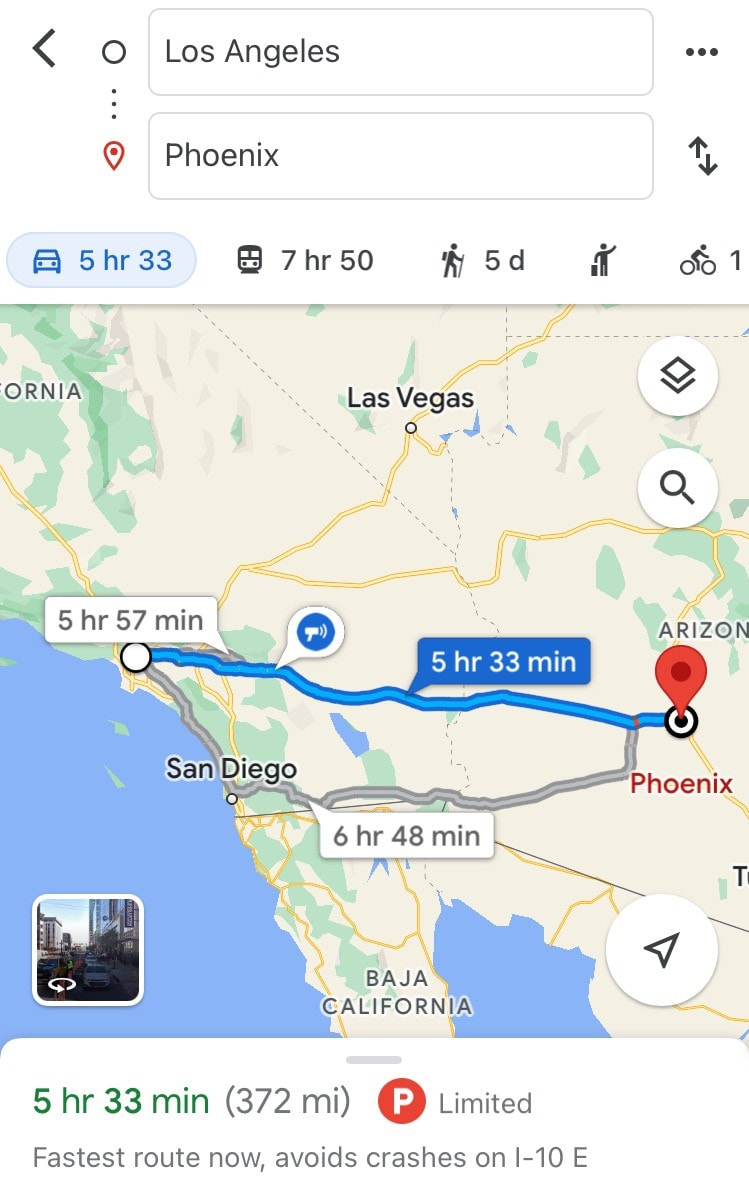
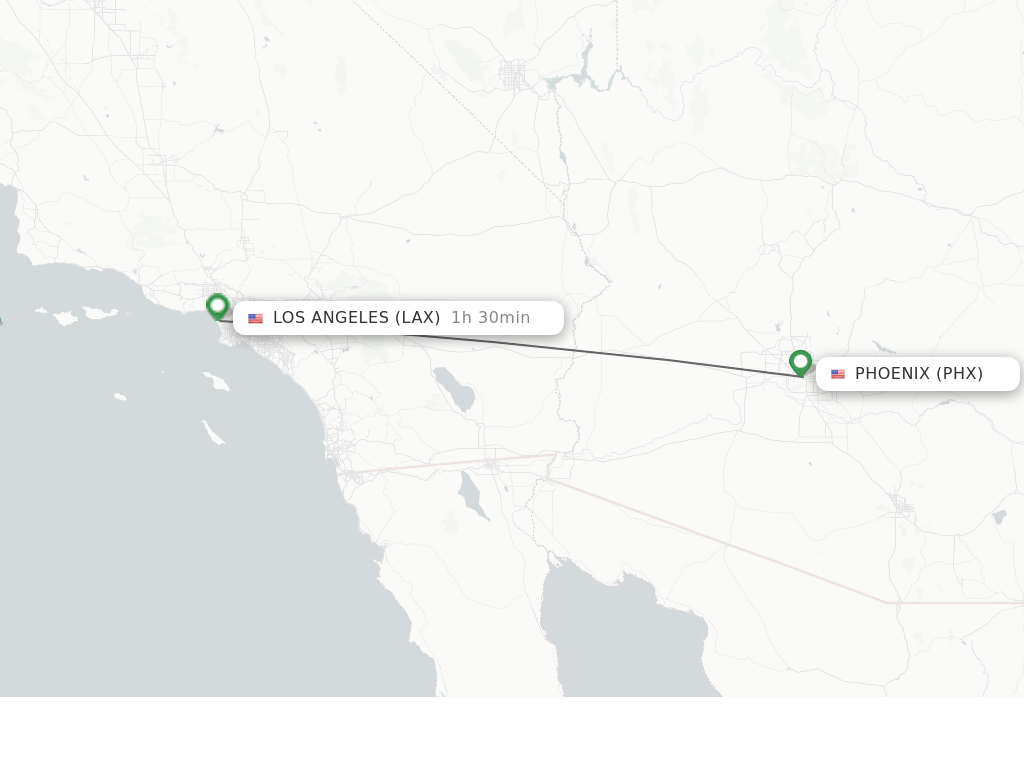
The most direct route between Phoenix, AZ and Los Angeles spans approximately 370 to 400 miles, depending on your exact starting point in Phoenix and your chosen destination within the sprawling Los Angeles metropolitan area. This translates to a drive time of roughly 5.5 to 7 hours, not accounting for any stops for gas, food, or to stretch your legs. This makes it a manageable drive for a single day, especially if you depart early.
Planning Your Drive: Routes and Considerations
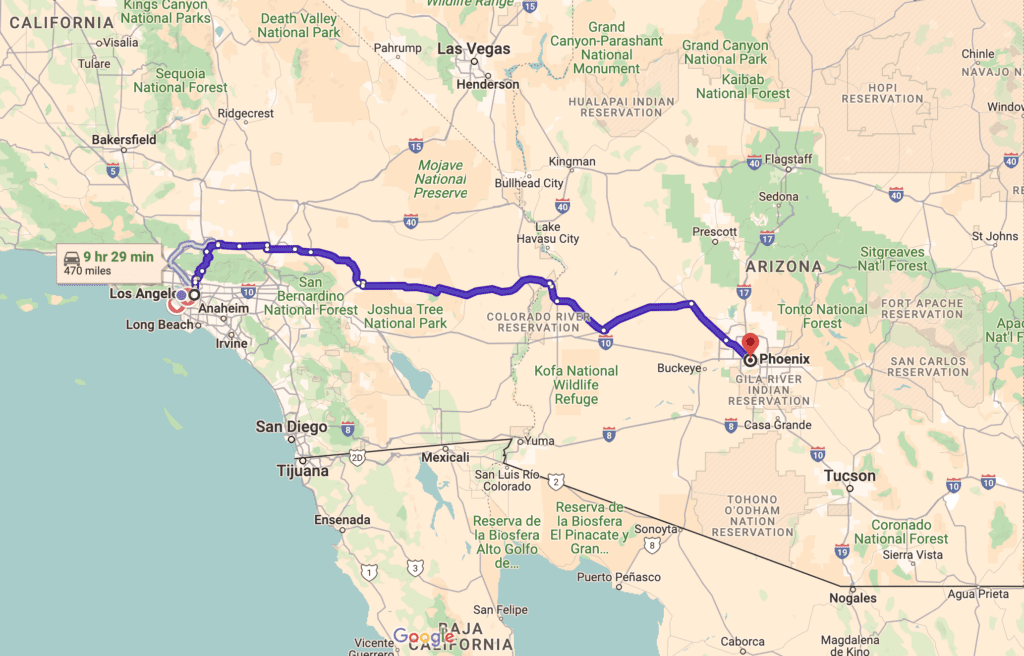
When embarking on the drive from Phoenix to Los Angeles, you have a few primary route options, each offering a slightly different experience and encountering varying landscapes. The most common and generally the quickest route involves taking Interstate 10 (I-10) West.
The I-10 West Route: The Most Direct Path
The Interstate 10 West route is the most straightforward and popular choice for this journey. It’s a well-maintained highway that directly connects the two major metropolitan areas. Departing from Phoenix, you’ll head west, and I-10 will be your primary companion for the majority of the trip.
As you leave the Phoenix valley, you’ll initially pass through arid desert landscapes dotted with saguaro cacti and rugged mountain ranges. The scenery is quintessentially Arizona, vast and majestic. You’ll traverse through towns like Buckeye and Tonopah, which offer glimpses into the more rural side of Arizona.
The landscape gradually begins to change as you approach the California border. The desert remains a dominant feature, but you might notice subtle shifts in vegetation and topography. The journey will take you through the stark beauty of the Colorado Desert, a sub-region of the larger Sonoran Desert. This section of the drive can be particularly hot, especially during the summer months, so ensuring your vehicle is in good condition and carrying plenty of water is paramount.
As you get closer to Los Angeles, you’ll start to see signs of increasing civilization. The drive will take you through the Coachella Valley, famous for its music festivals and resort towns like Palm Springs. While you might not have time to stop and explore on a direct drive, the presence of these vibrant communities signals your approach to a major urban center.
The final leg of the journey involves navigating the freeways of Southern California. Depending on your specific destination in Los Angeles—be it Downtown Los Angeles, Santa Monica, or Pasadena—you’ll connect to various freeways like the Interstate 210 (I-210) or the Foothill Freeway. Be prepared for increased traffic congestion as you enter the Los Angeles basin, particularly during peak commuting hours.
Essential Stops and Scenic Byways Along I-10
While the I-10 is a direct route, there are opportunities to break up the drive and experience some interesting sights along the way.
- Palm Springs: If you have a bit of extra time and are looking for a touch of mid-century modern glamour, a detour to Palm Springs is highly recommended. This desert oasis is known for its stylish hotels, chic boutiques, and stunning mountain backdrop. You can enjoy a meal at one of its many acclaimed restaurants or take a scenic tram ride up the San Jacinto Mountains for breathtaking views.
- Joshua Tree National Park: For nature enthusiasts, a slight detour north of I-10 to Joshua Tree National Park is an absolute must. This unique desert landscape is characterized by its otherworldly rock formations and the iconic Joshua trees, which give the park its name. Hiking trails abound, offering opportunities to explore the stark beauty and unique flora and fauna of this protected wilderness. The park is approximately a 30-45 minute drive north of I-10.
- Cabazon Dinosaurs: A quirky and fun roadside attraction, the Cabazon Dinosaurs are giant concrete dinosaur sculptures that have become a beloved landmark for travelers on I-10. These towering figures offer a playful photo opportunity and a brief, memorable stop.
Alternative Routes: Exploring More of the Southwest
While I-10 is the most common, other routes might appeal to those seeking a more scenic or varied experience, though they generally add to the travel time.
- Via U.S. Route 95 North and then State Route 58 West: This route takes you further north through Arizona before heading west into California. You’ll travel through areas that offer a different perspective on the desert Southwest. This option might appeal if you’re interested in exploring towns like Kingman, Arizona, a historic Route 66 stop, or if you want to avoid some of the more congested sections of I-10. However, this route is generally longer and can be less direct.
- Via U.S. Route 60 West: This route also offers a more northerly path through Arizona before connecting to other highways heading west. It provides access to different desert landscapes and smaller communities. Similar to the U.S. Route 95 option, it’s typically a longer drive but can be more engaging for those who prefer to avoid major interstate highways.
Factors Affecting Travel Time and Distance
While the mileage between Phoenix and Los Angeles remains consistent, the actual travel time can fluctuate significantly due to several factors. Being aware of these variables can help you manage your expectations and plan your trip more effectively.
Traffic Congestion
Perhaps the most significant variable impacting travel time, especially as you approach Los Angeles, is traffic. Southern California is notorious for its extensive freeway system and the volume of vehicles that navigate it daily.
- Rush Hour: Traveling during peak morning (6 AM – 10 AM) or evening (3 PM – 7 PM) commute times will almost certainly add substantial time to your journey. Evenings and weekends can also see heavy traffic, especially on Fridays when many residents leave the city for weekend getaways.
- Accidents and Roadwork: Unexpected incidents like traffic accidents or ongoing road construction can cause significant delays, sometimes turning a smooth drive into a crawl. It’s advisable to check real-time traffic conditions using GPS apps like Google Maps or Waze before and during your trip.
Weather Conditions
The desert climate of both Arizona and California can influence your drive.
- Heat: During the summer months, temperatures can soar well above 100°F (38°C). While this doesn’t directly affect speed on the highway, extreme heat can lead to increased risk of vehicle breakdowns, so ensuring your car’s cooling system is in top condition is vital. It can also make for an uncomfortable experience if you plan on frequent stops.
- Dust Storms (Haboobs): While less common on the direct I-10 route, dust storms can occur in desert regions, particularly during monsoon season in Arizona. These can drastically reduce visibility and necessitate pulling over to a safe location until the storm passes.
- Rain: While infrequent, heavy rain can occur in both states, particularly during the winter months. This can make roads slick and reduce visibility, potentially slowing down traffic.
Stops and Leisurely Travel
The stated drive times (5.5-7 hours) are typically for uninterrupted travel. If you plan to make stops for sightseeing, meals, or overnight stays, your total travel duration will naturally extend.
- Overnight Stays: Breaking up the drive with an overnight stay can make the journey more relaxing. Palm Springs or the smaller towns in the Coachella Valley are popular options for such stops. This allows you to explore a bit more without feeling rushed.
- Scenic Detours: As mentioned, taking detours to places like Joshua Tree National Park will add significant time to your trip but offer incredible rewards for those seeking natural beauty and outdoor adventure.
Arriving in Los Angeles: Navigating the Metropolis
Upon arriving in the vast Los Angeles area, the definition of “distance” can become a bit more nuanced. Los Angeles is not a single, compact city but rather a sprawling collection of diverse communities and neighborhoods, each with its own character and attractions.
Understanding Los Angeles’s Geography
The distance from Phoenix to the edge of the Los Angeles metropolitan area might be around 370 miles, but reaching your specific hotel or attraction within Los Angeles could add another 30-60 miles or more.
- Beach Cities: If your destination is Santa Monica, Venice Beach, or Malibu, you’ll be heading towards the coast, which is generally west of your initial freeway entry point into the Los Angeles basin.
- Inland Empire: Areas like Riverside or San Bernardino are further east, closer to the California border, and might be reached more directly depending on your chosen route.
- Downtown and Central LA: Navigating to Downtown Los Angeles, Hollywood, or Beverly Hills involves traversing the city’s intricate freeway network.
Accommodation Options in Los Angeles
Once you’ve covered the distance from Phoenix, you’ll likely be looking for a comfortable place to rest and recharge. Los Angeles offers an unparalleled range of accommodation options to suit every traveler’s needs and budget.
- Luxury Resorts: For those seeking indulgence, Los Angeles boasts world-class luxury resorts. These often feature opulent suites, gourmet dining, serene spa facilities, and prime locations, sometimes offering stunning ocean views or discreet hillside retreats.
- Boutique Hotels: The city is dotted with charming boutique hotels, each offering a unique atmosphere and personalized service. These can be found in trendy neighborhoods like West Hollywood or Downtown LA, providing a more intimate and stylish lodging experience.
- Chain Hotels and Motels: For budget-conscious travelers or those seeking reliable amenities, numerous chain hotels and motels are available throughout the Los Angeles area, from budget-friendly options to mid-range establishments.
- Apartment Rentals and Villas: For longer stays or for families and groups, apartment rentals and villas offer more space and the convenience of a home away from home. Many platforms allow you to compare and book these accommodations, offering amenities like full kitchens and private living areas.
Regardless of where you choose to stay, booking your accommodation in advance is highly recommended, especially if you are traveling during peak season or for major events.
Experiencing Los Angeles Attractions
The journey from Phoenix to Los Angeles is not just about covering miles; it’s about transitioning from the desert vastness to the vibrant energy of one of the world’s most famous cities. Los Angeles is a treasure trove of attractions, catering to every interest.
- Famous Landmarks: Iconic landmarks like the Griffith Observatory with its stunning views of the city and the Hollywood Sign, the historic TCL Chinese Theatre, and Rodeo Drive for a touch of glamour are must-sees.
- Cultural Experiences: Explore world-class museums such as the Getty Center or the Los Angeles County Museum of Art (LACMA), or immerse yourself in the entertainment industry by visiting a studio tour.
- Coastal Attractions: The famous beaches of Santa Monica Pier, Venice Beach Boardwalk, and Malibu offer a quintessential California experience with opportunities for surfing, sunbathing, or simply enjoying the ocean breeze.
- Theme Parks: For family fun, Disneyland Resort in Anaheim and Universal Studios Hollywood are major draws, offering thrilling rides and immersive entertainment.
The distance from Phoenix, AZ to Los Angeles is more than just a number; it represents an opportunity to experience the diverse landscapes and the dynamic culture of the American Southwest. Whether you choose the direct I-10 route or opt for a more scenic journey, the drive is an integral part of the adventure, leading you from the tranquility of the desert to the bustling excitement of Los Angeles.
LifeOutOfTheBox is a participant in the Amazon Services LLC Associates Program, an affiliate advertising program designed to provide a means for sites to earn advertising fees by advertising and linking to Amazon.com. Amazon, the Amazon logo, AmazonSupply, and the AmazonSupply logo are trademarks of Amazon.com, Inc. or its affiliates. As an Amazon Associate we earn affiliate commissions from qualifying purchases.