The vibrant desert cities of Phoenix, Arizona, and Las Vegas, Nevada, represent two of the Southwestern United States’ most compelling destinations. Phoenix, a sprawling metropolis bathed in year-round sunshine, is a hub for outdoor adventure, upscale resorts, and a burgeoning culinary scene. Meanwhile, Las Vegas, the “Entertainment Capital of the World,” beckons with its dazzling casinos, world-class shows, and non-stop energy. Given their proximity in the desert landscape, it’s a common question for travelers: “How far is Phoenix from Las Vegas?”
The answer, while straightforward in terms of mileage, opens up a world of travel possibilities. This journey isn’t just about covering distance; it’s an opportunity to experience dramatic desert scenery, unique roadside attractions, and a blend of Southwestern charm with metropolitan excitement. Whether you’re planning a quick weekend getaway, a comprehensive multi-city tour, or a business trip requiring efficient transit, understanding the various travel options and what lies between these two iconic cities is crucial. From the most direct driving routes to scenic detours and alternative modes of transport, this guide will help you navigate the distance and transform your journey into an unforgettable adventure, all while considering the diverse travel lifestyles and accommodation preferences that make each trip unique.

The Distance and Driving Details
Embarking on a road trip from Phoenix to Las Vegas offers a quintessential Southwestern experience, blending long stretches of open road with intriguing stops. Understanding the primary routes, estimated travel times, and potential detours is key to planning a seamless and enjoyable journey.
The Direct Route: Miles and Hours
The most common and direct driving route between Phoenix and Las Vegas covers approximately 290 to 300 miles (about 467 to 483 kilometers). Under ideal conditions, this drive typically takes about 4.5 to 5 hours without factoring in stops for gas, food, or sightseeing.
The primary route involves a combination of major highways:
- From Phoenix: You’ll generally start by taking U.S. Route 60 west, which merges with Interstate 10 for a short stretch, before transitioning onto U.S. Route 93 North.
- U.S. Route 93: This highway forms the backbone of the journey, taking you through Kingman, Arizona, and eventually to the Hoover Dam bypass.
- Approaching Las Vegas: After passing the Hoover Dam and Boulder City, U.S. Route 93 connects with the recently expanded Interstate 11, leading you directly into the metropolitan area of Las Vegas.
Factors that can influence your total travel time include traffic, especially when departing Phoenix or entering Las Vegas during peak hours, construction, and adverse weather conditions, though heavy rain or snow are rare on this route. It’s always advisable to check real-time traffic updates before and during your journey.
Alternative Routes and Scenic Detours
While the direct route is efficient, travelers looking for a more scenic or unique experience have a few alternatives, though these generally add significant time and mileage.
- Route 66 through Kingman: For those captivated by American road trip history, a slight detour around Kingman allows you to experience a stretch of Historic Route 66. You could visit the charming, old Western mining town of Oatman, complete with wild burros roaming the streets. This path will add an hour or two to your drive but provides a nostalgic glimpse into the past.
- Interstate 40 to Grand Canyon West: While not a direct route to Las Vegas, some travelers might consider a significant detour north from Kingman to visit the Grand Canyon Skywalk at Grand Canyon West. This adds several hours and considerable mileage, making it more suitable for a multi-day itinerary rather than a simple point-to-point drive. The drive through Interstate 40 offers a different perspective of Arizona’s diverse landscapes.
Regardless of the route chosen, ensure your vehicle is in good condition, as services can be sparse on some stretches of desert highway. Pack plenty of water, especially during the hot summer months, and stay alert for changes in speed limits and road conditions.
Beyond the Wheel: Other Transportation Options
While driving offers flexibility and the chance to explore at your own pace, it’s not the only way to travel between Phoenix and Las Vegas. Depending on your priorities – speed, cost, or convenience – alternative modes of transportation might be more suitable.
Flying Between the Cities
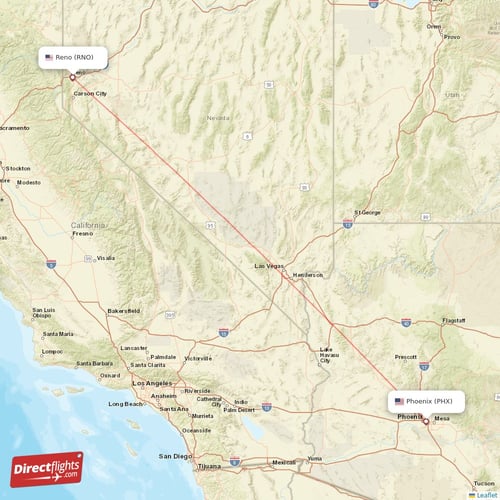
For travelers prioritizing speed, flying is undoubtedly the quickest option. Both cities are served by major international airports, making air travel a convenient choice.
- Phoenix Sky Harbor International Airport (PHX): Located just a few miles from Downtown Phoenix, PHX is a major hub with numerous daily flights to Las Vegas.
- Harry Reid International Airport (LAS): Formerly McCarran International Airport, LAS is conveniently located just minutes from The Strip in Las Vegas, making ground transportation quick and easy.
Flight Duration: The actual flight time between Phoenix and Las Vegas is remarkably short, typically ranging from 1 hour to 1 hour and 15 minutes.
Pros: Speed is the primary advantage, making it ideal for business travelers or those with limited time. It also saves wear and tear on your vehicle and avoids the fatigue of driving.
Cons: The total travel time often extends significantly when you factor in getting to and from airports, security checks, boarding, and baggage claim. This can often push the door-to-door travel time close to or even exceeding a direct drive. Cost can also be a factor, as airfares fluctuate widely depending on booking in advance, time of year, and airline choice. Additionally, the scenic aspect of the desert drive is missed.
Bus and Train Travel
For budget-conscious travelers or those who prefer to relax and let someone else do the driving, bus services offer a viable alternative. Train travel, while generally less direct, could be considered for a different kind of journey.
-
Bus Services: Several bus companies operate routes between Phoenix and Las Vegas.
- Greyhound: One of the most established bus lines, Greyhound offers multiple daily departures from Phoenix to Las Vegas. The journey typically takes between 6 and 8 hours, depending on the number of stops.
- FlixBus: A popular option for its modern buses and competitive pricing, FlixBus also provides direct routes that can be slightly faster than traditional Greyhound services, often completing the trip in around 5.5 to 7 hours.
- Pros: Bus travel is usually the most economical option, making it attractive for budget travelers. It also allows passengers to sit back, relax, and enjoy the scenery without the stress of driving. Many buses offer amenities like Wi-Fi and power outlets.
- Cons: It’s generally the slowest mode of direct transportation and involves shared spaces, which may not appeal to everyone. Schedules can sometimes be rigid, and multiple stops can prolong the journey.
-
Train Travel (Amtrak): Direct train service between Phoenix and Las Vegas is not available. Travelers interested in train travel would need to take an Amtrak train from a nearby station (like Maricopa, south of Phoenix) and then connect via bus or another train route, which significantly extends travel time and complexity. For a direct journey, this option is generally not practical.
Ultimately, the choice of transportation depends on individual preferences for speed, cost, and the overall travel experience. Each method offers a unique way to bridge the distance between these two exciting Southwestern cities.
Making the Journey an Experience: Stops and Attractions
The drive from Phoenix to Las Vegas offers more than just a means to an end; it’s an opportunity to discover unique Southwestern attractions and natural wonders. Transforming the drive into an integral part of your vacation can enrich your overall experience.
Notable Stops Along the Main Route
Even on the most direct path, there are several compelling stops that can break up the journey and provide memorable experiences.
- Hoover Dam and Lake Mead National Recreation Area: As you near Las Vegas, the iconic Hoover Dam is an absolute must-see. This engineering marvel, spanning the Colorado River between Nevada and Arizona, offers impressive views and insightful tours. Adjacent to the dam is Lake Mead, one of the largest reservoirs in the United States and the centerpiece of the Lake Mead National Recreation Area, where visitors can enjoy boating, fishing, and hiking. Allow at least 1-2 hours for a quick stop or several hours if you plan to take a dam tour or explore Lake Mead.
- Boulder City: Just before the Hoover Dam, Boulder City is a quaint, historic town built to house the dam’s workers. Unlike Las Vegas, gambling is prohibited here, giving it a charming, small-town feel. It’s a great spot for a meal, exploring antique shops, or visiting the Nevada State Railroad Museum.
- Wickenburg, Arizona: If you take U.S. Route 93 directly from Phoenix, you’ll pass through Wickenburg, an authentic old Western town. It’s known for its ranches, cowboy culture, and attractions like the Desert Caballeros Western Museum. It’s a pleasant place for a quick break and a taste of the Old West.
- Valley of Fire State Park: While technically a detour (about an hour northeast of Las Vegas from Interstate 15), Valley of Fire State Park is well worth the extra time if you have it. Nevada’s oldest state park is famous for its stunning red sandstone formations that appear to be ablaze when reflecting the sun’s rays. It offers incredible hiking trails, ancient petroglyphs, and breathtaking photo opportunities.
Extending Your Trip: Grand Canyon and Beyond
For those with more time, the journey between Phoenix and Las Vegas can be seamlessly integrated into a larger Southwestern adventure, with the majestic Grand Canyon National Park being the most obvious extension.
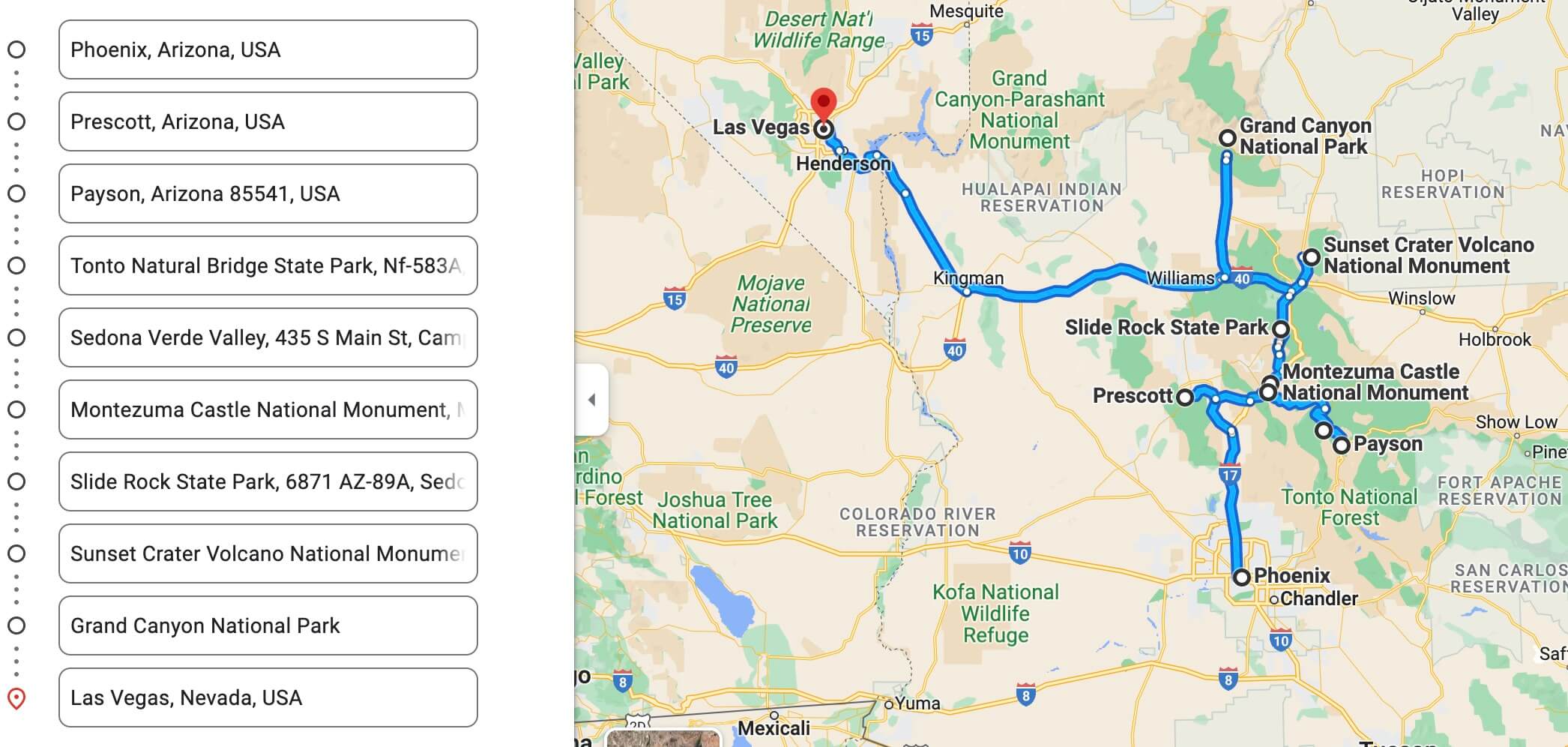
- Grand Canyon National Park: One of the world’s most awe-inspiring natural wonders, the Grand Canyon is a detour that can easily transform your trip into a multi-day epic. From Phoenix, you can drive north to the South Rim, which is the most accessible and offers the most iconic viewpoints. After exploring the Grand Canyon, you can then head west towards Las Vegas via Kingman. This route adds significant mileage (around 4-5 hours from Phoenix to the South Rim, then another 4-5 hours from the South Rim to Las Vegas, plus exploration time), but the experience is unparalleled.
- Sedona, Arizona: En route to the Grand Canyon from Phoenix, or as a destination in itself, Sedona is renowned for its stunning red rock formations, vibrant arts community, and spiritual vortexes. It’s a picturesque stop for hiking, mountain biking, or simply enjoying the breathtaking scenery and unique local culture.
Incorporating these stops turns a simple drive into a memorable road trip, allowing you to immerse yourself in the natural beauty and diverse culture of the Southwestern United States.
Planning Your Trip: Accommodation and Lifestyle Considerations
A successful trip between Phoenix and Las Vegas involves more than just knowing the distance; it’s about tailoring the journey and stay to your personal preferences, budget, and travel style. Both cities offer an incredible array of options for every type of traveler.
Choosing Your Stay in Phoenix and Las Vegas
Accommodation forms a significant part of any travel experience, and both Phoenix and Las Vegas excel in providing diverse choices, from opulent resorts to cozy boutique hotels and practical extended-stay options.
-
Phoenix and Scottsdale Accommodation:
- Luxury Resorts: The Phoenix metropolitan area, particularly Scottsdale, is famous for its world-class luxury resorts. Properties like the Arizona Biltmore, A Waldorf Astoria Resort offer historic elegance and sprawling grounds, while The Phoenician, A Luxury Collection Resort, Scottsdale provides unparalleled amenities, including golf courses, multiple pools, and fine dining. These resorts are ideal for those seeking a tranquil oasis with top-tier service.
- Boutique Hotels: For a more intimate experience, Old Town Scottsdale and Downtown Phoenix feature charming boutique hotels that often highlight local art and culture.
- Budget-Friendly Options: Numerous chain hotels and motels are available throughout the greater Phoenix area, catering to budget travelers without sacrificing comfort.
- Long-Term Stays: For those looking for extended visits or temporary relocation, serviced apartments and villas offer home-like amenities. When booking, always compare reviews and consider amenities like pools, fitness centers, and proximity to attractions or business districts.
-
Las Vegas Accommodation:
- The Strip Resorts: The iconic Las Vegas Strip is home to some of the world’s most famous and luxurious resorts. Bellagio Hotel and Casino is known for its dancing fountains and elegance, Caesars Palace for its Roman-themed grandeur, and The Venetian Resort Las Vegas for its Venetian canals and spacious suites. These properties offer a full spectrum of entertainment, dining, and spa services, providing a complete vacation experience under one roof.
- Downtown Las Vegas: For a different vibe, Downtown Las Vegas offers a more historic and often more budget-friendly experience. Here, you’ll find classic casinos and the Fremont Street Experience with its famous light show and lively atmosphere.
- Off-Strip and Family-Friendly Resorts: Beyond The Strip, many resorts cater specifically to families with extensive pool complexes, water parks, and kid-friendly activities, offering a slightly more subdued atmosphere away from the main hustle and bustle.
- Booking in advance, especially during peak seasons or major events, is highly recommended for Las Vegas. Utilize comparison sites and read recent reviews to ensure your chosen accommodation meets your expectations for comfort, amenities, and service.
Tailoring Your Journey: Lifestyle and Budget
The journey from Phoenix to Las Vegas, and the subsequent stay in each city, can be customized to fit any lifestyle or budget, from indulgent luxury to practical economy.
- Luxury Travel: For the discerning traveler, luxury begins with seamless travel. This could involve chartering a private flight, renting a high-performance vehicle for the drive, or opting for premium bus services. In both Phoenix and Las Vegas, luxury accommodation means suites at five-star resorts, private villas, and personalized concierge services. Experiences might include hot air balloon rides over the Arizona desert, exclusive dining experiences at celebrity chef restaurants, and VIP access to shows and clubs in Las Vegas.
- Budget Travel: Traveling on a budget doesn’t mean compromising on fun. Bus services like FlixBus or Greyhound are excellent cost-effective options for transport. For accommodation, explore well-rated chain hotels, motels, or vacation rentals outside the immediate city centers. In Las Vegas, Downtown Las Vegas generally offers more affordable lodging. Look for free attractions such as the Fremont Street Experience in Las Vegas, hiking trails around Phoenix, and taking advantage of happy hour deals or self-catering options.
- Family Trips: When traveling with family, comfort and kid-friendly amenities are paramount. Driving allows for flexibility with stops and luggage. Many resorts in both cities, particularly off The Strip in Las Vegas or throughout Scottsdale, offer extensive pool areas, kid clubs, and family suites. Consider stops like the Hoover Dam or Valley of Fire State Park for engaging outdoor activities that appeal to all ages.
- Business Stays: For business travelers, efficiency is key. Flying is often preferred for its speed. Accommodation near convention centers or business districts, with amenities like strong Wi-Fi, meeting rooms, and executive lounges, is crucial. In Phoenix, Downtown Phoenix or the Biltmore area are popular, while in Las Vegas, many resorts on The Strip are equipped for business conferences and offer excellent services.
Both Phoenix and Las Vegas are rich in local culture and culinary experiences. From the vibrant Mexican-influenced cuisine of Arizona to the global gastronomic scene of Nevada’s entertainment capital, exploring the local food is a journey in itself. Embrace the tips from travel guides to make the most of your visit, ensuring your journey reflects your unique vision of travel.
The distance between Phoenix and Las Vegas is more than just a number on a map; it represents a corridor of diverse experiences waiting to be discovered. Whether you choose the efficiency of a short flight, the leisurely pace of a bus journey, or the adventurous spirit of a road trip, both the journey and the destinations offer distinct appeals. From the direct 4.5-hour drive on U.S. Route 93 and Interstate 11 to the captivating detours through Hoover Dam or the historic Route 66, every traveler can craft an itinerary that aligns with their interests and budget.
By considering transportation options, planning engaging stops, and selecting accommodations that suit your lifestyle—be it luxury resorts like The Phoenician, A Luxury Collection Resort, Scottsdale or bustling Las Vegas Strip properties such as Bellagio Hotel and Casino—you can transform a simple trip into a cherished memory. The connection between Phoenix and Las Vegas offers a dynamic contrast of desert serenity and exhilarating entertainment, making it an ideal journey for anyone eager to explore the heart of the Southwestern United States. So pack your bags, choose your adventure, and prepare to be enchanted by the unique allure of these two remarkable cities.