
Embarking on a journey through Arizona’s stunning Sonoran Desert often brings travelers to its two prominent cities: Phoenix, the vibrant state capital, and Mesa, a burgeoning cultural hub in the East Valley. A common question for visitors planning their itinerary, whether for a quick business trip, a family vacation, or a long-term stay, is the practical distance and travel time between these two bustling metropolitan areas. The good news for those eager to explore both is their remarkably close proximity, making dual-city adventures not just feasible but highly recommended.
Phoenix and Mesa are essentially neighbors, forming integral parts of the expansive Greater Phoenix Metropolitan Area. This close relationship means that traveling between them is a straightforward and relatively quick affair, opening up a world of diverse attractions, accommodations, and experiences to travelers. Understanding the exact distance, optimal routes, and various transportation options can significantly enhance your travel planning, allowing you to seamlessly transition from the urban allure of Phoenix to the natural beauty and cultural richness of Mesa.
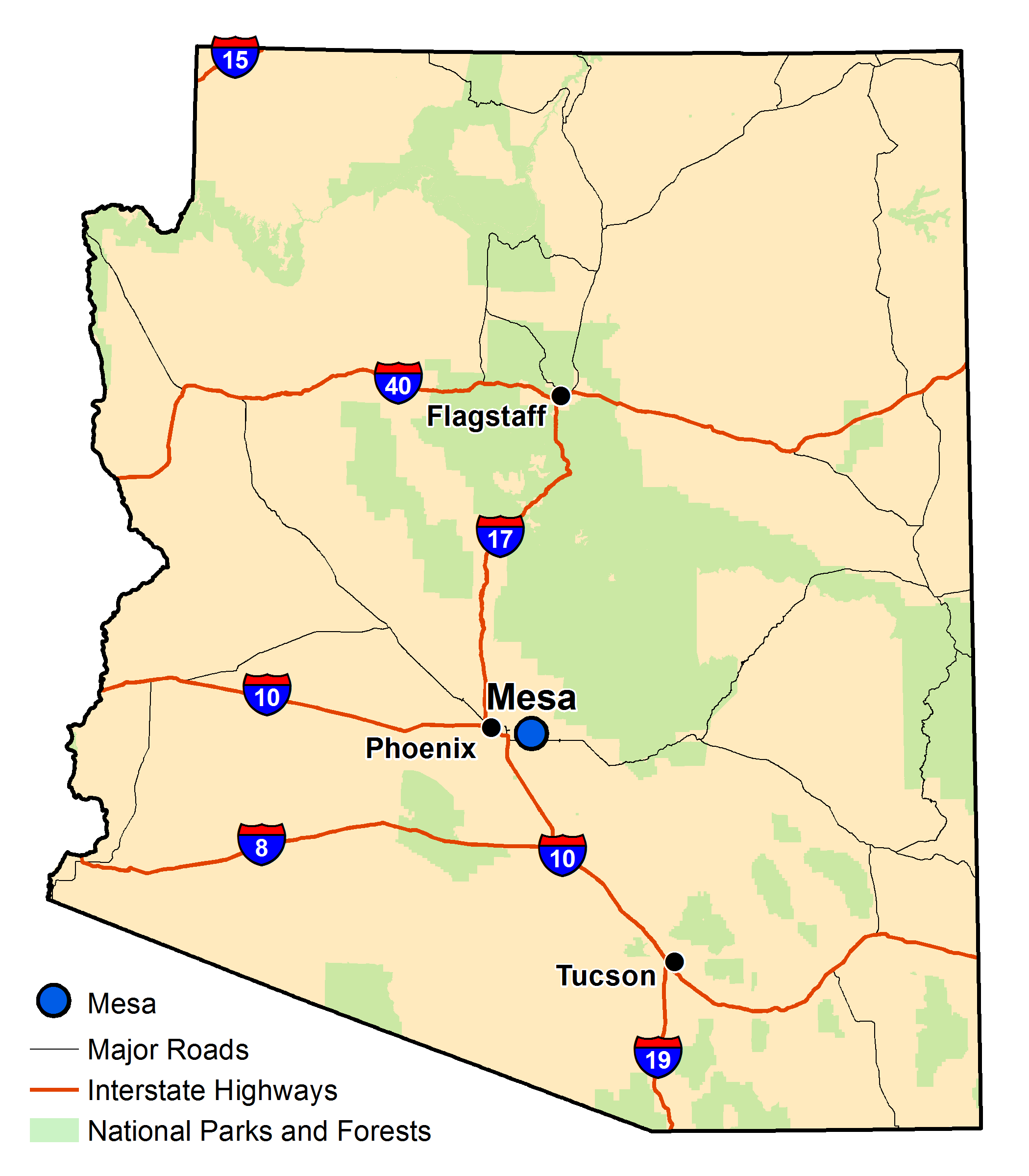
The Proximity and Practicalities: Navigating Between Phoenix and Mesa
The journey between Phoenix and Mesa is one of convenience and efficiency, underscoring the interconnectedness of these Arizona cities. Whether you’re commuting for work, heading out for a day of exploration, or relocating, the distance is easily manageable, making both cities accessible within a short timeframe.
Understanding the Distance and Drive Time
The heart of downtown Phoenix to downtown Mesa is approximately 15 to 20 miles (24 to 32 kilometers), depending on your exact starting and ending points within each city. This relatively short distance translates into a typical drive time of about 20 to 30 minutes under normal traffic conditions. However, like any major metropolitan area, peak rush hour traffic, typically from 7:00 AM to 9:00 AM and 4:00 PM to 6:00 PM on weekdays, can extend this travel time significantly, sometimes to 45 minutes or even an hour.
The primary artery connecting Phoenix and Mesa is US-60, also known as the Superstition Freeway. This major highway offers a direct and efficient route, making navigation straightforward for visitors and locals alike. Other routes, such as I-10 combined with Loop 202, might be used depending on specific destinations within each city, but US-60 remains the most common and often quickest option. For those flying into the region, Phoenix Sky Harbor International Airport (PHX) is conveniently located just west of Mesa and southeast of downtown Phoenix, putting both cities within easy reach upon arrival.
Choosing Your Mode of Transport
Given the close proximity and robust infrastructure, travelers have several reliable options for getting between Phoenix and Mesa:
- Rental Car: For maximum flexibility and the ability to explore at your own pace, renting a car is often the preferred choice, especially for those planning to visit multiple attractions or venture further into the Sonoran Desert. All major car rental agencies operate out of Phoenix Sky Harbor International Airport (PHX) and throughout the metropolitan area.
- Rideshare Services: Services like Uber and Lyft are readily available in both cities, offering a convenient door-to-door solution without the hassle of parking. This can be an excellent option for short trips, evenings out, or when you prefer not to drive.
- Public Transportation: Valley Metro Rail provides a light rail service that connects downtown Phoenix with various points in Mesa, including the Mesa Arts Center. While it doesn’t cover every corner of both cities, it’s a cost-effective and environmentally friendly option for reaching key destinations along its route. Valley Metro also operates an extensive bus network.
- Taxis: Traditional taxi services are also available, particularly at the airport and major hotel establishments.
Unveiling Phoenix: The Vibrant Capital of Arizona
As the capital and largest city in Arizona, Phoenix is a sprawling metropolis known for its year-round sunshine, stunning desert landscapes, and a dynamic urban core. It’s a premier destination for luxury travel, business stays, and family trips, offering an eclectic mix of natural beauty, cultural institutions, and modern amenities.
Iconic Landmarks and Attractions
Phoenix boasts an impressive array of attractions that cater to diverse interests:
- Desert Botanical Garden: A world-renowned garden showcasing a vast collection of Sonoran Desert plants. Its seasonal events and vibrant exhibits make it a must-visit for nature lovers.
- Heard Museum: Dedicated to the advancement of American Indian art and culture, this museum offers insightful exhibits, traditional performances, and a deep dive into the region’s rich indigenous heritage.
- Camelback Mountain: A prominent landmark offering challenging hiking trails and panoramic views of the city. It’s a favorite for outdoor enthusiasts seeking adventure and breathtaking vistas.
- Papago Park: Home to distinctive red rock formations, the Phoenix Zoo, and the Desert Botanical Garden. Its “Hole-in-the-Rock” formation is perfect for sunset photos.
- South Mountain Park and Preserve: One of the largest municipal parks in the United States, offering miles of trails for hiking, biking, and horseback riding, along with incredible city views.
- Old Town Scottsdale: While technically in Scottsdale, its proximity to Phoenix makes it a popular extension for visitors seeking upscale shopping, art galleries, vibrant nightlife, and renowned dining experiences.
Accommodation in Phoenix
Phoenix’s accommodation scene is as diverse as its landscape, ranging from opulent resorts to budget-friendly hotels and long-term stay apartments.
- Luxury Resorts: Iconic establishments like the Arizona Biltmore, A Waldorf Astoria Resort, The Phoenician, a Luxury Collection Resort, Scottsdale, and JW Marriott Phoenix Desert Ridge Resort & Spa offer world-class amenities, championship golf courses, sprawling pools, and exquisite dining, perfect for luxury travelers and those seeking an indulgent escape.
- Boutique Hotels: Areas like downtown Phoenix and Midtown feature stylish boutique hotels, such as Hotel San Carlos or The Camby, Autograph Collection, providing unique experiences and personalized service for those interested in local culture and distinctive charm.
- Family-Friendly Options: Many resorts, including Pointe Hilton Squaw Peak Resort, cater specifically to families with water parks, kids’ clubs, and spacious suites, ensuring a memorable trip for all ages.
- Business Stays & Extended Visits: A plethora of well-appointed hotels and serviced apartments in the downtown core and business districts offer convenience, state-of-the-art facilities, and comfortable amenities for business travelers and those on longer stays.
Culinary Experiences and Lifestyle
The lifestyle in Phoenix is characterized by a blend of outdoor activity and urban sophistication. The culinary scene is a melting pot of flavors, from authentic regional Mexican cuisine to high-end farm-to-table restaurants. Nightlife thrives in districts like Roosevelt Row Arts District and Old Town Scottsdale, offering trendy bars, craft breweries, and live music venues. Shopping ranges from luxury boutiques at Biltmore Fashion Park to eclectic shops and markets.
Discovering Mesa: A Gateway to Arizona’s East Valley

Just a short drive from Phoenix lies Mesa, a vibrant city that beautifully blends its rich agricultural heritage with modern urban development. It serves as a gateway to the stunning natural beauty of the Superstition Mountains and the Tonto National Forest, offering a slightly more laid-back yet equally engaging experience for travelers. Mesa is particularly appealing for family trips, outdoor enthusiasts, and those seeking an authentic taste of Arizona life.
Mesa’s Unique Attractions
Mesa’s attractions highlight its artistic side, historical roots, and access to incredible natural landscapes:
- Mesa Arts Center: A sprawling complex that serves as the largest arts center in the Southwest United States. It features multiple theaters, art galleries, and studios, hosting a variety of performances, exhibitions, and workshops.
- Arizona Museum of Natural History: Home to dinosaurs, native Arizona animals, and exhibits on ancient cultures, making it a fantastic educational outing for families and history buffs.
- Usery Mountain Regional Park: Located on the western slopes of the Superstition Mountains, this park offers extensive trails for hiking, mountain biking, and horseback riding, along with archer ranges and stunning desert views.
- Saguaro Lake: Part of the Salt River chain of lakes, Saguaro Lake is a popular spot for boating, fishing, paddleboarding, and kayaking, surrounded by towering saguaro cacti and dramatic cliffs.
- Goldfield Ghost Town: A step back in time to an 1890s gold mining town, offering mine tours, Old West gunfights, and a truly unique historical experience. Located just outside Mesa near the Superstition Mountains.
Accommodation in Mesa
Mesa provides a range of accommodation options, often at a slightly more affordable price point than Phoenix, making it an attractive base for budget travelers and families.
- Family-Friendly Resorts: Hotels like the Sheraton Mesa Hotel at Wrigleyville West cater to families, especially those visiting during spring training baseball, with amenities like large pools and easy access to entertainment.
- Extended Stay Options: Numerous hotels offer extended stay suites with kitchenettes, ideal for long-term stays, business travelers, or families who prefer the convenience of home. Examples include Homewood Suites by Hilton Mesa or Residence Inn by Marriott Phoenix Mesa.
- Budget-Friendly Hotels: A variety of well-known hotel chains provide comfortable and affordable lodging, ensuring that travelers of all budget levels can find suitable options close to attractions and major routes.
- Vacation Rentals: Mesa also has a growing market for vacation rentals, including apartments and villas, offering a local experience and more space, particularly beneficial for larger groups or longer visits.
Local Culture and Outdoor Adventures
Mesa’s local culture is influenced by its agricultural past and a strong sense of community. The city hosts numerous festivals and events throughout the year, celebrating everything from regional cuisine to arts and crafts. Food experiences range from classic Arizona comfort food to diverse international flavors, with a notable presence of authentic Mexican eateries.
For outdoor enthusiasts, Mesa is a paradise. Beyond its regional parks and lakes, it offers access to tubing on the Salt River, exploring the wilderness of the Tonto National Forest, and embarking on scenic drives through the iconic Apache Trail, a historic route winding through rugged mountains and desert landscapes.
Crafting Your Ideal Arizona Itinerary: Travel & Lifestyle Considerations
The close proximity of Phoenix and Mesa allows for incredible flexibility in travel planning, enabling visitors to curate an itinerary that perfectly suits their interests, budget, and desired lifestyle. Whether you’re seeking luxury, adventure, cultural immersion, or a relaxed family getaway, the Greater Phoenix Metropolitan Area has something for everyone.
Combining Phoenix and Mesa
Many travelers choose to make one city their base and take day trips to the other. For instance, staying in a luxurious resort in Phoenix for its upscale dining and nightlife, then spending a day exploring Mesa’s natural history museums and outdoor parks, is a popular approach. Conversely, basing yourself in Mesa can offer a more budget-friendly stay while still allowing easy access to Phoenix’s downtown attractions, sporting events, and cultural institutions.
Another excellent strategy is to divide your stay, experiencing the distinct vibes of both cities. Perhaps a few nights in a boutique hotel in downtown Phoenix to immerse yourself in the urban energy, followed by a switch to a comfortable vacation rental near Mesa’s lakes for a more nature-oriented conclusion to your trip. This multi-city approach provides a comprehensive taste of what the Valley of the Sun has to offer.
Catering to Every Traveler
The combined offerings of Phoenix and Mesa ensure that every traveler can find their niche:
- Luxury Travel: Phoenix excels with its five-star resorts, championship golf courses, high-end spas, and gourmet dining.
- Budget Travel: Mesa often presents more economical accommodation options and a wealth of free or low-cost outdoor activities and cultural experiences.
- Family Trips: Both cities offer family-friendly attractions, from the Phoenix Zoo and Arizona Museum of Natural History to water parks and vast recreational areas. Many hotels and resorts feature amenities tailored for children.
- Business Stays: With two distinct downtown areas and numerous corporate parks, both cities provide ample options for business travelers, including conference facilities, reliable Wi-Fi, and convenient access to Phoenix Sky Harbor International Airport (PHX).
- Adventure Seekers: The surrounding Sonoran Desert is a playground for hiking, mountain biking, rock climbing, and water sports on the Salt River and nearby lakes.

Best Time to Visit and Travel Tips
The best time to visit Phoenix and Mesa is during the cooler months, from October to April. During this period, temperatures are pleasant, ranging from the 60s to 80s Fahrenheit (15-30°C), perfect for outdoor activities and exploring. This is also peak tourist season, so expect higher prices for hotels and more crowds. Summer (May to September) brings extreme heat, with temperatures often exceeding 100°F (38°C), making indoor activities and early morning/late evening outdoor excursions more feasible.
Practical Tips:
- Hydration: Always carry water, especially when exploring outdoors, regardless of the season. The desert climate is very dry.
- Sun Protection: Sunscreen, hats, and sunglasses are essential.
- Booking in Advance: During peak season, especially for popular events like Spring Training baseball (February-March), booking accommodations and popular attractions well in advance is highly recommended.
- Local Events: Check local calendars for festivals, farmers’ markets, and cultural events happening during your visit, as these often provide a unique glimpse into the local culture.
- Flexibility with Traffic: If driving during rush hour, factor in extra time or consider using public transport like the Valley Metro Rail.
In conclusion, the distance between Phoenix and Mesa, Arizona, is minimal, translating into a quick and easy journey that unlocks a wealth of diverse experiences. These two cities, though distinct in their character and offerings, complement each other perfectly, providing travelers with a comprehensive and enriching Arizona adventure. Whether you’re drawn to the metropolitan sophistication of Phoenix or the natural charm and cultural depth of Mesa, their close proximity ensures you don’t have to choose – you can truly experience the best of both worlds.