
Understanding the distance between Seattle and Port Angeles is crucial for any traveler planning an excursion to Washington’s stunning Olympic Peninsula. This seemingly simple question unlocks a gateway to diverse travel experiences, from the bustling urban landscape of Seattle to the rugged natural beauty surrounding Port Angeles, the gateway to Olympic National Park. The distance, while measurable in miles, also translates into various travel times and transportation methods, each offering a unique perspective on the journey.
Navigating the Routes: Distance and Travel Times
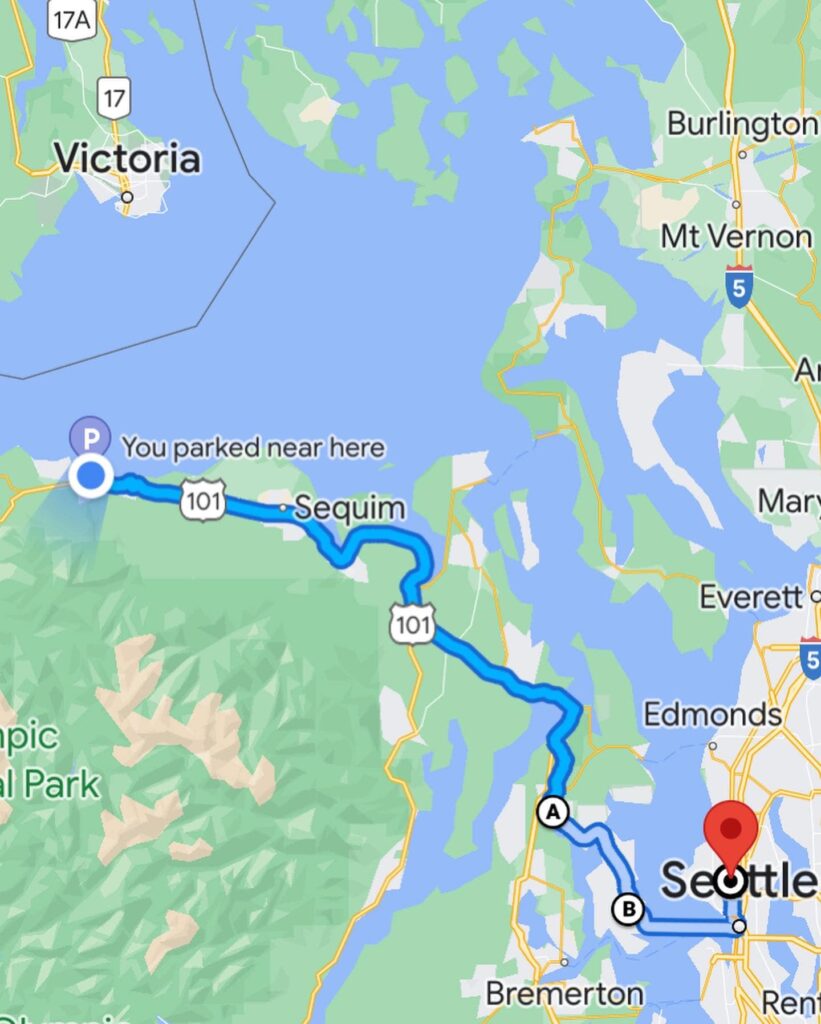
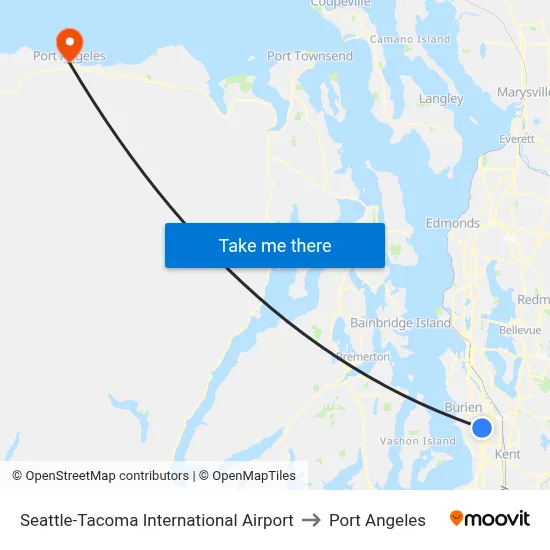
The geographical separation between Seattle and Port Angeles is approximately 70-80 miles, depending on the specific starting point in Seattle and the chosen route. However, this mileage doesn’t represent a direct drive due to the significant geographical feature separating the two: Puget Sound. This body of water necessitates a ferry crossing or a substantial detour around the southern end.
The Scenic Ferry Route
The most popular and often recommended method for traveling from Seattle to Port Angeles involves a ferry. This journey typically begins with a drive to the Seattle Ferry Terminal (Colman Dock) to catch the Washington State Ferries to Bainbridge Island.
- Ferry Duration: The ferry ride across Puget Sound to Bainbridge Island takes approximately 35 minutes. This segment offers picturesque views of the Seattle skyline and the surrounding waters.
- Driving from Bainbridge Island: Once disembarked at Bainbridge Island, the drive to Port Angeles is roughly 1.5 to 2 hours. This route primarily utilizes Highway 3 and then Highway 101 West. The scenery shifts from coastal vistas to lush forests as you head towards the Olympic Peninsula.
- Total Travel Time (Ferry Route): When factoring in potential wait times for the ferry, the sailing duration, and the subsequent drive, the total travel time for this route typically ranges from 3 to 4 hours. This method is favored for its efficiency and the enjoyable experience of being on the water.
The Southern Detour (Driving Only)
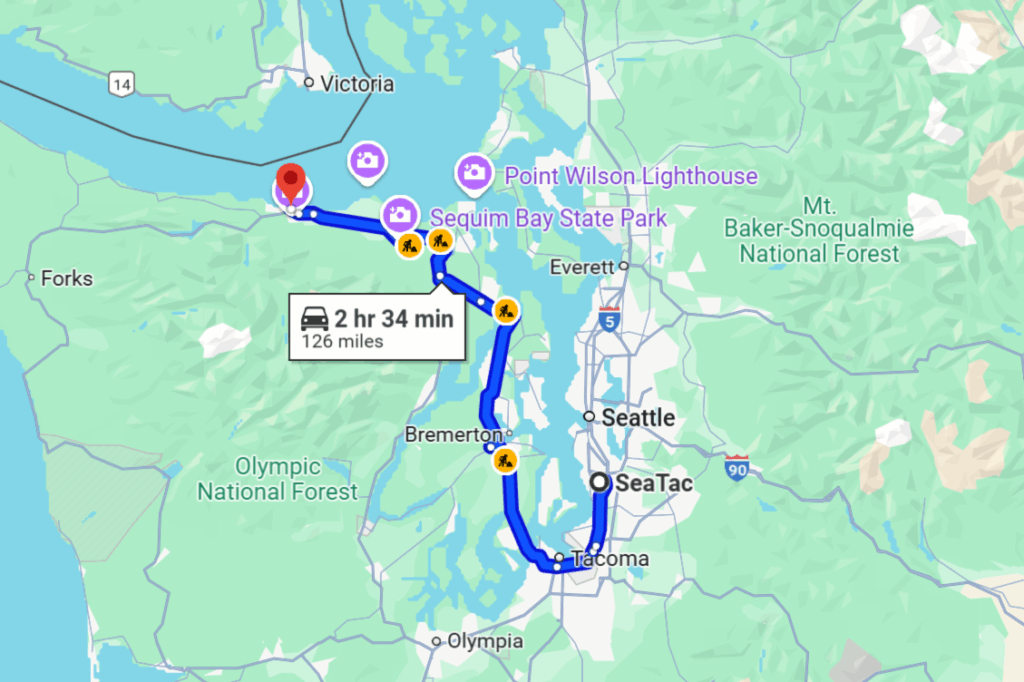
For those who prefer to stay on land or if ferry schedules are not conducive, an all-driving route is available. This involves heading south from Seattle on Interstate 5, crossing Puget Sound via the Tacoma Narrows Bridge, and then proceeding north on Highway 101.
- Route Complexity: This route is significantly longer and more circuitous. It requires navigating through several towns and cities, including Tacoma and Olympia, before eventually turning north towards the Olympic Peninsula.
- Driving Time: The estimated driving time for this all-land route can be anywhere from 3.5 to 5 hours, and this is without accounting for traffic, which can be a considerable factor, especially around the Seattle metropolitan area and during peak travel times.
- Considerations: While it avoids ferry reliance, this option can be less scenic and more prone to delays due to road conditions or traffic congestion. It is generally less recommended unless specific circumstances dictate it.
Factors Influencing Travel Time
Several variables can significantly impact the actual time it takes to travel from Seattle to Port Angeles. Understanding these factors can help travelers better plan their itinerary and minimize potential delays.
Ferry Operations and Scheduling
Washington State Ferries is a vital transportation link for the region, but its operations are subject to various influences:
- Peak Travel Seasons: During summer months and holiday weekends, ferry traffic to Bainbridge Island can be exceptionally heavy. This leads to longer wait times for vehicles, sometimes exceeding an hour or more. It is advisable to check the ferry schedule and consider arriving at the terminal well in advance.
- Weather Conditions: While ferries are generally reliable, severe weather, such as high winds or dense fog, can occasionally lead to cancellations or delays. It is always wise to check the ferry status before heading to the terminal.
- Vessel Maintenance: Ferries undergo regular maintenance, which can sometimes affect schedules or capacity.
Road Traffic and Conditions
Traffic is a ubiquitous element of travel, and the routes to Port Angeles are no exception:
- Seattle Metro Area: Entering or exiting Seattle can involve significant traffic congestion, especially during rush hours (typically 6-9 AM and 3-7 PM on weekdays).
- Highway 101: While generally less congested than major freeways, Highway 101 can experience slowdowns, particularly near towns or tourist hotspots along the route. Road construction or accidents can also cause unexpected delays.
- Bainbridge Island and Kitsap Peninsula: The drive across Bainbridge Island and the Kitsap Peninsula is generally smoother but can still be affected by local traffic, especially during weekends when many people visit the peninsula for recreation.
Time of Day and Day of Week
The timing of your departure can have a profound effect on your travel experience:
- Weekdays vs. Weekends: Weekends often see an increase in recreational travel, leading to busier ferries and roads. Weekdays can be impacted by commuter traffic.
- Morning vs. Afternoon: Departing Seattle earlier in the morning, before the main rush hour, can save considerable time. Similarly, planning your return trip to avoid afternoon traffic will be beneficial.
Choosing Your Mode of Transportation
Beyond the ferry and driving, other transportation options exist, catering to different travel styles and preferences.
Personal Vehicle
Driving a personal vehicle offers the utmost flexibility, allowing you to set your own pace and make spontaneous stops along the way. This is particularly advantageous when exploring Port Angeles and the surrounding areas of Olympic National Park, where having your own transportation is often essential for accessing trailheads and viewpoints.
- Pros: Flexibility, convenience for luggage, ability to explore off-the-beaten-path locations.
- Cons: Ferry costs for vehicles, potential for traffic delays, parking challenges in busy areas.
Public Transportation and Ride-Sharing
While less common for this specific intercity journey, options do exist, particularly for reaching the ferry terminal.
- Seattle Public Transit: King County Metro buses and the Link Light Rail can transport you to the Seattle Ferry Terminal. From Bainbridge Island, local bus services are limited, and onward travel to Port Angeles would likely still require a pre-booked shuttle or a taxi service, which can be expensive.
- Ride-Sharing: Services like Uber and Lyft operate in the Seattle area but are generally not a practical or cost-effective option for the entire journey to Port Angeles. They might be useful for local transportation within Port Angeles itself.
Intercity Bus Services
Intercity bus services, such as BoltBus or Greyhound, may offer routes that connect Seattle to towns on the Kitsap Peninsula or even to Port Angeles directly.
- Pros: Can be a more budget-friendly option, allows you to relax and enjoy the scenery without driving.
- Cons: Less flexibility, fixed schedules, may require transfers, and can sometimes take longer than driving.
Rental Cars
Renting a car in Seattle provides a good balance of flexibility and convenience, especially if you don’t own a vehicle or prefer not to use your own for the trip. You can pick up a rental car near the airport or in downtown Seattle and then proceed with the ferry or driving route.
- Pros: Flexibility, convenience, suitable for exploring the peninsula.
- Cons: Rental costs, insurance, and ferry fees for the vehicle.
Experiencing the Journey: More Than Just Distance
The journey from Seattle to Port Angeles is an integral part of the travel experience. It’s an opportunity to witness the transition from urbanity to the wild, natural beauty of the Pacific Northwest.
The Ferry Experience
The Washington State Ferry ride is more than just a mode of transport; it’s a quintessential Pacific Northwest experience.
- Onboard Amenities: Ferries are equipped with cafes, restrooms, and ample deck space for enjoying the panoramic views. You can spot marine life, watch seabirds, and marvel at the snow-capped peaks of the Olympic Mountains in the distance.
- Connecting Communities: The ferries serve as vital links, connecting diverse communities and facilitating trade and tourism. Riding the ferry provides a tangible sense of this connection.
The Olympic Peninsula Drive
The drive after the ferry, or the entirely land-based journey, unfolds into a landscape of increasing natural grandeur:
- Forests and Waterways: As you drive west, you’ll traverse charming towns, dense evergreen forests, and cross picturesque rivers and lakes. The air becomes fresher, and the sense of escaping the city becomes palpable.
- Gateway to Adventure: Port Angeles itself is a vibrant harbor town, but its true allure lies in its proximity to the vast wilderness of Olympic National Park. This includes the Hoh Rainforest, Hurricane Ridge, and the stunning Pacific coastline.
Ultimately, the question of “how far” is answered not just in miles but in the richness of the journey. Whether you choose the swift ferry crossing or the extended land route, the transition from Seattle to Port Angeles promises a memorable travel experience, opening the door to the unparalleled natural wonders of the Olympic Peninsula.
LifeOutOfTheBox is a participant in the Amazon Services LLC Associates Program, an affiliate advertising program designed to provide a means for sites to earn advertising fees by advertising and linking to Amazon.com. Amazon, the Amazon logo, AmazonSupply, and the AmazonSupply logo are trademarks of Amazon.com, Inc. or its affiliates. As an Amazon Associate we earn affiliate commissions from qualifying purchases.