
The journey between Providence, RI and Boston, MA is a well-trodden path for commuters, tourists, and business travelers alike, connecting the vibrant capital of Rhode Island with the historic hub of Massachusetts. Understanding the distance and various travel options is key to planning a seamless trip within the bustling Northeast Corridor. This guide delves into the specifics of this popular route, offering insights into travel times, transportation methods, and what to expect on your journey between these two significant New England cities.
The Proximity and Connectivity of Two New England Gems
Despite their distinct identities and attractions, Providence and Boston are remarkably close, making day trips, weekend getaways, and regular commutes highly feasible. This geographical convenience fosters a strong economic and cultural interchange, benefiting residents and visitors of both cities.
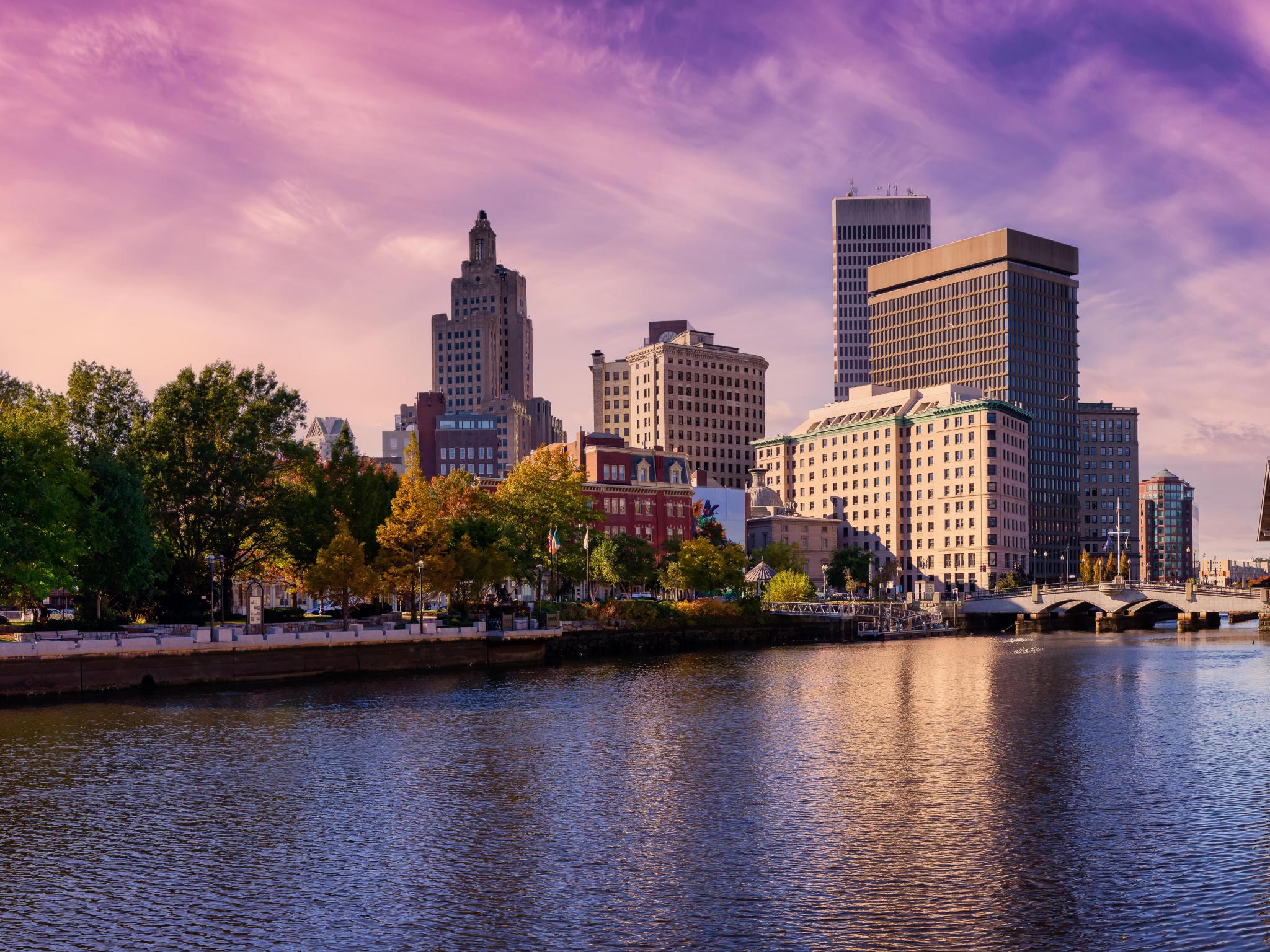
Unpacking the Distance
The direct driving distance between downtown Providence and downtown Boston is approximately 50 miles (80 kilometers). This relatively short distance means that, under ideal conditions, travel between the two cities can be surprisingly quick. However, like any major urban corridor, actual travel times can fluctuate significantly depending on the chosen mode of transport, time of day, and prevailing traffic conditions. This corridor is a critical artery for the region, seeing a constant flow of vehicles and trains, which necessitates careful planning for any journey. The compact nature of New England allows for easy access between its major cities, making multi-city itineraries a popular choice for travelers exploring the rich history and diverse culture of the region.
A Region of Easy Access
The efficient transportation networks connecting Providence and Boston are a testament to the region’s commitment to accessibility and connectivity. Major interstate highways, comprehensive rail services, and numerous bus routes ensure that travelers have a multitude of choices, each offering a different balance of speed, cost, and convenience. This robust infrastructure not only facilitates travel for tourists but also supports the economic vitality of the entire Northeast Corridor, enabling businesses to thrive and communities to stay connected. The ease of movement between these cities makes them attractive hubs for both living and visiting, presenting a dynamic blend of urban excitement and historical charm.
Navigating the Journey: Transportation Options
Traveling between Providence and Boston offers a variety of transportation choices, each with its unique advantages. Your selection will likely depend on your budget, schedule, and preferred level of comfort.
Driving: The Most Flexible Route
For many, driving remains the most appealing option due to its flexibility and the ability to travel on your own schedule. The primary route between the two cities is Interstate 95 (I-95).
- Estimated Travel Time: Under optimal conditions with light traffic, the drive typically takes between 50 minutes to 1 hour and 15 minutes. However, during peak commuting hours (7:00 AM – 9:00 AM and 4:00 PM – 6:00 PM on weekdays), this duration can easily extend to 1 hour and 30 minutes or even 2 hours or more, especially when navigating Boston’s urban sprawl.
- Traffic Considerations: The stretch of I-95 between Providence and Boston is notoriously busy. Utilizing GPS navigation apps like Google Maps or Waze for real-time traffic updates is highly recommended to choose the best departure time or identify alternative routes if necessary.
- Tolls and Parking: Be prepared for potential tolls, particularly if entering Boston via certain highways or tunnels. Parking in Boston can also be expensive and challenging to find, especially in downtown areas or near popular attractions. Consider parking outside the city center and using Boston’s excellent public transportation, the MBTA, to reach your final destination.
Rail Travel: Comfort and Convenience
Train travel offers a relaxed and often punctual alternative, avoiding the stresses of traffic and parking.
- Amtrak: The national rail service provides frequent connections between Providence Station and Boston’s South Station.
- The high-speed Acela Express can complete the journey in as little as 30-40 minutes, though it is generally more expensive.
- The Northeast Regional service offers a slightly longer but still efficient ride, typically taking around 45-60 minutes.
- Amtrak provides comfortable seating, Wi-Fi, and often scenic views, making it a popular choice for both business and leisure travelers.
- MBTA Commuter Rail: For a more budget-friendly option, the MBTA Commuter Rail’s Providence/Stoughton Line connects Providence Station directly to South Station in Boston.
- This service typically takes approximately 1 hour to 1 hour and 15 minutes, making it a viable option for commuters and day-trippers.
- Fares are considerably lower than Amtrak, but amenities are more basic. It’s an excellent choice for those prioritizing cost-efficiency and direct city-center access.
Bus Services: Economical and Accessible
Bus travel is often the most economical choice, providing regular service between the two cities.
- Providers: Companies like Peter Pan Bus Lines and Greyhound operate multiple daily departures.
- Journey Duration: Depending on traffic and the number of stops, a bus journey usually takes between 1 hour and 15 minutes to 1 hour and 45 minutes. While generally longer than train travel, it offers significant savings.
- Pick-up/Drop-off Points: Buses typically depart from and arrive at major transportation hubs, such as Providence Bus Terminal and Boston’s South Station Bus Terminal, ensuring easy connections to local transit.

Rideshares and Taxis: Direct but Pricey
For those seeking maximum convenience and a direct, door-to-door service, rideshare options like Uber or Lyft, or traditional taxis, are available.
- Cost: While offering unparalleled flexibility, this option is significantly more expensive, with fares often ranging from $80 to $150 or more, depending on demand, time of day, and surge pricing.
- Travel Time: The travel time mirrors that of driving, subject to the same traffic conditions on I-95. This mode is best suited for groups splitting the cost or those with specific time constraints for whom cost is a secondary concern.
Planning Your Trip: Essential Travel Tips
A well-planned trip can make all the difference, transforming a simple journey into a smooth and enjoyable experience.
Best Time to Travel
To minimize travel time, aim to depart outside of typical weekday rush hours (before 7:00 AM, between 9:00 AM and 4:00 PM, or after 6:00 PM). Weekends generally see lighter traffic, but major holidays can bring unexpected congestion. If traveling by train or bus, mid-day departures often have more availability and can sometimes offer better fares.
Traffic Considerations and Peak Hours
I-95 is a major thoroughfare, and understanding its peak patterns is crucial. If driving during rush hour is unavoidable, consider utilizing a navigation app to find alternative routes, even if they add a few extra miles. Sometimes, a slightly longer route on less congested roads can save significant time. Additionally, be aware of any local events in either Providence or Boston, such as sports games or concerts, which can dramatically impact traffic and public transport crowds.
Cost Comparison Across Modes
- Bus: Generally the most affordable option, ideal for budget-conscious travelers.
- MBTA Commuter Rail: A good balance of cost and efficiency for train travel.
- Amtrak Northeast Regional: A mid-range option offering more comfort and speed.
- Amtrak Acela Express: The fastest train, but also the most expensive regular service.
- Driving: Costs include gas, potential tolls, and parking, which can add up significantly, especially in Boston.
- Rideshares/Taxis: The most expensive but offer the greatest convenience and privacy.
Seamless Ticketing and Booking
For train and bus services, booking tickets in advance, especially for Amtrak, can often secure better rates. Digital ticketing through mobile apps is widely available, simplifying the boarding process. For MBTA Commuter Rail, the mTicket app is highly recommended. Always check the respective service provider’s website for the most up-to-date schedules, fares, and any service alerts.
Exploring Beyond the Journey: What Awaits in Each City
While the primary focus is on the journey, understanding the allure of each destination can enrich your travel experience and aid in planning your activities upon arrival.
Discovering Providence: Rhode Island’s Creative Capital
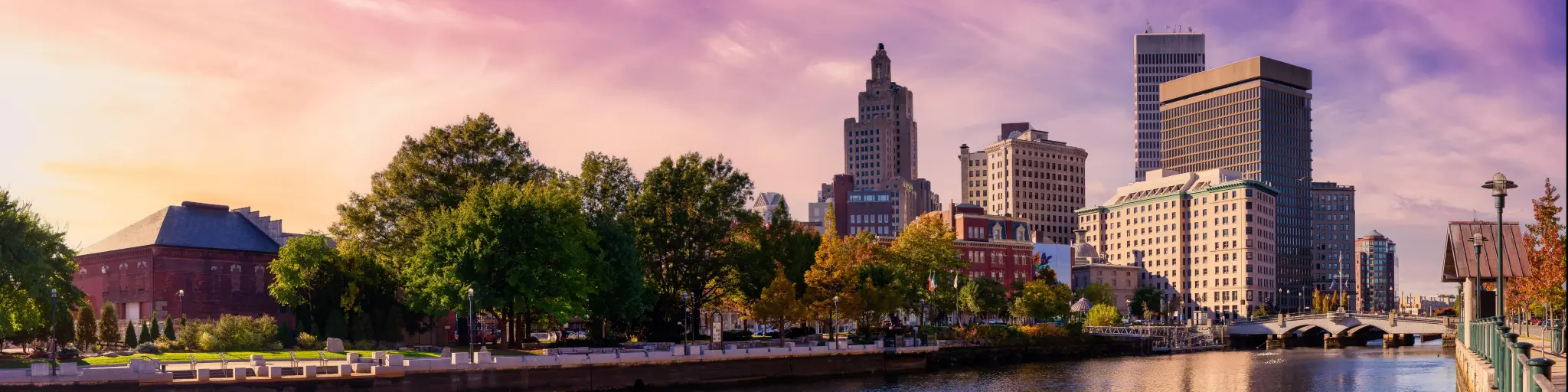
Providence, often celebrated as the “Creative Capital,” is a city brimming with history, art, and a dynamic culinary scene. Upon arrival, visitors can explore the cobbled streets of College Hill, home to Brown University and the Rhode Island School of Design (RISD). The world-renowned RISD Museum offers an impressive collection spanning ancient to contemporary art. A highlight for many is WaterFire, an award-winning art installation that transforms the Providence rivers into a mesmerizing spectacle of bonfires, music, and performance on select evenings. The city’s thriving food scene, from fine dining to vibrant food trucks, makes it a destination for gourmands. Families might enjoy the Roger Williams Park Zoo or the Providence Children’s Museum.
Experiencing Boston: A City Steeped in History
Boston, one of the oldest cities in the United States, is a treasure trove of American history and culture. From South Station, many of its iconic landmarks are easily accessible. Walk the Freedom Trail to uncover pivotal sites of the American Revolution, including the Boston Common, Paul Revere House, and Faneuil Hall Marketplace. The city also boasts world-class museums such as the Museum of Fine Arts and the Isabella Stewart Gardner Museum. Sports enthusiasts can catch a game at legendary Fenway Park, while shoppers can explore the boutiques of Newbury Street or the Prudential Center. Boston’s diverse neighborhoods, from the historic North End with its Italian heritage to the charming Beacon Hill, offer endless opportunities for exploration.
LifeOutOfTheBox is a participant in the Amazon Services LLC Associates Program, an affiliate advertising program designed to provide a means for sites to earn advertising fees by advertising and linking to Amazon.com. Amazon, the Amazon logo, AmazonSupply, and the AmazonSupply logo are trademarks of Amazon.com, Inc. or its affiliates. As an Amazon Associate we earn affiliate commissions from qualifying purchases.