
The journey from the bustling, urban heart of Los Angeles to the serene, cliffside elegance of Rancho Palos Verdes represents more than just a change in geography; it is a transition from the frenetic energy of a global metropolis to the tranquil, breathtaking expanse of the Pacific coastline. While these two locales share a regional identity within Southern California, they offer vastly different experiences. Understanding the physical distance and the logistical realities of the commute is essential for any traveler looking to bridge the gap between these iconic destinations.
Geographical Proximity and Commute Logistics
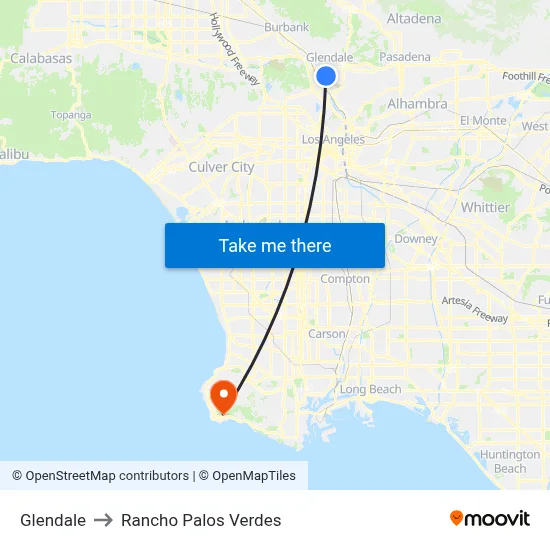
The physical distance between Los Angeles and Rancho Palos Verdes is deceptively small on a map, typically measuring between 25 to 30 miles, depending on your specific starting point in the downtown core versus the peninsula’s southern edge. However, in the context of California traffic, distance is rarely measured in miles—it is measured in time.
Navigating the Southern California Freeway System
For most travelers, the route involves navigating the Interstate 110, also known as the Harbor Freeway. Starting in the center of Los Angeles, the drive south takes you through industrial corridors and urban landscapes before the air begins to shift as you approach the South Bay. During off-peak hours—typically mid-morning or late evening—this drive can be accomplished in approximately 45 to 50 minutes. During the notorious Los Angeles rush hour, however, that time can easily double, turning a relatively short distance into an hour-and-a-half endeavor.
The Scenic Alternate Routes
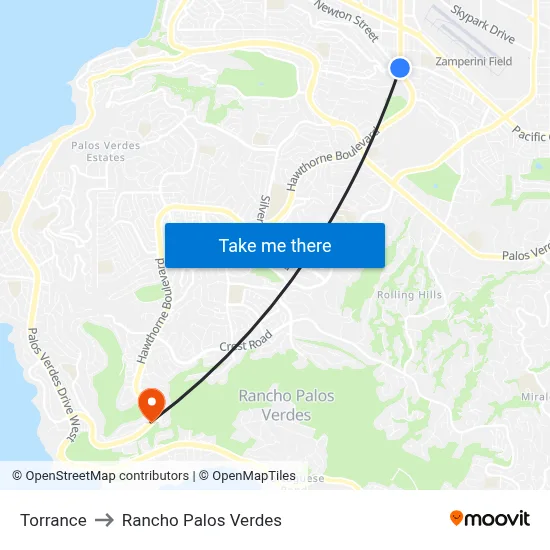
For those with a penchant for coastal views, there are alternatives to the standard freeway grind. Navigating through local coastal roads near San Pedro or Torrance allows travelers to bypass some of the highway congestion while enjoying the aesthetics of the Pacific Ocean. While these routes might not save significant time on the clock, they offer a far more pleasant experience, winding through residential streets and approaching the Palos Verdes Peninsula from the north or east.
The Contrast in Destination Experiences
Once you cross the invisible boundary from the Los Angeles Basin onto the Palos Verdes Peninsula, the atmosphere shifts dramatically. If Los Angeles is the engine of the region—full of museums, high-rise commerce, and diverse cultural nightlife—Rancho Palos Verdes is its tranquil, elevated sanctuary.
Nature and Coastal Vistas
The primary draw of Rancho Palos Verdes is its rugged natural beauty. Unlike the flat, sandy beaches found in Santa Monica or Venice Beach, the coastline here is characterized by dramatic cliffs, hidden coves, and expansive hiking trails. Visitors often spend their time at the Point Vicente Interpretive Center, which provides a prime vantage point for whale watching and studying the local maritime ecosystem. The sense of isolation and quiet here serves as a perfect antidote to the sensory overload of Hollywood or Downtown Los Angeles.
Architectural and Cultural Landmarks
The architecture of Rancho Palos Verdes leans into its landscape. Perhaps the most famous structure is the Wayfarers Chapel, often referred to as the “Glass Church.” Designed by Lloyd Wright, the son of Frank Lloyd Wright, this landmark is a masterpiece of organic architecture, integrating the surrounding redwood trees and ocean views into its design. It represents the pinnacle of the area’s peaceful, aesthetic focus, standing in stark contrast to the sprawling urban infrastructure of Los Angeles.
Travel Tips for Visiting the Peninsula
If you are planning to travel from Los Angeles to Rancho Palos Verdes, preparation is key to ensuring your trip remains an enjoyable exploration rather than a test of patience.
Timing Your Departure
Given the density of Los Angeles traffic, it is highly recommended to avoid traveling between 7:00 AM and 10:00 AM, and again between 3:00 PM and 7:00 PM. Choosing to visit mid-day or taking a weekend trip allows for a much smoother drive. If you are staying in Los Angeles for an extended period, consider allocating at least one full day to explore the peninsula, as the winding roads and wealth of hiking trails—such as those found in Palos Verdes Nature Preserve—are best enjoyed without the pressure of a quick return to the city.
Transportation Modes
While renting a car is the most practical way to reach Rancho Palos Verdes, ride-sharing services like Uber or Lyft are readily available from major hubs in Los Angeles, such as Los Angeles International Airport. However, keep in mind that once you arrive on the peninsula, public transportation becomes significantly more limited. Having your own vehicle allows for the freedom to drive along Palos Verdes Drive, which offers some of the most spectacular cliffside driving in all of California.

Balancing Urban Energy with Coastal Solitude
The distance between Los Angeles and Rancho Palos Verdes is small enough to make the peninsula a viable day-trip destination, yet significant enough that the two feel like separate worlds. For the traveler who thrives on the culture, art, and high-energy pace of Los Angeles, Rancho Palos Verdes provides the necessary counterbalance. It is a place where one can watch the sunset over the horizon, listen to the crashing waves, and reflect on the diverse landscapes that make this corner of the United States so unique.
Whether you are seeking the historical significance of the area’s landmarks or simply a quiet hiking trail far from the skyscraper shadows of the city center, the journey from Los Angeles to this elevated coastal retreat is well worth the effort. It invites visitors to slow down, breathe the ocean air, and appreciate the incredible geographic diversity that exists just a few dozen miles away from one of the most populated urban centers in the world. As you navigate the winding roads of the peninsula, the memory of Los Angeles traffic fades, replaced by the enduring calm of the Pacific coast.
LifeOutOfTheBox is a participant in the Amazon Services LLC Associates Program, an affiliate advertising program designed to provide a means for sites to earn advertising fees by advertising and linking to Amazon.com. Amazon, the Amazon logo, AmazonSupply, and the AmazonSupply logo are trademarks of Amazon.com, Inc. or its affiliates. As an Amazon Associate we earn affiliate commissions from qualifying purchases.