
Nevada, a state synonymous with dazzling lights, expansive deserts, and world-class entertainment, is home to two iconic cities that often spark curiosity: Las Vegas and Reno. While both offer thrilling experiences, they possess distinct personalities. A common question for travelers exploring the Silver State is, “How far is Reno from Las Vegas?” Understanding the distance, travel options, and the unique appeal of each city is crucial for planning an unforgettable Nevada adventure.
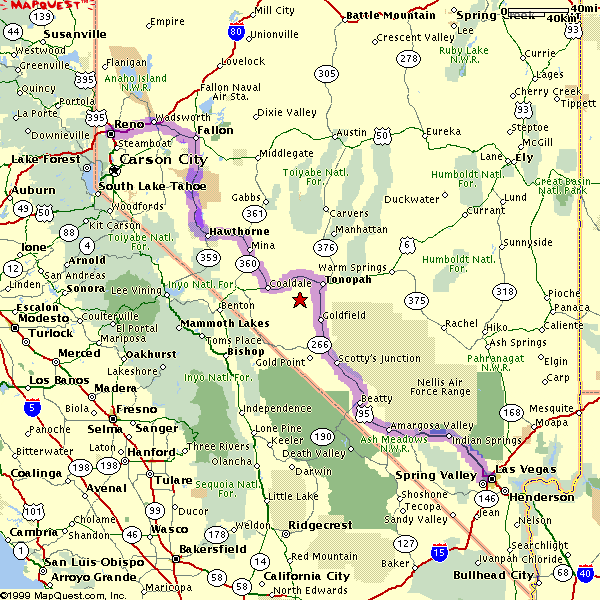
The straight-line distance between Reno and Las Vegas is approximately 340 miles (547 kilometers). However, the practical driving distance is closer to 440 to 450 miles (708 to 724 kilometers), depending on the specific route taken. This journey, typically spanning between 6.5 to 8 hours of non-stop driving, takes you through diverse landscapes, from the vibrant desertscapes of southern Nevada to the high-desert plains and mountainous regions closer to Reno. This article will serve as your comprehensive guide to navigating the distance, exploring travel options, and discovering the distinct charms of these two fascinating destinations.
The Journey Between Nevada’s Two Gems
Embarking on a trip between Reno and Las Vegas can be an adventure in itself. Whether you prefer the open road, the convenience of a flight, or the scenic views from a bus, Nevada offers several ways to bridge the distance.
Unveiling the Distance and Driving Experience
The most popular way to travel between Reno and Las Vegas is by car. The primary route involves taking US-95 South from Reno (or North from Las Vegas). This highway, largely a two-lane road for much of the journey, cuts directly through the heart of Nevada’s vast and often desolate high desert.
Route 1: The Direct US-95 Corridor
- Distance: Approximately 440 miles (708 km)
- Driving Time: 6.5 to 7.5 hours without significant stops.
- Experience: This route offers an authentic taste of Nevada’s remote beauty. You’ll pass through small, historic mining towns like Tonopah and Goldfield, which serve as fascinating reminders of the state’s rich past. Services can be sparse, so it’s essential to plan for gas and rest stops. The landscape is characterized by expansive vistas, unique geological formations, and incredible stargazing opportunities once the sun sets. It’s a journey that emphasizes the vastness of the American West.
Route 2: The Scenic US-395 / CA-14 / US-95 Blend (Slightly Longer)
- Distance: Approximately 460-480 miles (740-772 km)
- Driving Time: 7.5 to 8.5 hours
- Experience: For those seeking a more picturesque drive, a detour west into California can be incredibly rewarding. From Reno, head south on US-395 through the Eastern Sierra Nevada mountains. This route takes you past stunning natural landmarks, including access points to Yosemite National Park (seasonal access may apply) and the majestic peaks of the Sierra Nevada. You’d then connect to California State Route 14 (CA-14) South, eventually rejoining US-95 or Interstate 15 (I-15) for the final stretch into Las Vegas. While longer, the dramatic mountain scenery, quaint towns like Bishop and Lone Pine, and proximity to outdoor adventures make this a compelling choice for a road trip.
Regardless of the chosen route, preparing for a long drive is essential. Ensure your vehicle is in good condition, pack plenty of water and snacks, and download offline maps as cell service can be spotty in remote areas.

Alternative Routes and Travel Modes
While driving offers flexibility and the chance to explore at your own pace, other convenient options exist for traveling between Reno and Las Vegas.
Flying:
The quickest way to cover the distance is by air. Reno-Tahoe International Airport (RNO) offers direct flights to Harry Reid International Airport (LAS) in Las Vegas.
- Flight Time: Approximately 1 hour to 1 hour 15 minutes.
- Airlines: Major carriers like Southwest Airlines and Allegiant Air frequently operate this route.
- Convenience: Ideal for business travelers or those on a tight schedule. Keep in mind the total travel time will include getting to and from airports, security checks, and potential delays. Despite the shorter travel time, flying can sometimes be comparable in cost to gas for a solo driver, but more expensive for families or groups.
Bus Services:
Bus travel is a more economical option, though it significantly extends the travel time.
- Operators: Companies like Greyhound operate routes between Reno and Las Vegas.
- Travel Time: Typically 9 to 12 hours, with stops in various towns along US-95.
- Experience: This is a budget-friendly choice, allowing passengers to relax and enjoy the scenery without the stress of driving. It’s also an environmentally conscious option.
Train (Indirect):
There is no direct train service between Reno and Las Vegas. While Amtrak serves Reno via the California Zephyr route, reaching Las Vegas by train would involve a very lengthy, multi-leg journey with transfers, making it impractical for most travelers.
Exploring the Path Less Traveled: Road Trip Highlights
For those who choose the road trip adventure, the journey itself can be as rewarding as the destination. The US-95 corridor, while seemingly sparse, offers a unique glimpse into Nevada’s history and natural beauty.
From Deserts to Mountains: Scenic Stops
The drive between Reno and Las Vegas showcases the dramatic geological diversity of Nevada. Starting from Reno’s proximity to the Sierra Nevada mountains and Lake Tahoe, the landscape gradually transitions into expansive high desert basins and ancient volcanic formations as you head south.
- Near Reno: Take a slight detour to Lake Tahoe, a stunning alpine lake on the border of Nevada and California. Its crystal-clear waters and surrounding pine forests offer a refreshing contrast to the desert journey ahead. The drive along its shores, particularly on the Nevada side, is breathtaking.
- Fallon: Often dubbed the “Oasis of Nevada,” Fallon is a significant agricultural hub. It’s a good place to refuel and grab a bite. Nearby, you can explore the Lahontan State Recreation Area, offering boating and fishing, or the Stillwater National Wildlife Refuge, a haven for migratory birds.
- Ancient Lake Lahontan: As you drive through the region, notice the “bathtub rings” on the mountainsides – remnants of ancient Lake Lahontan, which once covered much of present-day Nevada during the last ice age. These geological markers offer a fascinating glimpse into the area’s prehistoric past.
Small Towns with Big Stories
The US-95 route is dotted with small towns, many of which owe their existence to Nevada’s mining booms. These towns offer a chance to stretch your legs, learn about local history, and experience a different side of the state.
- Hawthorne: Home to the Hawthorne Army Depot, one of the largest ammunition depots in the world, Hawthorne has a unique military heritage. The Mineral County Museum provides insights into the region’s past.
- Tonopah: Once a rich silver mining town, Tonopah offers a step back in time. Visit the Tonopah Historic Mining Park to explore old mines and machinery. The town is also famous for its incredibly dark night skies, making it a prime spot for stargazing, and is home to the notoriously “haunted” Clown Motel.
- Goldfield: Another historic mining town, Goldfield was once the largest city in Nevada during its gold rush heyday. Today, it’s a living ghost town with impressive historic buildings, including the Goldfield Hotel and the old high school, offering fantastic photo opportunities and a sense of eerie nostalgia.
These towns provide essential services and a welcome break from driving, adding cultural depth to your journey.
Reno vs. Las Vegas: A Tale of Two Cities
While both Reno and Las Vegas are known for gaming and entertainment, they cater to different tastes and offer distinct atmospheres. Understanding these differences can help you decide which city aligns better with your travel preferences or how to best enjoy both.
The Allure of “The Biggest Little City in the World”
Reno, often called “The Biggest Little City in the World,” offers a charming blend of casino entertainment, outdoor adventure, and a burgeoning arts and culture scene. Its proximity to the Sierra Nevada mountains and Lake Tahoe makes it a haven for outdoor enthusiasts.
- Gaming & Entertainment: Reno’s casinos, such as the Peppermill Resort Spa Casino, Grand Sierra Resort, and the properties in The Row (which includes the Eldorado Resort Casino, Silver Legacy Resort Casino, and Circus Circus Reno), provide a wide range of gaming options, live shows, and dining. While perhaps not as ostentatious as their Las Vegas counterparts, they offer a more laid-back and intimate experience.
- Outdoor Activities: This is where Reno truly shines. Within a short drive, visitors can access world-class skiing and snowboarding at resorts like Mount Rose Ski Tahoe and Palisades Tahoe. In warmer months, Lake Tahoe provides opportunities for boating, hiking, mountain biking, and swimming. The Truckee River, which flows through downtown Reno, is popular for kayaking, rafting, and its picturesque Riverwalk District.
- Culture & Arts: Reno boasts a vibrant arts scene. The National Automobile Museum, home to one of the finest car collections in the world, is a must-visit. The Nevada Museum of Art offers diverse exhibitions, and the MidTown District is filled with unique boutiques, cafes, and street art. The iconic Reno Arch serves as a classic photo op.
- Events: Reno hosts several major events throughout the year, including the National Championship Air Races, Hot August Nights (a classic car festival), and the Great Reno Balloon Race.
The Bright Lights of the “Entertainment Capital of the World”
Las Vegas needs little introduction. Known globally as the “Entertainment Capital of the World,” it’s a city of superlatives, offering unparalleled luxury, non-stop entertainment, and an energy that never sleeps.
- Gaming & Resorts: The Las Vegas Strip is a marvel of human ingenuity and excess, lined with world-renowned resorts like Bellagio, Caesars Palace, The Venetian Resort Las Vegas, Wynn Las Vegas, and MGM Grand. Each offers immense casinos, luxurious accommodations, celebrity chef restaurants, and elaborate themed attractions.
- Entertainment & Shows: From residencies by global music superstars to Cirque du Soleil productions, magic shows, and comedy acts, Las Vegas offers an unmatched array of live entertainment. Nightlife is equally vibrant, with countless clubs and bars.
- Dining: Las Vegas is a foodie paradise, boasting an incredible concentration of Michelin-starred restaurants, celebrity chef outposts, and diverse culinary experiences ranging from high-end fine dining to casual buffets.
- Attractions Beyond Gaming: Beyond the casinos, attractions like the Bellagio Fountains, the High Roller observation wheel, and the vibrant Fremont Street Experience in downtown Las Vegas draw millions. For a break from the urban jungle, Red Rock Canyon National Conservation Area is a short drive away, offering hiking and stunning natural beauty. The engineering marvel of the Hoover Dam and the vastness of Lake Mead are also popular day trips.
- Shopping: From high-end designer boutiques at The Forum Shops at Caesars Palace and Grand Canal Shoppes to outlet malls, Las Vegas is a shopper’s delight.
Planning Your Nevada Adventure
Whether you’re drawn to the mountain charm of Reno or the dazzling spectacle of Las Vegas, careful planning will ensure a smooth and enjoyable trip.
Best Time to Visit and Travel Tips
The best time to visit Nevada largely depends on your desired activities and tolerance for heat.
- Spring (March-May) and Fall (September-November): These seasons offer the most pleasant weather for both cities. Las Vegas enjoys comfortable temperatures for exploring the Strip and outdoor attractions, while Reno experiences mild days perfect for hiking or exploring Lake Tahoe. Fall foliage near Reno is particularly beautiful.
- Summer (June-August): Las Vegas summers are extremely hot, with temperatures often exceeding 100°F (38°C). While resorts are air-conditioned, outdoor activities can be challenging. Reno summers are warm but generally more moderate, making it ideal for Lake Tahoe and mountain adventures.
- Winter (December-February): Las Vegas winters are cool and pleasant, rarely seeing snow. Reno winters are cold with regular snowfall, making it a prime destination for winter sports around Lake Tahoe.
General Travel Tips:
- Stay Hydrated: The desert climate in Nevada can be very dry. Drink plenty of water, especially if you’re driving long distances or spending time outdoors.
- Book in Advance: Especially for popular hotels, shows, or during peak seasons and major events, booking accommodations and tickets well in advance is highly recommended.
- Rental Car: A rental car offers the most flexibility for exploring the region, especially if you plan to visit attractions outside the main city centers or embark on a road trip.
- Budgeting: Las Vegas can be an expensive destination, particularly for luxury stays and fine dining. Reno generally offers more budget-friendly options. Plan your budget according to your lifestyle and travel preferences.
Accommodation Choices: From Luxury to Budget
Both Reno and Las Vegas offer a diverse range of accommodation options to suit every traveler’s budget and style.
Las Vegas:
- Luxury Resorts: The Las Vegas Strip is synonymous with opulent resorts like the Bellagio, Cosmopolitan of Las Vegas, ARIA Resort & Casino, and Caesars Palace. These offer lavish suites, multiple pools, spas, and a plethora of dining and entertainment options right on-site.
- Mid-Range Hotels: Options like Paris Las Vegas, Flamingo Las Vegas, or off-Strip properties in Henderson or Summerlin provide comfortable stays without breaking the bank.
- Budget-Friendly: Downtown Las Vegas near the Fremont Street Experience often has more affordable hotels. Additionally, numerous motels and smaller hotels are located slightly off the Strip.
- Vacation Rentals: For longer stays or group travel, consider a vacation rental apartment or villa, especially in areas like Summerlin or Henderson.
Reno:
- Resort Casinos: Reno also features large resort casinos that combine hotels, gaming, dining, and entertainment, such as the Peppermill Resort Spa Casino, Grand Sierra Resort, and Atlantis Casino Resort Spa. These offer a range of suites and amenities.
- Boutique Hotels: The Riverwalk District and MidTown District feature some charming boutique hotels and independent accommodations, perfect for experiencing the local culture.
- Budget Motels: A variety of budget-friendly motels and chain hotels are available throughout Reno and its sister city, Sparks, offering comfortable and economical stays.
- Lake Tahoe Area: If your primary interest is outdoor recreation, consider staying in the Lake Tahoe area, which offers everything from luxury lodges to cozy cabins and vacation rentals, though it’s about an hour’s drive from downtown Reno.
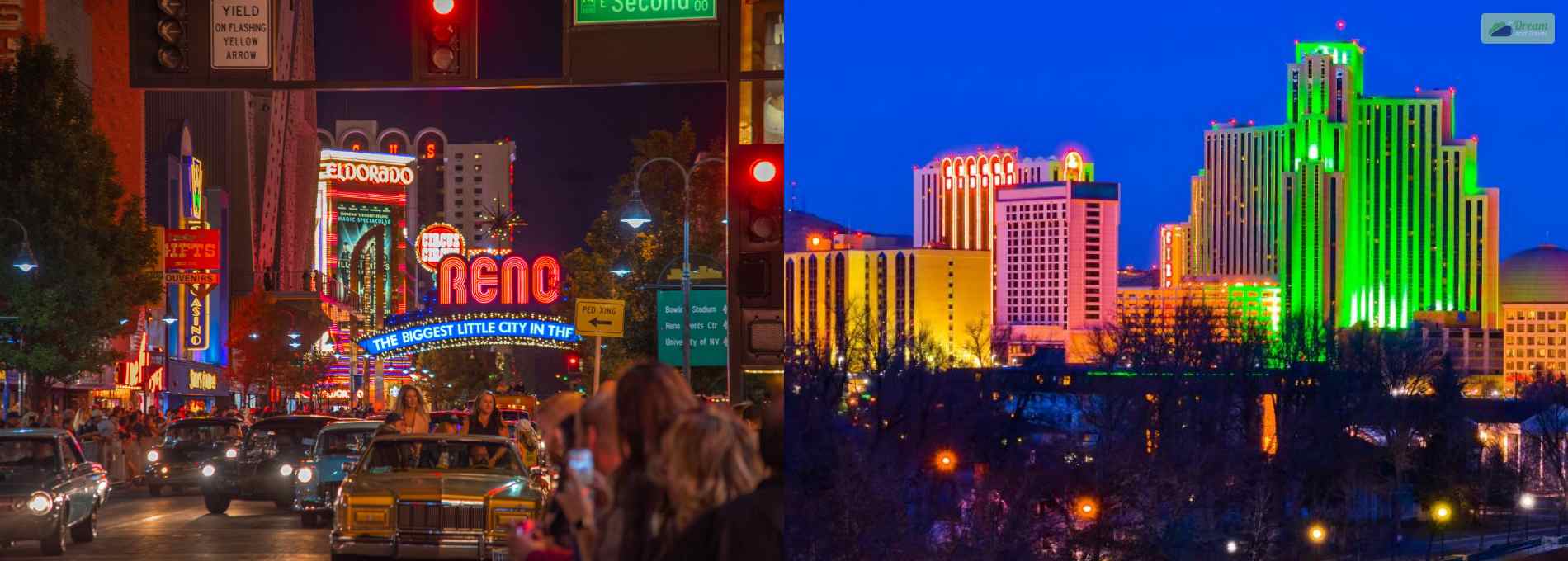
Ultimately, the choice between Reno and Las Vegas, or a trip combining both, comes down to your personal travel style and what kind of Nevada experience you’re seeking. Whether it’s the high-octane energy of Las Vegas, the outdoor charm of Reno, or the vast beauty of the desert in between, Nevada promises a journey filled with discovery.
LifeOutOfTheBox is a participant in the Amazon Services LLC Associates Program, an affiliate advertising program designed to provide a means for sites to earn advertising fees by advertising and linking to Amazon.com. Amazon, the Amazon logo, AmazonSupply, and the AmazonSupply logo are trademarks of Amazon.com, Inc. or its affiliates. As an Amazon Associate we earn affiliate commissions from qualifying purchases.