
Navigating the distances between Michigan’s prominent cities is a common query for travelers, whether for business, leisure, or family visits. The journey between the bustling metropolis of Detroit and the historic, industrially significant city of Saginaw is a frequently traveled route within the state. Understanding this distance, along with the various modes of transit available, is crucial for efficient travel planning.
The approximate driving distance from downtown Detroit to downtown Saginaw is typically around 95 to 105 miles (153 to 169 kilometers), depending on the exact starting and ending points within each city. This relatively moderate distance makes the two cities accessible to one another for day trips, weekend getaways, or regular commutes. The travel time, however, can fluctuate significantly based on traffic conditions, chosen route, and mode of transportation. For most travelers, the drive is the preferred and most practical option, usually taking between 1 hour and 45 minutes to 2 hours and 30 minutes.

The Primary Arterial: Driving from Detroit to Saginaw
The most common and flexible way to travel between Detroit and Saginaw is by car. This route offers unparalleled freedom to depart and arrive on one’s own schedule, with the added benefit of being able to explore points of interest along the way. The journey predominantly utilizes a major interstate highway, making for a relatively straightforward drive.
Navigating the Route: Interstate 75
The primary thoroughfare connecting Detroit and Saginaw is Interstate 75 (I-75). This north-south highway serves as a vital artery for travel throughout Michigan and beyond. From downtown Detroit, travelers typically begin by heading north on M-10 (John C. Lodge Freeway) or other connecting routes to access I-75 North. Once on I-75 North, the route is generally direct, taking travelers through several notable areas before reaching Saginaw.
The journey on I-75 is characterized by well-maintained roadways, though like any major highway, it is subject to construction activities, particularly during the warmer months. Travelers should anticipate varying speed limits, with the majority of the interstate allowing for speeds of 70 mph (113 km/h). As one approaches Saginaw, specific exits will lead directly into the city center or its surrounding communities, such as Saginaw Charter Township or Frankenmuth if diverting slightly east.
Traffic Considerations and Peak Travel Times
While the physical distance is manageable, traffic congestion can significantly impact travel times, especially when departing Detroit. The metropolitan area experiences heavy rush hour traffic, typically from 6:30 AM to 9:00 AM and again from 3:30 PM to 6:30 PM on weekdays. Traveling outside these peak hours can substantially reduce transit time and improve the overall driving experience. Weekends generally offer clearer roadways, though holiday weekends can see increased volumes of recreational traffic heading north.
Utilizing real-time navigation applications is highly recommended to monitor traffic conditions, identify potential delays, and even suggest alternative routes, though for this specific corridor, I-75 remains the most efficient choice. Factors such as accidents, construction zones, or severe weather conditions can also necessitate adjustments to travel plans. Michigan winters can bring snow and ice, potentially slowing down travel considerably, making proper vehicle preparation and cautious driving essential.
Alternative Transportation Methods
While driving remains the most popular choice, other transportation options are available for those who prefer not to drive or are seeking different travel experiences. These alternatives offer varying degrees of convenience, cost, and travel duration.
Bus Services: A Cost-Effective Option
Intercity bus services provide a viable and often more economical alternative to driving. Companies like Greyhound and regional operators such as Indian Trails offer routes connecting Detroit and Saginaw. These services typically depart from major transportation hubs in Detroit, such as the Greyhound Bus Terminal downtown, and arrive at designated stops in Saginaw.
Bus travel times can range from 2 hours to 3 hours and 30 minutes, depending on the specific route, number of stops, and traffic conditions. While generally longer than direct driving, bus services allow passengers to relax, work, or enjoy the scenery without the stress of navigating traffic. They also represent an environmentally friendlier option and eliminate concerns about parking upon arrival. Fares vary based on booking in advance, time of year, and promotional offers, but are generally budget-friendly.
Considerations for Rail and Air Travel
For the distance between Detroit and Saginaw, rail and air travel are generally not practical or efficient options for direct transit.
- Rail Travel: Amtrak does not offer a direct rail line connecting Detroit to Saginaw. While Detroit is a stop on the Wolverine Service, which travels to Chicago, and other lines connect to the state’s western side, there is no convenient rail link directly northward to Saginaw. Any rail-based journey would likely involve significant detours and transfers, making it far less efficient than driving or taking a bus.
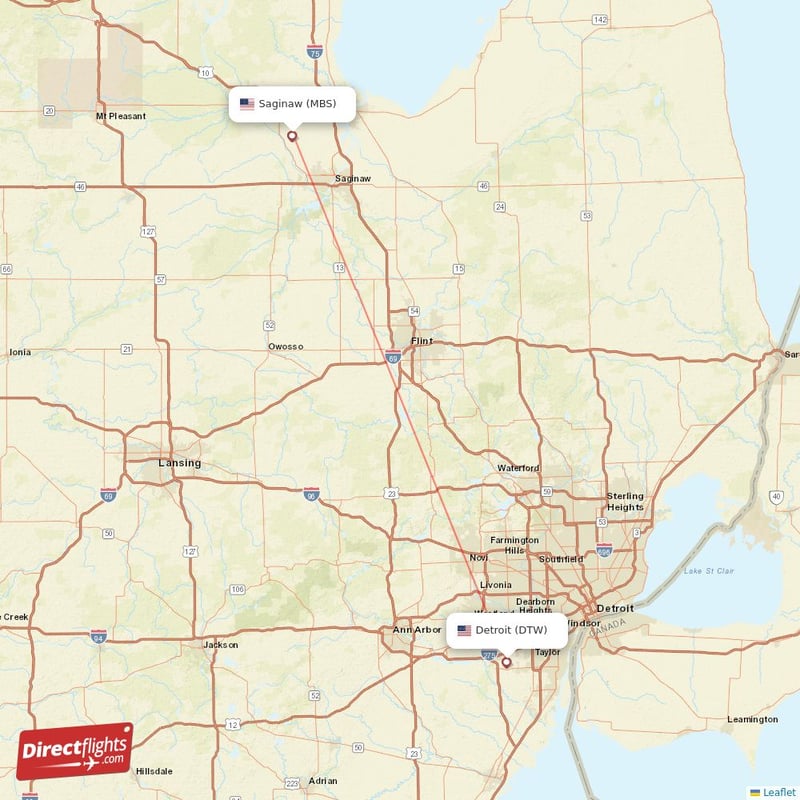
- Air Travel: The short distance also renders commercial air travel impractical. The time spent traveling to and from airports, checking in, and waiting for flights would far exceed the actual flight duration, making it a far more time-consuming and expensive option. Detroit Metropolitan Wayne County Airport (DTW) is a major international hub, but direct flights to smaller regional airports near Saginaw, such as MBS International Airport (located between Midland, Bay City, and Saginaw), are rare or non-existent for this specific intra-state route. If one were to consider flying, it would necessitate multiple connections and would be prohibitively expensive and inefficient.
Enhancing the Journey: Stops and Practical Advice
For those opting to drive, the route along I-75 offers opportunities to break up the drive and experience some of Michigan’s diverse communities. Planning these stops can transform a simple commute into a more engaging travel experience.
Points of Interest Along the Way
The drive from Detroit to Saginaw takes travelers through several notable areas:
- Flint: Approximately halfway between Detroit and Saginaw, the city of Flint offers cultural attractions such as the Flint Cultural Center and historical insights into its automotive heritage. It serves as a natural midpoint for a brief stretch and refresh stop.
- Birch Run: Slightly north of Flint is Birch Run, renowned for the Birch Run Premium Outlets. This large outdoor shopping center is a popular destination for bargain hunters and a convenient place to stretch legs, grab a meal, or even do some retail therapy.
- Rest Areas and Service Plazas: Numerous well-maintained rest areas and service plazas are situated along I-75, offering facilities for refueling, restrooms, and quick snacks. These are essential for longer drives, ensuring drivers remain alert and refreshed.
Essential Travel Tips for a Smooth Trip
To ensure a hassle-free journey between Detroit and Saginaw, consider these practical tips:
- Vehicle Check: Before embarking on the drive, ensure your vehicle is in good working condition. Check tire pressure, fluid levels, and ensure your navigation system is updated.
- Fuel Up: While gas stations are plentiful along I-75, it’s wise to start with a full tank, especially if planning to detour or travel during off-peak hours when some stations might have limited services.
- Entertainment: Prepare a playlist, podcast, or audiobook to make the journey more enjoyable. For families, having entertainment for passengers is key to a peaceful trip.
- Emergency Kit: Especially during colder months, an emergency kit containing blankets, water, non-perishable food, a flashlight, and jumper cables can be invaluable.
- Weather Awareness: Check the weather forecast for both Detroit and Saginaw, as conditions can vary across Michigan. Adjust your departure time or route if severe weather is anticipated.
- Break Regularly: For safety and comfort, plan to take a 15-minute break every two hours of driving. This helps prevent driver fatigue and allows for a moment to refresh.
Choosing Your Mode of Travel: Factors to Consider
The decision between driving, taking the bus, or considering other less conventional methods for traveling from Detroit to Saginaw ultimately depends on individual priorities and circumstances.
Cost vs. Convenience
Driving offers the most convenience in terms of flexibility and directness, but it comes with the cost of fuel, potential wear and tear on a vehicle, and the mental effort of driving. Tolls are not a factor on this particular route in Michigan, but parking fees at your destination might be. Bus travel, conversely, is often more budget-friendly as it eliminates fuel costs and driving stress, but requires adherence to a fixed schedule and potentially less direct routes.
Group Size and Luggage
For solo travelers or those with minimal luggage, either driving or bus travel can be efficient. However, for families, larger groups, or individuals carrying significant luggage, driving offers superior flexibility and capacity. It allows for multiple stops, easier transport of belongings, and greater comfort for all passengers. Bus services typically have luggage restrictions, and while accommodating, might not be suitable for oversized items or numerous bags.

Flexibility and Schedule
If time is of the essence or if your schedule is unpredictable, driving provides unmatched flexibility. You can depart at any time, adjust your route on the fly, and make unscheduled stops as needed. Bus services operate on fixed schedules, which can be restrictive for spontaneous travel. While convenient for those who prefer to relax and let someone else handle the logistics, it demands pre-planning and adherence to departure and arrival times.
In conclusion, the journey from Detroit to Saginaw is a manageable trip, primarily by car, offering various ways to traverse the approximately 100-mile distance. With careful planning and consideration of the available options, travelers can ensure a smooth, efficient, and enjoyable experience between these two important Michigan cities.
LifeOutOfTheBox is a participant in the Amazon Services LLC Associates Program, an affiliate advertising program designed to provide a means for sites to earn advertising fees by advertising and linking to Amazon.com. Amazon, the Amazon logo, AmazonSupply, and the AmazonSupply logo are trademarks of Amazon.com, Inc. or its affiliates. As an Amazon Associate we earn affiliate commissions from qualifying purchases.