
The journey between Salt Lake City and Las Vegas is one of the most iconic road trips in the Western United States. Spanning the transition from the high-altitude alpine beauty of the Rocky Mountains to the sun-drenched expanse of the Mojave Desert, this route offers travelers a diverse tapestry of landscapes. Whether you are planning a quick weekend getaway to the “Entertainment Capital of the World” or a scenic exploration of the Great Basin, understanding the distance and the logistical nuances of the trip is essential for a smooth experience.
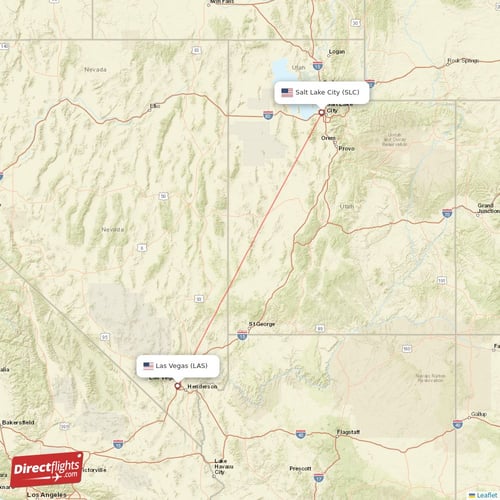
The drive is primarily a straight shot down a single major artery, but the miles between these two metropolitan hubs are filled with geological wonders, historical landmarks, and varying climates. For many, the question of “how far” isn’t just about the numerical mileage, but about the time, the effort, and the experiences waiting along the way.
Measuring the Distance: Miles, Time, and Terrain
When calculating the distance between Salt Lake City and Las Vegas, the most common route covers approximately 420 miles. For those traveling by car, this typically translates to a drive of six to seven hours, depending on traffic, weather, and how often you choose to stop. The entire journey is facilitated by Interstate 15, a massive highway that serves as the lifeblood of the Intermountain West.
The Interstate 15 Corridor
Interstate 15 is the primary path for this journey. Starting in Utah, the road leads you south through the Salt Lake Valley, passing through suburban sprawls and into more rugged, rural territory. The road is well-maintained and mostly features a speed limit of 75 to 80 miles per hour once you leave the urban centers of Salt Lake County.
However, travelers should be aware of the elevation changes. You begin at about 4,200 feet in Salt Lake City and eventually drop down to about 2,000 feet in Las Vegas. Along the way, you will cross several mountain passes that can reach much higher altitudes. This is particularly relevant during the winter months when snow can impact travel times significantly, especially near the Wasatch Mountains.
Air Travel: A Quicker Alternative
If the six-hour drive feels too long, flying is a highly efficient alternative. The flight time between Salt Lake City International Airport and Harry Reid International Airport is usually around 1 hour and 20 minutes. Several major carriers, including Delta Air Lines and Southwest Airlines, offer multiple daily non-stop flights. While flying saves time, you do miss out on the incredible transition of the Utah landscape, which many consider the highlight of the trip.
Top Destinations and Stops Along the Route
The drive from Salt Lake City to Las Vegas is far from a boring stretch of asphalt. It is punctuated by some of the most famous natural attractions in the country. To truly appreciate the distance, many travelers break the trip into segments, stopping at various points of interest.
Exploring Southern Utah’s Wonders
As you head south, Provo is the first major city you encounter. It sits at the base of the stunning Mount Timpanogos and is home to Brigham Young University. Continuing south, the scenery shifts from the lush greens of Northern Utah to the high-desert plateaus of the central part of the state.
A popular stop for families is the town of Beaver. Known for being the birthplace of the outlaw Butch Cassidy, it is perhaps more famous today for The Creamery, where travelers stop for fresh squeaky cheese curds and premium ice cream.
Further south lies Cedar City, often called the “Festival City” because of its famous Utah Shakespeare Festival. Cedar City is also a gateway to Cedar Breaks National Monument, a natural amphitheater that rivals the beauty of Bryce Canyon National Park.
The Red Rocks of St. George
About 300 miles into the trip, you arrive in St George. This city marks a dramatic change in the environment. The red sandstone cliffs begin to dominate the horizon, and the temperature typically rises by ten to fifteen degrees. St George is a destination in its own right, offering world-class golf and proximity to Snow Canyon State Park.

Most importantly, St George serves as the primary base for those visiting Zion National Park. Even if you don’t have time for a full hike at Angels Landing, the drive past the park’s entrance provides a glimpse of the majestic geology that makes this region famous.
Crossing Borders: Arizona and the Nevada Desert
The final leg of the journey takes you through a small corner of Arizona before crossing into Nevada. This segment contains some of the most visually stunning miles of the entire trip.
The Virgin River Gorge
One of the most expensive and impressive stretches of highway in the United States is the Virgin River Gorge. Located in the northwestern corner of Arizona, this section of Interstate 15 winds through towering limestone cliffs. The road follows the path of the Virgin River, and the sheer scale of the canyon walls is breathtaking. It is a reminder of the engineering marvels required to connect Salt Lake City to the desert southwest.
Entering the Neon Lights of Nevada
Once you emerge from the gorge, you enter Nevada. The first town you hit is Mesquite, a popular resort town for those who want a quieter gaming experience than what Las Vegas offers. Mesquite is home to several large resorts like CasaBlanca Resort.
From Mesquite, it is a final 80-mile stretch across the Mojave Desert. This area is largely uninhabited, offering vast views of desert flora and distant mountain ranges. Before reaching the city, many travelers take a slight detour to Valley of Fire State Park. Known for its bright red Aztec sandstone formations and ancient petroglyphs, it is the oldest state park in Nevada and provides a perfect final dose of nature before the neon lights of the Las Vegas Strip appear on the horizon.
Travel Planning and Preparation
Given the 420-mile distance and the varying environments, preparation is key to a successful trip between Salt Lake City and Las Vegas.
Seasonal Considerations
The time of year you choose to travel will significantly impact your experience. In the summer, the temperatures in Las Vegas and St George regularly exceed 100 degrees Fahrenheit. It is vital to ensure your vehicle’s cooling system is in top shape and that you carry plenty of water.
Conversely, winter travel requires a different kind of caution. The mountain passes near Cove Fort and Cedar City can become treacherous during snowstorms. The Utah Department of Transportation often implements traction laws during these times, meaning you may need four-wheel drive or snow tires to proceed safely.
Fuel and Logistics
While there are plenty of services along Interstate 15, there are a few stretches where gas stations are sparse. It is always wise to fuel up in larger hubs like Fillmore or St George. If you are driving an electric vehicle, the corridor is well-equipped with Tesla Supercharger stations and other fast-charging networks, particularly in Scipio, Beaver, and St George.

Conclusion: A Journey of Contrasts
Whether you are traveling for business, a family vacation, or a solo adventure, the distance between Salt Lake City and Las Vegas represents more than just a 420-mile gap. It is a journey through the heart of the American West. From the historic streets of Temple Square to the high-energy casinos like Bellagio Hotel and Casino, the two cities offer vastly different atmospheres connected by one of the most scenic highways in the nation.
By planning your stops at landmarks like Zion National Park or the Virgin River Gorge, you can turn a standard commute into a memorable travel experience. The drive allows you to witness the gradual change of the earth itself, moving from the granite peaks of the north to the red sands of the south, making every mile worth the trip.
LifeOutOfTheBox is a participant in the Amazon Services LLC Associates Program, an affiliate advertising program designed to provide a means for sites to earn advertising fees by advertising and linking to Amazon.com. Amazon, the Amazon logo, AmazonSupply, and the AmazonSupply logo are trademarks of Amazon.com, Inc. or its affiliates. As an Amazon Associate we earn affiliate commissions from qualifying purchases.