
The journey between Salt Lake City and Las Vegas is one of the most iconic traverses in the American West. Spanning the transition from the high-altitude, mountain-ringed valleys of northern Utah to the neon-lit basins of the Mojave Desert in Nevada, this route offers travelers a profound look at the geographical diversity of the United States. Whether you are planning a rapid commute for business or a leisurely road trip through some of the world’s most famous landscapes, understanding the distance, timing, and logistical options is essential for a successful trip.
Mapping the Distance: Road and Air Logistics
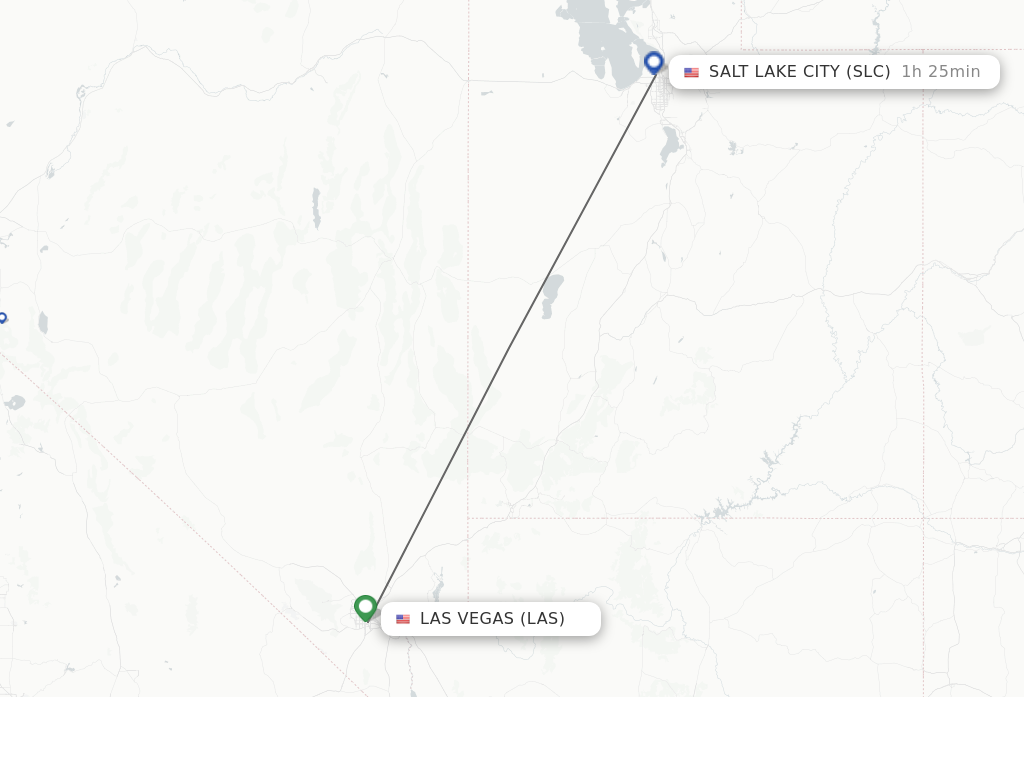
When asking how far Salt Lake City is from Las Vegas, the answer depends largely on your mode of transport and your specific destination within each metropolitan area. Geographically, the two cities are separated by a straight-line distance of approximately 360 miles. However, travel is rarely a straight line across the rugged terrain of the Great Basin.
The Driving Route via Interstate 15
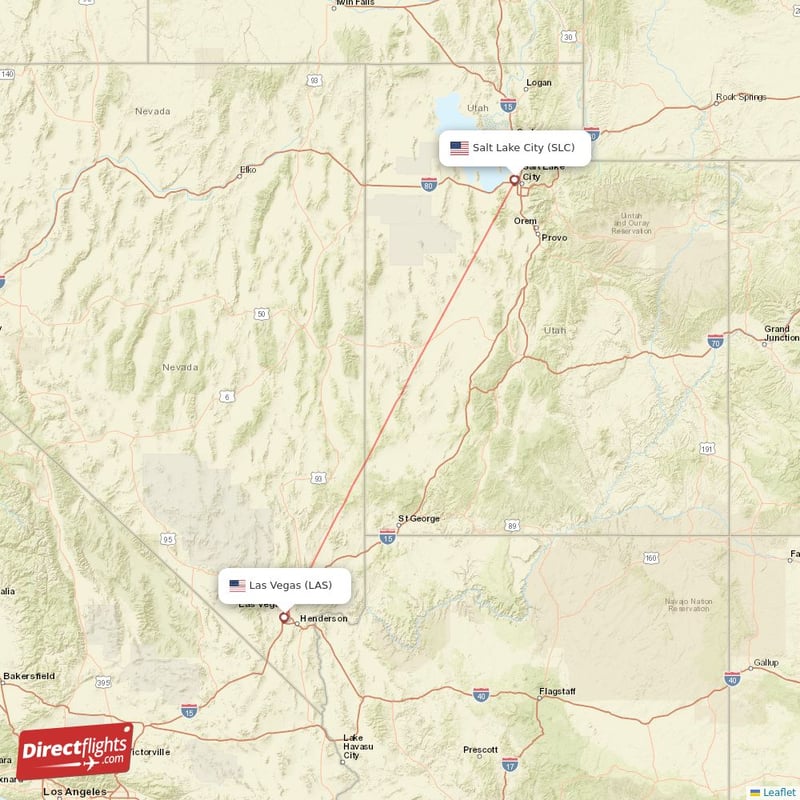
For the vast majority of travelers, the journey is defined by Interstate 15. This major highway serves as the primary artery connecting the Wasatch Front to the Southwest. By road, the distance is roughly 420 miles. Under ideal conditions, a non-stop drive takes between 5.5 and 6.5 hours.
The drive begins in the shadows of the Wasatch Range, passing through the suburban corridors of Provo and Orem. As you move south, the landscape opens into vast agricultural valleys and high-desert plains. The route is well-maintained, but travelers should be aware of significant elevation changes. You will descend from the relatively high elevation of Salt Lake City (4,226 feet) toward the much lower, hotter environment of Las Vegas (2,001 feet), which can impact vehicle performance and fuel efficiency.
Flying Between the Hubs
If time is of the essence, flying is a highly efficient alternative. A direct flight from Salt Lake City International Airport to Harry Reid International Airport typically lasts about 1 hour and 20 minutes. When you factor in airport security, boarding, and transit to and from the terminals, the total travel time usually averages around 3.5 to 4 hours.
Both Delta Air Lines, which operates a major hub in Utah, and Southwest Airlines offer frequent daily departures. From the air, the distance feels negligible, but the view provides a spectacular perspective of the Grand Staircase-Escalante National Monument and the shimmering expanse of Lake Mead as you descend into Nevada.
The Road Trip Experience: Essential Waypoints
While the drive can be done in a single afternoon, many travelers choose to turn the 420-mile stretch into a multi-day exploration. The corridor between these two cities contains a density of natural wonders and charming small towns that are hard to find elsewhere in North America.
Midpoint Breaks: Beaver and Fillmore
Roughly two to three hours into the drive from Salt Lake City, you will encounter the historic towns of Fillmore and Beaver. Fillmore was once the territorial capital of Utah, and the Territorial Statehouse State Park Museum offers a quick and insightful history lesson. Beaver is a legendary pit stop for road trippers, famous for its locally produced cheeses at the The Creamery. These stops provide essential fuel, food, and a chance to stretch your legs before the landscape begins its dramatic shift into red rock country.
The Gateway to Adventure: St. George
As you approach the southern border of Utah, the gray mountains give way to the fiery crimson cliffs of St. George. This city serves as the perfect base camp for those wanting to detour into Zion National Park. Located only 45 minutes from Interstate 15, Zion National Park is world-renowned for its massive sandstone cliffs and the adventurous Angels Landing hike.
Even if you don’t have time for a full national park visit, a quick drive through Snow Canyon State Park in Ivins offers a stunning display of lava flows and red sand dunes that rival the beauty of the larger parks. St. George represents the final major metropolitan area before the final push into the desert.
Navigating the Final Stretch: From the Gorge to the Neon
The final 120 miles of the journey from St. George to Las Vegas are perhaps the most visually striking. This segment takes you through a brief corner of Arizona and deep into the heart of the desert.
The Virgin River Gorge
One of the most engineering-intensive sections of the Interstate Highway System is the Virgin River Gorge. For about 30 miles, the road winds through narrow limestone canyons carved by the Virgin River. The towering walls and tight curves are breathtaking, but they require focused driving, especially for those towing trailers or driving large recreational vehicles. This passage through Arizona is a transition zone where the Colorado Plateau meets the Mojave Desert.
Entering Nevada via Mesquite
After exiting the gorge, the road flattens out as you enter Nevada. The first city you encounter is Mesquite, a popular destination for golfers and those looking for a quieter resort experience than what The Strip offers. From Mesquite, it is a straight, 80-mile shot through the desert to Las Vegas.
Before reaching the city, many travelers opt for a detour to Valley of Fire State Park. Known for its ancient petroglyphs and vibrant Aztec Sandstone formations, it provides a serene, natural counterpoint to the impending sensory overload of the city. As you crest the final rise, the skyline of Las Vegas appears like a mirage against the backdrop of the Spring Mountains.
Seasonal Considerations and Travel Tips
Traveling between Salt Lake City and Las Vegas requires an understanding of the vastly different climates of the two regions. Because of the distance and the geography, you can easily experience four seasons in a single six-hour drive.
Winter Hazards and Summer Heat
During the winter months, the northern half of the route near Salt Lake City and the high passes near Cedar City are prone to heavy snowfall and ice. It is not uncommon for Interstate 15 to face temporary closures or require snow tires and chains. Conversely, while Salt Lake City might be a comfortable 70 degrees in the spring, Las Vegas can already be pushing past 90 degrees.
In the summer, the southern portion of the drive involves extreme heat. It is vital to ensure your vehicle’s cooling system is in top condition and that you carry extra water. The stretch of road through the Mojave Desert has limited services for long stretches, making preparation a priority.
Optimal Travel Times
To avoid the heaviest traffic, try to avoid leaving Salt Lake City on Friday afternoons or returning from Las Vegas on Sunday afternoons. These times see a massive influx of “weekend warriors” moving between the two cities, which can add hours to the driving time. Mid-week travel offers the smoothest experience, allowing you to maintain a steady pace and enjoy the scenic pull-offs without the crowds.

Conclusion: A Journey of Contrasts
Whether you measure the distance by the 420 miles of pavement on Interstate 15 or the 80-minute flight time, the gap between Salt Lake City and Las Vegas is more than just a numerical value. It is a transition between two different worlds. One city is defined by its pioneer history, the Great Salt Lake, and world-class skiing at resorts like Snowbird. The other is a global capital of entertainment, luxury, and desert beauty.
For the traveler, this route is a quintessential American experience. By choosing to drive, you witness the slow unfolding of the earth’s crust, the change in flora from sagebrush to Joshua trees, and the architectural shift from the spires of Temple Square to the pyramids of the Luxor Hotel. Regardless of how you choose to cover the distance, the trip from Utah to Nevada remains one of the most rewarding journeys in the West.
LifeOutOfTheBox is a participant in the Amazon Services LLC Associates Program, an affiliate advertising program designed to provide a means for sites to earn advertising fees by advertising and linking to Amazon.com. Amazon, the Amazon logo, AmazonSupply, and the AmazonSupply logo are trademarks of Amazon.com, Inc. or its affiliates. As an Amazon Associate we earn affiliate commissions from qualifying purchases.