
The vast expanse of Texas offers a rich tapestry of landscapes, cultures, and experiences. For travelers and residents alike, understanding the distances between major cities is fundamental to planning any journey. This exploration focuses on the significant distance separating two prominent Texan metropolises: San Antonio and El Paso. Spanning hundreds of miles across the heart of the Lone Star State, this journey is more than just a measurement of mileage; it’s an invitation to discover the diverse geography and potential routes that connect these two dynamic urban centers. Whether you are considering a road trip, a business venture, or simply curious about the state’s scale, grasping the geographical relationship between San Antonio and El Paso is key to appreciating the breadth of Texas.
Understanding the Distance: Driving, Flying, and the Landscape in Between
The most common way to traverse the distance between San Antonio and El Paso is by car. This route takes travelers across a significant portion of Texas, showcasing a variety of terrains and allowing for a more intimate experience of the state’s grandeur.
The Driving Experience
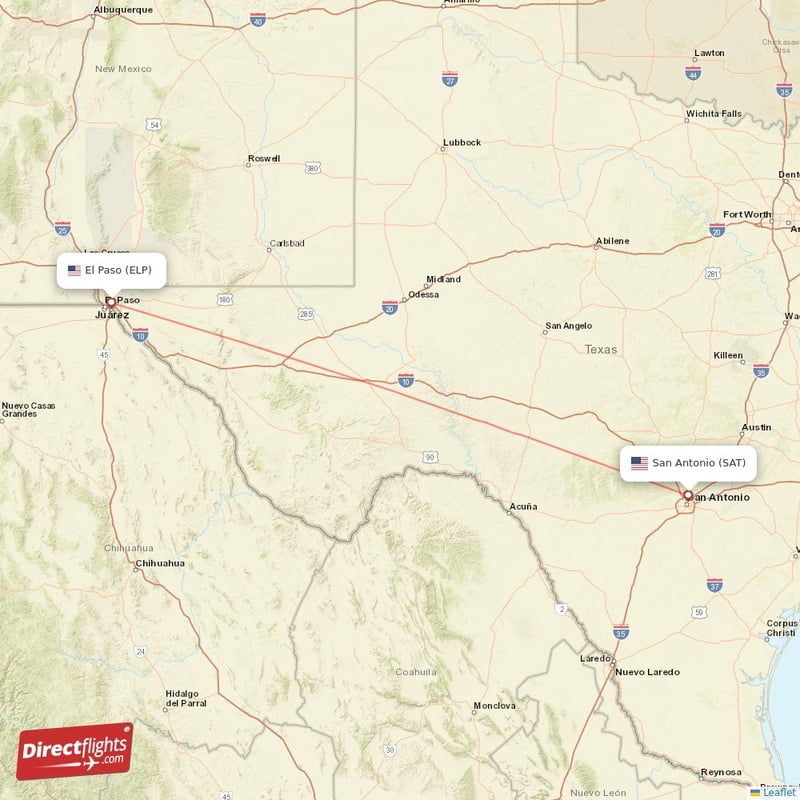
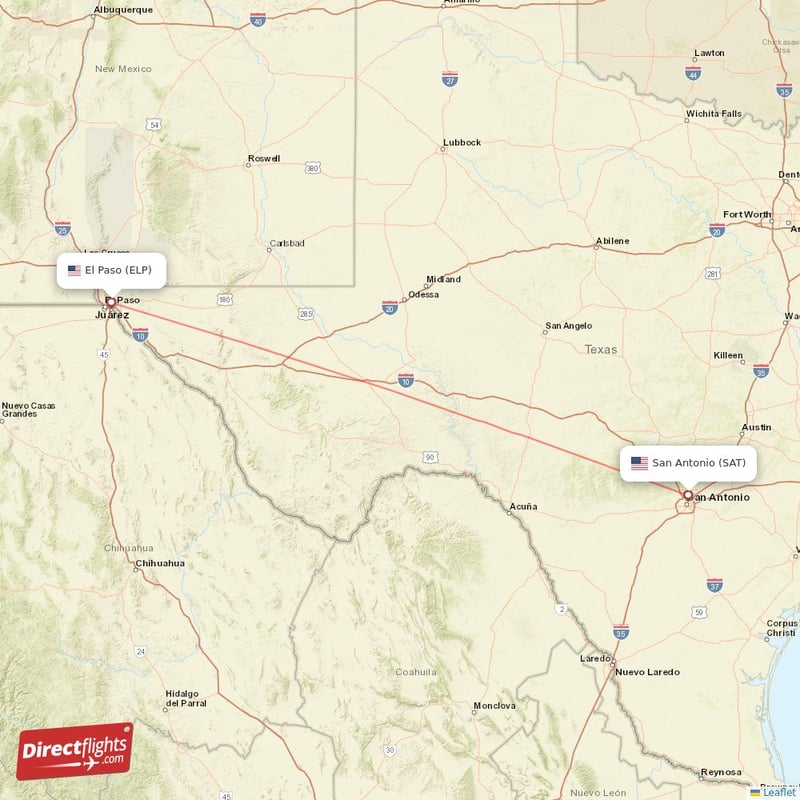
By road, the distance between San Antonio and El Paso is approximately 570 to 600 miles, depending on the specific route taken. The most direct and commonly used highway is Interstate 10 (I-10), which stretches from coast to coast and serves as a major artery connecting these two cities. The drive typically takes around 8 to 9 hours of pure driving time, not including stops for fuel, food, or rest. This is a considerable commitment, highlighting the sheer size of Texas.
Key Routes and Considerations
- I-10 West: This is the primary route. Departing San Antonio, you will head west on I-10. The landscape gradually shifts from the rolling hills and brush country of Central Texas to the flatter, more arid plains as you approach West Texas. Major towns and cities you will pass through include Junction, Fort Stockton, and Kermit (though Kermit is slightly north of the most direct I-10 route, it’s often considered in broader travel discussions of West Texas). The scenery becomes increasingly dramatic as you get closer to El Paso, with the Franklin Mountains becoming visible on the horizon.
- Road Conditions and Services: I-10 is generally well-maintained and offers numerous exits with services. However, there are long stretches in West Texas where towns are spaced further apart, and gas stations and restaurants can be scarce. It is crucial to plan your fuel stops and ensure you have adequate supplies, especially if traveling at night or during extreme weather conditions.
- Time Zones: Both San Antonio and El Paso observe Central Time and Mountain Time, respectively. While El Paso is in the Mountain Time Zone, most of the driving from San Antonio occurs within the Central Time Zone. Travelers will “lose” an hour when crossing into the Mountain Time Zone as they approach El Paso.
The Flying Option
For those seeking to minimize travel time, flying is a practical alternative. The distance between San Antonio and El Paso makes air travel a popular choice for both business and leisure.
Airports and Flight Details
- Airports: San Antonio International Airport (SAT) serves the San Antonio metropolitan area, while El Paso International Airport (ELP) is the primary airport for El Paso.
- Flight Duration: Direct flights between San Antonio and El Paso are typically around 1 hour and 30 minutes to 1 hour and 45 minutes.
- Connectivity: While direct flights are available, options may vary depending on the airline and day of the week. It is advisable to check flight schedules in advance.
- Total Travel Time: When factoring in travel to and from airports, security checks, boarding, and potential delays, the total travel time for a flight can easily rival or exceed a significant portion of the driving time, especially for shorter distances. However, for longer distances like this, flying generally saves a substantial amount of time.
The Geography and Landscape of the Journey
The route between San Antonio and El Paso is a journey through some of Texas’s most iconic and diverse landscapes. Understanding this progression adds a layer of appreciation to the travel experience.
From Hill Country to Desert
- Central Texas: The journey begins in the environs of San Antonio, which lies within the fringes of the Texas Hill Country. This region is characterized by rolling hills, live oak trees, and limestone formations. As you head west on I-10, the terrain becomes more open, with ranch land and scattered mesquite trees becoming prevalent.
- West Texas Aridity: As you move further west, the landscape transforms dramatically. The vegetation thins, and the environment becomes increasingly arid. This is the vast expanse of West Texas, known for its high plains, wide-open skies, and rugged beauty. The elevation gradually increases as you approach El Paso, which sits at the western tip of the state.
- The Franklin Mountains: The arrival in El Paso is marked by the imposing presence of the Franklin Mountains, which form a dramatic backdrop to the city. These mountains are part of the Chihuahuan Desert mountain range and offer a stark contrast to the flatter terrain of the preceding miles.
Points of Interest Along the Way
While the primary focus is the distance, the journey itself can be punctuated by interesting stops and observations.
- Kerrville and Junction: These are smaller towns offering a glimpse into Central Texas living. They provide necessary amenities for travelers.
- Fort Stockton: A historic frontier town, Fort Stockton was established as a military post in the mid-19th century. It offers a brief window into the region’s past.
- The Davis Mountains: While slightly north of the direct I-10 route, the Davis Mountains State Park is a significant natural attraction in the West Texas region and is accessible with a detour. It offers stunning vistas and hiking opportunities in a more mountainous desert environment.
- The Permian Basin: As you traverse this area, you are passing through the heart of the Permian Basin, a major oil-producing region. The landscape here is often dotted with oil rigs and related infrastructure, a testament to the economic importance of this area.
- Guadalupe Mountains National Park: For the truly adventurous, a detour to Guadalupe Mountains National Park is a must. Home to Guadalupe Peak, the highest point in Texas, this park offers spectacular hiking and geological wonders. It is located relatively close to El Paso along I-10.
Planning Your Trip: Travel Times and Practicalities
Whether you choose to drive or fly, understanding the practical aspects of traveling between San Antonio and El Paso is essential for a smooth and enjoyable journey.
Driving: Time, Stops, and Overnight Stays
- Estimated Driving Time: As mentioned, the direct driving time is approximately 8 to 9 hours. However, this is without any stops.
- Realistic Travel Time: For most travelers, a realistic total travel time, including refueling, meals, and short breaks, would be closer to 10 to 12 hours.
- Overnight Options: Given the length of the drive, many people opt to break the journey with an overnight stay. Popular choices for a midpoint stop include towns like Fort Stockton or Ozona, which offer hotels and amenities. This transforms the journey into a two-day experience, allowing for a more relaxed pace and potentially a chance to explore a stopover town.
- Vehicle Preparation: Ensure your vehicle is in good condition, with properly inflated tires, sufficient oil, and a full tank of gas before embarking on this long drive. Carry an emergency kit, water, and snacks, especially for the stretches with fewer services.
Flying: Booking and Airport Logistics
- Booking Flights: It is advisable to book flights between San Antonio and El Paso in advance, especially during peak travel seasons, to secure the best fares and ensure availability.
- Airport Transportation: Once you land at El Paso International Airport (ELP), you will need transportation to your final destination in El Paso. Options include rental cars, taxis, rideshare services, and airport shuttles. Similarly, from San Antonio International Airport (SAT), you’ll need to arrange transport into the city.
- Baggage Restrictions: Be mindful of airline baggage restrictions for both carry-on and checked luggage.
The Significance of the Distance: Connecting Two Worlds
The considerable distance between San Antonio and El Paso underscores the immense geographical scale of Texas. These are two distinct regions with unique histories, cultures, and economic drivers.
Cultural and Economic Differences
- San Antonio: Known for its rich Hispanic heritage, vibrant arts scene, and historic landmarks like The Alamo and the River Walk, San Antonio offers a more humid, subtropical climate and is a hub for tourism, military presence, and healthcare.
- El Paso: Situated on the border with Mexico, El Paso boasts a strong Mexican-American culture and a unique blend of Texan and Southwestern influences. Its economy is driven by international trade, manufacturing, and military activities. The climate is arid and desert-like, with distinctively different flora and fauna.
- Bridging the Divide: The journey across the state serves as a physical representation of the cultural and geographical diversity within Texas. It highlights how a single state can encompass such varied environments and peoples.

Travel as a Connector
The challenge of distance between San Antonio and El Paso makes travel between them a deliberate act, fostering an appreciation for the state’s breadth and the distinct identities of its major cities. Whether for business, family, or exploration, understanding this geographical span is key to navigating and experiencing the full spectrum of what Texas has to offer. The drive, with its changing vistas, or the swift flight, offers two distinct yet equally valid ways to bridge the approximately 600 miles that separate these two vital Texan metropolises.
LifeOutOfTheBox is a participant in the Amazon Services LLC Associates Program, an affiliate advertising program designed to provide a means for sites to earn advertising fees by advertising and linking to Amazon.com. Amazon, the Amazon logo, AmazonSupply, and the AmazonSupply logo are trademarks of Amazon.com, Inc. or its affiliates. As an Amazon Associate we earn affiliate commissions from qualifying purchases.