
The vibrant Texas landscape is home to two of its most iconic cities: Austin, the self-proclaimed “Live Music Capital of the World,” and San Antonio, a city rich in history and culture. For travelers planning an adventure through the Lone Star State, understanding the proximity and travel options between these two dynamic destinations is often the first step. Whether you’re a history buff eager to explore colonial missions, a foodie seeking authentic Tex-Mex, or a music lover ready to dance the night away, a trip encompassing both Austin and San Antonio promises an unforgettable experience. This article will delve into the distance separating these cities, the best ways to traverse it, and what awaits you in each unique urban center, covering everything from travel logistics and accommodation to must-see landmarks and local lifestyles.
The Distance and Your Travel Options
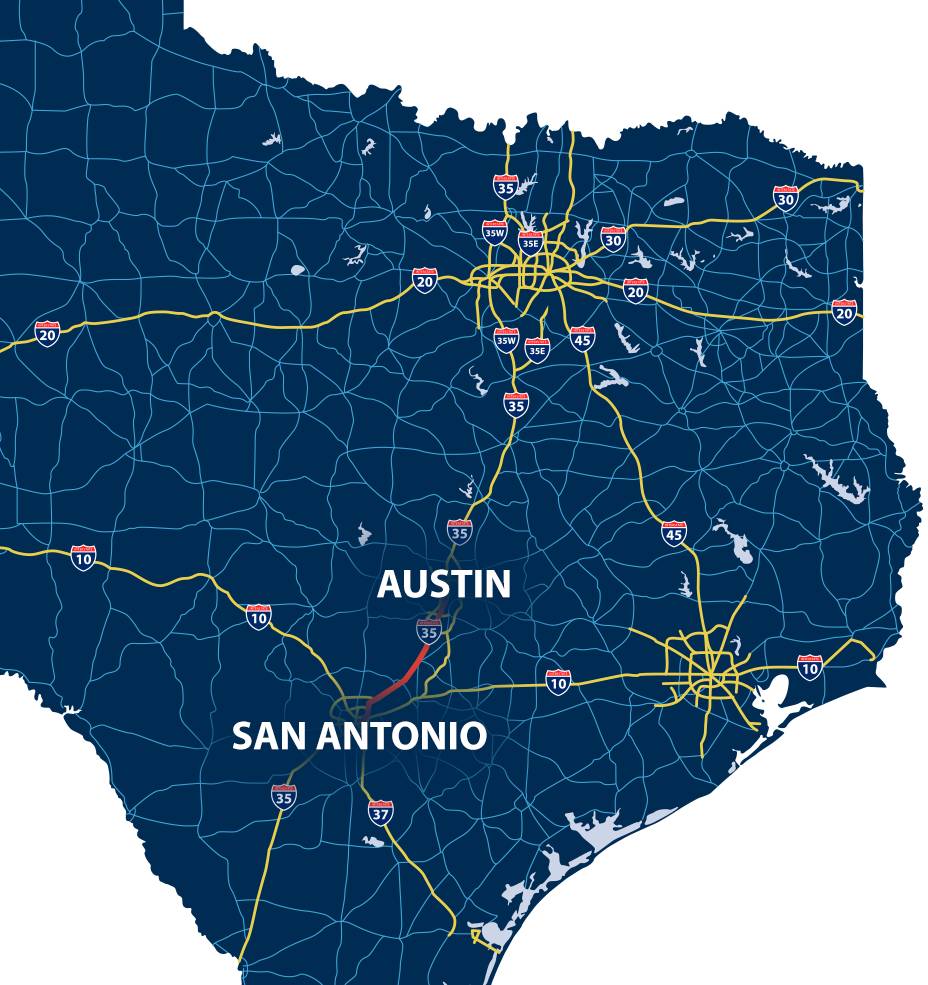
The good news for eager travelers is that Austin and San Antonio are relatively close, making a combined visit highly feasible and popular. The typical distance between the two cities is approximately 80 miles (about 129 kilometers) when traveling by road. This short distance means that day trips are possible, though staying a few nights in each city is highly recommended to fully immerse yourself in their distinct atmospheres.
Driving the Texas Interstate
Driving is by far the most popular and convenient way to travel between Austin and San Antonio. The primary route is via Interstate 35 (I-35), a major north-south highway that connects many of Texas’s largest cities. Under normal traffic conditions, the drive typically takes between 1 hour and 15 minutes to 1 hour and 45 minutes. However, it’s crucial to account for potential traffic, especially during peak commute hours (morning and late afternoon on weekdays) and on weekends, when many locals are also traveling between the cities or through them. I-35 can become particularly congested in urban areas, so planning your departure outside these times can save considerable travel time.
For those embarking on a road trip, renting a car offers maximum flexibility, allowing you to stop at charming towns or roadside attractions along the way, such as San Marcos or New Braunfels, both popular for their river activities and outlet shopping. Car rental agencies are readily available at both Austin-Bergstrom International Airport (AUS) and San Antonio International Airport (SAT), as well as within each city.
Alternative Transportation: Buses and Ride-Shares
If driving yourself isn’t an option or you prefer to relax and let someone else handle the wheel, several intercity bus services operate between Austin and San Antonio. Companies like Greyhound and Megabus offer frequent, affordable routes. Bus journeys typically take a bit longer than driving, usually around 1.5 to 2.5 hours, depending on the number of stops and traffic conditions. This can be a cost-effective choice for budget travelers or those looking to avoid parking fees in the city centers.
Ride-sharing services like Uber and Lyft are also readily available in both cities. While more expensive than a bus ticket, they offer door-to-door convenience, which can be particularly appealing for business travelers or those with luggage. The cost will vary based on demand and time of day but expect it to be significantly higher than a bus ticket, making it more practical for groups sharing the fare. Train travel via Amtrak is an option, but it’s often slower and less direct than buses or driving for this specific route, making it a less popular choice for this particular journey.
Exploring Austin: The Live Music Capital of the World
Austin embodies a unique blend of vibrant culture, innovative cuisine, and a laid-back, “keep Austin weird” ethos. As the capital city of Texas, it serves as a hub for government, technology, and, of course, live music. A visit here promises a dynamic urban experience contrasted with abundant outdoor activities.
Austin’s Iconic Landmarks and Attractions
Any trip to Austin should include a visit to the magnificent Texas State Capitol. This National Historic Landmark, taller than the United States Capitol building, offers free tours that provide insight into Texas’s rich political history and stunning architecture.
For nature lovers and those seeking respite from the Texas heat, Barton Springs Pool in Zilker Park is a must-visit. This natural spring-fed pool maintains a refreshing 68-70 degrees Fahrenheit year-round, making it a perfect spot for a swim. Zilker Park itself is a vast urban oasis, home to botanical gardens, a nature center, and the site of many festivals.
No discussion of Austin would be complete without mentioning its legendary live music scene. From the historic venues on Sixth Street to the more eclectic sounds of Red River Cultural District or the upscale offerings along South Congress Avenue (SoCo), there’s a performance for every taste almost any night of the week. Don’t miss the famous bat exodus from under the Ann W. Richards Congress Avenue Bridge at dusk during warmer months – it’s a truly unique Austin spectacle. The scenic Lady Bird Lake offers opportunities for kayaking, paddleboarding, and a picturesque hike-and-bike trail. Meanwhile, the sprawling campus of the University of Texas at Austin is a landmark in itself, with impressive architecture and a vibrant collegiate atmosphere. For those seeking even more water activities, Lake Austin and Lake Travis offer boating, fishing, and watersports just a short drive from downtown.

Where to Stay: Austin Accommodation Guide
Austin offers a diverse range of accommodations to suit every budget and travel style. For a luxurious stay, consider hotels like The Driskill Hotel, a historic landmark with opulent interiors, or the modern W Austin, known for its vibrant atmosphere and central location. Boutique hotels are particularly popular, with the South Congress Hotel offering stylish rooms and proximity to trendy shops and eateries.
Mid-range options are plentiful around the downtown area, near the University of Texas at Austin, and in various neighborhoods. For budget travelers, hostels and more economical hotels can be found further from the immediate downtown core but still within easy reach via public transport or ride-shares. When booking, consider proximity to the areas you plan to explore most, whether it’s the nightlife of Sixth Street, the charm of SoCo, or the green spaces around Zilker Park. Many hotels offer amenities like rooftop pools, live music venues, and pet-friendly policies, reflecting Austin’s unique lifestyle.
Austin’s Culinary and Lifestyle Scene
Austin’s food scene is as diverse as its music. From world-renowned BBQ joints like Franklin Barbecue (be prepared for a wait!) to an explosion of food trucks offering everything from gourmet tacos to Korean BBQ, there’s something to satisfy every craving. Tex-Mex is, of course, a staple, with numerous establishments serving up authentic flavors. The city also boasts an impressive array of farm-to-table restaurants, catering to a sophisticated palate.
The lifestyle in Austin is often described as energetic yet relaxed. Outdoor activities are a huge part of daily life, with hiking, biking, swimming, and paddleboarding being common pursuits. The city is also a hub for innovation and entrepreneurship, attracting a diverse population. This blend creates a unique cultural tapestry where high-tech professionals enjoy live music and outdoor adventures, all while embracing the city’s independent spirit. Austin offers a fantastic experience for solo travelers, couples, family trips, and business stays alike, making it a truly versatile destination.
Discovering San Antonio: A City Steeped in History
In stark contrast to Austin’s modern vibrancy, San Antonio offers a journey back in time, boasting a rich blend of Spanish colonial heritage, Texan independence history, and vibrant Mexican-American culture. It’s a city where every corner tells a story, making it a compelling destination for those interested in the historical fabric of the United States.
Must-Visit Landmarks in San Antonio
The quintessential San Antonio experience begins at The Alamo. This historic mission and fortress compound, the site of the pivotal 1836 Battle of the Alamo, stands as a symbol of Texan independence. Visitors can explore the grounds, museum, and chapel, gaining profound insight into a defining moment in American history.
Equally iconic is the San Antonio River Walk (Paseo del Río). This network of pedestrian walkways winds along the banks of the San Antonio River, lined with charming cafes, restaurants, shops, and hotels. Riverboat cruises offer a relaxing way to experience its beauty and learn about the city’s history and architecture. It’s a fantastic spot for a romantic evening stroll or a lively family dinner.
Beyond The Alamo, San Antonio is home to four other Spanish colonial missions: Mission San José, Mission Concepción, Mission Espada, and Mission San Juan. Together, these form the San Antonio Missions National Historical Park, a UNESCO World Heritage Site. Exploring these missions offers a deeper understanding of the Spanish influence in Texas and the evangelization efforts along the frontier of New Spain (which is now Mexico and the southwestern United States).
For more modern attractions, the Pearl District, a former brewery reborn as a vibrant culinary and cultural destination, is a must-visit. It boasts upscale restaurants, boutique hotels, and a bustling farmers market. Families might enjoy theme parks like Six Flags Fiesta Texas or SeaWorld San Antonio, located just outside the city center.

Accommodation Choices Along the San Antonio River Walk and Beyond
Accommodation in San Antonio caters to all preferences, with a strong emphasis on hotels located along or near the famous River Walk. Staying on the River Walk offers unparalleled access to attractions, dining, and the city’s romantic ambiance. Options range from luxurious resorts and full-service hotels like the Hyatt Regency San Antonio Riverwalk to more quaint, historic inns. The Hotel Emma in the Pearl District offers a unique luxury experience, blending industrial history with sophisticated design.
Away from the immediate downtown, you’ll find a wider array of budget-friendly hotels, especially near the airport or along major highways. For those seeking a resort experience with amenities like golf courses and expansive pools, the JW Marriott San Antonio Hill Country Resort & Spa offers a luxurious escape nestled in the scenic Texas Hill Country just north of the city. Whether you’re planning a luxury travel experience, a family trip, or a straightforward business stay, San Antonio has a comfortable and convenient place for you.
Immersing Yourself in San Antonio’s Culture and Cuisine
San Antonio’s cultural identity is deeply rooted in its blend of Texan and Mexican heritage. This is most evident in its cuisine, which boasts some of the most authentic Tex-Mex and traditional Mexican dishes in the USA. From bustling marketplaces like Market Square (El Mercado), where mariachi music fills the air and vendors sell traditional crafts, to fine dining establishments serving innovative interpretations of local flavors, food is central to the San Antonio experience. Be sure to try puffy tacos, enchiladas, and delicious margaritas.
The city also hosts numerous festivals and cultural events throughout the year, celebrating its diverse population and rich history. Exploring neighborhoods like Southtown, known for its art galleries and vibrant scene, allows visitors to delve deeper into the local culture. The slower pace, historic charm, and warm hospitality make San Antonio a captivating destination for those looking for a cultural immersion.
Making the Most of Your Texas Twin-City Adventure
Combining a visit to Austin and San Antonio offers an unparalleled Texas experience, showcasing the state’s vibrant diversity, from its live music scene and tech innovation to its profound historical roots and rich multicultural traditions.
Planning Your Itinerary
When planning your twin-city adventure, consider allocating at least 2-3 full days for each city to truly experience their unique offerings. Start by deciding which city aligns more with the beginning or end of your overall Texas itinerary. If flying in, both Austin-Bergstrom International Airport (AUS) and San Antonio International Airport (SAT) are well-connected.
A suggested itinerary might involve starting in Austin for a few days to enjoy its music, food trucks, and outdoor activities around Lady Bird Lake or Zilker Park. Then, drive or take a bus south on I-35 to San Antonio. Here, you can immerse yourself in history at The Alamo and the missions, stroll the enchanting River Walk, and savor the distinctive Tex-Mex cuisine. This order allows for a gradual transition from Austin’s contemporary energy to San Antonio’s’s historical charm.
Tips for a Seamless Journey
- Book Accommodation in Advance: Especially during peak season (spring and fall for Austin festivals, summer for San Antonio family visits), popular hotels and resorts can fill up quickly. Utilizing accommodation booking platforms and comparing reviews can help you find the perfect stay.
- Consider Transportation: While driving offers flexibility, remember to factor in parking costs, especially in downtown areas. For groups, ride-sharing might be cost-effective. For solo travelers on a budget, bus services are an excellent alternative.
- Embrace the Heat: Texas summers can be intensely hot. Pack light clothing, stay hydrated, and plan indoor activities or water-based excursions for the hottest parts of the day. Spring and fall offer milder temperatures, ideal for extensive outdoor exploration.
- Explore Local Culture: Beyond the main attractions, seek out local markets, neighborhood restaurants, and smaller music venues to truly experience the unique “local culture” of each city.
- Flexibility is Key: While having an itinerary is helpful, be open to spontaneous discoveries. Both cities have hidden gems waiting to be explored, from quirky boutique shops on SoCo to historic courtyards tucked away off the River Walk.
In conclusion, the distance between San Antonio and Austin is negligible when considering the wealth of experiences each city offers. This close proximity makes them perfect companions for a memorable Texas travel itinerary. By understanding your travel options, planning your stay, and embracing the distinct charm of each destination, you’re set for an incredible journey through the heart of the Lone Star State.
LifeOutOfTheBox is a participant in the Amazon Services LLC Associates Program, an affiliate advertising program designed to provide a means for sites to earn advertising fees by advertising and linking to Amazon.com. Amazon, the Amazon logo, AmazonSupply, and the AmazonSupply logo are trademarks of Amazon.com, Inc. or its affiliates. As an Amazon Associate we earn affiliate commissions from qualifying purchases.