
The stretch of coastline connecting Los Angeles and San Diego is one of California’s most iconic and frequently traveled routes. For anyone planning a trip to Southern California, understanding the distance and the best ways to traverse this vibrant corridor is essential. While the two cities are distinct in their character and appeal, they are close enough to be easily combined into a single, unforgettable itinerary, offering a diverse palette of experiences from star-studded glamour to laid-back beach life. Whether you’re a first-time visitor or a seasoned traveler, the journey between these metropolitan gems promises scenic views, cultural discoveries, and endless opportunities for adventure.
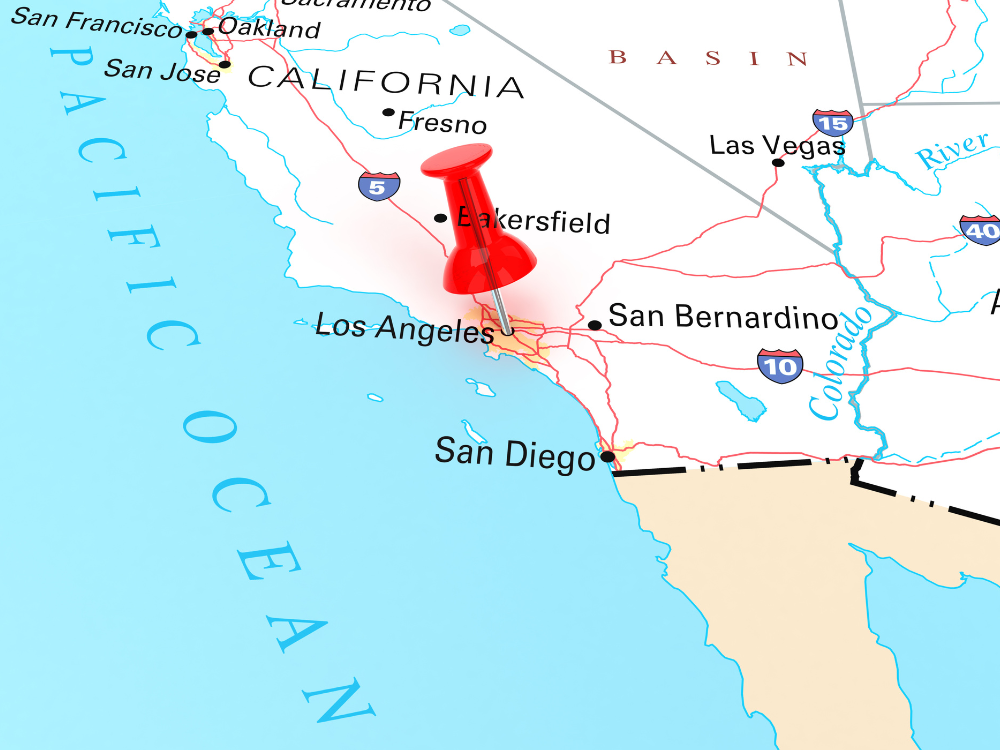
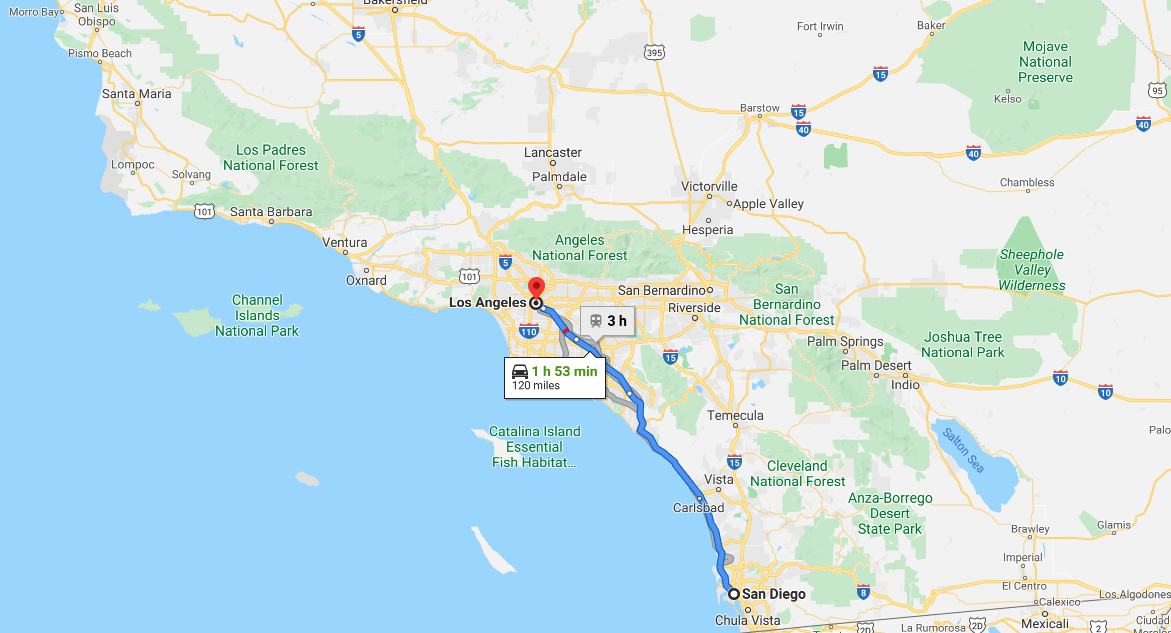
At its core, the distance between downtown Los Angeles and downtown San Diego is approximately 120 miles (193 kilometers). This seemingly modest figure, however, can translate into varying travel times depending on your chosen mode of transport, the time of day, and the specific starting and ending points within these sprawling urban centers. What makes this route particularly appealing is the array of travel options, each offering a unique perspective on the Golden State’s stunning landscapes and bustling communities. From a classic California road trip along the coast to a relaxing train journey with ocean vistas, or the convenience of a quick flight, the choice is yours to tailor your adventure. This article delves into the nuances of traveling between San Diego and Los Angeles, exploring distances, travel modes, and the myriad attractions, accommodations, and lifestyle experiences that await in each destination.
The Journey: Distance and Travel Options Between Two Iconic Californian Cities
Embarking on a journey between Los Angeles and San Diego is more than just covering mileage; it’s an integral part of the Southern California experience. Understanding the various ways to travel and the typical time commitments associated with each will allow you to plan your itinerary efficiently, whether you’re seeking speed, scenery, or cost-effectiveness.
By Car: The Classic Californian Road Trip
The most popular and often most flexible way to travel between Los Angeles and San Diego is by car. The drive typically covers about 120 miles (193 kilometers), and under ideal traffic conditions, the journey can take approximately 1 hour and 45 minutes to 2 hours. However, it is crucial to account for Southern California’s notorious traffic, especially during peak hours (commuter rush on weekdays, and often all day on weekends, particularly Fridays and Sundays). During these times, the drive can easily extend to 3 to 4 hours, or even longer.
The primary artery connecting these two cities is Interstate 5 (I-5), a bustling freeway that hugs the coastline for much of its length. While the I-5 can be fast, it’s not always the most scenic. For those with more time and a desire for a picturesque drive, consider veering off onto scenic coastal routes like Pacific Coast Highway (PCH), particularly through areas like Laguna Beach and San Clemente. These detours offer breathtaking ocean views, charming beach towns, and opportunities to stop for a quick dip in the ocean or a meal at a seaside restaurant. Towns like Carlsbad, known for its flower fields and Legoland, are also delightful stops.
Car rental services are readily available at major transport hubs, including Los Angeles International Airport (LAX) and San Diego International Airport (SAN), as well as numerous downtown locations. For the ultimate flexibility, especially if you plan to explore beyond the city centers, renting a car is highly recommended. Just be prepared for potential toll roads, particularly if using express lanes, and factor in parking costs, which can be significant in both cities. Rideshare services like Uber and Lyft are also widely available and offer a convenient, albeit often more expensive, door-to-door option.
Public Transportation: Train and Bus Connections
For those who prefer to sit back, relax, and let someone else do the driving, public transportation offers excellent alternatives.
Train: The Scenic Amtrak Pacific Surfliner
The Amtrak Pacific Surfliner is by far the most beloved public transport option between Los Angeles and San Diego. This scenic train route offers unparalleled views of the Pacific Ocean as it winds its way along the coast. The journey takes approximately 2 hours and 45 minutes to 3 hours, making it competitive with driving times, especially when factoring in traffic. The train is comfortable, equipped with Wi-Fi, power outlets, and a café car, allowing passengers to enjoy the journey without the stress of driving.
Major stations include Union Station in Downtown Los Angeles and the historic Santa Fe Depot in Downtown San Diego. Both stations are centrally located and provide easy access to local public transport, taxis, and rideshares. Booking tickets in advance, especially during peak travel seasons, is advisable. The Pacific Surfliner is an experience in itself, offering a chance to truly soak in the beauty of the California coast.
Bus: Affordable and Accessible Options
Several bus companies operate routes between Los Angeles and San Diego, including Greyhound and FlixBus. Bus travel is typically the most budget-friendly option, with fares often significantly lower than train or air travel. The journey usually takes between 2.5 to 3.5 hours, depending on the number of stops and traffic conditions.
Bus stations are often conveniently located, though sometimes not as central as train stations. For example, Greyhound has a terminal near Downtown Los Angeles and another in San Diego. FlixBus often uses curbside stops in popular areas, providing good connectivity. While bus travel may lack the scenic charm of the train, it offers a practical and economical solution for many travelers, particularly students, backpackers, or those on a tighter budget.
Flying: The Quickest Option (But Is It Worth It?)
Given the relatively short distance, flying between Los Angeles and San Diego is generally not the most practical option for most travelers. While the actual flight time is only about 30-45 minutes, the total travel time dramatically increases when you factor in:
- Travel to and from airports: Both LAX and SAN are located a distance from their respective downtowns, requiring additional travel time and cost.
- Check-in and security: Arriving at the airport well in advance, going through security checks, and waiting for boarding.
- Baggage claim: Waiting for luggage upon arrival.
When all these factors are considered, door-to-door travel by air can easily take 3 to 4 hours or more, often exceeding the time it takes by car or train. Furthermore, flights are typically more expensive than other transport options. Therefore, flying is usually only considered for connecting flights or if there’s a specific reason for air travel, such as a desire to minimize ground transport time if one is already at the airport.
Discovering Los Angeles: A City of Stars and Diverse Experiences
Once you arrive in Los Angeles, the sprawling metropolis offers an intoxicating blend of glamour, culture, and outdoor adventure. Known globally as the entertainment capital, LA caters to every taste, from celebrity spotting and theme park thrills to world-class museums and stunning beaches.
Must-See Landmarks and Attractions
Los Angeles is dotted with iconic landmarks that are instantly recognizable. No visit is complete without seeing the legendary Hollywood Sign perched in the Hollywood Hills, or strolling along the Hollywood Walk of Fame to find your favorite star’s name. The historic Grauman’s Chinese Theatre and the Dolby Theatre, home of the Academy Awards, are also central to the Hollywood experience.
For panoramic views of the city and a glimpse into the cosmos, the Griffith Observatory in Griffith Park is a must-visit, especially at sunset. Theme park enthusiasts will be thrilled by Universal Studios Hollywood, offering thrilling rides, studio tours, and the magical Wizarding World of Harry Potter. A short drive to Anaheim brings you to the “Happiest Place on Earth,” the Disneyland Resort, an enduring favorite for families and Disney fans.

For a taste of LA’s vibrant beach culture, head to the Santa Monica Pier with its amusement park, and the eclectic boardwalk of Venice Beach, known for its street performers and Muscle Beach. Art and culture lovers will appreciate the vast collections at The Getty Center, offering stunning architecture and gardens alongside priceless art, and the Los Angeles County Museum of Art (LACMA) with its iconic Urban Light installation.
Accommodation in Los Angeles: From Luxury to Budget
Los Angeles boasts an incredible range of accommodations to suit every budget and travel style. For those seeking opulence and world-class service, Beverly Hills is home to some of the most luxurious hotels in the world, such as the iconic Beverly Wilshire, A Four Seasons Hotel and The Peninsula Beverly Hills, offering unparalleled amenities, exquisite dining, and a chance to rub shoulders with celebrities.
Mid-range options are plentiful in neighborhoods like West Hollywood, Downtown LA, and Santa Monica. These areas offer stylish boutique hotels, reputable chain hotels, and well-appointed apartments that provide comfort and convenience without the top-tier price tag. Consider staying in West Hollywood for its vibrant nightlife and trendy restaurants, or Santa Monica for a beach-focused vacation with easy access to the pier and ocean.
Budget-conscious travelers can find numerous motels and budget hotels further out from the central districts, or explore the growing number of hostels in areas like Hollywood and Downtown LA. Vacation rentals through platforms like Airbnb are also a popular choice, offering a home-away-from-home experience, especially for longer stays or family trips. When choosing accommodation, consider proximity to public transport or the areas you plan to explore, as LA’s sprawl means travel time can quickly add up.
Culinary Delights and Lifestyle
The culinary scene in Los Angeles is as diverse as its population. From gourmet food trucks and authentic ethnic eateries to Michelin-starred restaurants, the city is a paradise for foodies. You can savor world-class sushi in Little Tokyo, indulge in delicious tacos from a roadside stand, or enjoy a fine dining experience in Beverly Hills. Don’t miss Grand Central Market in Downtown LA, a historic food hall offering a smorgasbord of culinary options from around the world.
LA’s lifestyle is all about embracing variety. You can spend your mornings hiking in the Santa Monica Mountains, your afternoons shopping for luxury brands on Rodeo Drive, and your evenings catching a live music show on the Sunset Strip or attending a premiere. The city is a hub for fashion, art, music, and health-conscious living, offering endless opportunities for unique experiences.
Exploring San Diego: Southern California’s Coastal Gem
A stark contrast to the fast-paced energy of Los Angeles, San Diego offers a more relaxed, sun-drenched atmosphere, renowned for its pristine beaches, vibrant neighborhoods, and rich historical heritage. Often referred to as “America’s Finest City,” San Diego truly lives up to its name with its pleasant climate and abundance of attractions.
Top Attractions and Cultural Experiences
San Diego’s crown jewel is undoubtedly Balboa Park, a sprawling urban cultural park larger than New York’s Central Park. Within its lush confines, you’ll find the world-famous San Diego Zoo, home to over 12,000 rare and endangered animals. The park also houses 17 museums, including the interactive Fleet Science Center, the impressive San Diego Museum of Art, and the tranquil Japanese Friendship Garden.
For nightlife, dining, and Victorian architecture, the historic Gaslamp Quarter is the place to be. Its charming streets come alive after dark with restaurants, bars, and entertainment venues. A short ferry ride or drive across the iconic Coronado Bridge leads to Coronado Island, famous for its pristine beaches and the majestic Hotel del Coronado, a National Historic Landmark.
Immerse yourself in California’s birthplace at Old Town San Diego State Historic Park, where you can explore historic buildings, enjoy traditional Mexican food, and learn about the region’s early Spanish and Mexican heritage. Further north, the affluent coastal community of La Jolla offers stunning coves, sea lion colonies, and beautiful beaches perfect for snorkeling and kayaking. History buffs will also appreciate the USS Midway Museum, an impressive aircraft carrier turned museum docked in San Diego Bay.
Where to Stay in San Diego: A Guide to Accommodation
San Diego’s accommodation scene is as diverse as its attractions, catering to romantic getaways, family vacations, and business trips alike. For luxury travelers, downtown San Diego offers high-end hotels like the contemporary Pendry San Diego in the Gaslamp Quarter, or the historic elegance of The US Grant, a Luxury Collection Hotel, a landmark since 1910. These properties provide exceptional service, amenities, and often stunning views of the city or bay.
Mid-range options are abundant throughout the city, particularly in popular areas like Little Italy, known for its vibrant food scene, and closer to Balboa Park. You can find stylish boutique hotels, comfortable chain hotels, and serviced apartments that offer a great balance of comfort and value. For families, resorts along Mission Bay and near the beaches offer extensive facilities, pools, and activities designed for all ages.
Budget travelers can explore options in neighborhoods slightly further from the immediate tourist hubs, where motels and guesthouses offer more economical rates. Hostels are also available, particularly in the downtown area, providing a social and affordable base for exploring. Vacation rentals are also very popular in San Diego, especially for longer stays or for those seeking accommodations with kitchens and more living space, giving guests a chance to experience local living.
Local Flavors and Outdoor Adventures
San Diego’s culinary identity is strongly influenced by its proximity to Mexico and its coastal location. It’s a mecca for authentic Mexican food, from street tacos and gargantuan burritos to refined Baja-Med cuisine. The city also boasts a booming craft beer scene, with numerous microbreweries and brewpubs, particularly in neighborhoods like North Park and Miramar. Fresh seafood is a staple, with fantastic fish markets and seafood restaurants, especially around Point Loma and the Embarcadero.
Outdoor enthusiasts will find San Diego to be a playground. Its miles of coastline offer endless opportunities for surfing, paddleboarding, kayaking, and sunbathing at beaches like Coronado Beach, Pacific Beach, and Del Mar. Hiking trails abound in natural preserves like Torrey Pines State Natural Reserve, offering stunning coastal cliff views. From sailing in San Diego Bay to exploring tide pools in La Jolla, the city invites active exploration and enjoyment of its beautiful natural environment.
Planning Your Southern California Adventure: Tips for a Seamless Trip
Combining a visit to Los Angeles and San Diego offers a comprehensive Southern California experience. To ensure your trip is as smooth and enjoyable as possible, consider these practical planning tips.
Best Time to Visit and Weather
Southern California is blessed with a Mediterranean climate, making it an attractive destination year-round. However, the best time to visit often depends on your preferences.
- Spring (March to May): Pleasant temperatures, fewer crowds than summer, and often beautiful “superbloom” wildflowers in the surrounding natural areas. This is an ideal time for sightseeing and outdoor activities.
- Summer (June to August): Warmest temperatures and peak tourist season. Expect crowded attractions and beaches, especially in LA. San Diego often experiences “June Gloom” or “May Gray,” a marine layer that burns off by midday, offering cooler mornings.
- Fall (September to November): Often considered the sweet spot. Warm, sunny days, comfortable evenings, and fewer crowds after the summer rush. The ocean temperatures are still warm enough for swimming.
- Winter (December to February): Mild temperatures, occasional rain, and smaller crowds. Perfect for whale watching season and exploring museums or holiday events.
Regardless of the season, packing layers is always a good idea, as coastal mornings can be cool, while afternoons can be quite warm, especially inland.
Travel Style: Luxury, Budget, Family, or Business?
Tailoring your trip to your specific travel style is crucial for maximizing enjoyment and efficiency:
- Luxury Travel: Focus on high-end hotels like those in Beverly Hills or Coronado, fine dining experiences, private tours, and premium car rentals. Consider booking a suite or a villa for an exclusive experience.
- Budget Travel: Opt for hostels, budget motels, or vacation rentals outside the prime tourist zones. Utilize public transportation (bus/train) between cities and within them. Look for free attractions like beaches, parks, and self-guided walking tours.
- Family Trips: Prioritize family-friendly resorts with amenities like pools and kids’ clubs. Plan visits to attractions like Disneyland, Universal Studios, and the San Diego Zoo. Renting a car might be beneficial for flexibility with kids.
- Business Stays: Choose hotels with business centers, reliable Wi-Fi, and convenient access to corporate districts or convention centers. Both Downtown LA and Downtown San Diego offer excellent business-oriented accommodations.
Making the Most of Your Journey
- Book in Advance: Especially during peak season, booking flights, train tickets, popular attractions (like theme parks), and desired accommodations well in advance can save you money and secure your preferred choices.
- Consider a Multi-Day Trip: While it’s possible to do a day trip between the cities, spending at least 3-4 days in each city allows for a more immersive and relaxed experience, truly appreciating what each has to offer.
- Local Transportation: While a car offers flexibility, utilize rideshares, taxis, and public transit within cities, especially in congested areas. In LA, the Metro Rail and Bus system is expanding, and in San Diego, the MTS (Metropolitan Transit System) including the Trolley is efficient.
- Flexibility and Exploration: Be open to spontaneous detours and local recommendations. Some of the best experiences are often found off the beaten path.
In conclusion, the journey from Los Angeles to San Diego is an easily navigable one, typically spanning about 120 miles and taking between 2 to 3 hours by car or train, depending on conditions. This vibrant corridor offers travelers the unique opportunity to experience two distinct yet equally captivating facets of Southern California. Whether you’re drawn to the glitz of Hollywood or the laid-back charm of San Diego’s beaches, planning your travel and accommodations wisely will ensure a memorable and enriching adventure. Embrace the journey, savor the diverse culture, and discover the endless beauty that awaits you in the Golden State.
LifeOutOfTheBox is a participant in the Amazon Services LLC Associates Program, an affiliate advertising program designed to provide a means for sites to earn advertising fees by advertising and linking to Amazon.com. Amazon, the Amazon logo, AmazonSupply, and the AmazonSupply logo are trademarks of Amazon.com, Inc. or its affiliates. As an Amazon Associate we earn affiliate commissions from qualifying purchases.