
The journey between San Francisco and Los Angeles is more than just a matter of distance; it’s an iconic California experience, connecting two of the United States’ most vibrant and distinct cities. Whether you’re planning a thrilling road trip, a quick business flight, or a leisurely train ride, understanding the various travel options and the allure of each destination is key to an unforgettable California adventure. This article delves into the specifics of the distance, explores diverse travel methods, and highlights the unique attractions and accommodation opportunities awaiting you in these quintessential Golden State hubs. From the foggy charm of San Francisco to the sun-drenched glamour of Los Angeles, preparing your journey properly ensures you capture the essence of both incredible cities.
The Distance Between San Francisco and Los Angeles
At first glance, the question “How far is San Francisco from Los Angeles?” seems straightforward, but the answer varies depending on how you measure it and, more importantly, how you plan to travel. The geographical separation forms the backbone of any travel itinerary, influencing everything from budgeting to packing. Understanding this fundamental aspect is the first step in planning a seamless transition between these two dynamic urban centers. Each method of travel offers a unique perspective on the distance, transforming a simple numerical figure into a journey filled with potential discoveries.
The Straight Line (As the Crow Flies)
As the crow flies, the direct air distance between San Francisco and Los Angeles is approximately 350 miles (563 kilometers). This measurement represents the shortest possible distance, unhindered by roads, mountains, or coastlines. For air travel, this translates to a flight duration of about 1 hour and 15 minutes to 1 hour and 30 minutes, depending on the specific flight path, wind conditions, and airport operations. While this offers the quickest way to traverse the distance, it doesn’t account for the time spent getting to and from airports, security checks, and potential delays, all of which add to the overall travel time. However, for those prioritizing speed and efficiency, especially for business travel or short trips, flying remains the most direct solution, bypassing the terrestrial challenges of the California landscape.
By Road: A Classic California Journey
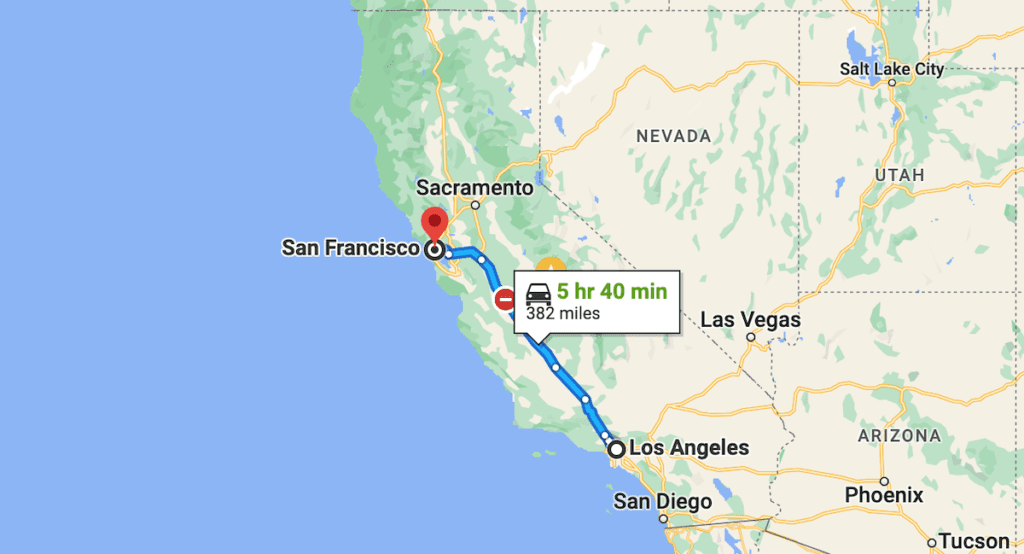
For most travelers, the journey between San Francisco and Los Angeles is experienced by road. The driving distance can range from approximately 380 to 400 miles (610 to 645 kilometers), depending on the specific route taken. The most common and fastest route is typically via Interstate 5 (I-5), which cuts through the heart of California’s Central Valley. This route offers a generally flat and direct path, making it the preferred choice for those aiming to minimize travel time. However, it’s worth noting that the I-5 can be less scenic compared to coastal alternatives, primarily traversing agricultural landscapes.
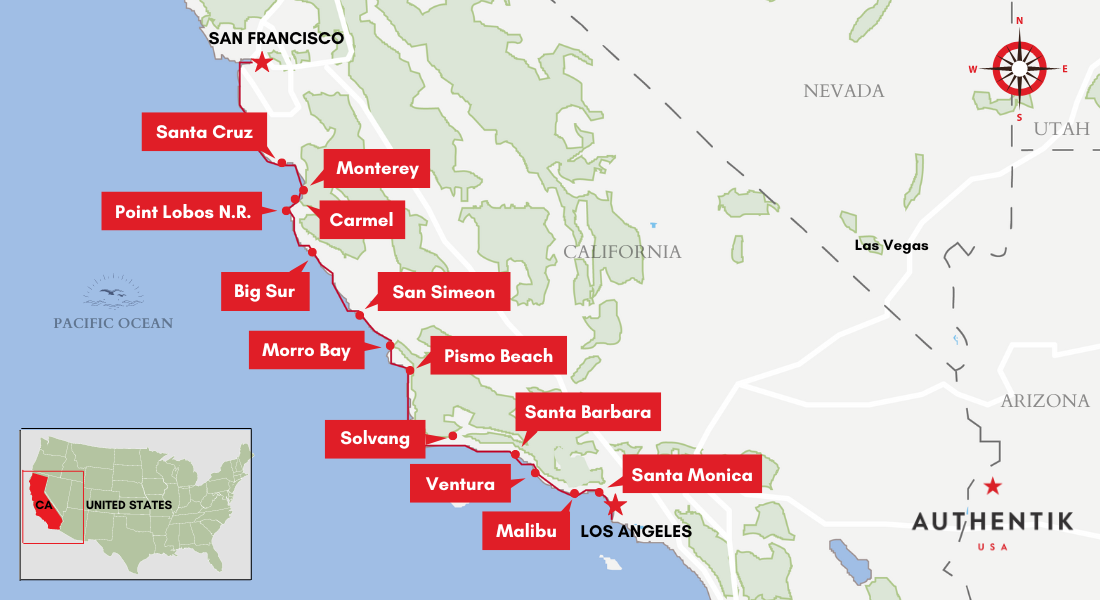
An alternative, and vastly more scenic, route involves taking a portion of Highway 1 (the Pacific Coast Highway) or Highway 101. While significantly longer in terms of mileage and driving time – often stretching to 450-500 miles (725-805 kilometers) and requiring 8-10 hours or more of driving, or even several days with stops – this coastal journey offers breathtaking vistas, charming seaside towns like Big Sur and Carmel-by-the-Sea, and countless opportunities for exploration. The choice of route profoundly impacts not just the distance and duration but also the entire travel experience, shaping memories and photo opportunities along the way.

Navigating the Golden State: Your Travel Options
Choosing how to travel between San Francisco and Los Angeles is a decision that balances time, cost, comfort, and the desire for a particular travel experience. Each mode of transportation offers distinct advantages, catering to different preferences and itineraries. From the freedom of the open road to the efficiency of air travel, or the relaxed pace of trains and buses, California provides a spectrum of choices for navigating this popular corridor. Understanding these options is crucial for planning your travel itinerary and optimizing your journey to suit your specific needs, whether it’s a luxury travel escape or a budget travel adventure.
Driving: The Quintessential California Road Trip
Driving is arguably the most popular way to travel between San Francisco and Los Angeles, embodying the spirit of a true California road trip. The fastest route via Interstate 5 typically takes 5.5 to 7 hours without significant stops or heavy traffic. However, California’s notoriously congested freeways, especially around major metropolitan areas, can easily extend this time. Weekends and holiday periods are particularly prone to delays.
For those seeking an unforgettable experience rather than just a quick transfer, the coastal route along Highway 101 or parts of the Pacific Coast Highway is highly recommended. While it can take 8 to 10 hours of pure driving, it’s best enjoyed over two or more days, allowing time to explore charming towns, stunning beaches, and iconic viewpoints. Popular stops include Monterey, Carmel-by-the-Sea, Big Sur, San Luis Obispo, and Santa Barbara. Renting a car provides unparalleled flexibility, allowing spontaneous detours to Napa Valley wine country or even Yosemite National Park if time permits, transforming a simple drive into a multi-destination adventure. Ensure your vehicle is in good condition, and plan for fuel stops and rest areas, especially on the longer I-5 stretch.
Flying: The Quickest Route Between Cities
For speed and convenience, flying is unmatched. Flights from San Francisco International Airport (SFO) or Oakland International Airport (OAK) to Los Angeles International Airport (LAX), Hollywood Burbank Airport (BUR), or Long Beach Airport (LGB) typically last around 1 hour and 15 minutes to 1 hour and 30 minutes. Major airlines like Southwest Airlines, United Airlines, Delta Air Lines, and American Airlines offer frequent daily services, providing a competitive range of fares.
While the flight time itself is short, travelers must factor in the entire airport experience. This includes commuting to and from the airport, arriving at least 1-2 hours before departure for security and check-in, and waiting for luggage upon arrival. Realistically, the total door-to-door travel time can often equate to 3 to 5 hours. However, for business travelers or those with limited time, flying remains the most efficient way to cover the distance. Booking in advance and considering alternative airports (like BUR or OAK) can often lead to better deals and potentially less crowded experiences, enhancing the overall convenience of air travel.
Rail and Bus: Scenic and Economical Alternatives
For a more relaxed pace or budget-conscious travel approach, both train and bus services offer viable alternatives.
Train: Amtrak operates several routes between the two regions. The most popular is the Coast Starlight, a renowned scenic route that connects Oakland (a short BART ride from San Francisco) to Los Angeles. This journey takes approximately 10 to 12 hours, offering stunning views of the Pacific Ocean, fertile valleys, and mountain ranges. While longer than driving, it provides a unique opportunity to sit back, relax, and enjoy the passing landscapes without the stress of driving or airport procedures. Amtrak also offers the San Joaquins route, which combines a train ride through the Central Valley with a connecting bus service, offering a slightly faster but less scenic option. Amenities like dining cars, Wi-Fi, and comfortable seating make train travel a pleasant option for many, especially those who appreciate the journey as much as the destination.
Bus: Companies like Greyhound and FlixBus provide frequent and economical bus services between San Francisco and Los Angeles. The journey typically ranges from 7 to 9 hours, making it comparable to the fastest driving routes but without the need to drive yourself. Bus travel is often the most budget-friendly option, with fares significantly lower than flights or train tickets, especially when booked in advance. While comfort levels can vary, many modern buses offer amenities like power outlets and Wi-Fi. It’s an excellent choice for budget travelers or those who prefer not to drive but aren’t in a rush, offering a practical and often direct connection between the city centers.
Exploring the Destinations: San Francisco vs. Los Angeles
Beyond the logistics of getting there, both San Francisco and Los Angeles stand as world-class destinations, each offering a distinct flavor of California living. From iconic landmarks and diverse culinary scenes to vibrant arts and culture, these cities promise a wealth of attractions and experiences. Understanding what makes each city unique helps in tailoring your visit to match your interests, whether you’re drawn to urban exploration, natural beauty, or the glitz and glamour of Hollywood. Each metropolis provides ample opportunities for tourism, appealing to a wide array of lifestyles and preferences.
San Francisco: Iconic Landmarks and Cultural Delights
San Francisco, nestled on the tip of a peninsula, is renowned for its steep rolling hills, iconic Golden Gate Bridge, and vibrant cultural tapestry. A visit often begins with the unmistakable orange hues of the Golden Gate Bridge, whether viewed from Presidio National Park or biked across. Another must-see is Alcatraz Island, the infamous former federal prison, offering a chilling glimpse into history with breathtaking bay views.
The city’s diverse neighborhoods each tell a story. Fisherman’s Wharf buzzes with activity, known for its seafood, Pier 39 sea lions, and proximity to tours. Chinatown, the oldest in North America, offers an immersive cultural experience with its bustling markets and authentic cuisine. The famous Cable Cars not only serve as a practical mode of transport up the city’s steep inclines but are also a quintessential San Francisco attraction themselves. For art lovers, the de Young Museum and California Academy of Sciences in Golden Gate Park offer world-class exhibits. Don’t forget to visit Lombard Street, often called the “most crooked street in the world.” From the bohemian vibes of Haight-Ashbury to the tech-savvy South of Market (SoMa) district, San Francisco offers an eclectic mix of destinations and experiences, making it a prime spot for cultural tourism and exploration.
Los Angeles: Glamour, Beaches, and Entertainment
Los Angeles, a sprawling metropolis, is synonymous with Hollywood glamour, endless sunshine, and a diverse entertainment scene. The city’s attractions cater to a wide range of interests, from movie buffs to beach lovers. No visit is complete without strolling along the Hollywood Walk of Fame and admiring the iconic Hollywood Sign. For an immersive film experience, Universal Studios Hollywood offers thrilling rides and behind-the-scenes tours.
The beaches of Los Angeles are legendary. Santa Monica Pier offers classic boardwalk fun, while Venice Beach boardwalk is famous for its eclectic street performers and vibrant atmosphere. For a taste of luxury, Beverly Hills and Rodeo Drive provide world-class shopping and celebrity spotting opportunities. Art and culture thrive at institutions like The Getty Center, with its stunning architecture and panoramic city views, and the Walt Disney Concert Hall, an architectural marvel designed by Frank Gehry. For family trips, Disneyland Park in nearby Anaheim is an absolute must-visit. Los Angeles truly offers a diverse tapestry of experiences, from the laid-back beach vibe to the high-energy urban core, making it a hotspot for global tourism and an ideal destination for various lifestyles.
Planning Your Stay: Accommodation and Beyond
Once you’ve decided on your travel method and explored the endless attractions of San Francisco and Los Angeles, the next crucial step is planning your accommodation and preparing for an enriching journey. Both cities boast a vast array of hotels, resorts, suites, and apartments to suit every budget and preference, from luxurious five-star establishments to charming boutique stays and economical hostels. Beyond just finding a place to sleep, thoughtful planning for local transportation, dining, and engaging with the local culture will elevate your trip from good to extraordinary.
Finding Your Perfect Hotel in Both Cities
Both San Francisco and Los Angeles excel in providing diverse accommodation options. In San Francisco, popular areas for hotels include Union Square for upscale options and easy access to shopping and theaters, Fisherman’s Wharf for bay views and tourist attractions, and the SoMa district for a more modern, tech-centric vibe. Boutique hotels in neighborhoods like Nob Hill offer unique experiences with historic charm.
Los Angeles’ sprawling nature means accommodation is spread across various districts, each with its own character. Hollywood is ideal for entertainment seekers, offering proximity to studios and nightlife. Beverly Hills provides luxury and elegance with world-class resorts and high-end suites. For beach lovers, Santa Monica and Venice Beach boast beachfront hotels and apartments with ocean views. Downtown LA (DTLA) has seen a revitalization, offering modern hotels and easy access to cultural institutions and business stays. When booking, consider the amenities important to you, such as pools, fitness centers, or pet-friendly options, and always check reviews and perform comparison shopping to find the best deals for your lifestyle and budget. Websites like Life Out of the Box offer comprehensive guides and tips to help you make informed decisions, whether you’re looking for a short-term stay or long-term accommodation.
Tips for an Unforgettable California Adventure
To make your San Francisco and Los Angeles journey truly remarkable, here are some key tips:
- Book in Advance: Especially for popular attractions like Alcatraz Island or Universal Studios Hollywood, and for hotels during peak season, early booking is essential.
- Embrace Public Transportation: Both cities have extensive public transport systems. In San Francisco, utilize BART, Muni buses, and the iconic Cable Cars. In Los Angeles, the Metro rail and bus network can help navigate the sprawling city, especially if you want to avoid parking hassles and traffic. Ride-sharing services are also readily available.
- Pack Layers for San Francisco: San Francisco’s weather can be notoriously fickle, with foggy mornings and cool evenings, even in summer. Layers are your best friend.
- Hydrate in Los Angeles: Los Angeles is known for its sunshine. Stay hydrated, especially if you’re exploring outdoors.
- Explore Local Cuisine: From Michelin-starred restaurants in San Francisco to diverse food trucks in Los Angeles, California’s culinary scene is vibrant. Don’t miss out on fresh seafood, farm-to-table dining, and a variety of international cuisines. Engaging with local culture through food is an authentic experience.
- Consider a Multi-City Pass: If you plan on visiting multiple attractions in Los Angeles or San Francisco, a city pass can offer significant savings and convenience.
- Flexibility with Road Trips: If driving the scenic route, allow for extra time. Spontaneous stops in places like Santa Barbara, Big Sur, or Carmel-by-the-Sea are often the most memorable parts of the journey.
The distance between San Francisco and Los Angeles is more than just miles; it’s a gateway to diverse California experiences. By understanding your options and planning thoughtfully, you’re set to embark on a truly unforgettable adventure between these two iconic cities.
LifeOutOfTheBox is a participant in the Amazon Services LLC Associates Program, an affiliate advertising program designed to provide a means for sites to earn advertising fees by advertising and linking to Amazon.com. Amazon, the Amazon logo, AmazonSupply, and the AmazonSupply logo are trademarks of Amazon.com, Inc. or its affiliates. As an Amazon Associate we earn affiliate commissions from qualifying purchases.