
The question of “how far is San Francisco from Los Angeles, California?” isn’t just about a simple measurement; it’s an invitation to explore one of the most iconic stretches of travel in the United States. Connecting two of California’s largest and most vibrant metropolises, the journey between San Francisco and Los Angeles offers a spectrum of experiences, from rapid transit to leisurely road trips, each revealing a different facet of the Golden State. Whether you’re a business traveler seeking efficiency, a family on an adventure, or a solo explorer yearning for scenic beauty, understanding the distance and myriad travel options is the first step in planning an unforgettable California escape. This comprehensive guide delves into the distances, travel times, transportation choices, and the incredible landmarks, attractions, and accommodation options that define this classic West Coast journey.
Unpacking the Distance: Miles, Kilometers, and Travel Time
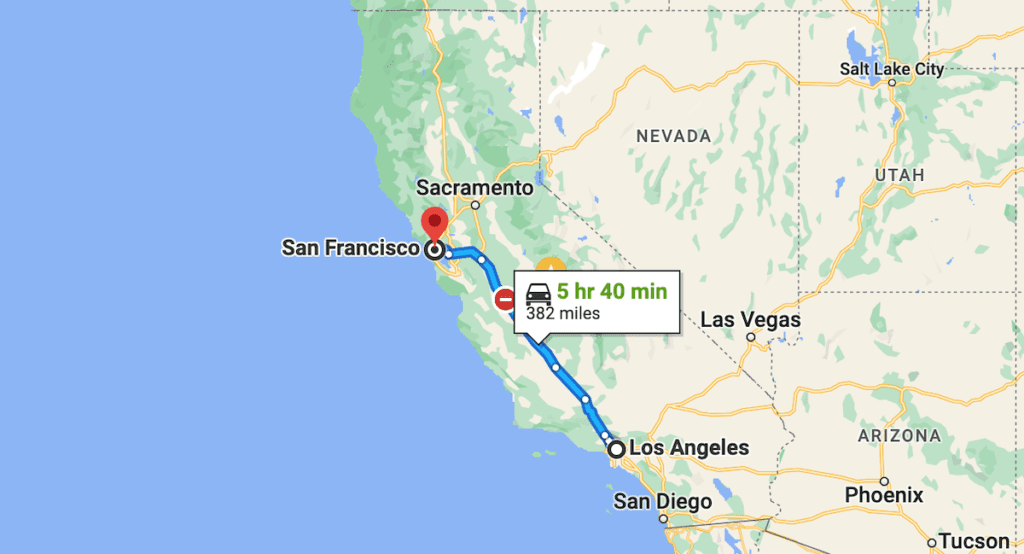
The raw distance between San Francisco and Los Angeles varies depending on the specific route taken, but generally hovers around the 350 to 400 miles (approximately 560 to 640 kilometers) mark. This seemingly straightforward measure, however, belies the significant differences in travel time and the distinct experiences each route offers.
The Direct Route: I-5
For those prioritizing speed and efficiency, the most direct path between San Francisco and Los Angeles is via Interstate 5 (I-5). This inland freeway route covers approximately 380 miles (around 612 kilometers). Under ideal driving conditions, without significant traffic or extended stops, this journey typically takes about 5.5 to 6.5 hours. However, travelers should account for potential congestion, especially when entering or exiting the metropolitan areas of Los Angeles and the Bay Area, as well as mandatory fuel stops and brief breaks. While less scenic than its coastal counterpart, I-5 offers a relatively smooth and straightforward drive through California’s agricultural heartland, characterized by vast farmlands and smaller towns. Rest stops with basic amenities are available along the way, making it a practical choice for those on a tight schedule or a business trip.
The Scenic Coastal Route: Highway 1
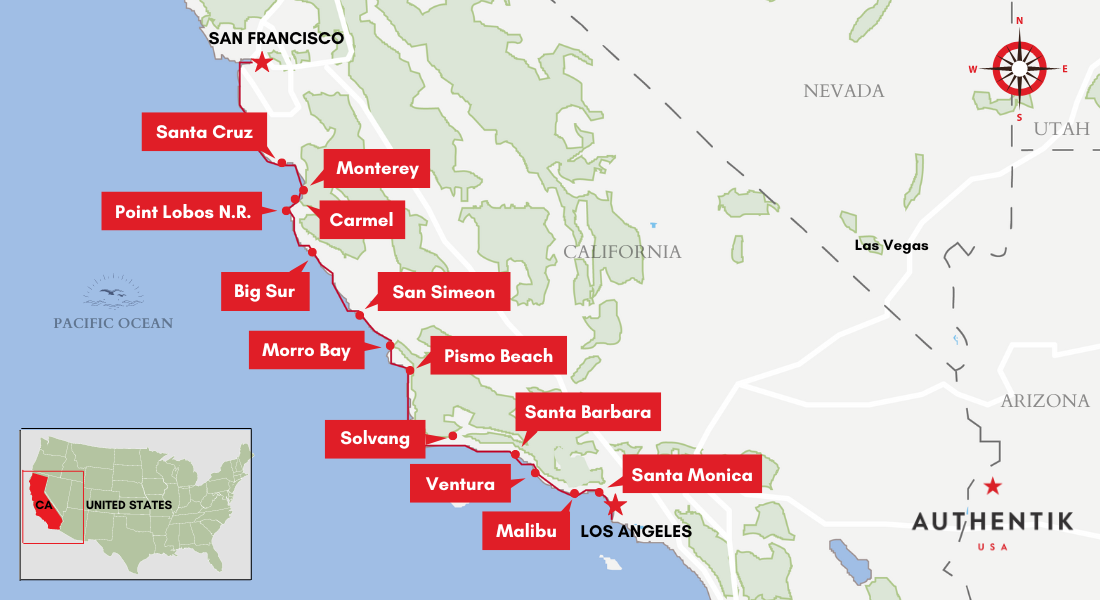
In stark contrast to the utilitarian I-5, the journey along California State Route 1, famously known as the Pacific Coast Highway (PCH), is an experience unto itself. This route extends the distance to approximately 450-500 miles (around 725-800 kilometers) or more, depending on detours and explorations. Crucially, the travel time expands dramatically, often requiring 10-12 hours of pure driving, and realistically, a minimum of two to three days to truly savor the breathtaking vistas and charming towns. This route is not about reaching the destination quickly; it’s about the journey. Winding along dramatic cliffs, offering panoramic ocean views, and passing through iconic landmarks like Big Sur, the PCH is a bucket-list road trip for many. It embodies the essence of travel and tourism in California, designed for those who appreciate natural beauty, local culture, and memorable experiences over speed.
Navigating the Journey: Transportation Options
Choosing how to travel between San Francisco and Los Angeles is a significant decision that impacts cost, time, and the overall enjoyment of your trip. Each mode of transport offers distinct advantages, catering to different preferences and lifestyle needs.
Driving: The Ultimate Road Trip Experience
Undoubtedly, driving remains the most popular option for many travelers between these two cities. It offers unparalleled flexibility, allowing for spontaneous stops, detours to hidden gems, and the freedom to travel at your own pace. For those without their own vehicle, numerous car rental agencies operate in both cities, including major players like Enterprise Rent-A-Car, Hertz, and Avis. Renting a car also provides a sense of freedom, whether you’re planning a budget-friendly trip or a luxury travel excursion in a premium vehicle.
Pros: Flexibility, ability to explore scenic routes, control over itinerary.
Cons: Fuel costs, potential for traffic delays, parking challenges in major cities, wear and tear on personal vehicles.
Tips for Drivers: Consider breaking up the PCH journey with an overnight stay in charming towns like Monterey, Carmel-by-the-Sea, or San Luis Obispo. Book accommodation in advance, especially during peak season, to secure desirable hotels or boutique hotels.
Flying: The Fastest Way
When time is of the essence, flying is the quickest solution. Numerous daily flights connect San Francisco International Airport (SFO), Oakland International Airport (OAK), and San Jose International Airport (SJC) in the Bay Area with Los Angeles International Airport (LAX). Flight duration is typically around 1 to 1.5 hours. However, travelers must factor in the time spent commuting to and from airports, going through security, and potential delays, which can easily add 3-4 hours to the total journey.
Pros: Significantly faster travel time, convenient for business stays.
Cons: Can be more expensive, less scenic, airport hassle (security, check-in, baggage claim), carbon footprint.
Tips for Flyers: Book in advance for better fares. Consider flying into smaller airports like Hollywood Burbank Airport (BUR) or John Wayne Airport (SNA) near Los Angeles to potentially avoid LAX congestion.
Train Travel: A Relaxing Alternative
For those seeking a more relaxed and scenic journey without the stresses of driving or flying, Amtrak offers a comfortable option. The primary route involves taking the Amtrak San Joaquins from the Bay Area to Bakersfield, followed by a connecting Thruway Bus service to Los Angeles. Alternatively, the renowned Coast Starlight route offers a direct, albeit significantly longer (around 10-12 hours), journey with stunning coastal views. While not the fastest, train travel provides ample legroom, dining cars, and the chance to simply sit back and enjoy the ever-changing Californian landscape.
Pros: Scenic views, comfortable seating, no driving stress, relatively eco-friendly.
Cons: Longer travel time than flying or direct driving, less flexible than driving.
Tips for Train Travelers: Book a “Superliner Roomette” or “Bedroom” for overnight comfort on the Coast Starlight if continuing further north or south. Check for Amtrak Vacations packages that combine rail travel with hotel stays.
Bus Services: Budget-Friendly Travel
Bus services like Greyhound and FlixBus provide the most economical way to travel between San Francisco and Los Angeles. The journey typically takes around 7 to 9 hours, making it comparable to the direct driving route in terms of duration. While offering fewer amenities than trains, modern buses often come equipped with Wi-Fi and power outlets, allowing travelers to stay connected or entertained. This option is particularly popular among budget travelers and students.
Pros: Most affordable option, convenient pick-up/drop-off points in city centers.
Cons: Longest travel time (excluding multi-day road trips), less personal space, limited flexibility.
Tips for Bus Travelers: Book tickets in advance, especially during holidays. Pack snacks and entertainment for the journey. Arrive early for better seat selection.
What to See and Do Along the Way: A Guide to Californian Wonders
The journey between San Francisco and Los Angeles, particularly along the Pacific Coast Highway, is punctuated by an extraordinary array of tourist attractions and landmarks. This route transforms a simple drive into an unforgettable California adventure.
Coastal Delights and Natural Wonders
The northern section of the coastal drive is renowned for its dramatic beauty and iconic sights:
- Big Sur: This rugged stretch of coastline is arguably the most breathtaking part of Highway 1. Highlights include the architectural marvel of Bixby Bridge, the hiking trails and waterfalls of Pfeiffer Big Sur State Park, and the serene Julia Pfeiffer Burns State Park with its famed McWay Falls cascading directly onto the beach. Accommodation here ranges from rustic cabins to luxurious resorts like Post Ranch Inn.
- Monterey: A historic waterfront city, Monterey offers the world-class Monterey Bay Aquarium and the lively atmosphere of Cannery Row, once a bustling sardine canning district, now filled with shops and restaurants.
- Carmel-by-the-Sea: Adjacent to Monterey, this enchanting village is famous for its fairytale cottages, art galleries, and white sand beach. Don’t miss the picturesque 17-Mile Drive through Pebble Beach, offering stunning coastal views and famous golf courses.
- Hearst Castle: Perched atop a hill near San Simeon, this opulent estate built by newspaper magnate William Randolph Hearst is a National Historic Landmark and a testament to extravagant architecture and art. It requires advance booking for tours.
Central Coast Charms
As you continue south, California’s Central Coast reveals its own unique character:
- San Luis Obispo: A vibrant college town with a laid-back vibe, home to the historic Mission San Luis Obispo de Tolosa and the quirky Bubblegum Alley. The surrounding Edna Valley wine region is perfect for wine enthusiasts.
- Santa Barbara: Known as the “American Riviera,” Santa Barbara boasts beautiful Spanish Colonial architecture, pristine beaches, and a bustling waterfront at Stearns Wharf. The historic Mission Santa Barbara and its thriving food scene are popular attractions. It’s an excellent stop for family trips and offers diverse hotel options, from luxury resorts to charming inns.
- Solvang: A unique Danish village nestled in the Santa Ynez Valley, Solvang offers European-style buildings, windmills, bakeries, and wineries. It’s a delightful cultural diversion from the coastal drive.
While the I-5 route offers fewer iconic tourist stops, it passes through the vast Central Valley, offering glimpses into California’s agricultural backbone. Travelers might find local fruit stands or roadside diners for quick, authentic bites, but it’s generally not a route chosen for its scenic value.
Planning Your Stay: Accommodation and Lifestyle in SF & LA
Both San Francisco and Los Angeles are global centers for tourism and travel, offering a phenomenal range of accommodation options to suit every taste, budget, and lifestyle. From opulent suites in five-star hotels to cozy apartments and villas for long-term stays, planning your overnight visits is crucial.
San Francisco Accommodation
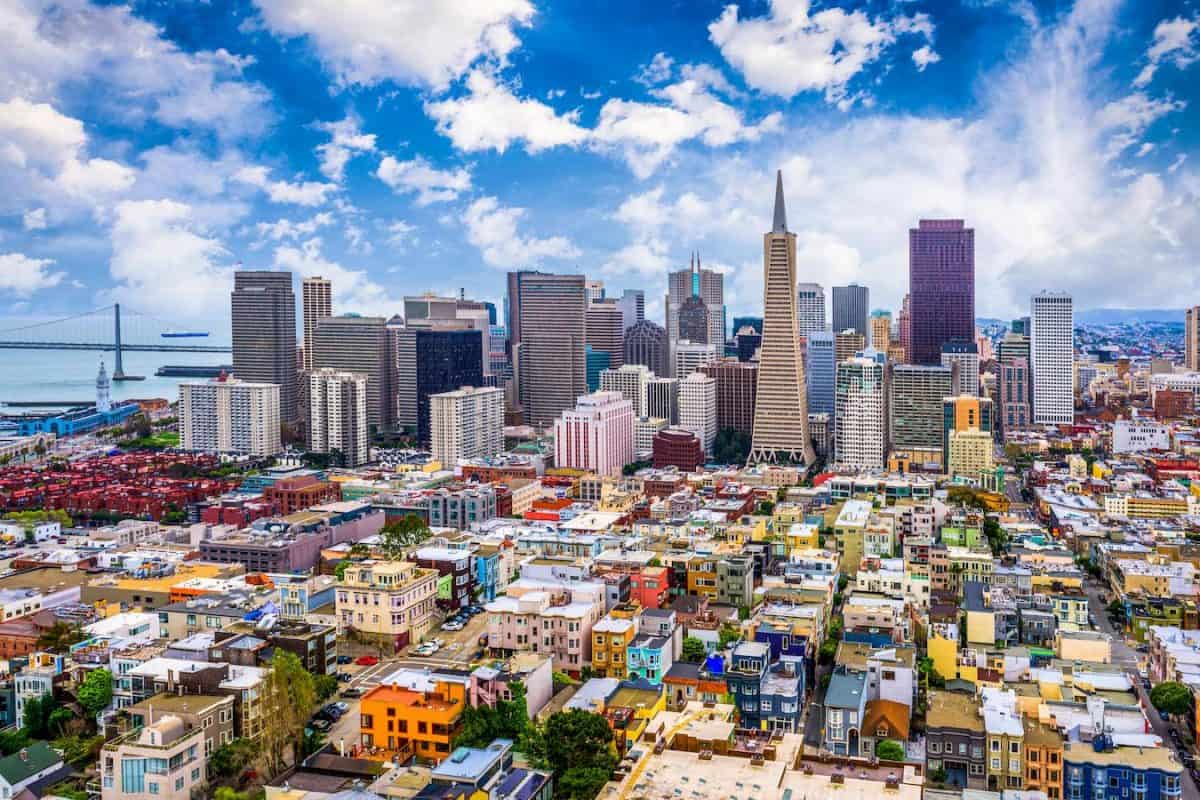
San Francisco’s hotel landscape is as diverse as its hills and neighborhoods. For luxury travelers, the St. Regis San Francisco and The Ritz-Carlton, San Francisco offer impeccable service and sophisticated amenities in prime locations. Union Square is a popular choice for its proximity to shopping, dining, and public transport, featuring classic establishments like the Westin St. Francis.
- Fisherman’s Wharf: Ideal for family trips due to its proximity to Pier 39 and other attractions.
- Nob Hill: Known for its historic luxury hotels like The Fairmont San Francisco and offering stunning city views.
- SoMa (South of Market): Popular for business stays with modern hotels and easy access to tech companies and the Moscone Center.
- Boutique hotels: Found throughout the city, offering unique charm and personalized experiences. For those seeking more space or a long-term stay, vacation rentals and serviced apartments are widely available. When booking accommodation, it’s advisable to check reviews and comparison sites to find the best deals.
Los Angeles Accommodation
Los Angeles’ sprawling geography means that your choice of accommodation can significantly impact your experience of the city.
- Beverly Hills: Synonymous with luxury travel, featuring world-renowned hotels such as The Beverly Hills Hotel and Waldorf Astoria Beverly Hills, offering opulent suites and impeccable service.
- Santa Monica: Perfect for beach lovers, with iconic beachfront resorts like Hotel Casa del Mar and Shutters on the Beach, providing stunning ocean views and easy access to the Santa Monica Pier.
- Downtown LA (DTLA): A hub for business stays and those interested in urban culture, with modern hotels like the JW Marriott Los Angeles L.A. Live and a vibrant arts scene.
- Hollywood: Offers a mix of historic hotels and trendy boutique hotels, placing visitors at the heart of entertainment history.
Whether you opt for apartments for more space, a villa for a private retreat, or a traditional hotel with all the amenities, Los Angeles caters to every preference. For long-term stays, many neighborhoods offer excellent furnished rentals. Remember to research local culture, food scene, and activities specific to your chosen area to enhance your tourism experience.
Lifestyle and Travel Tips for Both Cities
When planning your journey and stays in San Francisco and Los Angeles, consider the overarching lifestyle and travel tips to maximize your experiences:
- Luxury Travel: Both cities excel in high-end offerings, from Michelin-starred dining to exclusive shopping districts and private tours. Look for hotels with concierge services that can arrange unique activities.
- Budget Travel: Public transportation is extensive in both cities, though Los Angeles requires more planning due to its size. Seek out free attractions like parks, beaches, and historic neighborhoods. Food trucks and farmers’ markets offer delicious and affordable dining.
- Family Trips: Identify kid-friendly attractions like museums, zoos, and amusement parks (Disneyland is a common side trip from LA). Look for hotels with pools or family suites.
- Business Stays: Choose accommodation near business districts or convention centers. Look for hotels offering reliable Wi-Fi, meeting facilities, and easy transit access.
- Local Culture & Food: Immerse yourself in the distinct local cultures. San Francisco is famous for its sourdough and seafood, while Los Angeles boasts an incredible array of ethnic cuisines and trendy eateries. Explore local markets and culinary tours.
- Booking & Reviews: Always utilize reliable booking platforms and read recent reviews to ensure your chosen accommodation meets your expectations. Consider the amenities that are most important to you, whether it’s a fitness center, pool, or pet-friendly options.
In conclusion, the distance between San Francisco and Los Angeles is more than just a number; it represents a choice between expedience and an enriching, multi-day journey. Whether you opt for the swiftness of air travel, the convenience of the I-5 drive, or the unparalleled beauty of a Pacific Coast Highway road trip, California promises an adventure filled with diverse landscapes, vibrant cities, and memories to last a lifetime. Plan your route, book your ideal accommodation, and embark on a quintessential Californian experience.
LifeOutOfTheBox is a participant in the Amazon Services LLC Associates Program, an affiliate advertising program designed to provide a means for sites to earn advertising fees by advertising and linking to Amazon.com. Amazon, the Amazon logo, AmazonSupply, and the AmazonSupply logo are trademarks of Amazon.com, Inc. or its affiliates. As an Amazon Associate we earn affiliate commissions from qualifying purchases.