
The allure of Napa Valley, California’s premier wine region, draws countless visitors seeking picturesque vineyards, world-class wineries, and exceptional culinary experiences. For many travelers, especially those flying into the bustling hub of San Francisco, a crucial logistical question arises: how far is it, and what are the best ways to bridge the distance? Understanding this proximity is key to planning an efficient and enjoyable trip, whether you’re aiming for a day trip, a weekend escape, or a more extended exploration of the Wine Country.
Proximity and Travel Time
The distance between San Francisco and the heart of Napa Valley is remarkably short, making it an accessible destination for a wide range of travelers. The most direct routes typically measure around 45 to 50 miles, depending on your exact starting point in the city and your intended destination within the valley.

Driving Distances to Key Napa Valley Towns
- San Francisco to Napa: Approximately 47 miles. The journey usually takes about 1 hour to 1 hour and 30 minutes, depending heavily on traffic conditions, particularly during weekday rush hours or on weekends when many people head to the valley.
- San Francisco to Yountville: Approximately 53 miles. This route also typically takes between 1 hour and 15 minutes to 1 hour and 45 minutes. Yountville is known for its Michelin-starred restaurants and charming atmosphere, making it a popular first stop for many.
- San Francisco to St. Helena: Approximately 59 miles. The drive to St. Helena generally takes around 1 hour and 30 minutes to 2 hours. This historic town is a gateway to many renowned wineries.
- San Francisco to Calistoga: Approximately 65 miles. This northernmost town in the valley can take approximately 1 hour and 45 minutes to 2 hours and 15 minutes to reach. Calistoga is famous for its hot springs and mud baths, offering a different kind of relaxation.
It is crucial to factor in traffic, especially when traveling from San Francisco. The Bay Area is notorious for its congestion, and delays can significantly extend travel times, particularly during peak commuting hours (roughly 7-9 AM and 4-7 PM on weekdays) and on Friday afternoons and Sunday evenings as people travel to and from weekend getaways. Planning your departure and return times strategically can make a substantial difference in your overall journey.
Transportation Options
Given the relatively short distance, several transportation options are available to get from San Francisco to Napa Valley. Each offers its own set of advantages and considerations.
Driving Your Own Vehicle
Driving yourself offers the ultimate flexibility. You can depart on your own schedule, stop as you please, and have direct control over your itinerary. The most common route involves taking US-101 North across the Golden Gate Bridge (which has a toll), then connecting to CA-37 East and finally CA-29 North into the heart of Napa Valley. Alternatively, you can take I-80 East across the Bay Bridge and then navigate through Solano County towards Napa Valley via routes like CA-37.
Pros:
- Unparalleled flexibility and independence.
- Ability to carry wine purchases easily.
- Convenient for exploring multiple, spread-out locations.
Cons:
- Designated driver is essential for wine tasting.
- Parking can sometimes be challenging at popular wineries, especially during peak season.
- Traffic can lead to unpredictable travel times.
- Tolls are incurred for bridge crossings.
Ride-Sharing Services
Services like Uber and Lyft are readily available in San Francisco and can take you to Napa Valley. However, it’s important to note that availability for return trips from Napa Valley back to San Francisco can be limited, especially outside of the main towns.
Pros:
- No need for a designated driver.
- Convenient pick-up and drop-off.
Cons:
- Can become very expensive for a round trip, especially with surge pricing.
- Return trip availability is not guaranteed and may involve long waits or higher costs.
- Limited options for exploring multiple wineries without incurring significant per-trip charges.
Private Drivers and Wine Tours
For a seamless and worry-free experience, especially for wine tasting, hiring a private driver or booking a guided wine tour is highly recommended. Numerous companies operate out of San Francisco and offer customized itineraries or join-in tours.

Pros:
- Eliminates the need for a designated driver, allowing everyone to enjoy wine tasting.
- Expert local knowledge of wineries and the best routes.
- Often includes pre-booked tastings and winery visits.
- Relaxing and luxurious travel experience.
Cons:
- Can be the most expensive option.
- Less flexibility if you wish to deviate significantly from a pre-planned itinerary.
Public Transportation (Limited Options)
While not the most direct or convenient method, public transportation can be a budget-friendly option for reaching Napa Valley from San Francisco, though it typically requires multiple transfers and can be time-consuming.
- BART and Bus Combination: You can take BART (Bay Area Rapid Transit) from San Francisco to a station in the East Bay (like Richmond or El Cerrito del Norte) and then catch a connecting bus service. AC Transit buses serve some parts of Napa County. For example, the VINE Transit operates bus routes within Napa County, and connections might be possible from Bay Area bus hubs. However, this method is often slow and requires careful planning regarding schedules and connections.
Pros:
- Most budget-friendly option.
Cons:
- Time-consuming and involves multiple transfers.
- Limited flexibility and scope for exploring the valley.
- Schedules can be infrequent, especially on weekends.
- Not ideal for carrying wine purchases.
Planning Your Trip to Napa Valley from San Francisco
The close proximity of San Francisco to Napa Valley opens up numerous possibilities for creating memorable experiences. Whether you have a single day or an entire week, careful planning will enhance your visit.
Day Trips vs. Overnight Stays
A day trip is feasible, especially if you have a clear objective, such as visiting a few pre-selected wineries or enjoying a specific dining experience. You can leave San Francisco early in the morning, spend several hours in Napa Valley, and return in the evening. However, a day trip can feel rushed, especially if traffic is heavy or you want to explore at a more relaxed pace.
An overnight stay or a longer duration in Napa Valley allows for a more immersive experience. You can visit more wineries, enjoy leisurely meals, explore the charming towns of Napa, Yountville, St. Helena, and Calistoga, and even indulge in spa treatments or scenic drives.
Booking and Recommendations
When planning your trip, consider booking accommodations and popular winery tastings in advance, especially if you are traveling during peak season (spring and fall harvest). Many wineries require reservations, and popular restaurants can fill up weeks, or even months, in advance.
- Winery Reservations: Many wineries, such as Castello di Amorosa, Domaine Carneros, and Robert Mondavi Winery, require reservations for tastings and tours. Check their websites for booking procedures and availability.
- Dining Reservations: For renowned restaurants like The French Laundry in Yountville, booking well in advance is essential.
- Accommodation: Napa Valley offers a wide range of lodging options, from luxurious resorts like Auberge du Soleil and Meadowood Napa Valley to charming boutique hotels and cozy bed and breakfasts. Booking early ensures you get your preferred choice.
Maximizing Your Experience
To truly make the most of your trip from San Francisco to Napa Valley, consider these tips:
- Focus on a Region: Instead of trying to see the entire valley in one go, focus on a specific area. For example, dedicate a day to the wineries along Highway 29 and another to the Silverado Trail.
- Mix Winery Experiences: Visit a mix of large, well-known wineries and smaller, family-owned estates for diverse perspectives and wine styles.
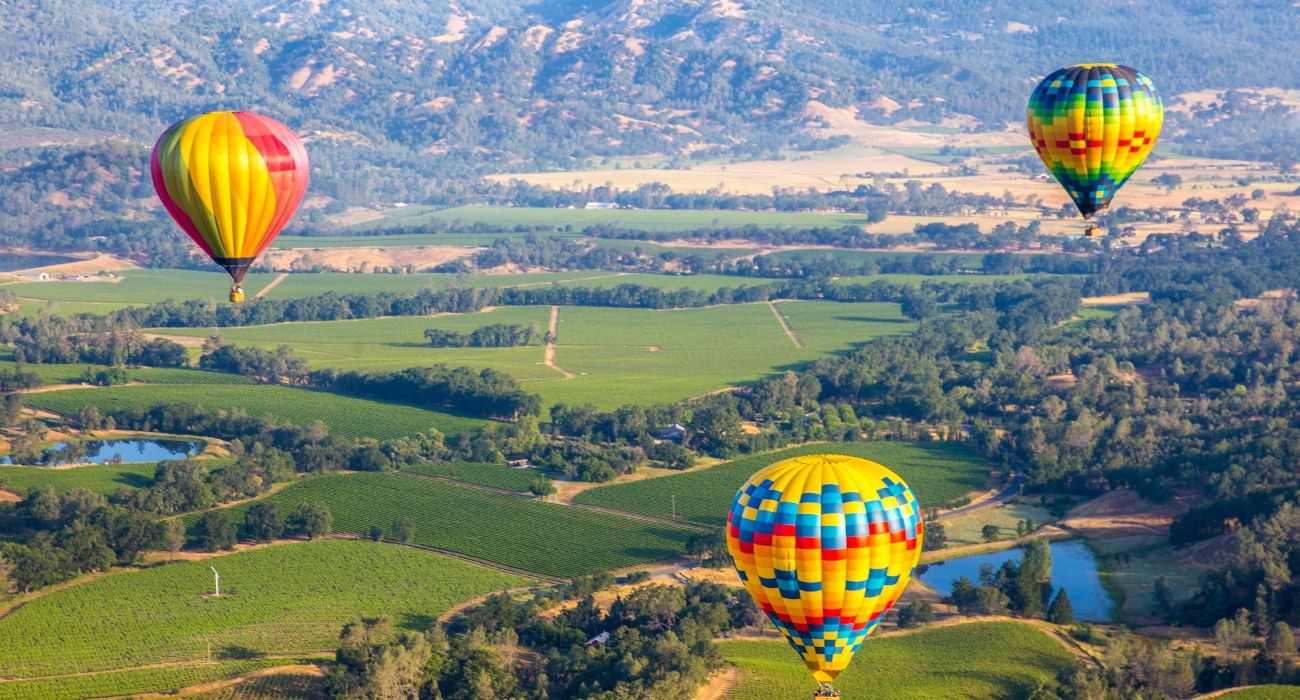
- Beyond Wine: While wine is the main attraction, Napa Valley also offers excellent farm-to-table dining, hot air balloon rides, hiking, and boutique shopping.
- Stay Hydrated: When wine tasting, remember to drink plenty of water between sips.
- Utilize Technology: Apps can help you navigate, find wineries, and even suggest routes.
The journey from San Francisco to Napa Valley is not merely a distance to be covered, but the beginning of an unforgettable journey into one of California’s most celebrated regions. With a little planning and an understanding of the travel options, your transition from the city’s vibrant energy to the tranquil beauty of Wine Country will be smooth and rewarding.
LifeOutOfTheBox is a participant in the Amazon Services LLC Associates Program, an affiliate advertising program designed to provide a means for sites to earn advertising fees by advertising and linking to Amazon.com. Amazon, the Amazon logo, AmazonSupply, and the AmazonSupply logo are trademarks of Amazon.com, Inc. or its affiliates. As an Amazon Associate we earn affiliate commissions from qualifying purchases.