
Navigating the vibrant landscape of California often involves traversing considerable distances between its prominent cities. For many, understanding the journey between San Jose, a pivotal hub in Silicon Valley and the largest city in the Bay Area, and Sacramento, the state capital, is a frequent query. This article delves into the geographic realities, transportation methods, and travel considerations for making this important journey.
The Geographic Span: Unpacking the Distance
The direct distance between San Jose and Sacramento is not just a matter of miles; it also encompasses the distinct topographies and traffic patterns of northern California. Generally, the driving distance is approximately 90 to 100 miles (145 to 160 kilometers), depending on the specific starting and ending points within each metropolitan area and the precise route taken. While this might seem like a manageable distance on a map, the actual travel time can vary significantly due to California’s notorious traffic congestion, especially around the densely populated Bay Area corridor.
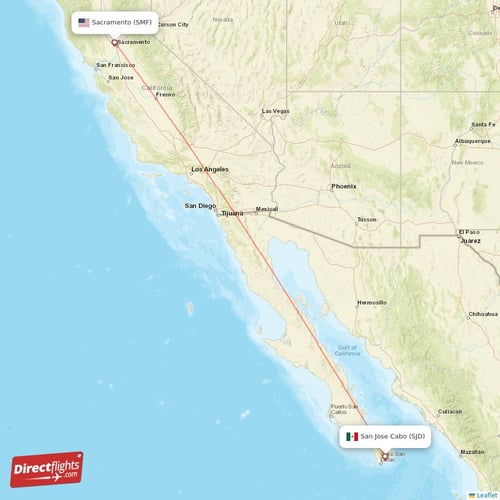
The journey typically involves traversing through various counties and passing major waterways, offering a glimpse into California’s diverse landscapes, from urban sprawl to agricultural expanses. Understanding this foundational distance is the first step in planning an efficient and enjoyable trip.
Navigating the Journey: Transportation Options Between Cities
Travelers have several viable options for commuting between San Jose and Sacramento, each offering a unique balance of cost, convenience, and travel experience.
Driving: Flexibility and Directness
For most travelers, driving remains the most popular choice due to its flexibility and directness. The primary routes involve a combination of major interstates:
- Route via I-680 / I-580 / I-5: This is often the most direct route. From San Jose, you would typically take Interstate 680 North, which then merges into Interstate 580 East. From I-580, you would connect to Interstate 5 North near Tracy and continue directly to Sacramento. This route bypasses much of the immediate Bay Area congestion but can still experience heavy traffic on I-580 during peak hours.
- Route via I-880 / I-80: An alternative, though often longer in duration due to Bay Area traffic, involves taking Interstate 880 North from San Jose to Oakland, then merging onto Interstate 80 East towards Sacramento. This route takes you over the Carquinez Strait via the Alfred Zampa Memorial Bridge or the Benicia-Martinez Bridge, which may involve tolls.
- Driving Time: Under ideal conditions with minimal traffic, the drive can take approximately 1.5 to 2 hours. However, during peak commute times (typically 6-9 AM and 3-6 PM on weekdays), this duration can easily stretch to 2.5 to 3.5 hours or even more, particularly when navigating through segments of the Bay Area or near Fairfield and Davis on I-80.
- Considerations for Drivers: Beyond traffic, drivers should account for fuel costs, potential bridge tolls (especially on I-80 routes), and the availability of parking at their destination. Real-time traffic apps are indispensable tools for planning and adapting to changing road conditions.
Public Transportation: A Relaxing Alternative
For those preferring to avoid driving, public transportation offers a less stressful and often more scenic journey.

Train Services
Amtrak‘s Capitol Corridor service is an excellent option for rail travel between these two cities.
- Route: While there isn’t a direct Capitol Corridor train from San Jose Diridon Station straight to Sacramento Valley Station, travelers can take a train from San Jose to a transfer point like Oakland Jack London Square or Martinez, where they can board a connecting Capitol Corridor train to Sacramento.
- Travel Time: The total journey, including transfers, typically ranges from 2.5 to 3.5 hours, making it comparable to or slightly longer than driving during off-peak times. However, it offers the advantage of avoiding traffic and enjoying comfortable seating, Wi-Fi, and onboard services.
- Benefits: This mode of transport is ideal for those who wish to work or relax during their journey, without the stresses of navigating traffic or finding parking.
Bus Services
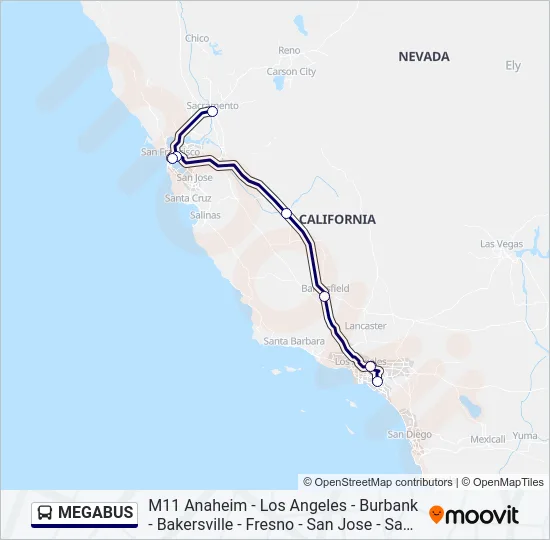
Several bus companies, including Greyhound and FlixBus, operate routes connecting San Jose and Sacramento.
- Route and Stops: Buses typically depart from major transit centers in San Jose and arrive at the Sacramento Valley Station or other central bus stops.
- Travel Time: Bus travel times are generally similar to driving, ranging from 2 to 3.5 hours, heavily dependent on traffic conditions.
- Cost-Effectiveness: Bus travel is often the most economical option, especially when booked in advance. It offers a no-frills, direct connection between the cities.
Air Travel: Generally Impractical
While both San Jose and Sacramento have international airports (San Jose Mineta International Airport and Sacramento International Airport, respectively), flying between them is highly impractical for this short distance. The time spent on airport transfers, security checks, boarding, and deplaning would far exceed the actual flight time, making it significantly longer and more expensive than driving or taking the train. Therefore, air travel is almost never recommended for this specific inter-city route.
Optimizing Your Trip: Essential Travel Tips
Regardless of the chosen mode of transport, a few key tips can enhance your journey from San Jose to Sacramento.
Timing is Everything
- Avoid Rush Hour: If driving, aim to depart before 6 AM or after 9 AM, and return after 6 PM on weekdays. Weekend travel can also see congestion, particularly on Sunday afternoons.
- Check Real-time Conditions: Utilize navigation apps that provide live traffic updates and suggest alternative routes. This is crucial for anticipating and circumventing unexpected delays.
Planning for Comfort and Convenience
- Stay Hydrated and Fueled: For drivers, plan for rest stops along the way. Patterson, Stockton, or Davis are common stops offering various amenities.
- Entertainment: Whether driving or taking public transport, have entertainment ready—podcasts, music, audiobooks, or a good book—to make the journey more enjoyable.
- Vehicle Maintenance: If driving your own vehicle, ensure it’s in good condition for the journey, especially tires and fluid levels.
Purpose of Travel
The reason for your trip might influence your choice.
- Business Travel: Time efficiency is usually paramount. Driving outside of rush hour or taking the Capitol Corridor train to work or attend meetings without the stress of driving could be preferred.
- Leisure Travel: A more relaxed approach might include enjoying the scenery from a train window or planning a scenic driving detour if time allows.
- Commuting: For regular commuters, carpooling or utilizing public transport passes can offer cost savings and reduced environmental impact.
In conclusion, the distance between San Jose and Sacramento is substantial enough to warrant careful planning, yet entirely manageable with various efficient transportation options. By considering the factors of distance, time, cost, and personal preference, travelers can select the ideal mode to make their journey between these two significant California cities a smooth and pleasant experience.
LifeOutOfTheBox is a participant in the Amazon Services LLC Associates Program, an affiliate advertising program designed to provide a means for sites to earn advertising fees by advertising and linking to Amazon.com. Amazon, the Amazon logo, AmazonSupply, and the AmazonSupply logo are trademarks of Amazon.com, Inc. or its affiliates. As an Amazon Associate we earn affiliate commissions from qualifying purchases.