
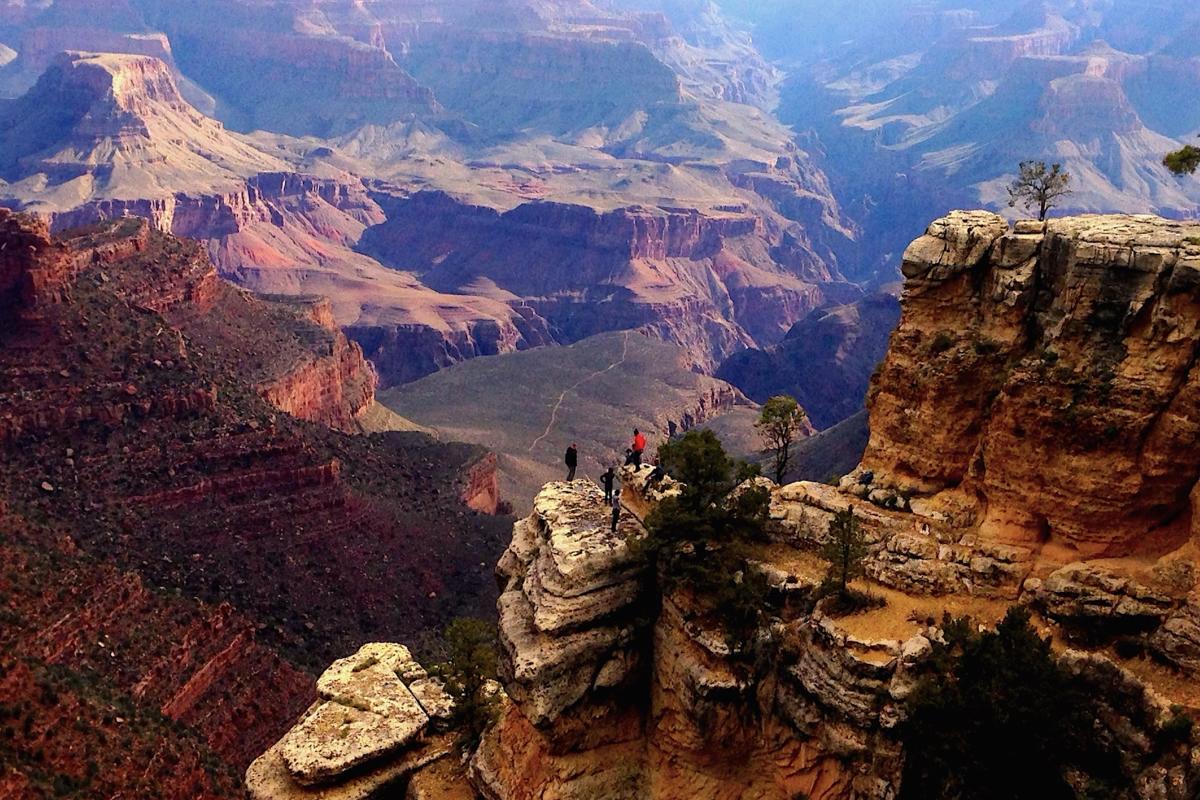
The allure of the Grand Canyon National Park is undeniable, a natural wonder that beckons travelers from across the globe. For many, a journey to this awe-inspiring destination begins in the vibrant city of Scottsdale, Arizona. Understanding the distance and travel time between these two iconic locations is crucial for effective trip planning, whether you’re embarking on a day trip or incorporating it into a longer Arizona adventure. This guide will break down the driving distances, optimal routes, and considerations for making the journey from Scottsdale to the South Rim of the Grand Canyon, the most visited and accessible part of the park.
Understanding the Distance and Travel Time
The primary question for any traveler planning a visit from Scottsdale to the Grand Canyon revolves around the physical distance and the time it takes to cover it. The Grand Canyon is a vast geological formation, and its accessibility from major population centers in Arizona is a key factor in its popularity.
Driving Distance to the South Rim
The most common destination within Grand Canyon National Park for visitors traveling from the Phoenix metropolitan area, which includes Scottsdale, is the South Rim. This area offers numerous viewpoints, visitor services, and trailheads.
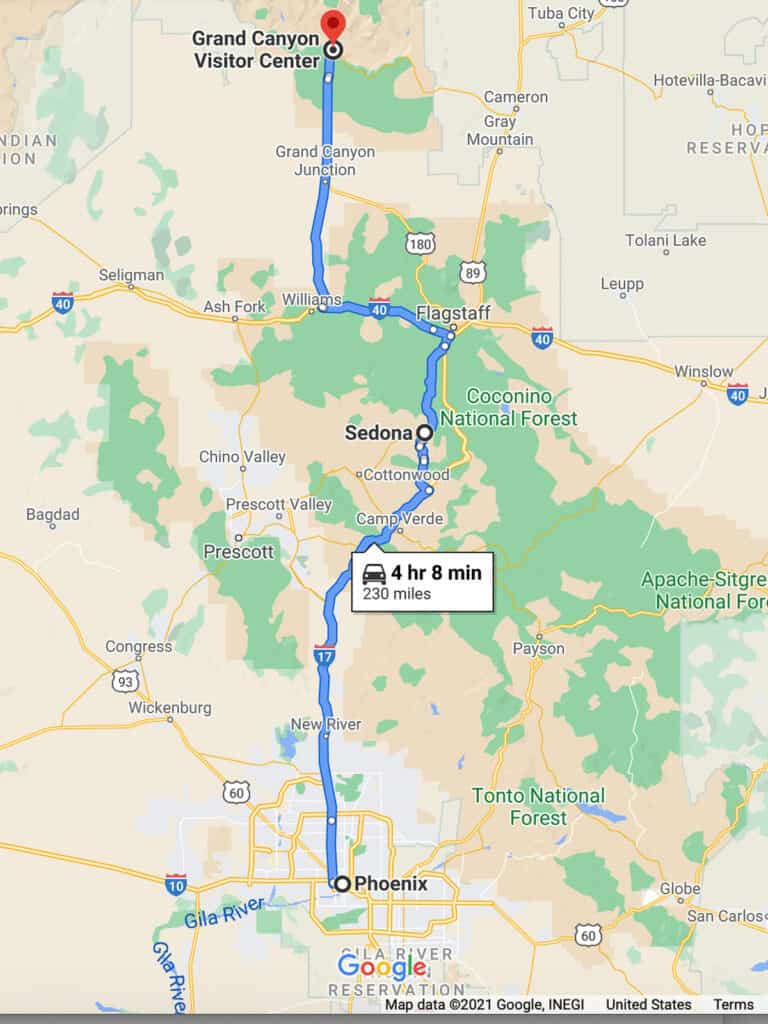
- Approximate Driving Distance: The driving distance from Scottsdale, Arizona to the South Rim of the Grand Canyon is approximately 230 to 250 miles, depending on the exact starting point in Scottsdale and the chosen route.
Estimated Travel Time
The travel time is a crucial consideration, as it directly impacts the feasibility of a day trip versus an overnight stay. This estimation accounts for average driving speeds and potential minor delays.
- Without significant traffic or stops: The drive from Scottsdale to the South Rim of the Grand Canyon typically takes between 3.5 to 4.5 hours, one way.
- Factors affecting travel time: This timeframe can be extended by several factors, including:
- Traffic congestion: Particularly when leaving the Phoenix metropolitan area during peak commuting hours.
- Road construction: Major highways may experience temporary delays due to maintenance or improvement projects.
- Weather conditions: During winter months, snow and ice can impact driving on higher elevation roads, including those leading to the Grand Canyon.
- Stops for breaks: It’s highly advisable to factor in stops for fuel, food, and rest, which will add to the overall journey time.
Navigating the Routes to the Grand Canyon
Several routes can be taken from Scottsdale to the Grand Canyon, each offering slightly different scenery and potential points of interest along the way. The most common and recommended routes are via I-17 North.
The Most Direct Route via I-17 North
This route is generally considered the most straightforward and efficient for travelers heading to the South Rim.
- Route Description:
- Begin by heading north out of Scottsdale towards Phoenix.
- Merge onto I-17 North. This interstate highway will take you directly towards Flagstaff.
- Continue on I-17 North for approximately 130-150 miles. You will ascend in elevation as you approach Flagstaff.
- In Flagstaff, you will need to take either AZ-180 North or US-89 North.
- Via AZ-180 North: This is often considered a more scenic route, passing through the Coconino National Forest. Follow AZ-180 North for about 70-80 miles. This road will eventually lead you directly to the South Entrance of Grand Canyon National Park.
- Via US-89 North: This is another viable option. Follow US-89 North from Flagstaff for approximately 25-30 miles. Then, take AZ-64 West towards the Grand Canyon. AZ-64 West will bring you to the East Entrance of the park, which is also a valid entry point to the South Rim.
Alternative Routes and Scenic Considerations
While the I-17 North route is most common, other options exist that might appeal to those seeking a more leisurely journey with additional sightseeing opportunities.
- US-60 East and I-17 North: Some travelers may opt to take US-60 East out of the Phoenix area before merging onto I-17 North. This can sometimes offer a slightly different traffic pattern depending on the time of day.
- Exploring Jerome and Sedona: For a more extensive road trip experience, consider incorporating a stop in the historic mining town of Jerome or the spiritual vortex town of Sedona. These destinations lie off the direct path but can be reached with slight detours.
- If visiting Sedona, you would typically take I-17 North to exit 298 (SR 179), then follow SR 179 into Sedona. From Sedona, you can rejoin I-17 North via SR 179 and continue towards Flagstaff. This adds significant time but offers a rich cultural and scenic experience.
- Consideration for the East Rim (Desert View Watchtower): If you choose to enter via the East Entrance on AZ-64 West from US-89 North, you will arrive near the Desert View Watchtower, offering a different perspective as you begin your exploration of the South Rim.
Planning Your Trip: Day Trip vs. Overnight Stay
The distance from Scottsdale to the Grand Canyon strongly influences how you might plan your visit. A day trip is ambitious, while an overnight stay allows for a more immersive experience.
The Ambitious Day Trip
A day trip from Scottsdale to the Grand Canyon is possible, but it requires very early morning departure and late evening return.
- Schedule: To make the most of a day trip, you would need to leave Scottsdale by 6:00 AM or earlier. This allows for arrival at the Grand Canyon by mid-morning, giving you about 5-6 hours to explore the rim viewpoints, visit the visitor center, and perhaps take a short walk along the rim trail. You would then need to depart by mid-afternoon to return to Scottsdale before late evening.
- Pros: The primary advantage is not requiring accommodation and maximizing time in Scottsdale.
- Cons: This option can be exhausting, with a significant portion of the day spent driving. It limits the time available for exploration and does not allow for sunrise or sunset viewing at the canyon, which are often considered highlights.
The Recommended Overnight Stay
An overnight stay is highly recommended for a more comprehensive and enjoyable experience of the Grand Canyon.
- Benefits:
- Sunrise and Sunset: Witnessing the changing colors of the canyon at dawn and dusk is a magical experience that a day trip often precludes.
- Leisurely Exploration: With more time, you can explore multiple viewpoints along the South Rim, hike portions of the Rim Trail, visit the Hopi House, and learn more at the Verkamp’s Visitor Center.
- Reduced Fatigue: Spreading the travel over two days significantly reduces the physical strain.
- Deeper Immersion: You can take your time to soak in the immense scale and beauty of the natural wonder without feeling rushed.
- Accommodation Options:
- Inside the Park: Lodging options within Grand Canyon National Park include historic lodges like the El Tovar Hotel, Bright Angel Lodge, and Yavapai Lodge. These book up months in advance, especially during peak season.
- Outside the Park: Nearby towns like Tusayan (just south of the park entrance) and Williams (about an hour south on I-40) offer a wider range of hotels, motels, and vacation rentals. Flagstaff, about 1.5 hours away, also provides extensive lodging choices.
Essential Travel Tips for the Journey
To ensure a smooth and memorable trip from Scottsdale to the Grand Canyon, consider these practical tips:
- Book in Advance: If planning an overnight stay, book accommodations and any desired tours or activities well in advance, especially for lodging inside the park.
- Check Park Entrance Fees: Be aware of the entrance fees for Grand Canyon National Park. These fees are typically per vehicle and can be paid at the entrance station.
- Pack Appropriately: The weather at the Grand Canyon can vary dramatically depending on the season and elevation. Layers are essential. Bring comfortable walking shoes, sunscreen, a hat, and plenty of water. Even in summer, mornings and evenings can be cool.
- Fuel Up: Ensure your vehicle has a full tank of gas before leaving Scottsdale and consider topping up in Flagstaff or Williams, as services can be limited between these towns and the park.
- Download Offline Maps: Cell service can be unreliable in many parts of the drive and within the park. Download offline maps on your smartphone for navigation.
- Be Wildlife Aware: Drive cautiously, especially at dawn and dusk, as wildlife may cross the roads. Never feed wild animals.
- Respect the Environment: Stay on designated trails, do not litter, and practice Leave No Trace principles to help preserve the natural beauty of the Grand Canyon.
By understanding the distances, routes, and planning considerations, your journey from the desert oasis of Scottsdale, Arizona to the majestic expanse of the Grand Canyon can be a seamless and unforgettable part of your Arizona travel experience.
LifeOutOfTheBox is a participant in the Amazon Services LLC Associates Program, an affiliate advertising program designed to provide a means for sites to earn advertising fees by advertising and linking to Amazon.com. Amazon, the Amazon logo, AmazonSupply, and the AmazonSupply logo are trademarks of Amazon.com, Inc. or its affiliates. As an Amazon Associate we earn affiliate commissions from qualifying purchases.