
The vibrant energy of Seattle, Washington State, and the majestic natural beauty of Vancouver, BC, British Columbia, represent two of the Pacific Northwest’s most captivating urban centers. While they stand as distinct cultural and economic hubs, their geographical proximity makes cross-border travel a popular endeavor for tourists, business professionals, and locals alike. Understanding the distance, travel options, and border complexities is crucial for anyone planning to experience the unique charm of both these extraordinary cities. Whether you’re embarking on a spontaneous road trip, a scenic train journey, or a quick flight, preparing for the adventure ahead ensures a seamless and memorable experience. This guide will delve into every aspect of bridging the gap between Seattle and Vancouver, BC, covering everything from travel logistics to the top attractions and accommodation choices, helping you plan your perfect cross-border exploration.
The Distance Defined: A Tale of Two Cities
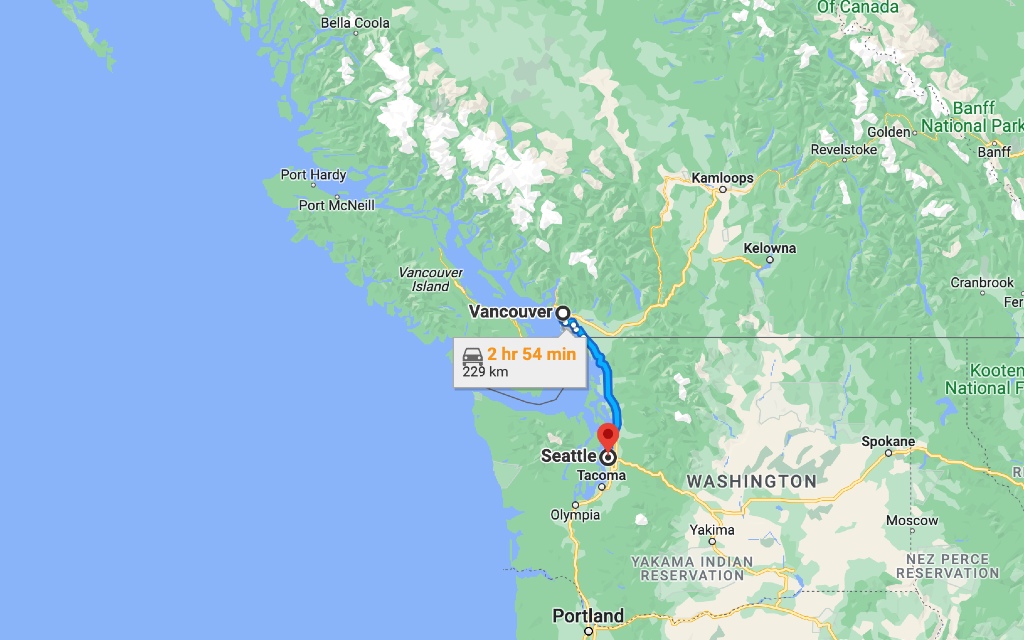
The question of “how far” is more nuanced than a simple number, as it depends heavily on the mode of transport and the specific points of origin and destination within each sprawling metropolis. However, the most common measurement refers to the road distance between their respective downtown cores.
Geographical Proximity and Border Dynamics
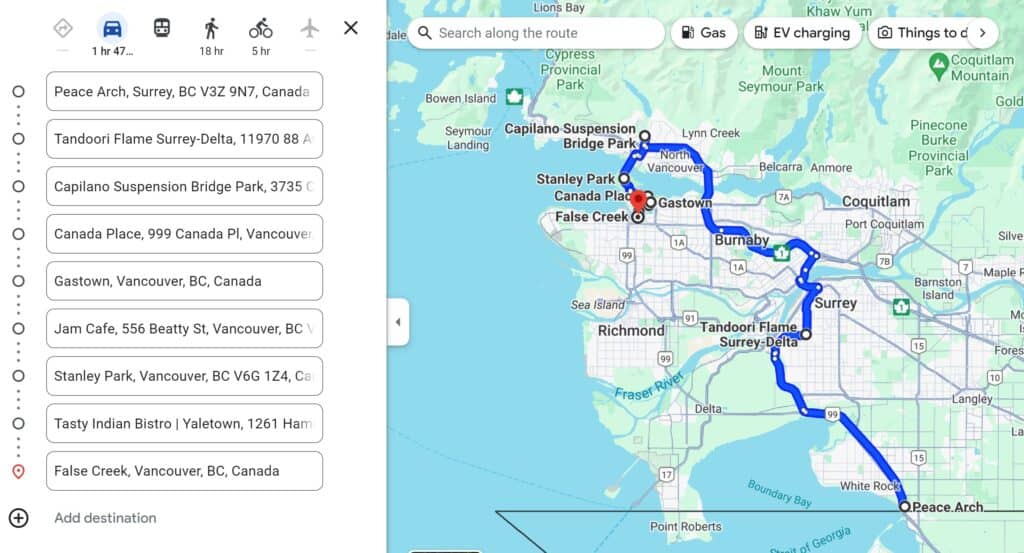
Seattle and Vancouver, BC are separated by an international border, dividing the United States and Canada. This border introduces an element of travel that goes beyond mere mileage – customs and immigration procedures. The primary border crossing for travelers between the two cities is the Peace Arch Border Crossing near Blaine, Washington State, and Surrey, British Columbia. There are also other crossings like the Sumas-Abbotsford Border Crossing, which can sometimes offer alternatives, especially if avoiding peak times. The proximity means that traveling between these two major cities is not only feasible but also a popular itinerary for those wishing to experience the best of the Pacific Northwest. The scenic drive along Interstate 5 in the United States and its continuation as Trans-Canada Highway 99 in Canada showcases diverse landscapes, from coastal stretches to verdant forests, making the journey itself part of the adventure.
Understanding the Mile Markers and Kilometers
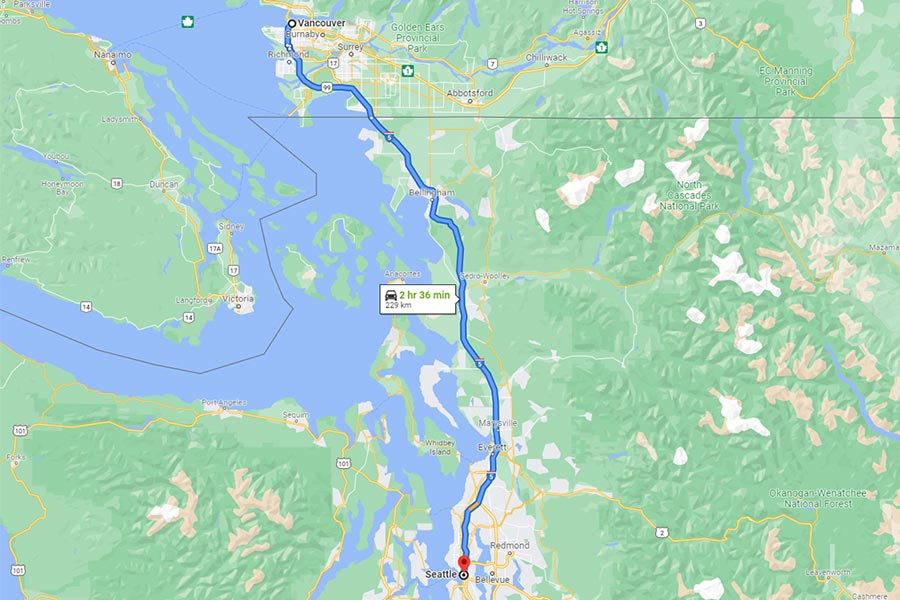
The approximate driving distance between downtown Seattle and downtown Vancouver, BC is roughly 140 miles (225 kilometers). This figure can vary slightly depending on your exact starting and ending points, as both are large cities with multiple neighborhoods and districts. In terms of travel time, under ideal conditions with no traffic and swift border crossing, the drive typically takes around 3 hours. However, it is crucial to factor in potential delays at the border, especially during holidays, weekends, or peak travel times, which can easily extend the journey to 4-5 hours or even more. Additionally, traffic within Seattle and Vancouver, BC themselves, particularly during rush hour, can add significant time. Understanding these variables is key to setting realistic expectations for your travel duration.
Navigating the Journey: Your Transportation Options
Traveling between Seattle and Vancouver, BC offers a range of transportation choices, each with its own advantages in terms of cost, comfort, speed, and scenic appeal.
Driving: The Classic Cross-Border Road Trip
Driving is arguably the most popular way to travel between the two cities, offering flexibility and the opportunity to explore sights along the way. The route is straightforward, primarily following Interstate 5 north from Seattle to the Canada-United States border, then transitioning to British Columbia’s Highway 99.
- Pros: Flexibility to stop anywhere, control over your schedule, ideal for travelers with luggage or families.
- Cons: Potential for long border wait times, traffic congestion in and around both cities, cost of fuel, parking fees in urban centers.
- Tips: Check border wait times online before you depart (e.g., through official government websites), consider traveling early in the morning or late in the evening to avoid crowds, ensure all vehicle occupants have necessary identification and documents.
Rail Travel: A Scenic Route with Amtrak Cascades
For those who prefer a more relaxed and scenic journey, the Amtrak Cascades train service provides a comfortable alternative. The route hugs the coastline for portions of the trip, offering stunning views of Puget Sound and the Pacific Northwest landscape.
- Journey Time: Approximately 4 hours and 30 minutes, including border processing which often happens on board.
- Pros: Comfortable seating, onboard dining, beautiful scenery, no need to worry about driving or parking, streamlined border crossing.
- Cons: Less frequent departures than buses, fixed schedule, can be more expensive than bus travel.
- Tips: Book tickets in advance, especially during peak season, to secure your preferred seating and potentially better fares. Enjoy the observation car for the best views.
Bus Services: Affordable and Convenient Connections
Several bus companies offer direct service between Seattle and Vancouver, BC, making it a budget-friendly option. Operators like Quick Shuttle and Bellair Airporter Shuttle provide multiple daily departures from various points in both cities, including airport connections.
- Journey Time: Typically 3.5 to 5 hours, heavily dependent on border waits and traffic.
- Pros: Economical, frequent departures, drop-off/pick-up points in central locations and airports, ideal for solo travelers or those on a budget.
- Cons: Less personal space, shared border crossing experience can sometimes feel prolonged.
- Tips: Carry a book or entertainment, snacks, and water. Keep your identification and documents readily accessible for the border stop.
Air Travel: Quick Hops Between Hubs
While not the most common choice due to the relatively short distance, flying is the fastest way to get from Seattle-Tacoma International Airport (SEA) to Vancouver International Airport (YVR).
- Flight Time: Approximately 1 hour.
- Total Travel Time: When factoring in check-in, security, and travel to/from airports, the total door-to-door time can often be comparable to or even longer than driving or taking the train, especially for downtown-to-downtown travel.
- Pros: Fastest actual travel time.
- Cons: Most expensive option, requires travel to and from airports, security checks and waiting times can negate the time saved in the air.
- Tips: Consider this option only if time is extremely critical, or if connecting from a longer flight. Be aware of luggage restrictions and additional fees.
Ferry and Cruise Options: An Unconventional Path
While there isn’t a direct car ferry between Seattle and Vancouver, BC, the FRS Clipper offers a popular high-speed passenger-only catamaran service that connects downtown Seattle with downtown Victoria, British Columbia (on Vancouver Island). From Victoria, you would then take another ferry or bus service to Vancouver, BC mainland. This is a more circuitous but exceptionally scenic route, often chosen by tourists wanting to experience Victoria’s charm.
- Journey Time: Seattle to Victoria by FRS Clipper is about 2.5-3 hours. The additional leg from Victoria to Vancouver, BC would add several more hours.
- Pros: Unique travel experience, stunning views of the Salish Sea, opportunity to visit Victoria.
- Cons: Longest travel time, often the most expensive overall due to multiple legs, not suitable for travelers needing to transport a car.
- Tips: Clipper Vacations often offers package deals that include hotels in Victoria, making it an attractive option for a multi-city itinerary.
Essential Travel Considerations for Cross-Border Trips
Regardless of your chosen mode of transport, a cross-border journey requires specific preparations to ensure a smooth and stress-free experience.
Border Crossing Formalities and Documentation
Crossing the Canada-United States border requires proper documentation for all travelers, including infants.
- For U.S. citizens and Canadian citizens: A valid passport is the most recommended document. Alternatives include an Enhanced Driver’s License (EDL), NEXUS card, or Free and Secure Trade (FAST) card.
- For other nationalities: A valid passport is mandatory. Depending on your country of origin, you may also require a visa for Canada or the United States.
- Vehicle documents: If driving, ensure you have your vehicle registration and proof of insurance. U.S. insurance policies are generally accepted in Canada, but it’s wise to carry proof of coverage.
- Customs declaration: Be prepared to declare all goods, including alcohol, tobacco, and any food items. Familiarize yourself with prohibited items (e.g., firearms, certain agricultural products) to avoid issues.
- Tips: Have all documents easily accessible. Be polite and truthful with border officials. Avoid making jokes that could be misinterpreted.
Best Time to Travel and Avoiding Delays
Timing your journey can significantly impact your experience.
- Peak Seasons: Summer (June to August) and major holidays (e.g., U.S. Thanksgiving, Canadian long weekends) see the highest traffic and longest border waits.
- Off-Peak: Spring (April-May) and Fall (September-October) offer pleasant weather, fewer crowds, and often better travel times. Winter travel can be beautiful but brings the possibility of adverse weather conditions.
- Time of Day: Early mornings (before 8 AM) and late evenings (after 8 PM) on weekdays typically have shorter border waits. Mid-day on weekdays can also be less congested than peak rush hours.
- Tips: Utilize online resources that provide real-time border wait times. Consider using less popular crossings like Sumas-Abbotsford Border Crossing if the Peace Arch Border Crossing is severely backed up.
Accommodation Choices in Both Metropolises
Both Seattle and Vancouver, BC boast a diverse array of accommodations, catering to every budget and travel style, aligning with the “Hotels” and “Accommodation” main topics of the website.
- Luxury: In Seattle, options like Fairmont Olympic Hotel or The Edgewater Hotel offer unparalleled service and amenities. Vancouver, BC counters with the exquisite Fairmont Pacific Rim or the historic Rosewood Hotel Georgia. These provide opulent suites, fine dining, and prime locations for those seeking a “Luxury Travel” experience.
- Mid-Range: Reputable chains such as Hyatt Regency Seattle or Metropolitan Hotel Vancouver offer comfort, convenience, and excellent service without the premium price tag. You’ll find a wide selection of hotels, suites, and serviced apartments.
- Budget-Friendly: Hostels, boutique motels, and guesthouses are available in both cities, particularly in neighborhoods slightly outside the downtown core. Consider districts like Capitol Hill in Seattle or Kitsilano in Vancouver, BC for more economical stays.
- Unique Stays: For “Long-term Stay” or a more localized “Lifestyle” experience, consider booking apartments or villas through platforms specializing in vacation rentals. This is perfect for families or groups.
Exploring Beyond the Journey: Attractions and Lifestyle
Once you’ve made the journey, both cities offer a wealth of experiences. The website’s focus on “Tourism,” “Landmarks,” and “Lifestyle” makes these aspects integral.
Discovering Seattle: Emerald City Delights
Seattle, known as the “Emerald City” for its lush evergreen landscapes, is a hub of innovation, coffee culture, and stunning natural beauty.
Iconic Landmarks and Cultural Hubs
No trip to Seattle is complete without visiting the Space Needle, offering panoramic views of the city, Puget Sound, and surrounding mountains. Nearby, the Chihuly Garden and Glass provides a mesmerizing artistic experience with its vibrant glass sculptures. The bustling Pike Place Market is a sensory delight, famous for its fish throwing, artisan crafts, and original Starbucks store. For culture enthusiasts, the Museum of Pop Culture (MoPOP) and the Seattle Art Museum showcase diverse exhibitions.
Culinary Experiences and Nightlife
Seattle’s culinary scene is as diverse as its population. From fresh seafood at waterfront restaurants to international flavors in neighborhoods like International District, there’s something for every palate. The city is, of course, synonymous with coffee; exploring the original Starbucks Reserve Roastery offers an immersive experience. Nightlife thrives in areas like Capitol Hill and Ballard, with a plethora of bars, breweries, and live music venues. For a relaxing evening, take a stroll through Gas Works Park for incredible views of the skyline and Lake Union.
Unveiling Vancouver, BC: Gateway to the Pacific Northwest
Vancouver, BC consistently ranks as one of the world’s most livable cities, celebrated for its urban sophistication juxtaposed with immediate access to stunning natural landscapes.
Natural Beauty and Urban Parks
The crown jewel of Vancouver, BC is Stanley Park, a sprawling urban oasis larger than New York’s Central Park, offering miles of scenic seawall paths, lush rainforest, and historical totems. Adventurous souls can head to Capilano Suspension Bridge Park for thrilling treetop walks or take the gondola up Grouse Mountain for hiking, skiing, and breathtaking city views. Queen Elizabeth Park provides beautifully manicured gardens and city vistas.
Diverse Neighborhoods and Culinary Adventures
Vancouver, BC’s neighborhoods each tell a unique story. Gastown, with its Victorian architecture and iconic steam clock, is perfect for boutique shopping and fine dining. Granville Island Market is a foodie paradise, offering fresh produce, gourmet treats, and artisan goods. Explore the trendy streets of Yaletown for upscale restaurants and lively patios, or soak up the relaxed beach vibe in Kitsilano, home to English Bay Beach. Richmond, just south of the city, boasts some of the best Asian cuisine outside of Asia. For cultural insights, the Museum of Anthropology at UBC showcases impressive First Nations art and artifacts.
Planning Your Perfect Getaway: Tips for Every Traveler
Making the most of your trip between these two Pacific Northwest gems involves thoughtful planning and considering your travel style.
Budget-Friendly Versus Luxury Experiences
- Budget Travel: To save money, consider bus travel, staying in hostels or budget-friendly hotels, cooking some of your meals (especially if choosing accommodation with kitchenettes), and taking advantage of free attractions like parks and walking tours. Look for early bird deals on flights and accommodation.
- Luxury Travel: Indulge in premium services like business class airfare, private car transfers, and stays at 5-star resorts like the Fairmont Pacific Rim in Vancouver, BC or the Fairmont Olympic Hotel in Seattle. Enjoy exclusive dining experiences, spa treatments, and guided private tours that offer a deeper dive into local culture and landmarks. For ultimate luxury, extend your trip to a scenic mountain retreat like Whistler or a charming island getaway to Victoria, exploring Butchart Gardens and the historic Victoria Harbour.
Family-Friendly Adventures and Business Stays
- Family Trips: Both cities offer excellent family-friendly attractions. In Seattle, kids will love the Seattle Aquarium and the Pacific Science Center. Vancouver, BC boasts the Vancouver Aquarium and the interactive exhibits at Science World. Many hotels offer family suites and amenities tailored to children. Choosing accommodations with pools or close to parks can enhance the experience.
- Business Stays: For business travelers, proximity to convention centers, reliable Wi-Fi, and executive amenities are key. Hotels like the Hyatt Regency Seattle or Rosewood Hotel Georgia in Vancouver, BC are well-equipped with business centers, meeting rooms, and convenient access to downtown financial districts. Opt for “Accommodation” that offers extended stay options or corporate rates if frequently traveling.
Maximizing Your Stay and Making Memories
- Plan Ahead: Research attractions, book tours, and make dinner reservations, especially for popular spots. This helps streamline your “Travel” experience and ensures you don’t miss out on desired “Experiences.”
- Pack Smart: Be prepared for varying weather, as both cities can experience all four seasons in a single day. Layers are always a good idea.
- Stay Connected: Consider a local SIM card or an international roaming plan for seamless navigation and communication.
- Embrace Local Culture: Engage with “Local Culture” through food tours, visits to local markets, and interactions with residents. Both cities have vibrant arts scenes and unique neighborhoods waiting to be discovered.
The journey from Seattle to Vancouver, BC is more than just crossing a border; it’s an opportunity to immerse yourself in the rich tapestry of the Pacific Northwest, where urban sophistication meets unparalleled natural beauty. By understanding the distances, choosing the right mode of transport, and preparing for border formalities, you can ensure your trip is not just a transition, but an integral part of an unforgettable adventure. Whether for a quick “Travel” getaway, an extended “Lifestyle” exploration, or a productive “Business Stays,” these two cities promise a wealth of “Attractions” and “Experiences” for every kind of traveler.
LifeOutOfTheBox is a participant in the Amazon Services LLC Associates Program, an affiliate advertising program designed to provide a means for sites to earn advertising fees by advertising and linking to Amazon.com. Amazon, the Amazon logo, AmazonSupply, and the AmazonSupply logo are trademarks of Amazon.com, Inc. or its affiliates. As an Amazon Associate we earn affiliate commissions from qualifying purchases.